

It’s Rarely Just About Clutter
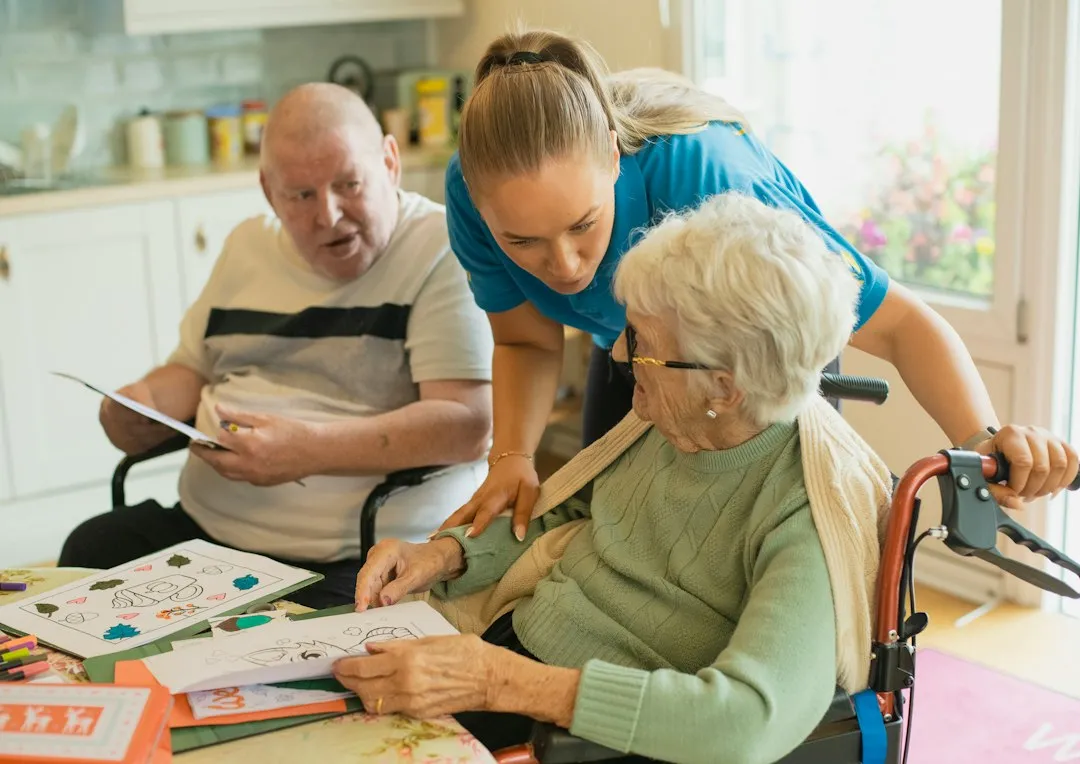
When an older adult begins distributing possessions, the first instinct for many families is to chalk it up to minimalism or a practical need to simplify. Psychologists who work with older adults recognize something very different in this behavior. The giving away of cherished possessions in later life is rarely about minimalism.
Research published in The Gerontologist has explored how material possessions serve as extensions of identity in older adulthood, and how the deliberate redistribution of those possessions reflects a psychological process of preparing for the end of life, not morbidly, but meaningfully.
The behavior alone does not prove that someone has become morbid or resigned. It can reflect a practical decision to remain present for the only part of inheritance that legal documents cannot administer: the response.
The Psychology of Legacy and Identity
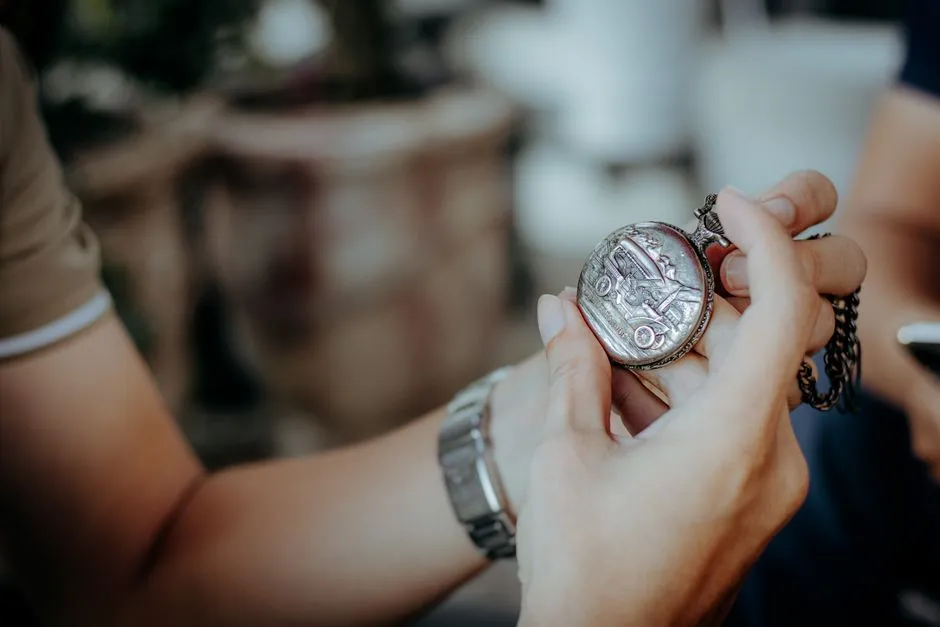
A pioneering study by Margaret Boschetti documented that cherished possessions contribute to our self-concepts about who we are and what we’ve done. They help us remember important experiences, relationships, and identities of the past.
A study published in The Gerontologist found that creating a material legacy is valuable for giving meaning to one’s life and can foster a form of symbolic immortality, the feeling of continuing to live after death by allowing an individual to remain in the memory of loved ones.
Objects carry stories that legal documents simply can’t hold. Giving during life allows the recipient to ask why this item mattered, who owned it before, and why they were chosen next. That exchange, brief as it may be, is the whole point.
Shifting Time Horizons and Emotional Priorities
Socioemotional selectivity theory posits that as future time horizons shorten, older adults increasingly prioritize emotional meaning. Reflecting this shift, prosocial behavior such as charitable giving tends to rise with age.
Aging shifts future time perspective, with older adults prioritizing emotionally meaningful goals, such as contributing to the next generation through generative acts. Giving away belongings is one very tangible version of that.
Using data from the Federal Reserve’s Survey of Consumer Finances, researchers found that in 2022, adults aged 55 and over held roughly three quarters of the national wealth, up from about half in 1989, a one-third surge across three decades. As older adults hold more, their decisions about what to pass on carry real weight, both financially and emotionally.
The Desire to Witness the Joy

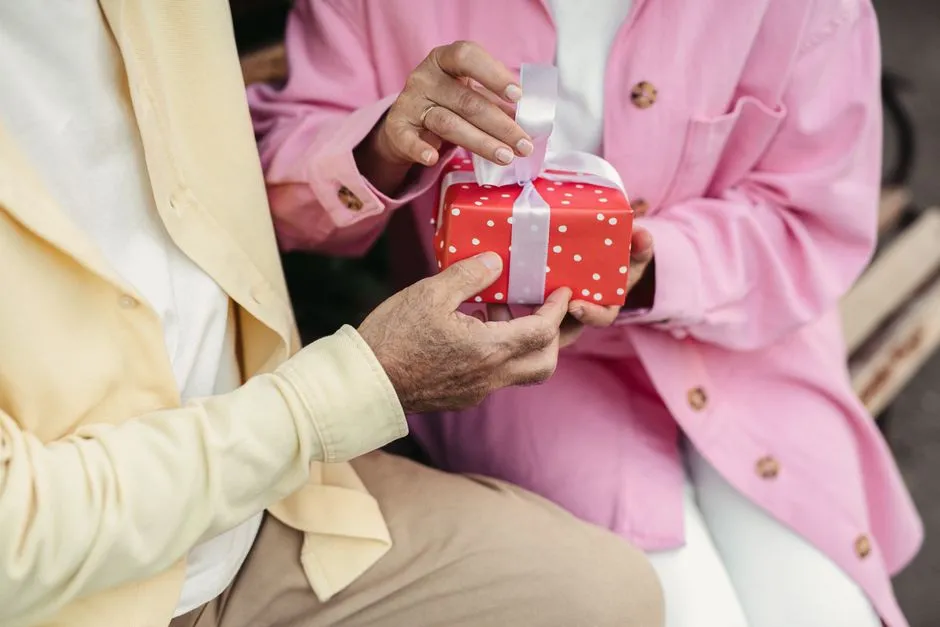
Older adults who start giving away their most treasured things while they’re still alive aren’t being morbid or fatalistic. They’ve simply decided they’d rather watch the joy land in someone’s hands than leave it for a will to hand out once they’re gone.
A will is a legal instrument. It distributes property efficiently, but it cannot create a moment. It cannot transfer the moment in which the owner places an item in another person’s hands, tells the story attached to it, and sees whether the choice was right.
A qualitative study of later-life moves described this as the “safe passage” of possessions, a phrase that captures something both practical and deeply human about why the timing of giving matters so much to those who do it.
Swedish Death Cleaning and Intentional Letting Go

According to Swedish essayist Margareta Magnusson, many older adults begin engaging in a practice known as Swedish death cleaning once they pass the age of 70. The idea isn’t gloomy. It’s essentially a thoughtful, pre-emptive sorting of one’s life so that loved ones aren’t left with the burden later.
It is tied to a shift in how we relate to the things we own and, ultimately, to the story we want to leave behind. For people practicing this approach, releasing objects is less about loss and more about authorship.
Research has found that many participants, particularly those who were older, actually reported positive emotions while sorting their items. This runs counter to what families often expect when they worry that an older parent is “getting rid of everything.”
Practical Realities Drive Downsizing Too

Not every act of giving away is emotionally driven. Practical forces matter too. About 51 percent of retirees age 50 or older downsize their home, primarily to cut costs, simplify their lifestyle, or address changing physical needs.
Many people downsizing from a larger property to a smaller one find their current possessions, appliances, and furnishings unable to fit in the new smaller home. Some people find it especially difficult to accept the need to dispose of possessions, and this causes considerable anxiety.
Downsizing reduces expenses, simplifies life, and can be emotionally taxing. When both practical and emotional motivations align, giving things away becomes an act that serves multiple purposes at once.
Sentimental Clutter Is Its Own Challenge
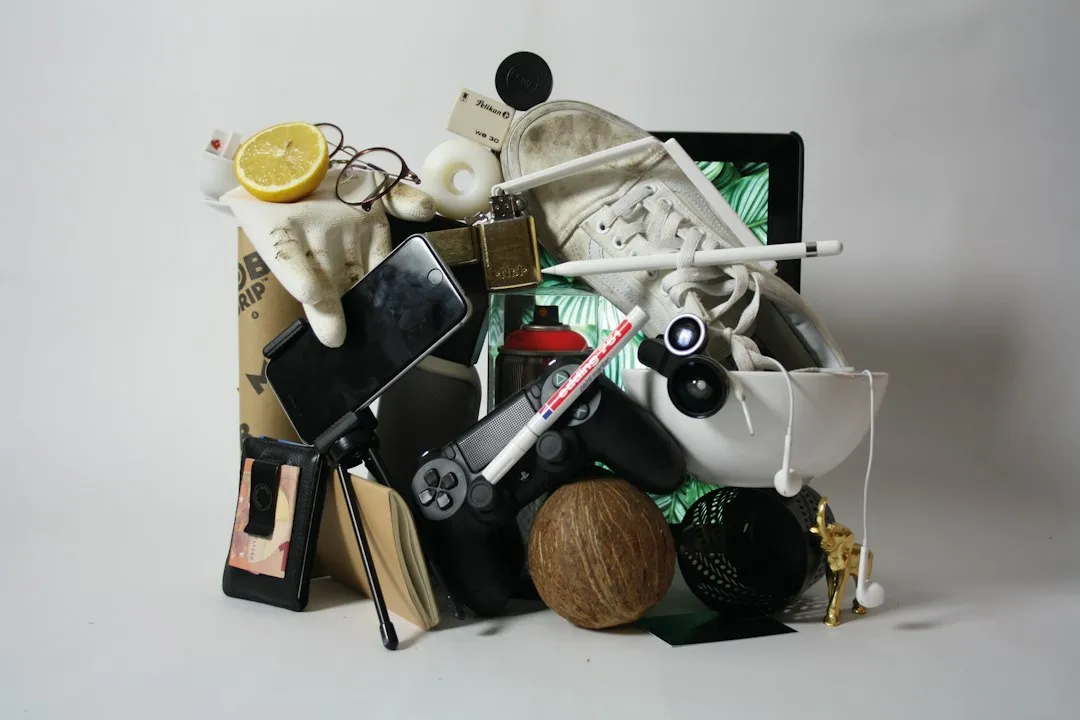
Excessive clutter can create a barrier for older adults trying to maintain functional lives in their homes; however, interventions for hoarding are often lengthy, expensive, and unavailable, particularly for rural-dwelling older adults.
The focus on sentimental clutter is particularly difficult for older adults to address. Items tied to past relationships, roles, or versions of oneself don’t fit neatly into the “keep or discard” logic that younger people might apply without much effort.
A 2024 study demonstrated that taking a values-based approach to decluttering helps older adults decrease household clutter and increases their positive affect, a state of mind characterized by feelings such as joy and contentment. Framing the process around values rather than tidiness seems to make a real difference.
When Giving Things Away Can Signal a Warning
Not all instances of giving away belongings reflect a healthy, intentional process. An elder giving away essential items they still need, forgetting they have done so, or signing over large assets under pressure are signs that call for closer attention.
Families benefit from staying attentive to the pattern. A person who thoughtfully gifts a family heirloom is in a very different situation from one who is systematically giving away everything they own, including things they depend on. The difference matters, and it’s often visible in context.
Research highlights widespread fears that older adults carry about end-of-life experiences, including pain, loneliness, and burdening loved ones. Giving away possessions can sometimes be one expression of that last concern, a quiet effort to leave less behind for others to manage.
Generativity: The Deep Human Need to Contribute
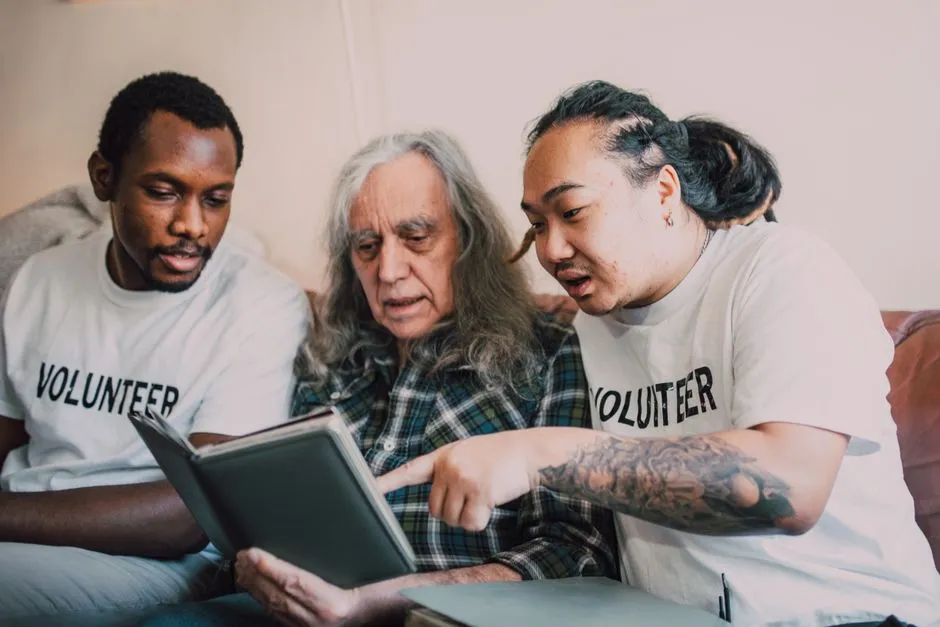
For some older adults, the motivation to pass things on results from an increased awareness of mortality that motivates their desire to communicate what was most important while they still had good health to do it.
The intent to communicate their legacy provides a sense of peace and helps establish a feeling of being prepared for the end of life. Psychologists describe this as generativity, a stage of development centered on the desire to nurture, guide, and contribute to future generations.
Research from nationally representative surveys found that older adults were more likely to donate and donated larger amounts than younger adults. They were also more likely to volunteer and volunteered more hours. The impulse to give runs deep in later life and extends well beyond physical objects.
What Families Often Misread
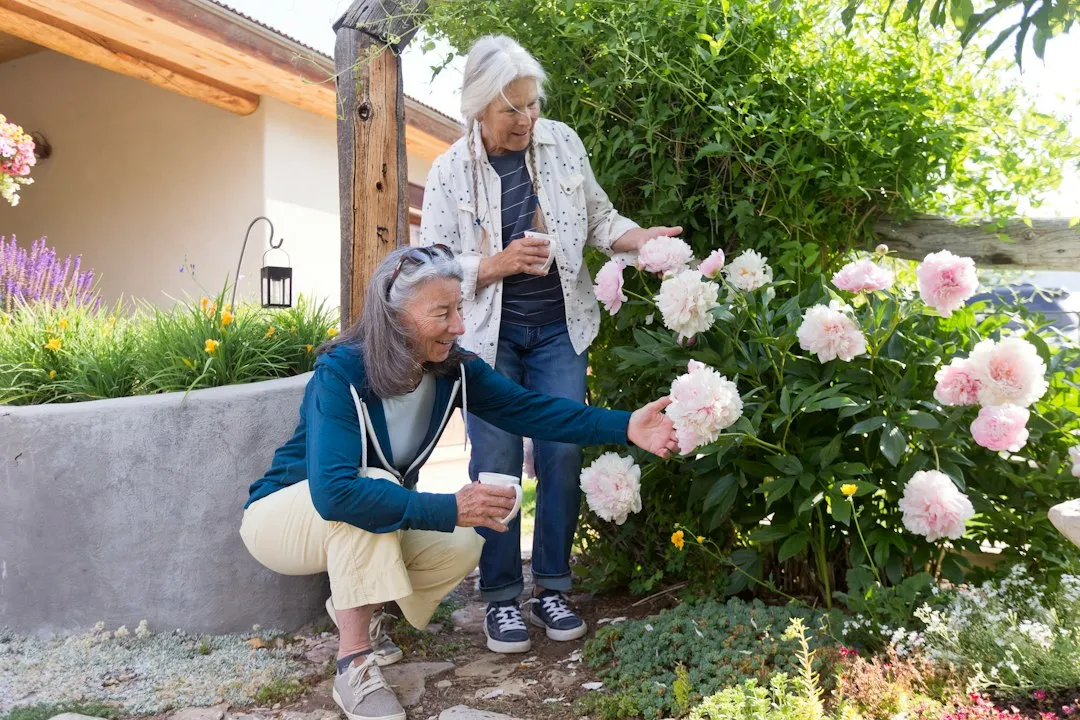
Families frequently interpret the giving-away behavior through the lens of worry, reading it as decline, depression, or a sign that something is wrong. That’s understandable. But the research paints a more nuanced picture.
One large US study found that roughly 30 percent of adults over 70 had not given away, donated, or sold anything significant in the previous year. Research in journals like The Gerontologist shows that creating a “material legacy” in later life helps people feel their story adds up to something.
As we grow older, we want autonomy with our belongings and living spaces. According to the AARP, nearly 90 percent of adults over 65 want to age in place whenever possible, in their current homes and with their own belongings. Giving things away, for many, is an expression of control, not surrender. It’s the act of deciding who gets what while there’s still a chance to decide.
The Takeaway
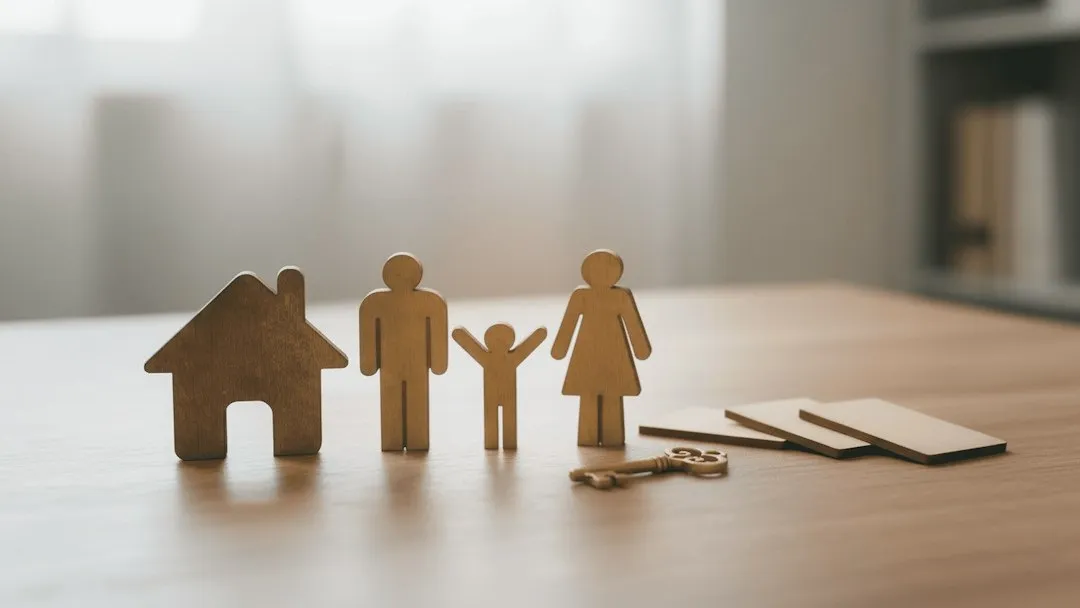
When an older adult hands something meaningful to someone they love, that gesture usually carries more weight than it appears. It’s part psychological resolution, part practical planning, and part something that doesn’t have a clean clinical label. Research is increasingly clear that this behavior, when done thoughtfully, reflects a healthy and deeply human response to aging.
What looks like letting go is often the opposite. It’s a way of holding on, by ensuring that the objects tied to a person’s life find their way to people who will carry that meaning forward. By intentionally placing belongings during their lifetime, older adults get to decide who will inherit their most precious items. It is about legacy, connection, and a deeply human need to remain present in the lives of the people we love, even after we are gone.
Families who understand that tend to show up differently for those conversations, less anxious, more present, and more willing to simply receive what’s being offered.
AI Disclaimer: This article was created with the assistance of AI tools and reviewed by a human editor.