

Most dog owners have noticed it at some point. You leave the house, glance back, and there’s your dog pressed against the glass, watching you go. Or you come home to find them exactly where you left them, eyes fixed on the street outside. It’s one of the most common and quietly fascinating things dogs do, yet it rarely gets much serious attention.
The behavior is not random. It’s not boredom in a simple sense, and it’s certainly not pointless. There’s a layered mix of instinct, neuroscience, emotion, and routine behind what looks like a dog simply gazing at nothing. Here’s what we actually know.
The Window Is a Live Information Feed
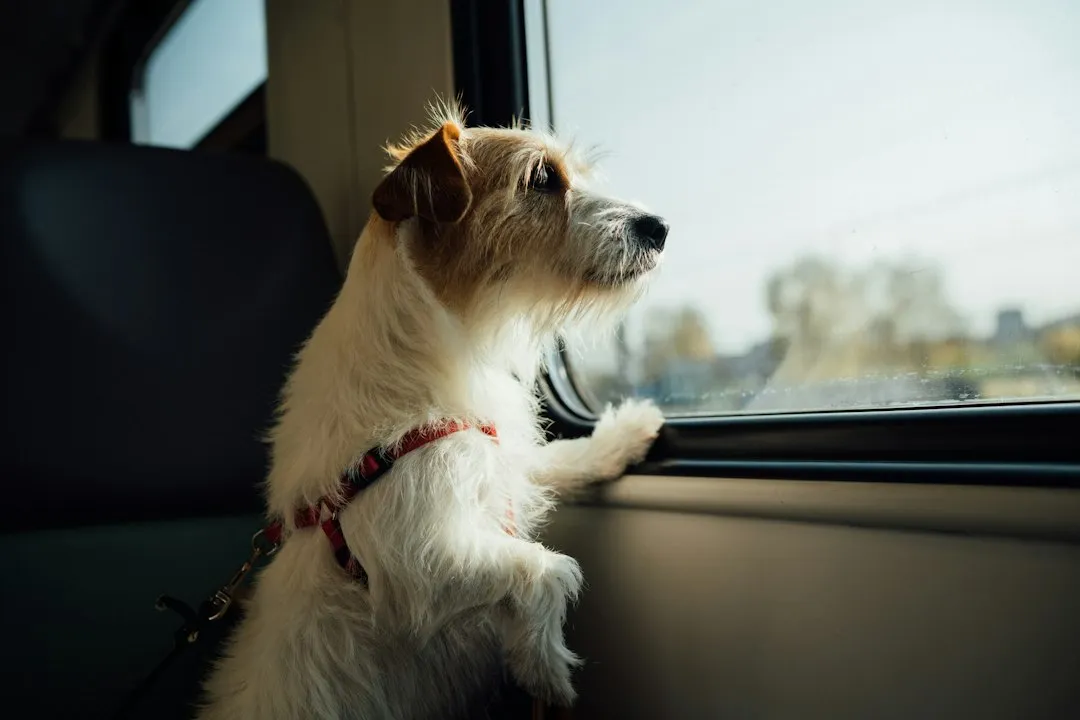
Window watching provides essential mental stimulation and serves as an outlet for dogs’ natural predatory and territorial instincts, while also offering a way to monitor their social group’s daily routines. Think of it less like daydreaming and more like a dog actively processing data. A person carrying groceries, a delivery truck stopping, a bicycle rolling past, or a child running down the sidewalk can all become part of a constantly changing sensory experience.
Some dogs perch by the window because they’re engaging in a kind of daily prediction, piecing together visual cues, sounds, and past experience to map out what’s happening around their home. For a dog, the outside world is not static scenery. It’s a moving puzzle.
It’s Not Just Sight – It’s Multi-Sensory
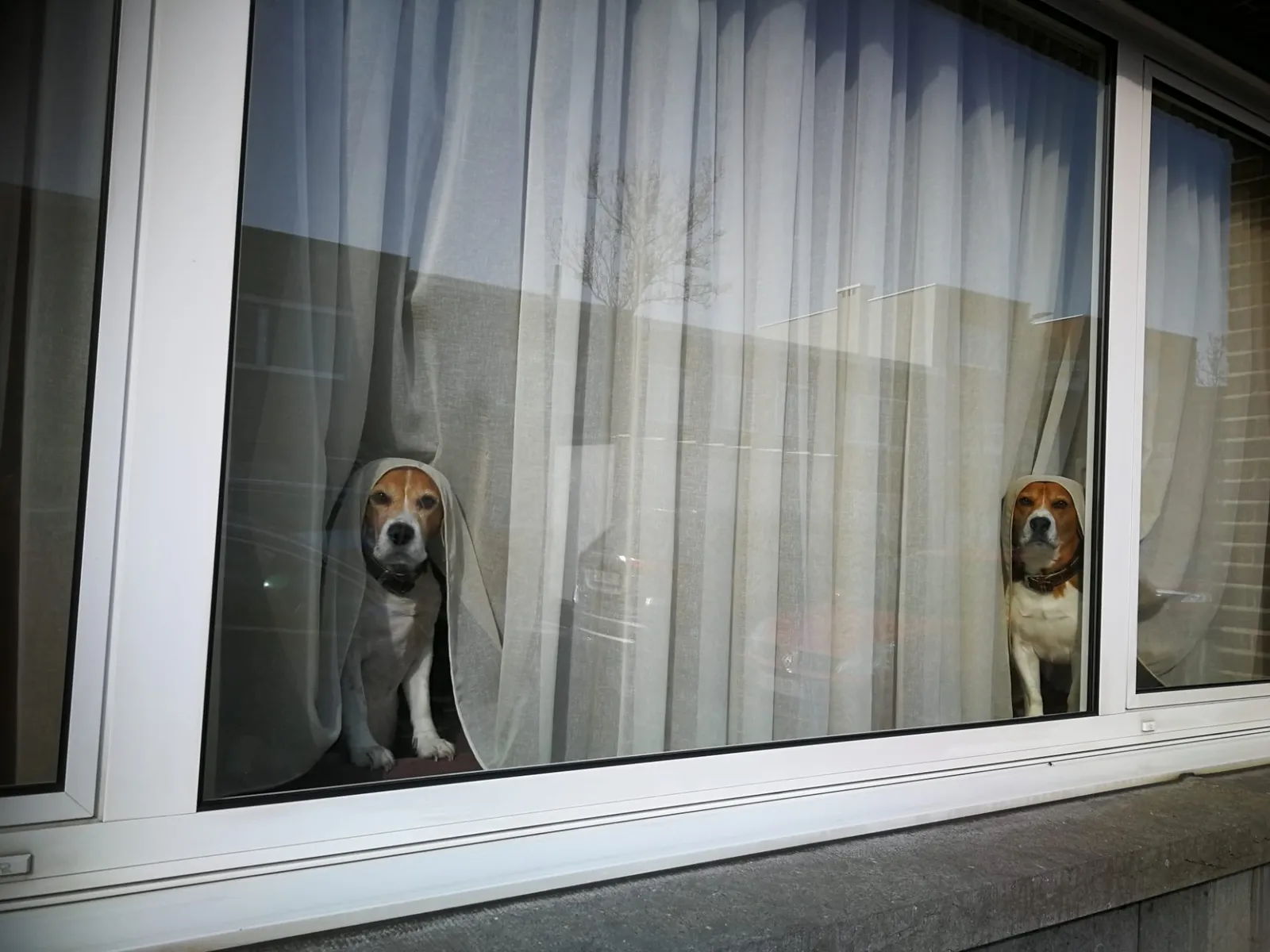
Though the behavior appears visual, it’s actually multi-sensory. Dogs pick up far more information through their environment than humans do from the same view. For dogs, the world outside is a rich tapestry of sights, sounds, and smells. They’re processing so much more than we are. A squirrel scampering, a neighbor walking by, the sound of a distant delivery truck – these are all incredibly engaging events.
When a dog is sitting at the window, all of these senses are integrated in the dog’s brain, making the experience of window-watching a fully immersive event. It’s the kind of engagement that keeps a dog mentally occupied in ways that a quiet, empty house simply cannot provide on its own.
Territorial Instincts Are Still Running Strong

The behavior ties back to evolutionary and protective instincts. When dogs look out the window, they’re not just curious – they’re making sure their pack is safe. This drive goes back thousands of years, long before dogs became house pets. In studies of dog behavior, it’s been shown that dogs respond more intensely to sights and sounds near their home than in unfamiliar areas.
Territorial instincts explain much of window watching. Dogs survey their perceived domain, alert for potential intruders. Even the most laid-back family dog carries a version of this watchfulness. The window just happens to be the most convenient post.
It’s How Dogs Track Your Routine
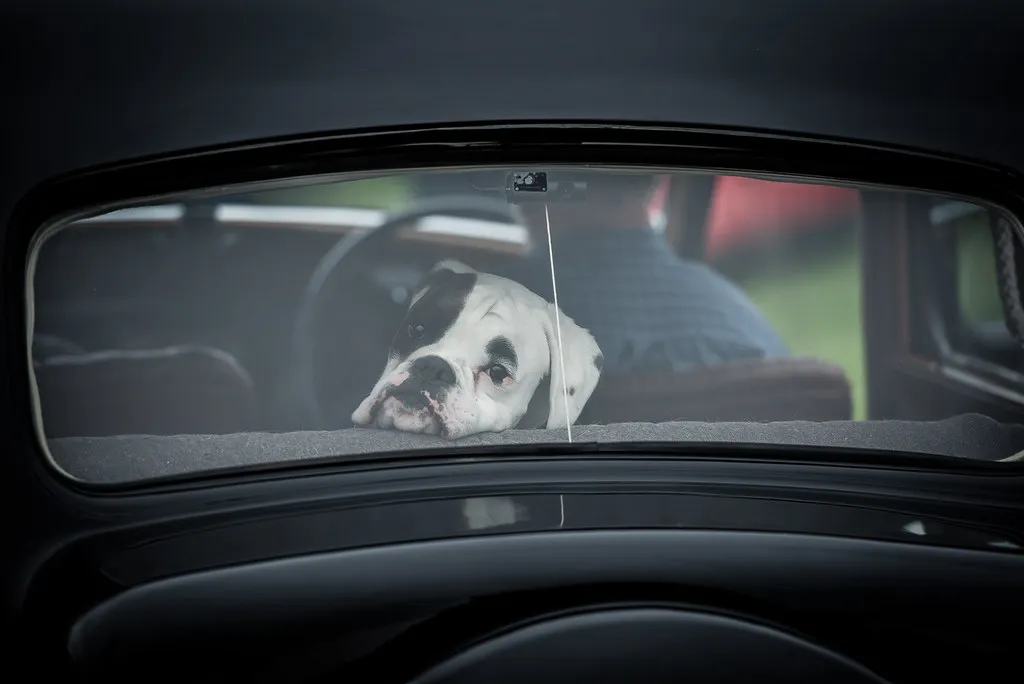
Many dogs will station themselves at the window near the time they know their owners usually return from work, eagerly anticipating their arrival. This is a very sweet and endearing aspect of canine behavior: the way they await the arrival of a loved one. Dogs are remarkably consistent timekeepers, and the window is their watch.
A dog who regularly appears at the window before the mail arrives may have learned the sound and timing of the route. This kind of observation can provide light mental stimulation, particularly for dogs who are home during a quiet part of the day. Over time, these small predictions become habitual rituals that give the dog’s day structure.
Canine Curiosity Is a Real Cognitive Drive

The canine brain, especially in intelligent breeds, thrives on new information. That window view can actually make a dog feel happy and rewarded. This isn’t just anecdotal. The novelty and variability of what happens outside – different people, different weather, unexpected animals – keeps the brain engaged in a way that predictable indoor environments can’t replicate.
Behavioral studies in dogs show that variable stimuli are more effective in sustaining canine interest. The window delivers exactly that: an unpredictable stream of sights and sounds that dogs find genuinely compelling. It’s one of the reasons dogs rarely seem to get bored of this particular activity.
It Serves as a Stress Reliever, Too
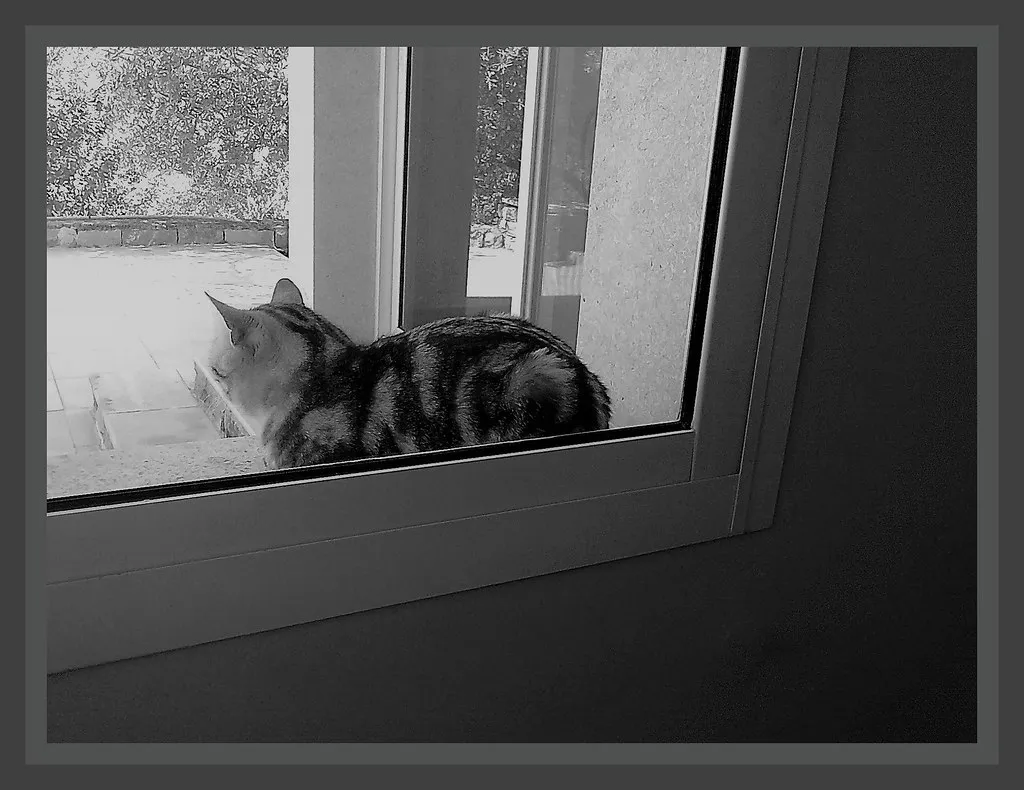
Window-watching can have therapeutic effects on dogs. Calm observation of the outside world gives dogs a sense of connection to an environment they aren’t physically part of at that moment. Looking out the window helps keep their mind active, reduces boredom, and makes them feel more connected to their environment. Just like humans enjoy looking at the scenery to calm their minds, dogs do the same.
Some animal behaviorists even recommend setting up safe window access for dogs with mild separation anxiety, as it gives them something to look forward to during the day. This is a practical insight: when used thoughtfully, the window is a low-cost form of enrichment that genuinely helps dogs cope.
Social Watching – Dogs Are Studying Us
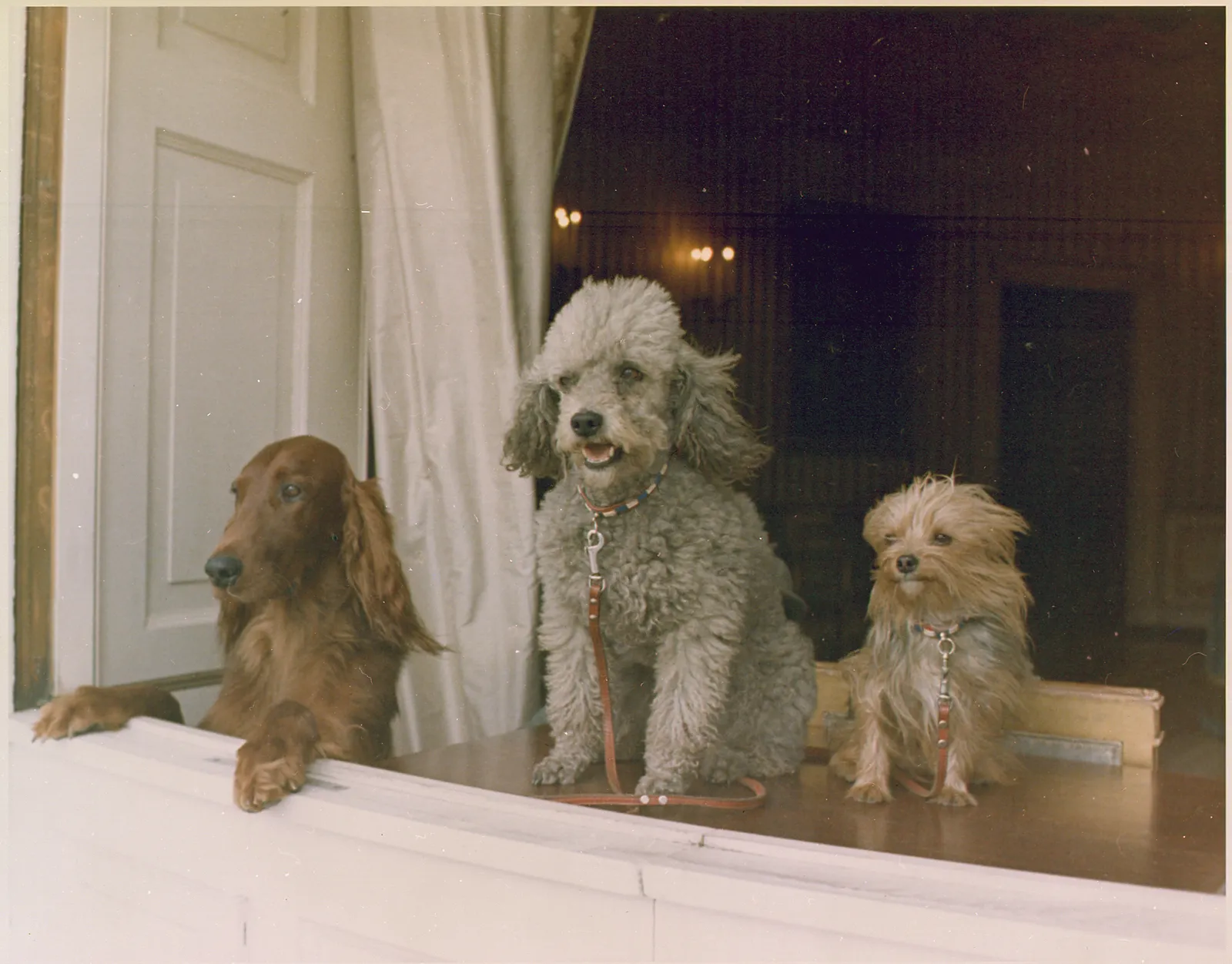
Dogs engage in what scientists call “social referencing.” This means they observe human behavior to better understand the world and their place in it. Watching strangers move through the neighborhood is, in a sense, a form of ongoing learning. Watching other dogs, people, and animals from a window provides valuable input for understanding their environment. Dogs can learn from watching other dogs – and sometimes even humans.
Research published in a 2025 study from Eötvös Loránd University confirms that dogs use gazing behavior to communicate with humans, and differences in this behavior relate to personality, emotional comfort, and breed. Gazing outward at the world is part of the same observational wiring dogs use to read the people around them.
When Window Watching Signals Separation Anxiety

Not all window watching is relaxed and contented. For some dogs, it’s a symptom of something more anxious. Dogs with separation anxiety sit by the window because they’re searching for signs of your return. This is a meaningfully different type of behavior than casual observation. The dog isn’t watching for entertainment. They’re watching out of distress.
Research estimates that between roughly one in six and nearly half of all dogs display behaviors consistent with separation anxiety, with the vast majority showing at least one separation or attachment-related behavior at a moderate to severe level. Reports of dog separation anxiety rose more than 700 percent in two years after COVID-19 lockdowns, though that figure tracks perceived increases in owner reports rather than fresh clinical diagnoses alone. The window, in these cases, is less a pastime and more a coping mechanism.
When It Becomes Barrier Frustration
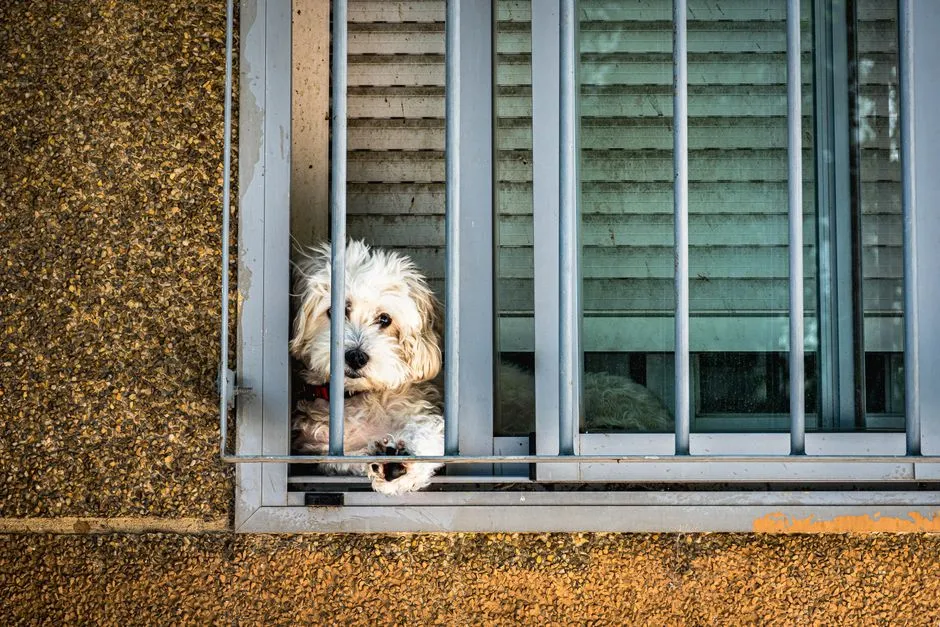
Some dogs develop an unhealthy obsession. If the stimulation becomes too intense, it can lead to “barrier frustration.” Dogs see other animals or people through the glass but cannot interact with them. This can cause them to pace, whine, or bark at the window obsessively.
Repeated barking, lunging, pacing, or an inability to settle can signal stress or barrier frustration rather than healthy enrichment. A window should not become an unsupervised lookout station for a dog who repeatedly rehearses reactive behavior. When window watching tips into this territory, it’s worth consulting a qualified trainer or veterinarian rather than simply ignoring it.
Breed, Personality, and Individual Differences

This behavior is especially common in breeds that were originally bred for hunting or guarding purposes, since those dogs carry a stronger instinct to monitor their environment. Herding breeds, terriers, and working dogs often show the most intense window-watching behavior. That said, even smaller breeds like Chihuahuas can exhibit this behavior.
There is substantial variability in dogs’ gazing behavior, influenced by multiple factors. Personality traits further modulate gazing behavior. Two dogs living in the same home can respond to the same window view in completely different ways, one calm and curious, the other reactive and tense. Understanding your individual dog’s response matters more than making general assumptions about the behavior.
What You Can Actually Do About It
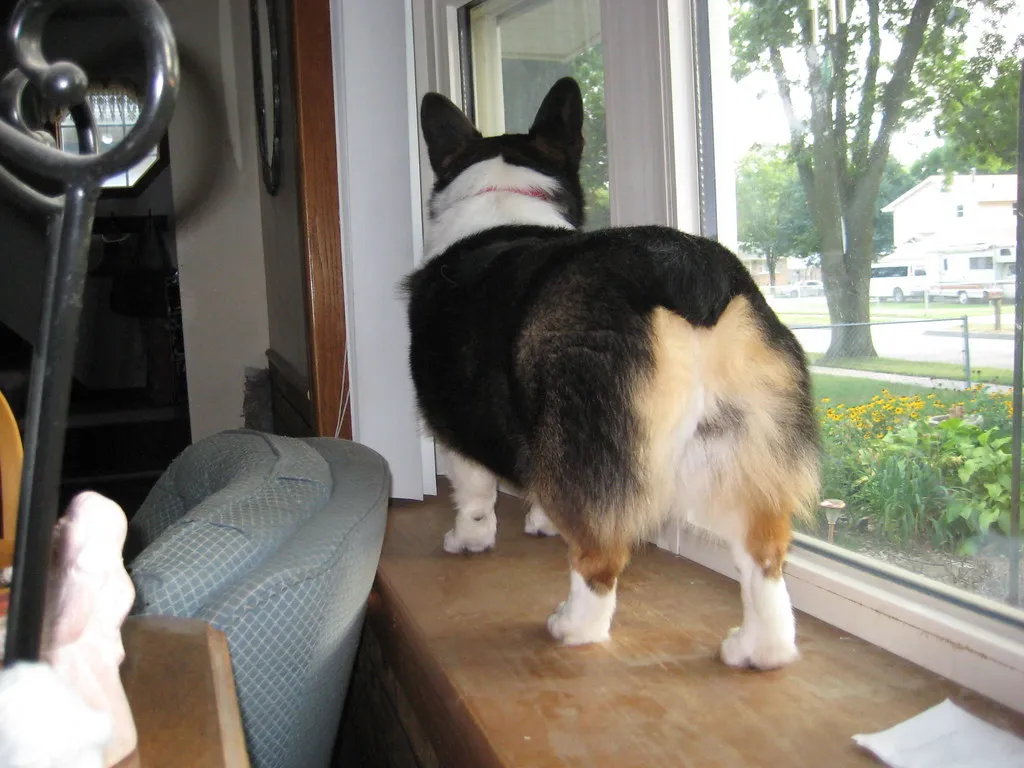
For dogs left alone during the day, the window can serve as an important outlet for mental stimulation that might otherwise be directed toward destructive behavior. So blocking window access entirely isn’t necessarily the right answer. To manage or redirect window watching, provide mental and physical stimulation through toys, walks, and training, while limiting access to windows. Consistent redirection and creating a structured routine can help reduce obsessive behavior and keep your dog balanced.
Watching people out the window can be a perfectly normal way for dogs to satisfy curiosity and follow the activity around their home. The important question is not how long your dog looks outside, but how the experience affects their body and behavior. A relaxed posture, a loose tail, and calm eyes are all signs that the window is doing its job well.
The Takeaway
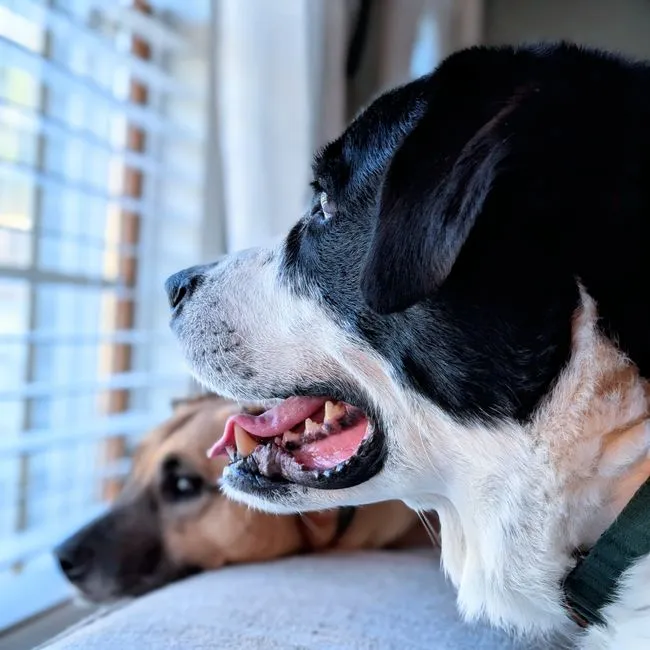
A dog at the window is rarely doing nothing. They’re monitoring, anticipating, learning, and in many cases simply enjoying a form of quiet engagement that suits their nature. Window-watching might seem like a minor or silly behavior, but from a scientific point of view, it’s incredibly rich with meaning. Dogs who look out the window are engaging their senses, fulfilling protective and social instincts, learning from the environment, and even managing stress.
The key is knowing what kind of window watching you’re seeing. Calm curiosity is a gift you can give your dog every day. Anxious vigil is a signal worth taking seriously. The difference usually shows in the dog’s whole body, not just their eyes fixed on the glass.
AI Disclaimer: This article was created with the assistance of AI tools and reviewed by a human editor.