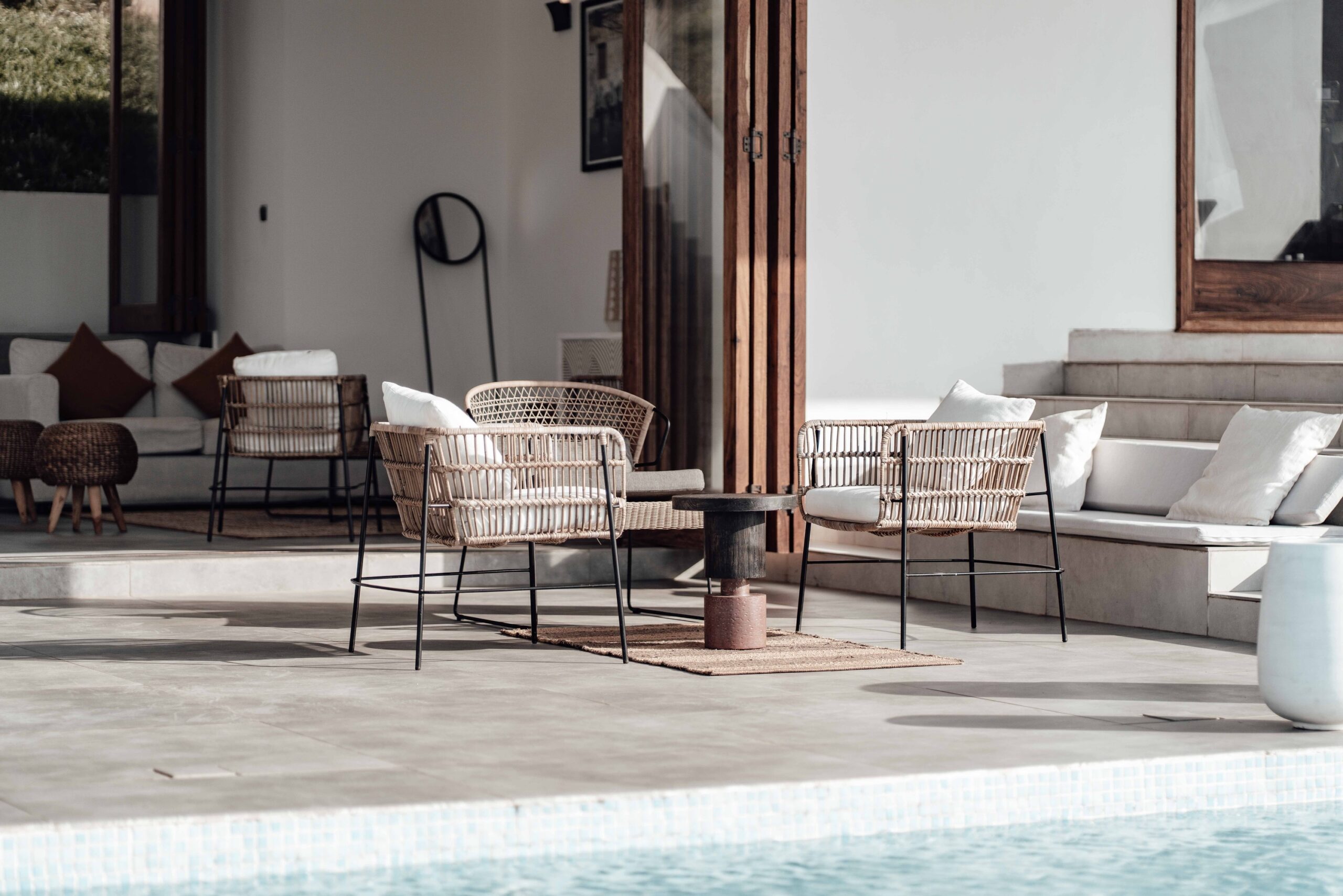

Walk out onto almost any residential patio and within seconds you’ve absorbed a story. The choice of chair, the texture of the table, the color of the cushion – none of it is truly random. Research published in 2024 using the Big Five personality framework found that assessing personality traits can help provide insight into the psychological and behavioral characteristics of consumers when purchasing furniture, allowing for a more comprehensive understanding of market demand. In other words, what ends up on your patio is, at least in part, a projection of who you are.
The outdoor furniture market now reflects this more clearly than ever. The global outdoor furniture market was valued at roughly 51 billion dollars in 2024 and is projected to nearly double by 2035, which tells you something important: people are investing in these spaces with real intention. Whether you gravitate toward sleek aluminum or weathered teak, you’re making a statement that runs deeper than aesthetics.
The Minimalist: Clean Lines, Calm Mind
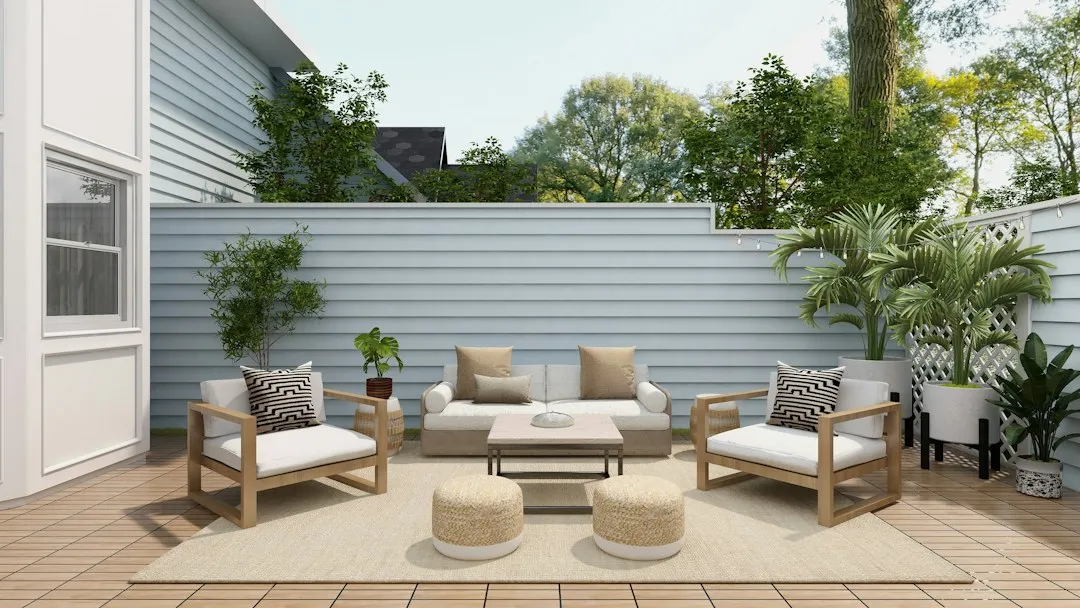
If your patio leans toward concrete, slim metal frames, and a deliberately stripped-back palette, you’re likely someone who finds clarity restorative. Minimalist aesthetics defined by clean lines and a lack of clutter can lead to reduced cognitive load, allowing people to concentrate more effectively and feel less overwhelmed – a positive outcome substantiated by psychological research into how designed environments affect us.
If your patio leans into clean lines, neutral color palettes, and sleek modern furnishings, you likely possess a focused and intentional mindset. Minimalist patio styles typically feature elements like concrete or slate tiles, modular seating, and streamlined planters – choices that mirror a personality that values clarity, order, and efficiency.
There’s also a practical dimension worth noting. Metal held nearly forty percent of the outdoor furniture market share in 2025, partly driven by a growing preference for contemporary, minimalist, and industrial-style furniture, particularly in urban settings.
The Social Host: Sectionals and Open Seating
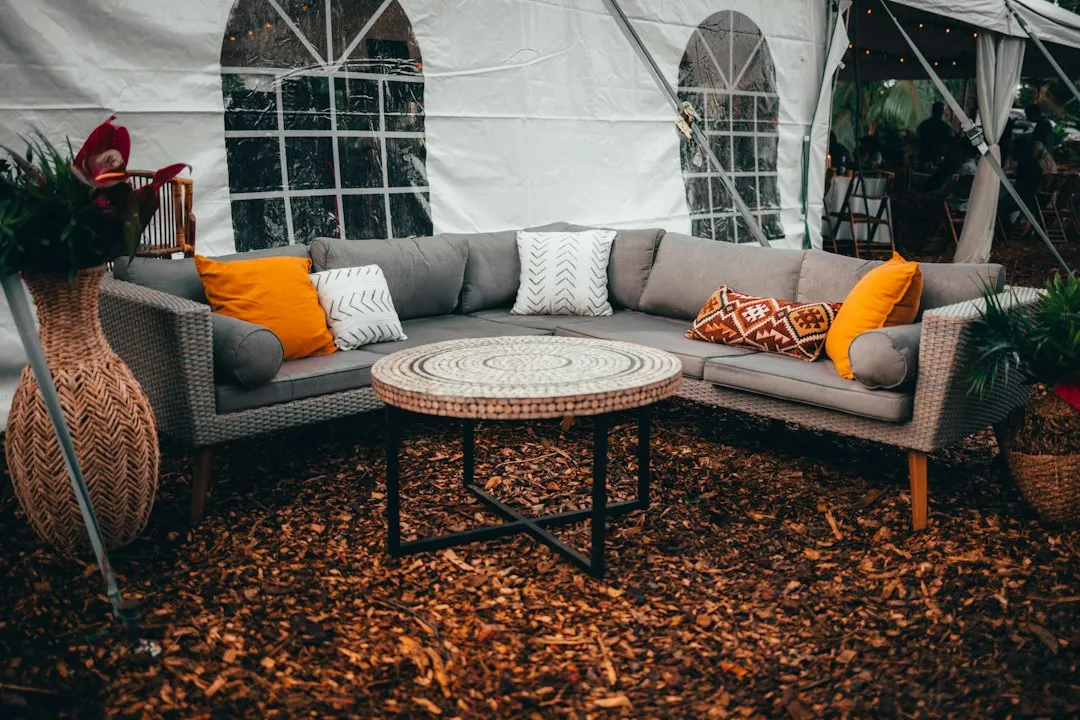
A large sectional sofa or an extended conversation set signals something unmistakable: this patio was built for other people. Extroverts may be drawn to furniture that facilitates social interaction, such as large seating areas or open-concept layouts that encourage gatherings and conversations. The bigger the seating arrangement, the more the owner tends to thrive in group settings.
Chairs accounted for nearly half of the United States outdoor furniture market in 2025. In 2025, roughly six in ten American consumers indicated plans to buy new outdoor furniture, with Millennials showing the highest intent at around three quarters, reinforcing the role of seating and dining pieces in home-based entertaining.
Top wish-list items for outdoor spaces include lounge chairs, lighting, fire features, shade products, dining furniture, accent benches, porch swings, rugs, pillows, and sofas – essentially the full toolkit of someone who wants their outdoor space to function as a stage for connection.
The Nature Lover: Wood, Rattan, and Organic Materials
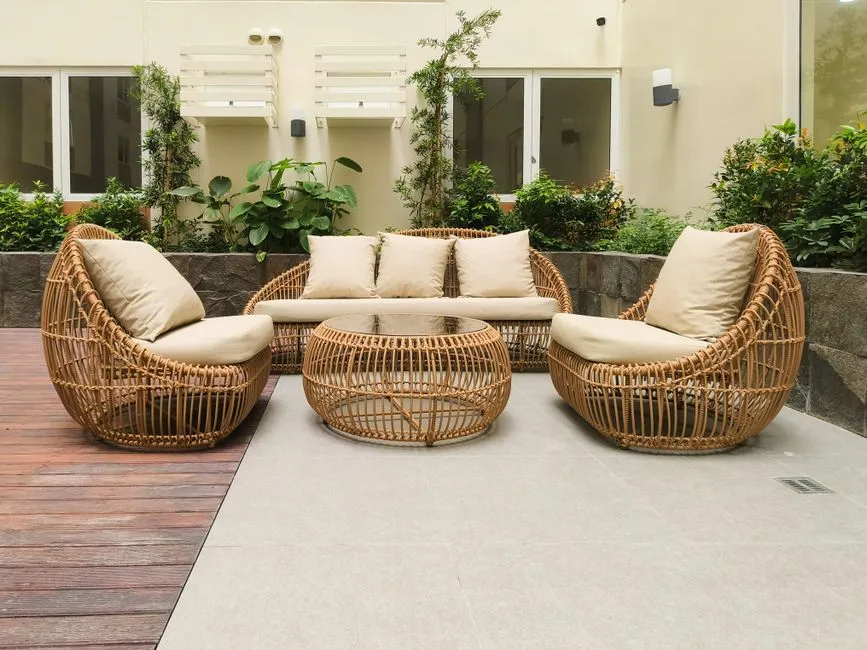
A preference for teak, rattan, or wicker carries its own message. In an effort to create a harmonious connection with the natural environment, homeowners and designers are trending toward outdoor furniture made of natural and organic materials, with popular choices including wicker, rattan, and teak furniture. People drawn to these textures often feel most settled when their surroundings echo something alive.
Natural materials like teak and rattan provide many opportunities for personalizing since they fit very well with contemporary components, and the secret is to create balanced combinations that express personality while preserving visual harmony.
Wood led the United States outdoor furniture market with more than half the material share in 2025, suggesting that this personality type is far from a niche. It represents the quiet majority who want their patio to feel grounded rather than styled.
The Traditionalist: Wrought Iron and Classic Sets
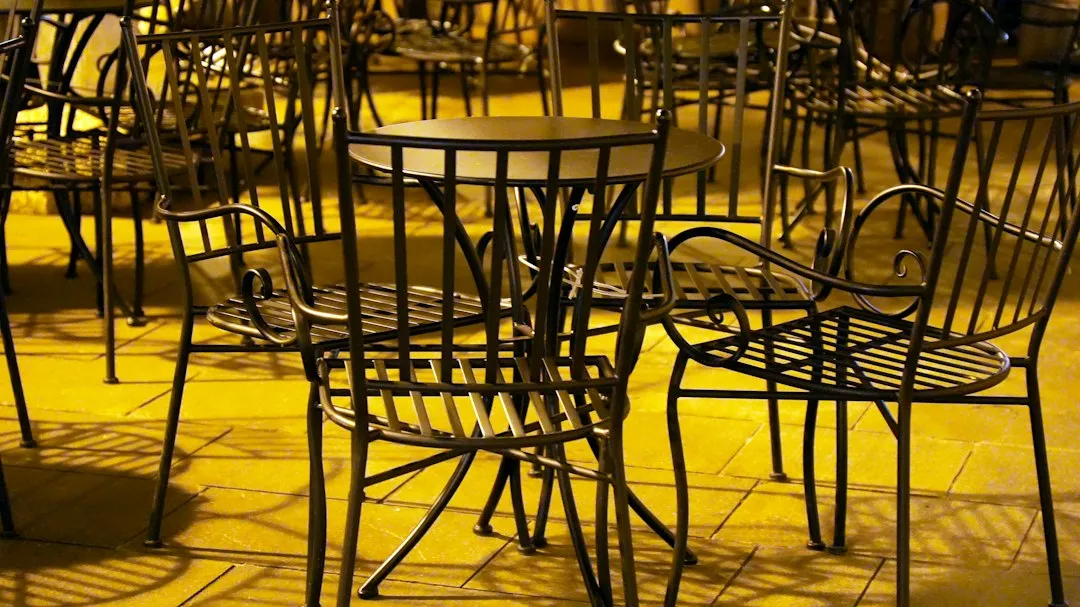
Those who gravitate toward wooden furniture, stone walkways, and timeless iron fixtures likely embody the rustic traditional style, reflecting a grounded personality that cherishes stability, family, and heritage. This is someone who isn’t chasing trends. They’re building something they expect to still be using a decade from now.
Teak furniture is valued for its durability and natural resistance to weather and pests, and because of its price and longevity, it is often regarded as a status symbol. Wrought iron carries a similar energy: heavy, permanent, made to outlast the season. Traditionalists choose materials that reward patience.
According to 2024 research from the International Casual Furnishings Association, roughly two thirds of people prioritize practicality and durability of outdoor furnishings over style, which aligns closely with how traditionalists tend to make decisions across many areas of life, not just furniture.
The Bohemian: Color, Texture, and Global Eclecticism
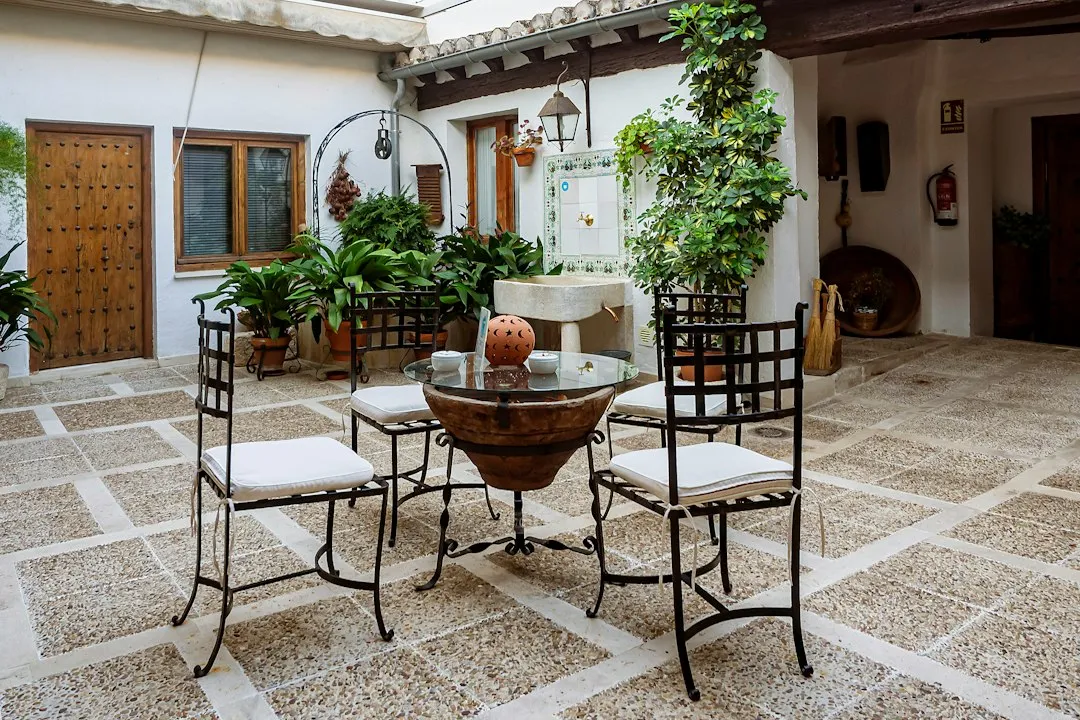
A patio bursting with textures, colors, and an eclectic mix of global influences belongs to the free-spirited bohemian soul. If your patio is adorned with Moroccan rugs, woven lanterns, macrame swings, and lush potted greenery, your personality likely embodies creativity, spontaneity, and a deep connection to beauty and self-expression.
Outdoor spaces have been trending toward bold hues and eye-catching patterns used in cushions, rugs, and furniture frames – this trend is specifically about expressing personality and creating vibrant, cheerful outdoor spaces.
No longer simply functional, outdoor furniture is becoming an opportunity for personal expression, with uniquely designed pieces acting as focal points that add character and visual interest, encouraging homeowners to embrace their individuality by blending different colors and styles.
The Comfort Seeker: Loungers, Daybeds, and Deep Cushions
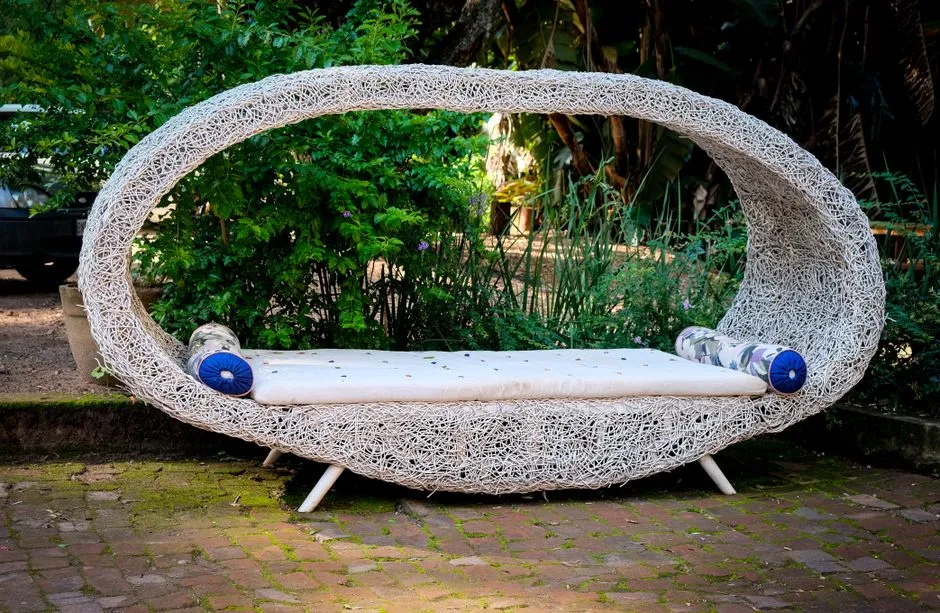
Some people don’t want their patio to do much of anything except help them slow down. Loungers and chaise seating represent the fastest-growing product category, reflecting wellness trends and consumer investment in relaxation-focused outdoor spaces. The person who anchors their patio with a wide chaise and a generous ottoman is someone who takes rest seriously – almost as seriously as work.
Lounge seating gained popularity through 2024, boosting demand for comfort-focused designs with quick-dry cushions and weather-resistant upholstery, while loungers and daybeds grew at nearly a ten percent annual rate, reflecting consumer preferences for relaxation and seamless indoor-outdoor transitions.
A study published in Psychological Science found that people are naturally drawn to rounded furniture over sharp-angled pieces, associating curves with warmth and comfort – plush, organic shapes encourage relaxation and social bonding. Comfort seekers often select pieces instinctively, guided more by feel than by visual appeal.
The Pragmatist: Modular and Multifunctional Furniture
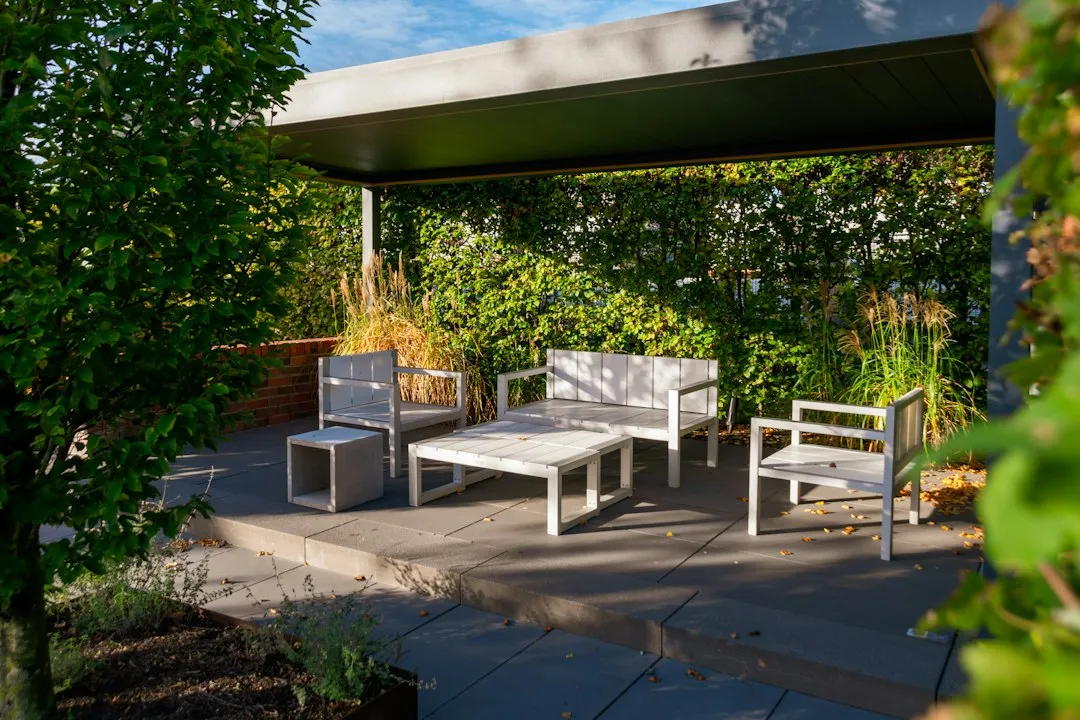
Modular patio furniture attracts a very particular type of thinker – someone who wants options, dislikes waste, and prefers systems to fixed arrangements. Flexibility reigns supreme in 2025 patio furniture trends, with modular pieces that can be rearranged and reconfigured for any occasion, making them perfect for modern lifestyles.
North American consumers demonstrate strong preferences for multifunctional outdoor furniture combining seating, storage, and entertainment capabilities that maximize utility in space-constrained suburban properties. This person often approaches their entire home – and their calendar – with the same efficiency mindset.
Convertible furniture such as storage benches, foldable tables, and modular seating sets cater to urban dwellers and small outdoor spaces, and those drawn to these designs tend to view their patio as a problem to be solved elegantly rather than a room to be decorated.
The Bold Entertainer: Fire Pits, Outdoor Kitchens, and Statement Pieces

A fire pit at the center of a seating circle. A built-in outdoor kitchen. Statement furniture with strong visual presence. Those who favor an urban rooftop patio with sleek outdoor kitchens, glass railings, and ambient lighting likely have a bold and forward-thinking personality. This setup is designed to impress, and there’s nothing wrong with that.
Preferences in the South and West of the United States emphasize covered outdoor rooms, fire features, and outdoor kitchens, which support demand for both weather-resistant materials and comfort-focused upholstery – the full entertainment package. Around eighty percent of consumers surveyed had clear wish lists led by lounge chairs, lighting, fire pits, shading products, dining sets, and decorative accessories, indicating strong consumer demand for diversified functionality in outdoor spaces.
For the first time in 2024, outdoor art made it onto the list of planned purchases, suggesting that bold entertainers are increasingly thinking of their patios as fully curated spaces, not just functional ones.
The Anxious Nester: Enclosed, Sheltered, and Tucked Away
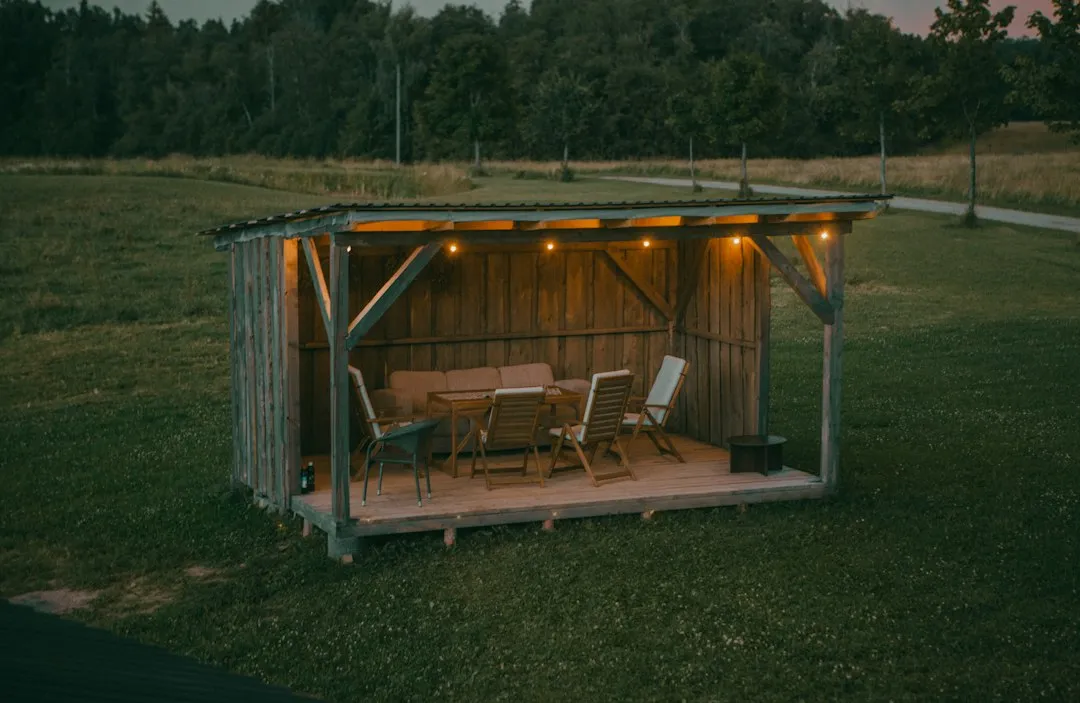
Not every patio is built outward. Some are built inward. Heavily screened porches, canopied corners, furniture arranged to face away from open sightlines – these choices often belong to someone who values security over spectacle. Individuals with higher levels of neuroticism may gravitate towards furniture that provides a sense of security and stability, such as sturdy, grounded pieces or cozy, enveloping designs.
A neutral color palette with simple shapes can create a calming atmosphere, and that’s precisely what the anxious nester tends to build, whether consciously or not. The goal is a retreat, not a showcase.
Warm hues like terracotta and deep blues can create a grounding, restorative atmosphere, and these are exactly the tones you’ll find layered across the cushions and throw blankets of someone who uses their outdoor space primarily to decompress, not to perform.
The Undecided Majority: The Gap Between Aspiration and Reality
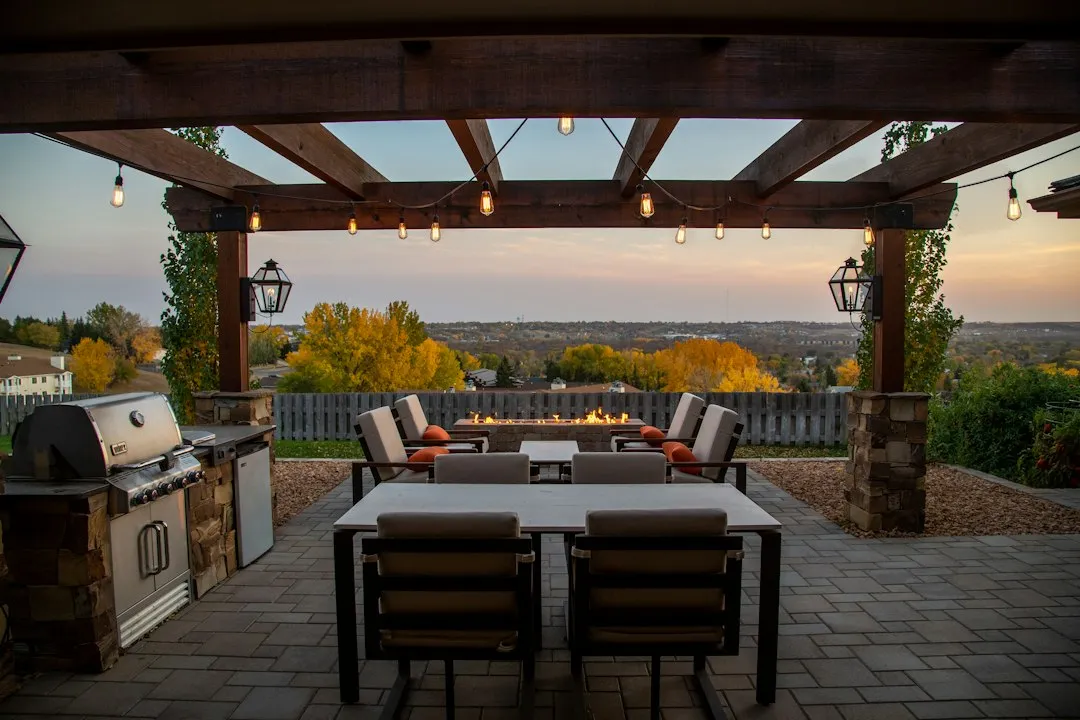
Perhaps the most revealing personality category isn’t a style at all – it’s absence. Only about one in five consumers are using their outdoor living spaces as much as they want, and nearly all say they need design upgrades. That’s a significant gap between what people imagine for their outdoor life and what they’ve actually built.
Barriers to improving outdoor spaces include upkeep and maintenance of furniture, cited by roughly four in ten people, and uncertainty about design choices, cited by about a third. Paralysis by indecision is a personality trait too, and it shows up in patios that are either empty or filled with mismatched pieces bought years apart.
A 2025 North American consumer survey revealed that the vast majority of respondents spend less time using their outdoor living spaces than they desire – this figure does not simply reflect weak demand, but a substantial gap between the functionality and comfort of current outdoor setups and consumer expectations. For this group, the patio is a mirror reflecting not what they are, but what they’re still working toward.
The Takeaway
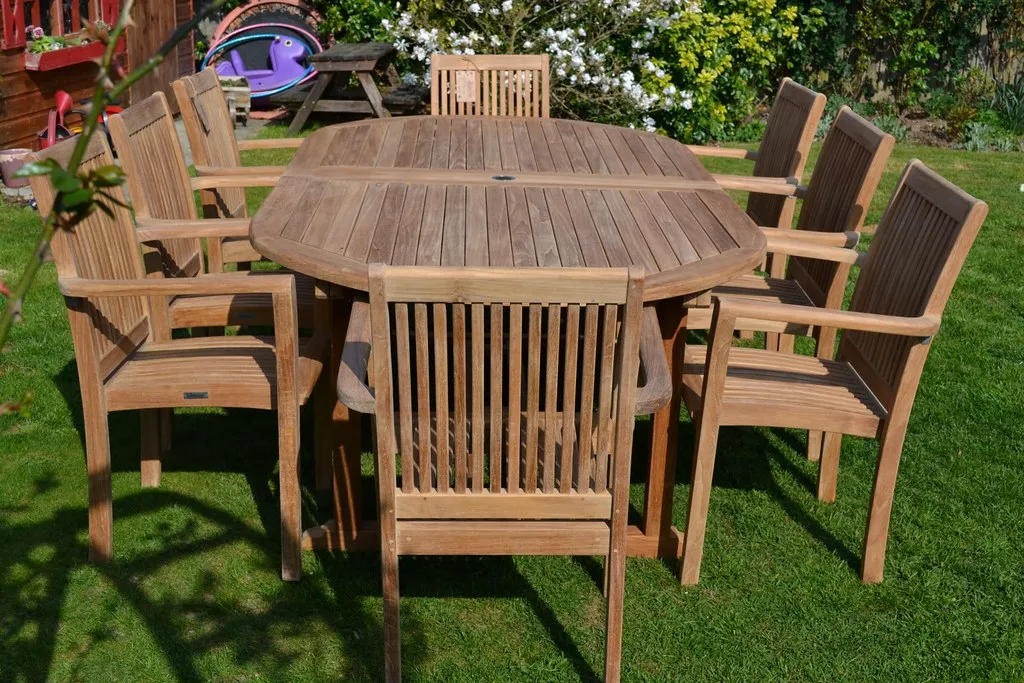
Your patio furniture rarely tells the whole story, but it does tell a true one. The shapes you choose signal how your mind organizes space. The materials hint at your relationship with permanence and nature. Furniture isn’t just seen – it’s felt, and the psychology of furniture is an invisible force shaping our moods and interactions the moment we enter a space.
Beyond spatial geometry, personality traits have been linked to material preferences, with certain traits predicting consumer preferences for specific types of furniture. This connection between self and setting runs surprisingly deep, confirmed by researchers and observable in real backyards every day.
The honest takeaway is this: most people haven’t fully finished their patio yet, and that’s fine. What you choose next – and what you keep putting off – might be the most revealing detail of all.
AI Disclaimer: This article was created with the assistance of AI tools and reviewed by a human editor.