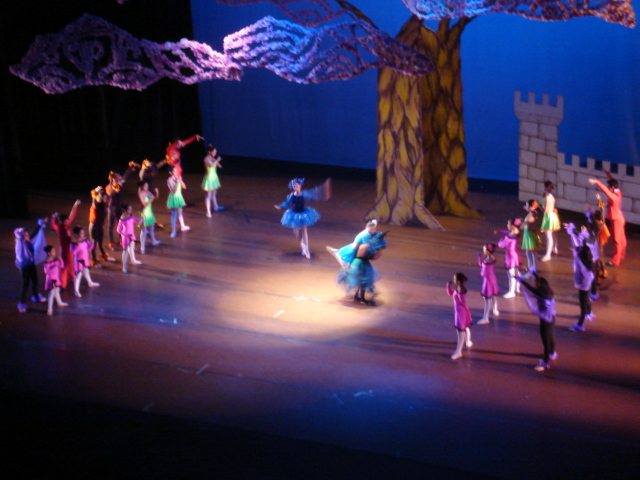

Most people know the feeling all too well: you spin around a few times as a kid, stop suddenly, and the world keeps turning without you. It’s disorienting, sometimes nauseating, and always temporary. Yet a professional ballet dancer can whip through a series of fast pirouettes on stage and walk off as if nothing happened.
The gap between these two experiences isn’t just about practice or willpower. It comes down to some genuinely fascinating differences in how the brain, inner ear, and visual system work together – and how years of repetition can fundamentally reshape the way a nervous system processes motion.
The Inner Ear: Where Dizziness Actually Begins
When we spin in circles, we feel dizzy and lightheaded because of the vestibular system’s nerve reactions to these unusual motions. Rolling or spinning causes dizziness because hair-like sensory nerve cells in our ears send conflicting messages to our brain.
The vestibular system senses motion through three semicircular canals that are set at right angles to one another. This arrangement allows us to detect rotation in every direction. It’s a remarkably precise system built for ordinary movement, not playground spinning.
Fluid in Motion: The Role of Endolymph
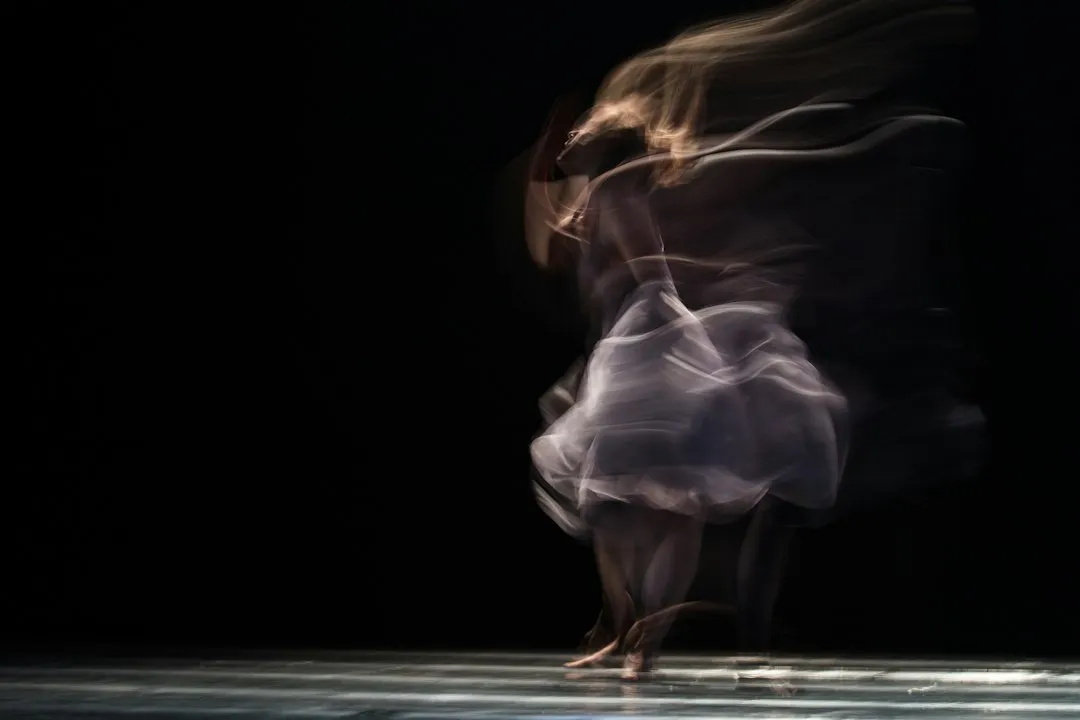
Spinning causes the fluid, called endolymph, in your inner ear to move, signaling your brain that you’re spinning. When you stop, the fluid continues moving briefly, making your brain think you’re still spinning, which causes dizziness.
The endolymph slowly begins to move in the same direction you are spinning, and over time it catches up to the rate of speed and no longer stimulates the hair-like nerve cells. The problem is what happens the moment you stop. The fluid doesn’t get that memo right away.
Why Stopping Is the Real Culprit

When we stop spinning, the endolymph continues to move and stimulates hair cells in the opposite direction. These hair cells send incorrect messages to the brain, making it think that the head is still spinning even though it has actually stopped.
That is why you feel dizzy: your brain is getting two different messages and is confused about the position of your head. Your eyes and your body say stillness, but your inner ear insists on movement. The mismatch is the entire problem.
The Brain’s Confusion: A Sensory Mismatch
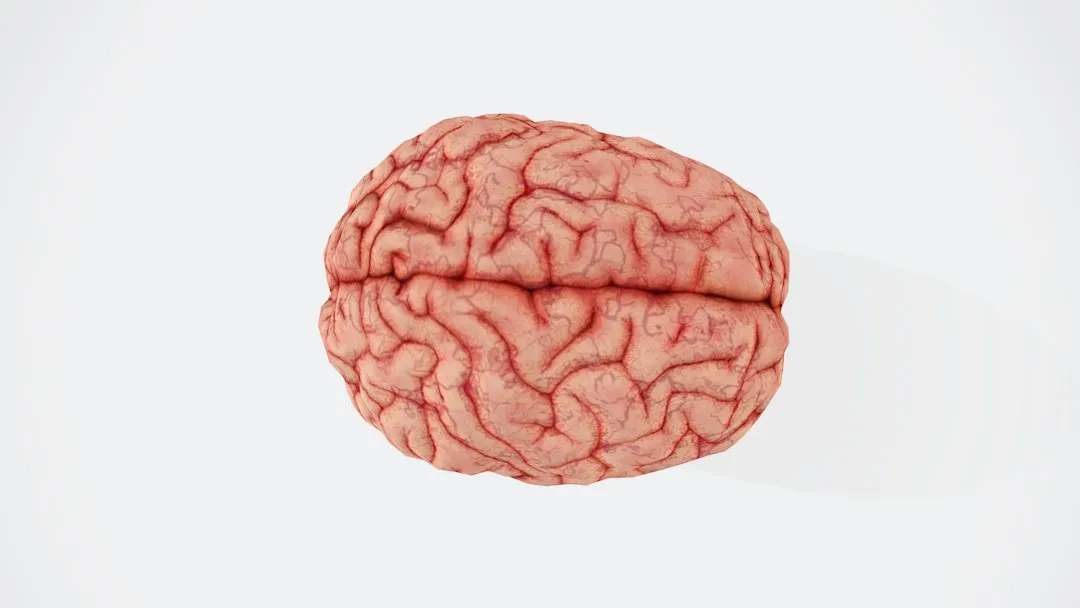
When you become dizzy, a part of your body that senses motion has sent the wrong signal to your brain. The brain is essentially a prediction machine, and it struggles when input from the inner ear, the eyes, and the body’s positional sensors all disagree at once.
The brain determines that the head is still spinning even though you have stopped. This is where the dizzy feeling comes from. Eventually, the endolymph stops moving, no signals are sent to the brain, and you no longer feel dizzy. The whole episode, though it feels dramatic in the moment, usually passes within seconds.
What Brain Scans Revealed About Ballet Dancers

Scientists have discovered differences in the brain structure of ballet dancers that may help them avoid feeling dizzy when they perform pirouettes. The research suggests that years of training can enable dancers to suppress signals from the balance organs in the inner ear.
Researchers at Imperial College London discovered differences in ballet dancers’ brain structure that help them suppress the dizzy feeling. Their study could lead to new therapies to help the roughly one in four people who suffer from chronic dizziness. Published in the journal Cerebral Cortex, this research offered what many neuroscientists had long suspected: the trained brain is a structurally different brain.
A Smaller Cerebellum Region That Makes a Big Difference
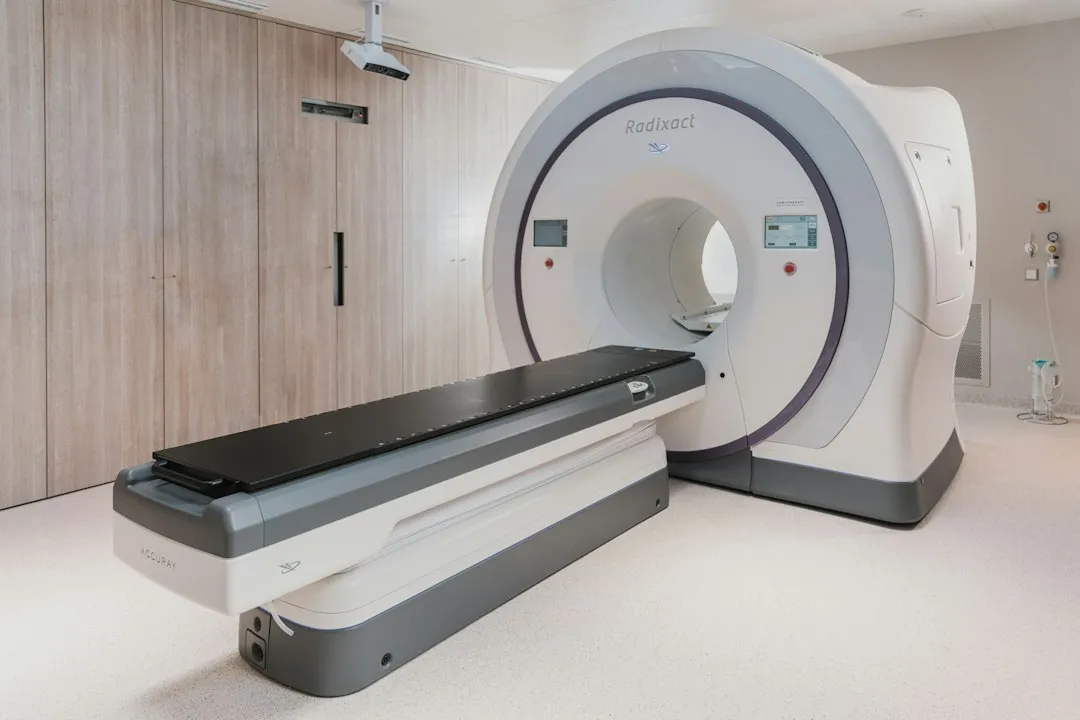
MRI scans of the brains of ballet dancers demonstrated that the signal processing area in the cerebellum is significantly smaller in dancers’ brains than in brains of the general population, suggesting that dancers have come to rely less on information from their vestibular organs.
The study also found that fewer signals were being sent to the cerebral cortex, a region of the brain responsible for the perception of dizziness. Less signal in, less dizziness out. It is a simple equation with a surprisingly complex biological mechanism behind it.
Spotting: The Conscious Tool Against Dizziness
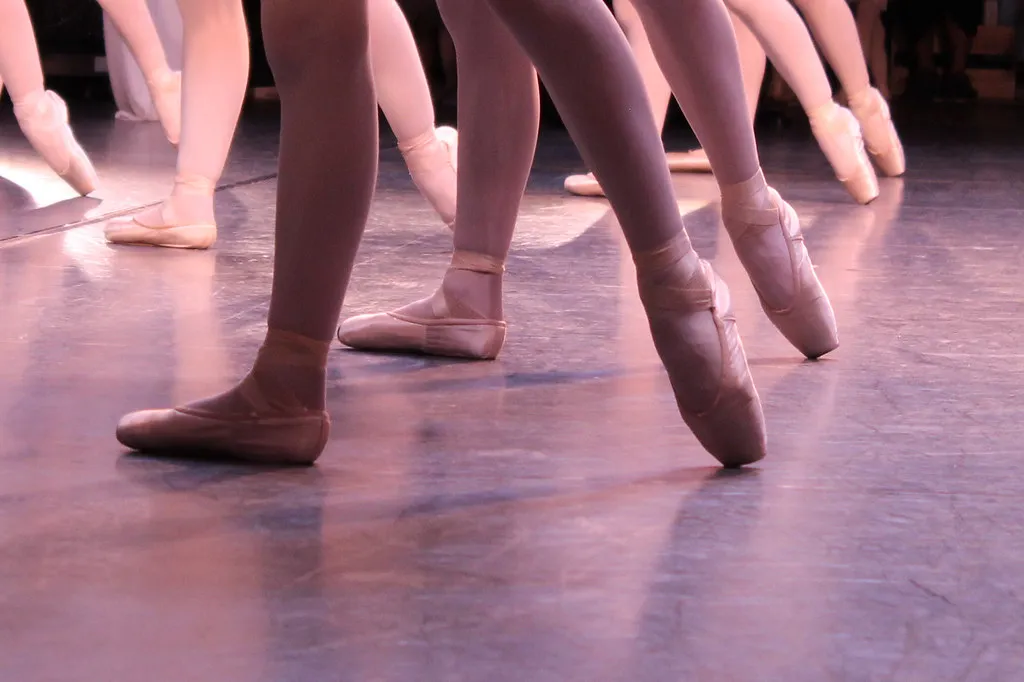
The goal of spotting is to attain a constant orientation of the dancer’s head and eyes, to the extent possible, in order to enhance the dancer’s control and prevent dizziness. It is one of the first technical skills taught in ballet training, long before multiple pirouettes are attempted.
As a dancer turns, spotting is performed by rotating the body and head at different rates. While the body rotates smoothly at a relatively constant speed, the head periodically rotates much faster and then stops, so as to fix the dancer’s gaze on a single location. This rapid head-snap keeps the visual system anchored, reducing the brain’s confusion about where the body actually is in space.
This technique reduces sensory confusion in the inner ear, where the vestibular system tracks motion and balance. By giving the brain a stable visual reference, spotting helps the dancer stay oriented and also adds sharpness and confidence to turns.
How Repetition Rewires the Brain: Neuroplasticity at Work
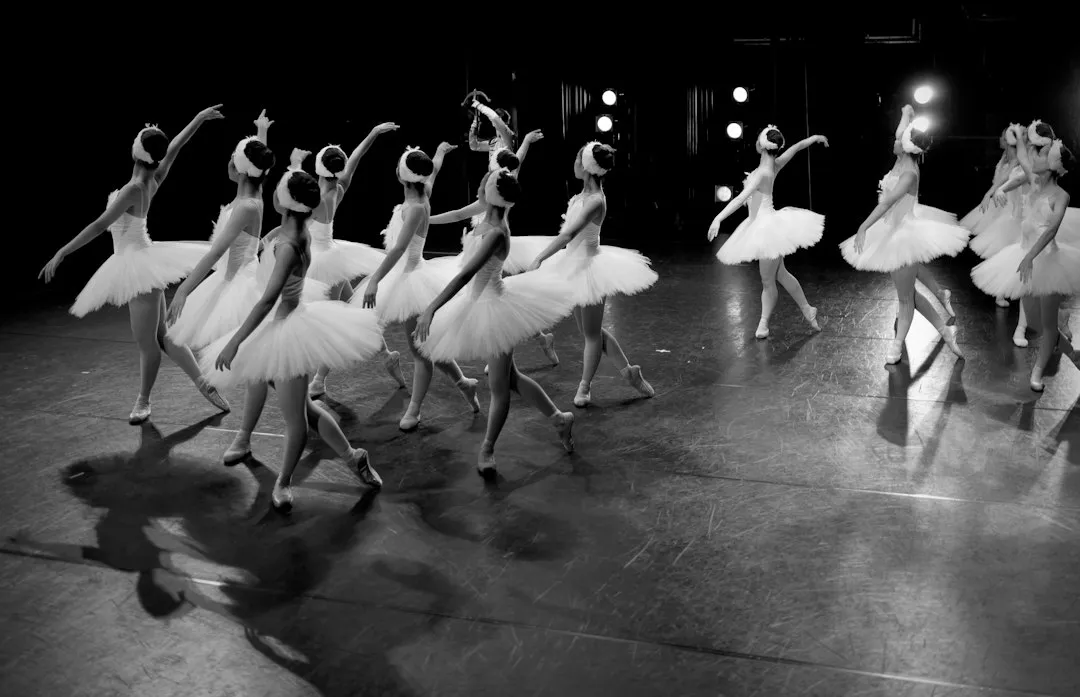
One of the most remarkable findings from research on dancers is how their brains adapt to constant spinning, essentially rewiring themselves to reduce the sensation of dizziness in a process known as neuroplasticity.
In the Imperial College London study published in the journal Cerebral Cortex, the team recruited 29 female ballet dancers and 20 female rowers of similar age and fitness levels. Dancers’ perception of spinning lasted a shorter time than rowers’, and the more experienced the dancers, the greater the effect. Experience, not just genetics, was the determining factor.
The main purpose of spotting during early training is to help the brain experience a rotation without dizziness, and thus start a neuroplastic change that eventually leads to shrinking of the rotation-perceiving area in the brain. In other words, the technique creates the very brain change that eventually makes it less necessary.
Spotting’s Actual Measured Effect on Dizziness
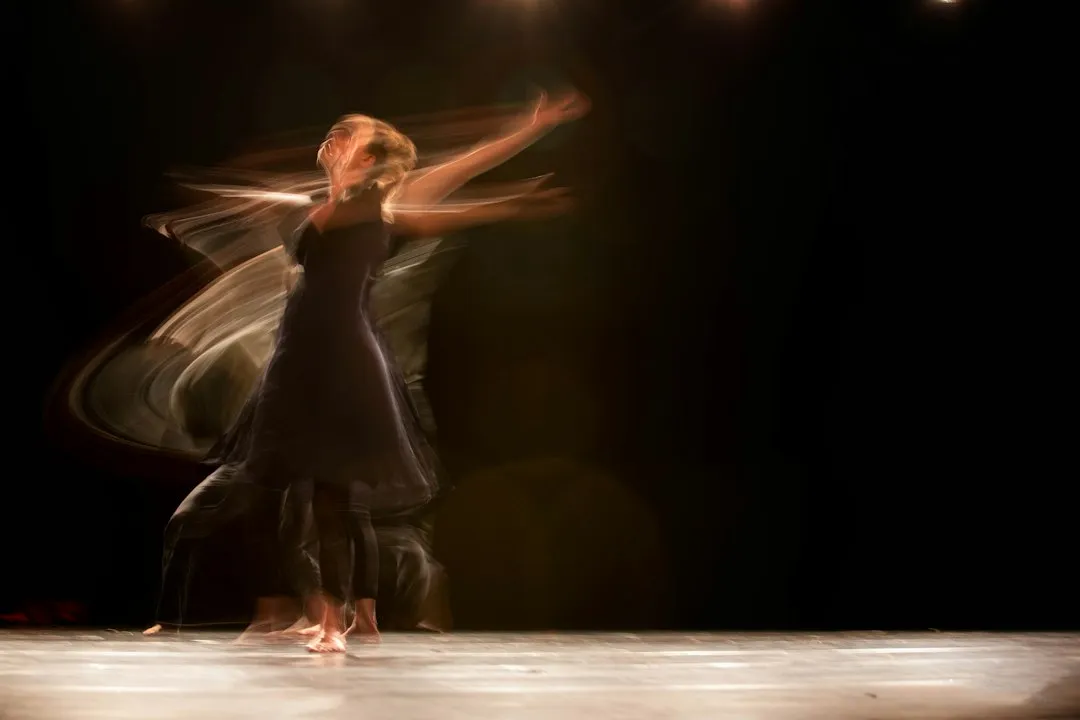
Spotting is a technique that involves focusing on a fixed point while rotating and quickly realigning the head and eyes with the body. It is commonly practiced in ballet, jazz, and other dance styles and is associated with reduced dizziness during high-velocity turns. In a study of 34 dancers, dizziness perception was significantly lower when spotting was used compared to when it was not.
Interestingly, the dancers’ superior response to turning was present even without spotting. This confirms that while spotting is a useful tool, the deeper structural adaptation in the brain operates independently. It runs in the background whether the dancer consciously spots or not.
What This Means for Treating Chronic Dizziness
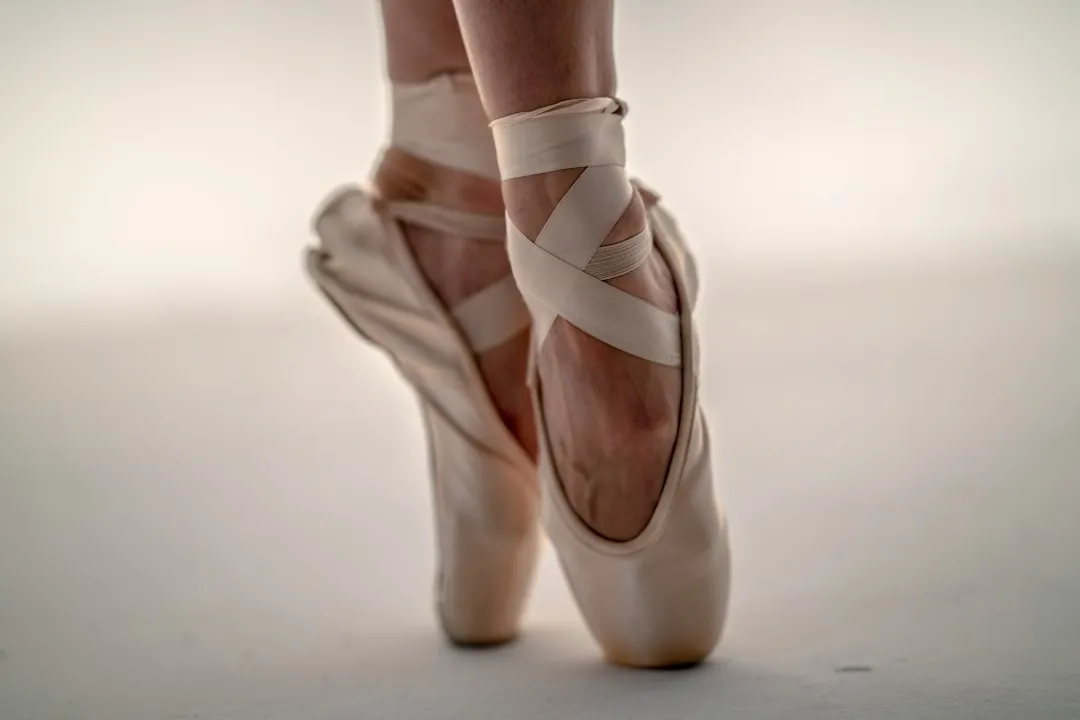
The findings, published in the journal Cerebral Cortex, could help to improve treatment for patients with chronic dizziness. Around one in four people experience this condition at some time in their lives. That is a substantial portion of the population, and current treatments remain limited for many of them.
The researchers concluded that understanding the brain mechanisms that underlie vestibular adaptation is very important for the treatment of patients with chronic disorders of vestibular organs. If the brain can learn to suppress dizziness through movement training, there may be therapeutic pathways that harness the same mechanism in controlled clinical settings.
This research demonstrates the remarkable ability of the brain to adapt to the needs of its bearer, and could be essential in treating patients suffering from chronic dizziness. The ballet studio, it turns out, may hold clues for the neurology clinic.
The Bigger Picture: What Ballet Tells Us About the Brain
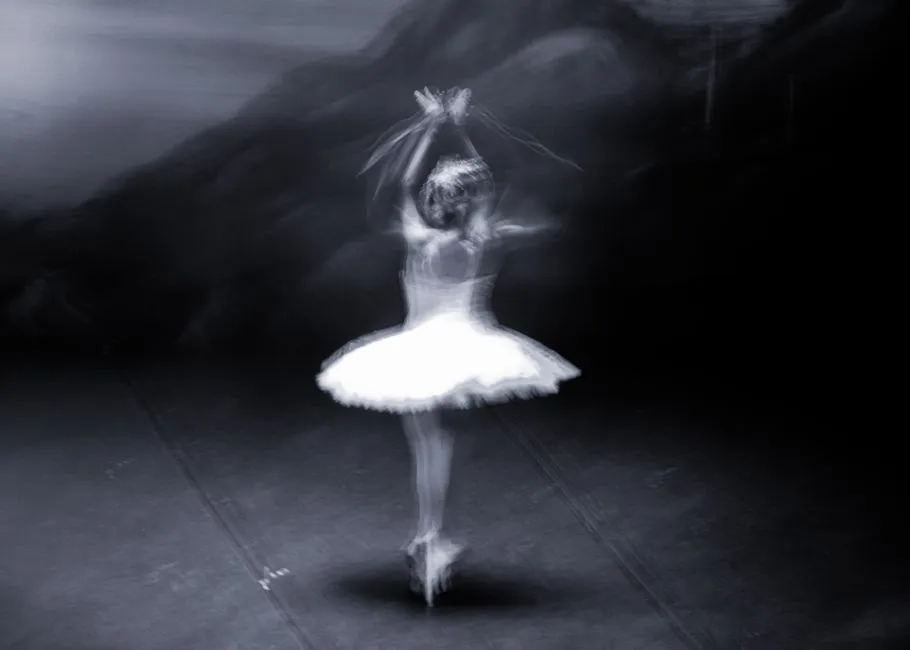
The dizziness gap between a ballet dancer and an ordinary person isn’t a mystery anymore. It’s a well-documented example of the brain remodeling itself in response to sustained, specific demands. The vestibular system is not fixed; it is trainable.
Ballet dancers can perform multiple pirouettes with little or no feeling of dizziness, a feat that long puzzled researchers. Scientists wondered whether the same principles could be used to help patients who suffer from balance disorders. The answer increasingly appears to be yes, though practical therapies based on this insight are still developing.
What this story ultimately reveals is that the human brain is far more adaptable than it often gets credit for. The sensation of dizziness feels fixed, biological, unavoidable. For most of us, it is. For dancers who have spent years training their cerebellum to quiet down its own alarm signals, it simply isn’t anymore. That distinction is worth sitting with.
AI Disclaimer: This article was created with the assistance of AI tools and reviewed by a human editor.