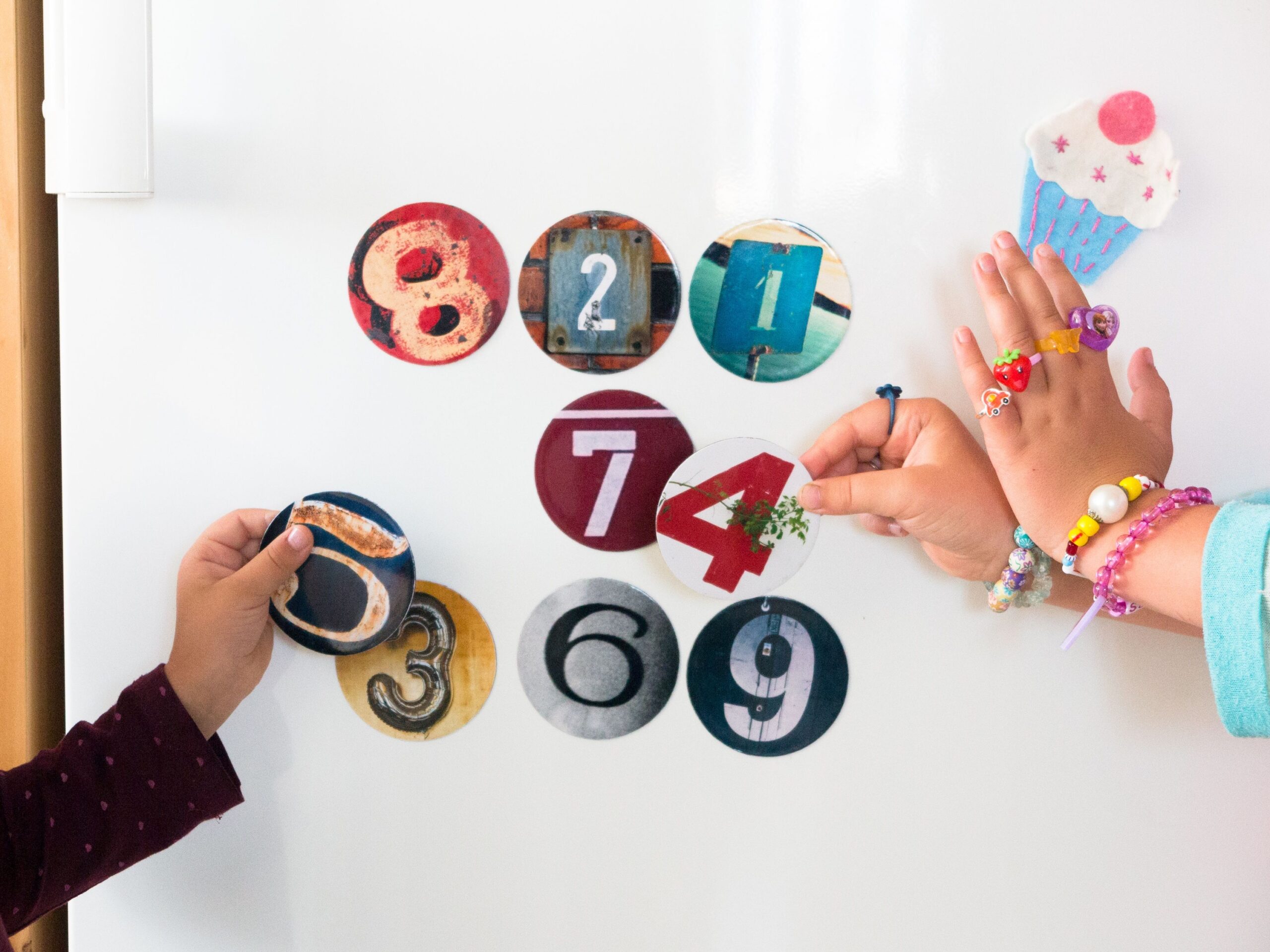

The Bare, Spotless Door: Minimalism or Something More?
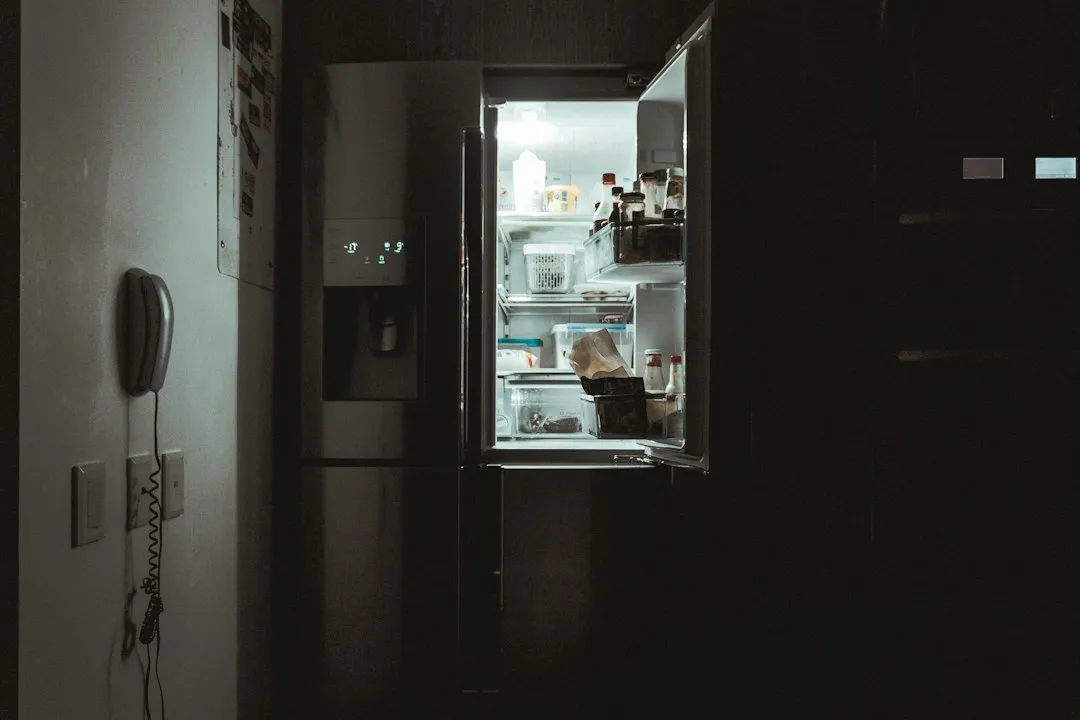
The fridge door functions as a kind of emotional vision board. Magnets, photos, appointment reminders – it all says something. A bare fridge door can signal minimalism, privacy, or even emotional withdrawal.
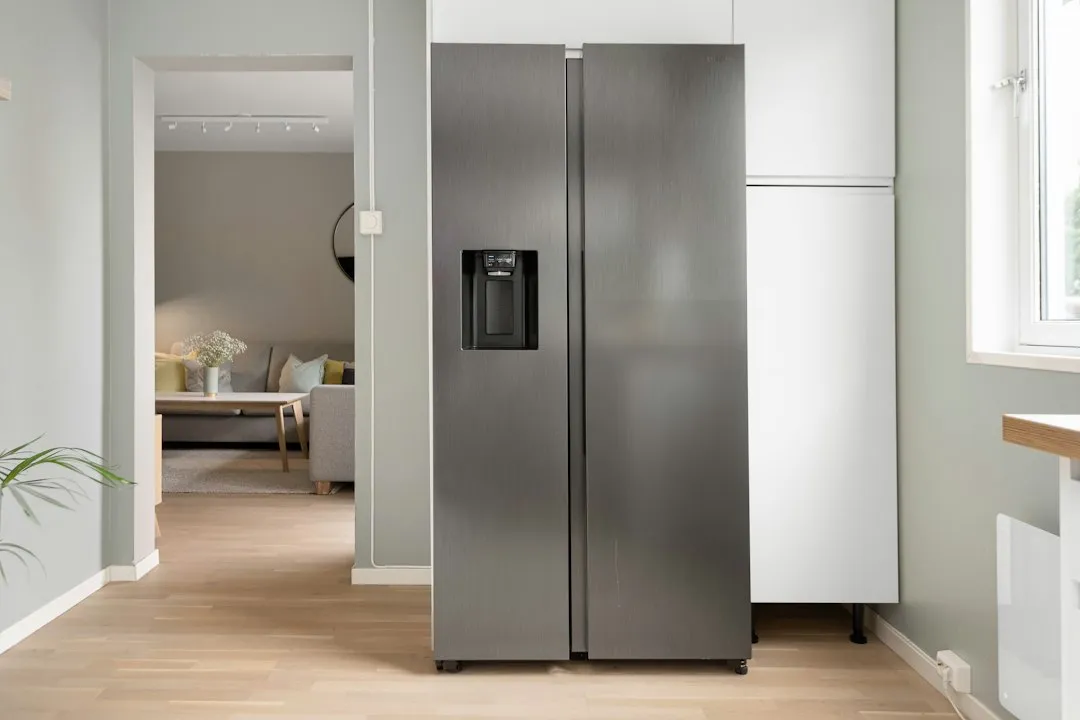
The outside of a refrigerator paints a picture of personality. People with nothing on their refrigerator could be minimalists who care about interior design and lean toward order in their daily lives.
Another driver behind obsessively clean surfaces is perceived control. In a world full of uncertainty, organizing a small, contained space can provide a sense of mastery – it creates a predictable environment where everything has a place, which can lower anxiety.
The Gallery Wall of Magnets: A Memory Keeper in Disguise
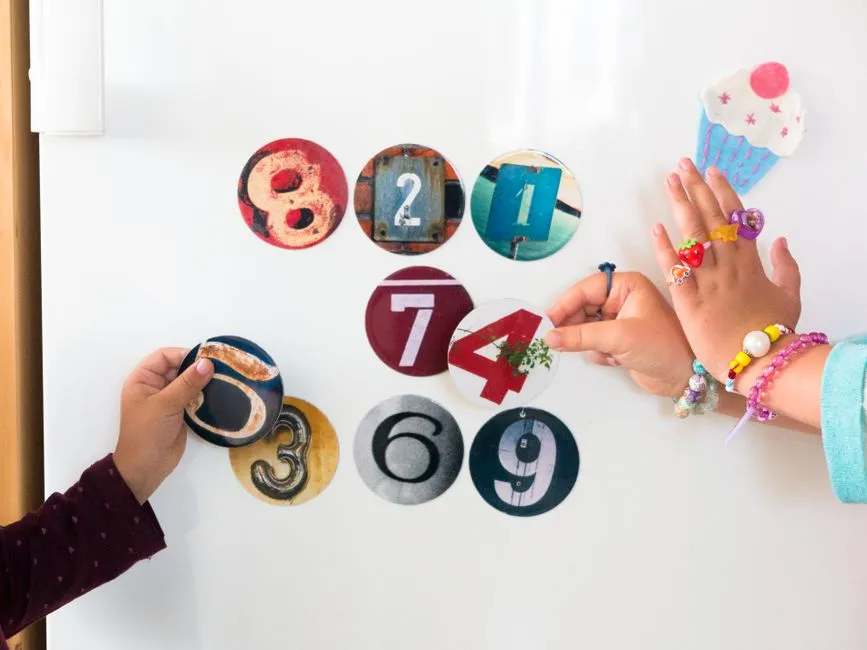
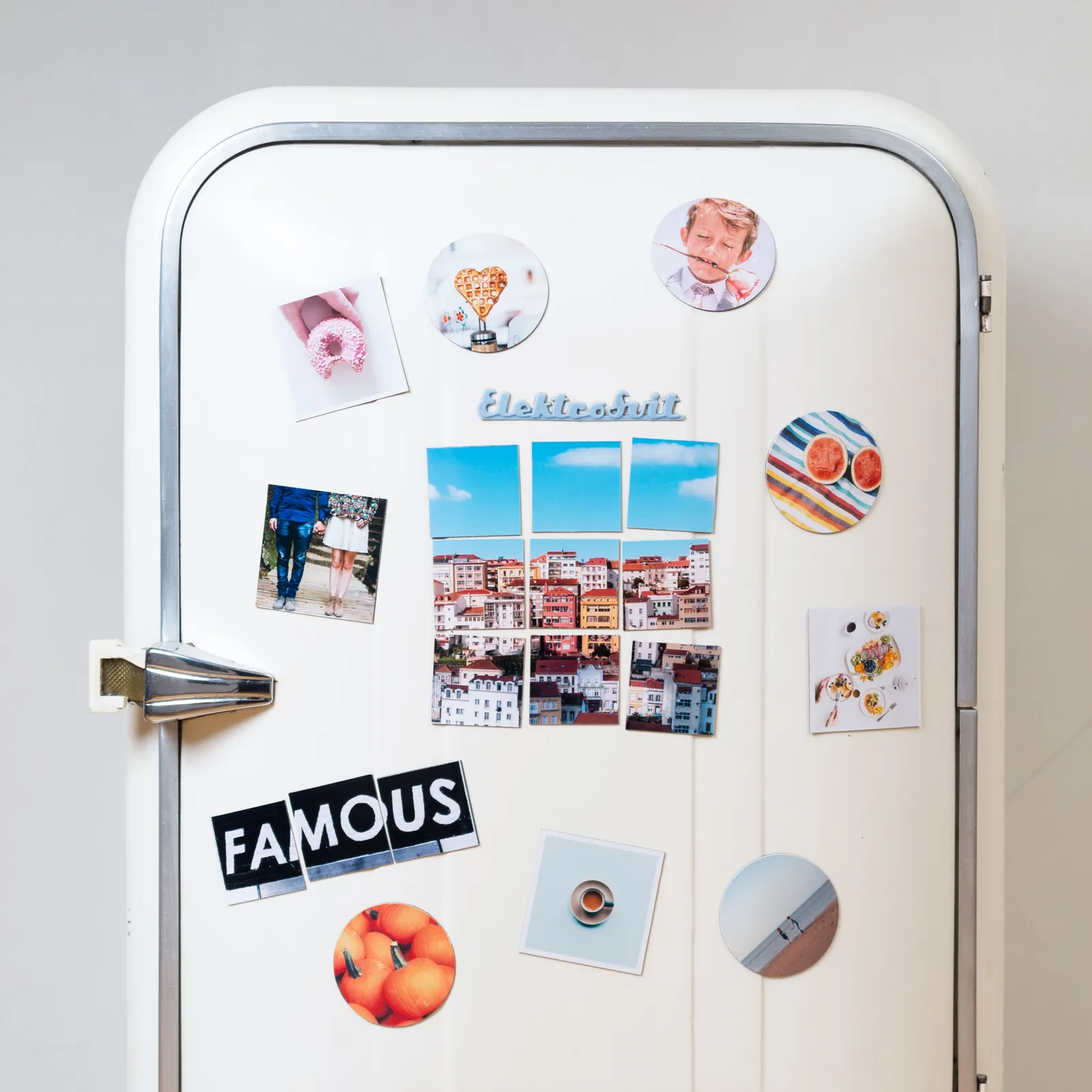
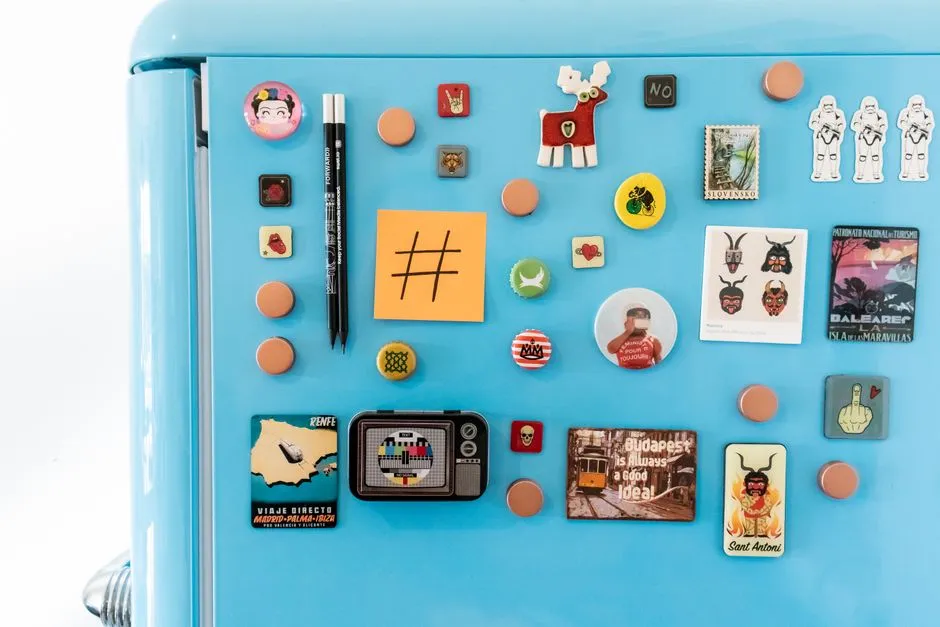
Magnets often represent memories, and a person who holds onto an abundance of fridge magnets may simply want those visible reminders of travels or loved ones. A fridge full of magnets, lists, and memories typically belongs to someone expressive and emotionally connected.
A fridge can hold the landmarks of your life, showing you the condensed version of your world made up of deliberate or even subconscious selections of memories that are meant to be seen and shared.
Refrigerator magnets are popular because they combine functionality with decoration, allowing people to display notes, photos, or shopping lists while adding color and personality to the kitchen. Few objects do more psychological work for so little effort.
The Command Center: Calendars, Lists, and Appointment Cards
The fridge door is a command center you can actually see. A calendar square on the door beats a reminder buried in a phone you forgot to charge.
One key factor behind this organizational style is conscientiousness. Individuals high in this trait tend to be disciplined, goal-oriented, and detail-focused. For them, a well-ordered fridge is a natural extension of their broader need for structure. It reduces mental clutter and makes daily tasks feel manageable.
Executive functioning also plays a clear role. People who organize their fridge well are often using the same mental muscles they rely on for project management or financial planning. The fridge door, in that sense, is just a low-tech productivity tool.
The Children’s Artwork Zone: Pride on Display

It’s a tiny souvenir living on your fridge, holding up baby pictures and wedding invitations for years to come. For parents, the fridge door becomes something close to a rotating gallery of small milestones.
Displaying children’s work visibly in the home has long been connected to warmth, positive reinforcement, and a household culture where effort is acknowledged. The fridge door is often the first “exhibition space” a child ever gets. That’s not a small thing.
People with notes, magnets, invitations, family pictures, and clippings on their fridge tend to be more relaxed in demeanor. The willingness to let the door look lived-in says a lot about priorities.
The Travel Souvenir Collection: The Wanderer’s Billboard
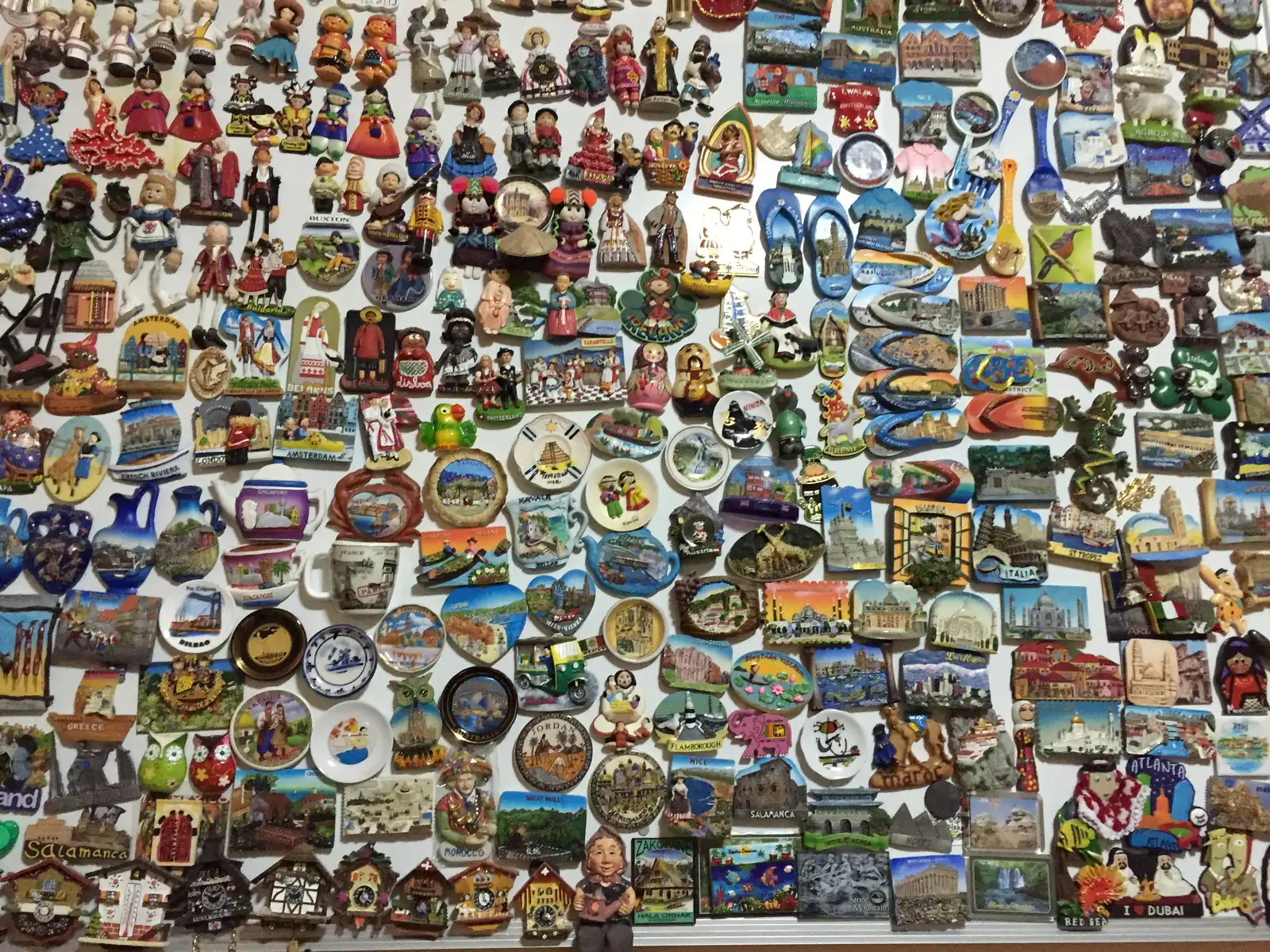
Magnets aren’t just souvenirs. For the serial traveler, each one is a kind of shorthand biography pinned to the most visible surface in the kitchen. Barcelona, Tokyo, New Orleans – the door becomes a map.
Collecting magnets is a hobby, with some collectors specializing in magnets from their travels or of a particular theme. For some people this is quite deliberate, a curated record of experience rather than casual accumulation.
A fridge with six intentional magnets reads as a personality. A fridge with 47 novelty magnets from every airport gift shop reads as visual chaos. The difference between the two reveals something about how the person curates their own identity, not just their travel history.
The Takeout Menu Archive: Pragmatist or Avoider?

There’s a certain kind of person whose whole life is mapped on the refrigerator door. Takeout menus, coupons with expiry dates, souvenir magnets from places they said they’d go back to, a school photo curling at the edges – the fridge becomes a living document.
A fridge door full of delivery options isn’t surrender; it’s delegation. Some people genuinely prefer to have their options visible and ready rather than buried in a phone app. That’s a reasonable strategy, even if the aesthetic takes some hits.
Still, the takeout menu that’s been there since 2022 is worth examining honestly. Holding onto outdated information “just in case” can reflect a low-grade resistance to making decisions and letting things go, which psychology links to mild avoidance tendencies.
The Cluttered, Layered Door: A Window Into Mental Load
Psychology research around executive function shows that cluttered environments can reflect mental load, not lack of care. A door covered in overlapping reminders, old receipts, and half-removed stickers may simply be the outward sign of a very full life.
A growing body of research backs the connection between clutter and stress, with one study published in Personality and Social Psychology Bulletin finding that women who described their homes with words like “cluttered” and “unfinished” showed daily cortisol patterns associated with chronic stress. Their moods also showed a decline over the course of the day.
The Big Five personality traits, including openness, conscientiousness, extraversion, agreeableness, and neuroticism, have been studied in relation to organizational tendencies. Individuals high in conscientiousness tend to be more organized and tidy, while those high in neuroticism might be more prone to clutter as a result of anxiety or indecisiveness.
The Inspirational Quotes and Vision Board Door: The Aspirational Type
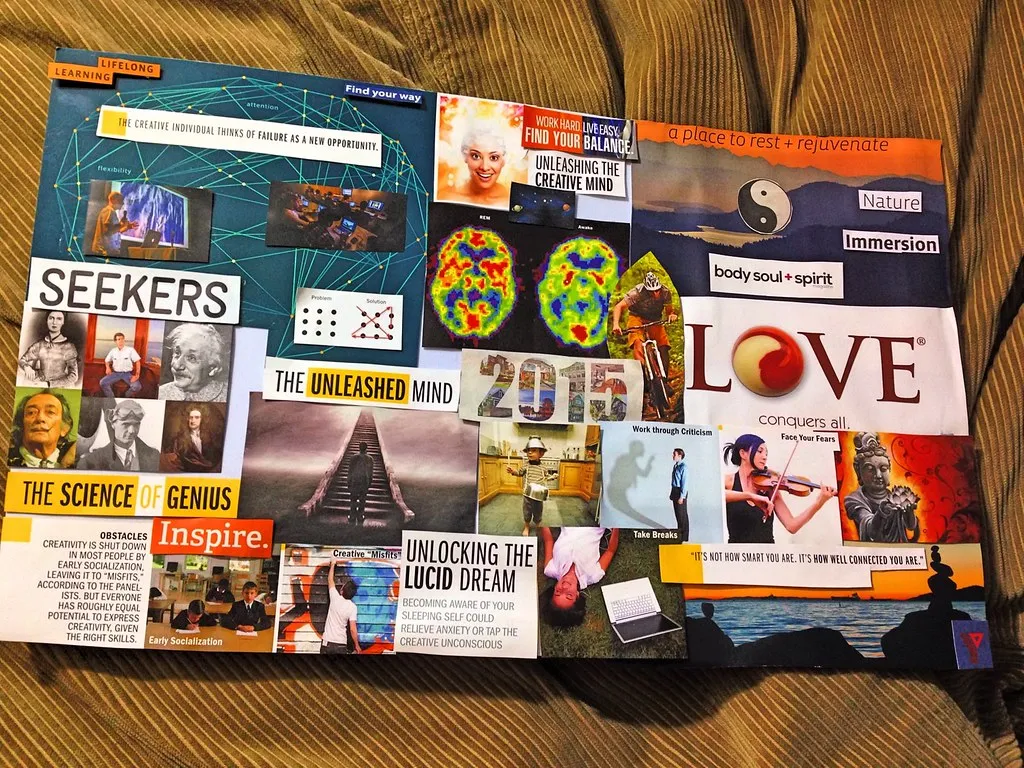
Some fridge doors are practically motivational posters: a quote about resilience, a fitness goal written in marker, a vacation destination torn from a magazine. This is the door of someone actively working on themselves, or at least wanting to.
Psychological research suggests that our habits and preferences aren’t only to do with our taste buds or our decor choices. Research suggests that our personalities not only inform our favorite flavors, but they may also play a role in the healthiness of our overall choices. The same applies to what we choose to put in front of our eyes every morning.
Aspirational displays can be genuinely motivating when they’re refreshed and specific. When they calcify, the quote that hasn’t been read in two years becomes invisible wallpaper, which is a subtle sign that the goal may have quietly been abandoned.
The Completely Organized, Label-Maker Door: Control and Comfort
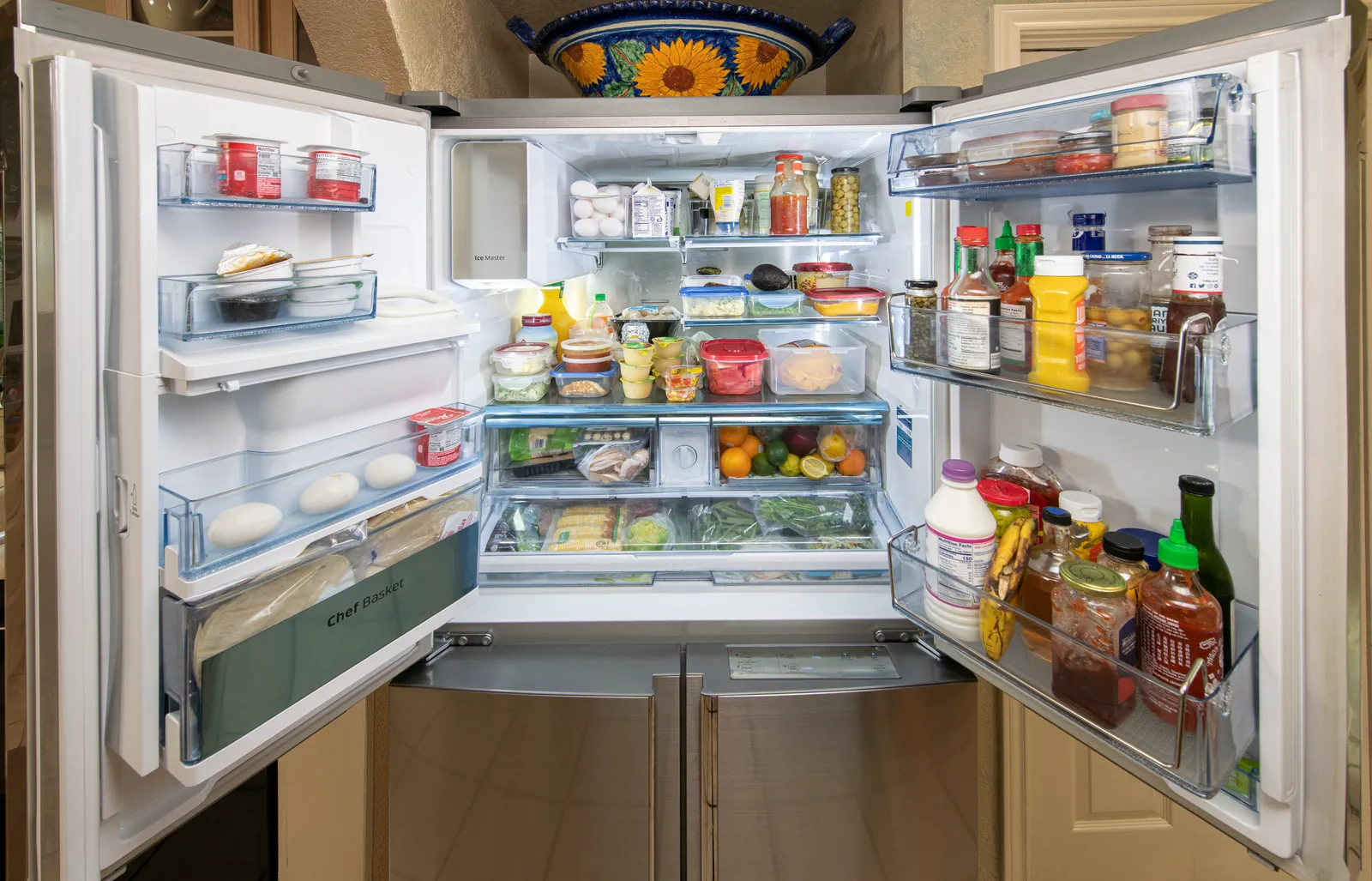
A spotless, perfectly arranged refrigerator might look like a sign of domestic pride, but psychology suggests it runs much deeper. According to behavioral research, people who keep their fridge meticulously organized are often driven by a mix of personality traits and cognitive patterns, not just a love for tidying up.
The organized fridge becomes a small, daily win that reinforces a sense of competence. So next time you see a perfectly stacked shelf, remember it is not just about cleanliness. It’s about how some people regulate their sense of stability in small, manageable ways.
As researchers Ferrari and Roster note in their study on decluttering personality traits, “Tidying, sorting, storing, and organizing one’s things restores people’s sense of control over their environment.” The label maker on the fridge door is, in its own quiet way, a coping mechanism.
The Warm, Layered, Slightly Chaotic Door: The Connector
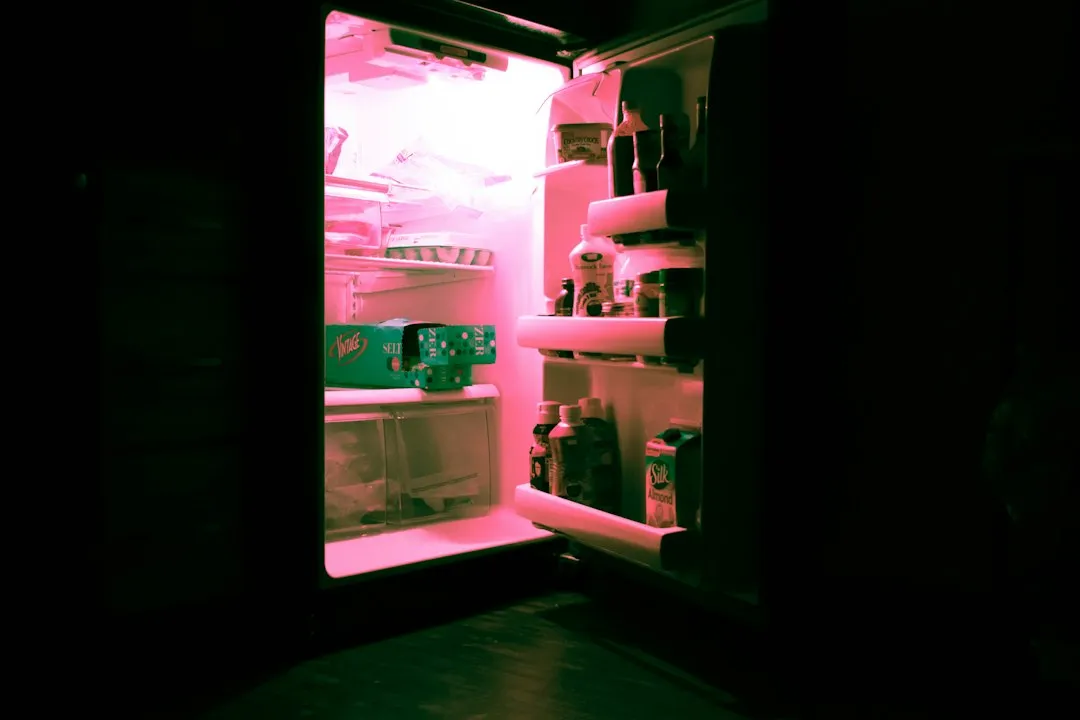
For the lucky people who get invited to your home, those you trust and care about, the ones who get invited to the kitchen to see the chaos – they’re the ones who get the privilege of seeing your most treasured pieces of paper. A warm, well-loved fridge door is a kind of intimacy.
The polished, empty fridge door in a catalog kitchen says “no one is home.” Your door says “pull up a chair.” There’s something genuinely inviting about a space that shows evidence of actual human life.
Your door holds the proof: evidence of people you love, places you’ve been, meals that saved you on tired nights, appointments you kept, and the joyful clutter that accumulates when a house is actively being used for human life.
The Takeaway
The fridge door doesn’t lie. It’s one of the few surfaces in a home that changes organically, without deliberate styling, accumulating a record of priorities, relationships, habits, and anxieties over time. You’d never hang your cortisol levels on the wall, but in some sense, your fridge door already does.
Researchers have found that strangers can accurately judge personality traits like openness and conscientiousness just by observing a person’s space, with almost no other information. Minimalist and maximalist tendencies both map onto real personality differences, but neither style is inherently healthier than the other.
What matters isn’t whether your door is spotless or covered edge to edge. It’s whether what’s there still reflects who you actually are, right now, not six years ago. That occasional three-minute audit of the fridge door might be one of the more honest conversations you have with yourself all week.
AI Disclaimer: This article was created with the assistance of AI tools and reviewed by a human editor.