
The Ingredient Behind the Problem: Permethrin
Permethrin is an insecticide used in some flea products for dogs and occasionally in lower doses in flea powders and collars for cats. It is a synthetic pyrethroid insecticide widely used in dog flea sprays, spot-ons, and shampoos. On dogs, it works effectively and safely. On cats, the story is very different.
Permethrin is highly toxic to cats, and it remains one of the most common causes of poisoning in cats worldwide. Exposure to high doses, often found in spot-on dog flea treatments, can result in serious illness in cats and even death.
Why Cats Can’t Handle What Dogs Can
Cats lack the liver enzyme glucuronyl transferase needed to break permethrin down. Because a cat’s liver can’t convert the chemical into a harmless form, it builds up in the body, causing serious illness. This is a fundamental biological difference, not a matter of dose or body size.
Dog flea sprays often contain permethrin that cats cannot efficiently metabolize due to a deficiency in hepatic glucuronosyltransferase, leading to accumulation in neural tissue and severe neurological signs such as tremors and seizures. Permethrin is just one of the reasons why we must never assume that a product safe for dogs will also be safe for cats.
The Concentration Gap That Makes It So Dangerous

Canine marketed permethrin products typically contain 45 to 60 percent permethrin, while safe feline marketed products contain less than 0.1 percent. That is an enormous difference in concentration. The gap between what a dog product delivers and what a cat can tolerate is not a narrow margin; it’s a chasm.
Low concentrations of around two percent permethrin, as found in flea sprays labeled for cats, are not considered toxic. It is only the spot-on flea products that contain high concentrations of 45 to 65 percent permethrin and are approved for use on dogs only that are considered dangerous. Even a small contact with that concentrated form is enough to cause a crisis.
How Exposure Happens: More Ways Than You’d Think

Permethrin poisoning is most common when a dog flea treatment is put on a cat by accident, but it can also happen if a cat comes into contact with permethrin on a dog, for example when grooming or sharing a bed. Some owners use a dog flea product on their cat by mistake, assuming if a smaller quantity is used, it will be safe.
Even second-hand exposure, such as sleeping near a dog that was recently treated with a permethrin product, can cause toxicity in cats. Cats can also develop permethrin poisoning by grooming a dog that has recently been treated with certain topical flea medications. The permethrin doesn’t have to be applied directly to cause harm.
The Scale of the Problem in Numbers
A total of 750 cases of permethrin spot-on intoxication in cats was reported, with 166 deaths, over a two-year survey period. While all deaths were generally attributable to intoxication, 39 cats were euthanized because owners were unable to pay the anticipated treatment costs.
Permethrin is reported to be the most common cause of poisoning of cats in the USA, and data showed that permethrin was the most common toxicological cause of feline death reported to the Veterinary Poisons Information Service in the UK, with death occurring in approximately 10 to 15 percent of cats exposed to a spot-on product. The survey findings of 750 cases over a two-year period are likely to have underestimated the true number of cases by a substantial margin.
What Symptoms Look Like and How Fast They Appear

Permethrin is absorbed very quickly, so signs of poisoning usually appear within a few hours but can take up to 36 hours. It affects the nervous system, first causing it to become over-sensitive, leading to twitching and seizures, and then causing paralysis.
There are many symptoms of permethrin poisoning, including drooling, dilated pupils, elevated body temperature, rapid breathing, and hyperexcitement. Paradoxically, some cats present with lower body temperature, lethargy, and immobility. The duration of clinical signs can be prolonged, with seizures lasting an average of 38 hours and tremors lasting an average of 32 hours.
Why Acting Immediately Makes All the Difference
If a cat is showing signs of illness, especially twitching, tremors, or seizures, there is no at-home treatment that is effective. There is no specific antidote for permethrin toxicity. Speed matters enormously.
Without adequate therapy, permethrin poisoning in cats can lead to death within 24 to 72 hours due to respiratory paralysis. Cases of permethrin poisoning that are caught early and treated quickly tend to have a good outlook. Sadly, cats with more severe symptoms such as twitching and seizures often have a worse outlook.
How Vets Treat Permethrin Poisoning
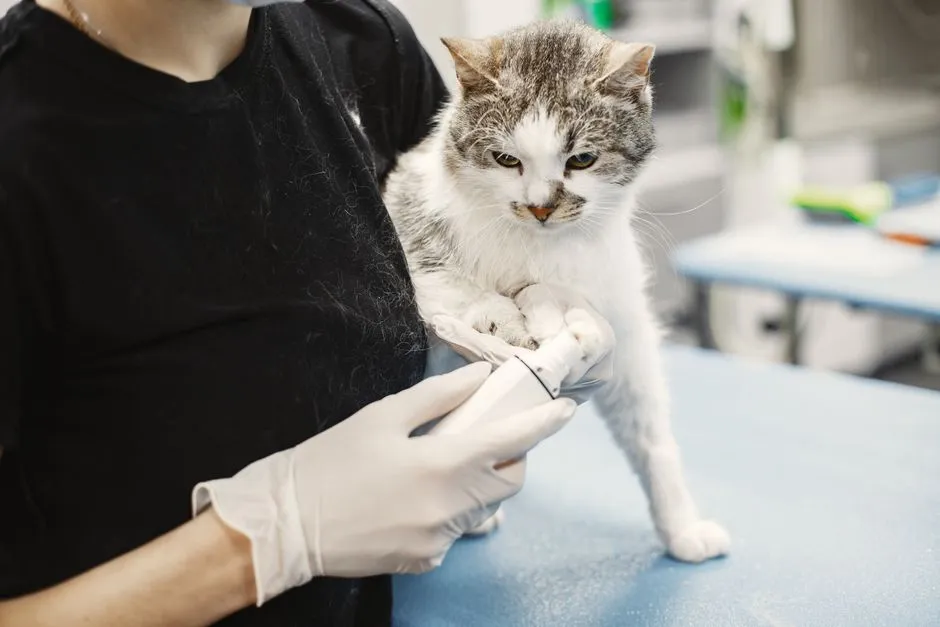
The cat is washed in lukewarm water with liquid dishwashing detergent to stop further absorption through the skin. Treatment may include intravenous or intra-rectal methocarbamol, and seizures may be controlled with barbiturates, propofol, or inhalant anesthetics.
In a clinical study, intravenous lipid emulsion therapy was used for nine cats intoxicated with permethrin. After treatment, all cats recovered rapidly and were discharged within 24 to 54 hours. Because permethrin is fat-soluble, an infusion of lipid can act like a sponge that pulls the toxin out of the tissues. This approach represents one of the more promising developments in managing severe cases.
Recovery and What to Expect
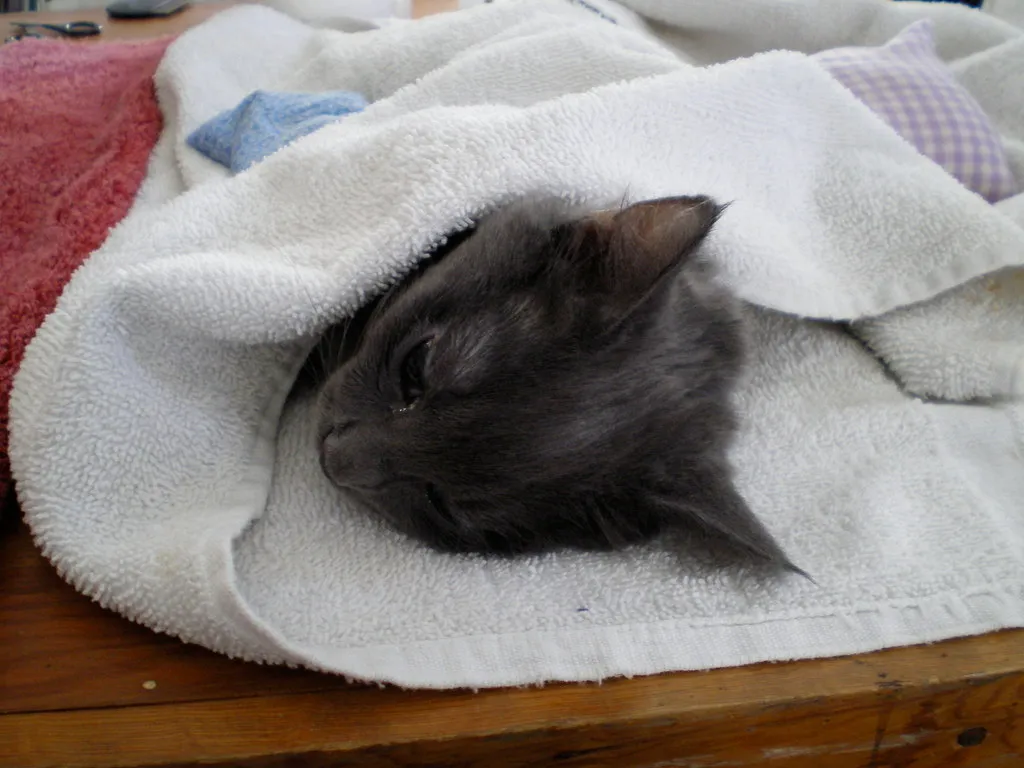
Around 80 to 90 percent of cats who are treated promptly will recover from permethrin poisoning. In mild cases with early treatment, symptoms may subside within 24 to 48 hours. In severe poisonings, full recovery can take several days to a week.
Some cats took up to a full week to recover. Without treatment, severe permethrin poisoning can be fatal, with mortality rates reported between ten and forty percent depending on exposure amount and time to treatment. Early intervention is not just preferable; it is often the deciding factor between survival and death.
How to Keep Your Cat Safe in a Multi-Pet Household
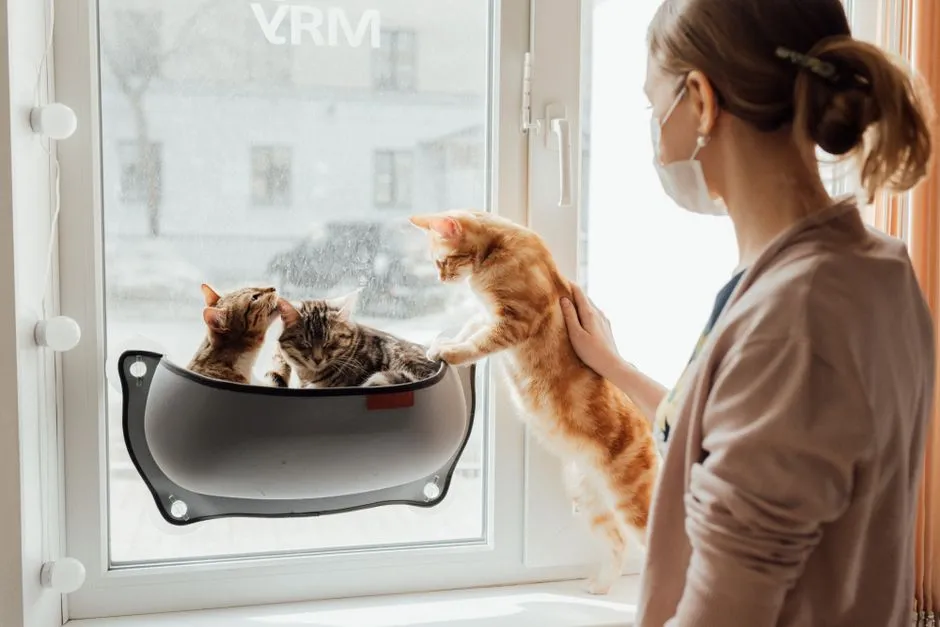
If you own a cat, it’s best to avoid using permethrin flea treatments for any dog in the same house. If you do choose to use a product containing permethrin, make sure your cat does not come into contact with it, or lick it off your dog, for 72 hours after application.
Many dog-specific spot-on flea products contain permethrin. Always check labels before applying any flea product to dogs in multi-pet households with cats. If you have dogs and cats at home, the simplest and safest approach is to choose a flea treatment for your dog that doesn’t contain permethrin at all. There are effective alternatives that don’t carry this risk.
The Takeaway
The word “flea treatment” sounds routine, almost trivial. For cats in households where dog products are used, it can be anything but. The danger from permethrin is well evidenced, well documented across multiple countries and decades, and yet cases continue to occur every year because the warning on the label goes unread.
Reading the label before you apply any flea product takes under a minute. Ensuring your cat stays separate from a recently treated dog costs nothing. The gap between accidental exposure and a potentially fatal outcome is surprisingly small, but so is the gap between careful label-reading and preventing it entirely. That’s the real takeaway here: this is one of the most avoidable emergencies in veterinary medicine.
AI Disclaimer: This article was created with the assistance of AI tools and reviewed by a human editor.