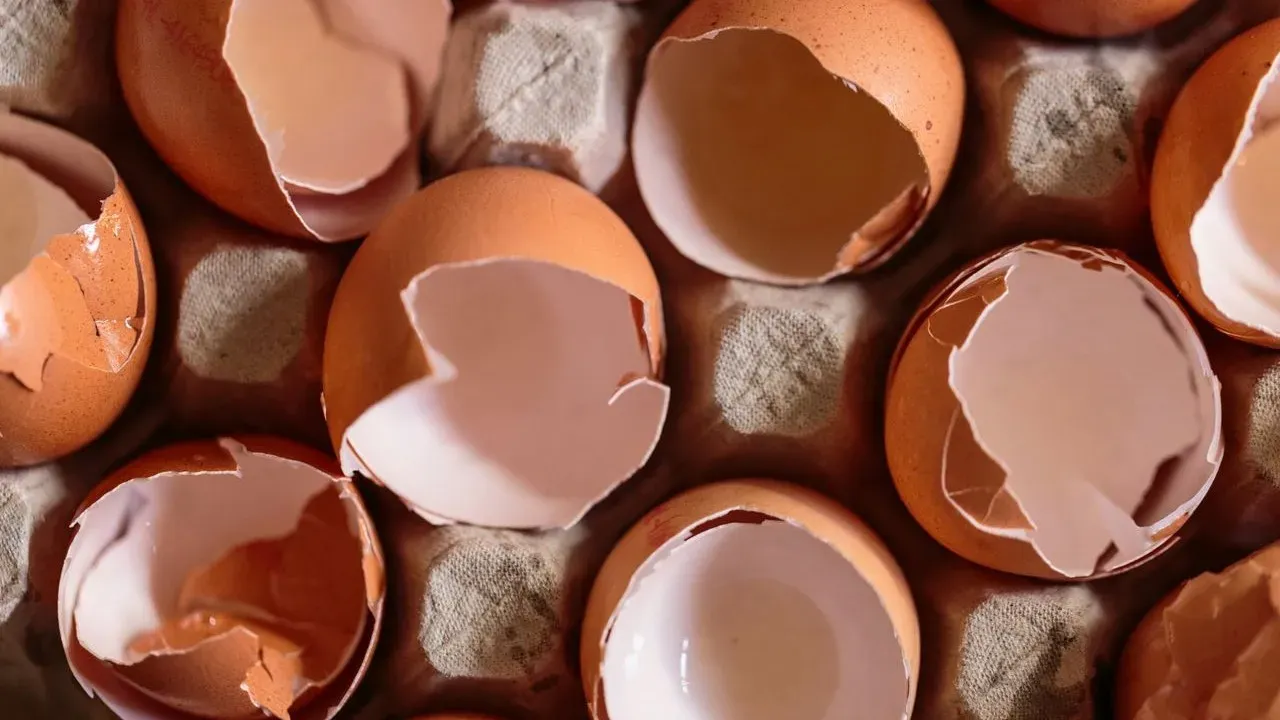

Few things make a backyard keeper pause like an egg in the nest box with no shell at all. Eggs that arrive small, tiny, or soft-shelled are a familiar worry for flock owners ([1]). The good news is that most cases have identifiable causes, and many can be corrected with simple changes to feed, housing, or routine.
The Egg Is Stranger Than the Problem
A shell-less egg looks more unsettling than it is. Rather than a cracked mess of yolk and white, it is often intact, held together by the soft membrane that normally sits just beneath the shell ([2]). Many keepers only realize something is wrong when they pick it up and feel the rubbery surface.
That appearance can be misleading in another way. A single odd egg does not automatically signal illness. Reproductive timing, nutrition, and short-term stress can all interrupt shell formation for a day or two, and the hen often returns to normal afterward.
What Usually Sits Behind It
Veterinary and poultry sources point to a handful of recurring causes. The list below covers the most common ones, roughly in the order keepers are likely to encounter them.
- Young hens: Pullets that have just started laying often produce a couple of shell-less eggs before their systems settle into a steady rhythm ([3]).
- Calcium and vitamin D gaps: Shells depend on calcium, and the body needs vitamin D to absorb it. A diet that falls short on either can produce thin or missing shells ([4]).
- Heat and stress: Hot weather and sudden disruptions can thin shells even when feed is adequate. A predator visit or a storm at night can also be enough to upset the process ([5]).
- Age: Older hens may lay weaker shells as shell gland function declines over time ([6]).
- Illness: Infectious bronchitis and egg drop syndrome can cause shell problems, and these are the causes that feed changes cannot solve.
When a Single Egg Is Enough to Wait
Timing and pattern matter more than any one egg. An occasional shell-less egg from a healthy hen is generally not an emergency. A sudden run of soft or shell-less eggs across several birds at once is a different situation, and it deserves prompt attention because a flock-wide shift can point to a viral disease ([7]).
Contact a veterinarian if:
- Several hens begin laying soft or shell-less eggs at the same time.
- The problem continues for weeks despite good calcium and a balanced layer diet.
- A hen appears weak, straining, short of breath, or has stopped eating.
Practical Steps That Help
Most fixes begin in the feed bin. Layer feed is formulated with the calcium that laying hens need, while chick starter feed contains less, so birds that have been eating the wrong product may benefit from a switch ([3]). Keeping oyster shell available alongside a complete layer feed gives hens a dependable calcium source they can draw on as needed.
Environment matters just as much. Fresh water, shade during heat waves, and a calm coop with predator protection at night all reduce the stresses that interfere with shell formation. Shell-less eggs should not be eaten, so collect and discard them promptly. Any egg with an unusual texture is worth removing from the nest before it breaks and attracts pecking or egg eating ([8]).
For most keepers, a shell-less egg is a signal to review the basics rather than a sign of a lost flock. If the problem fades once feed, water, and housing are sorted, the hen is likely back on track. If it persists or spreads, the answer may require a vet rather than another bag of feed.
AI Disclaimer: This article was created with the assistance of AI tools and reviewed by a human editor.