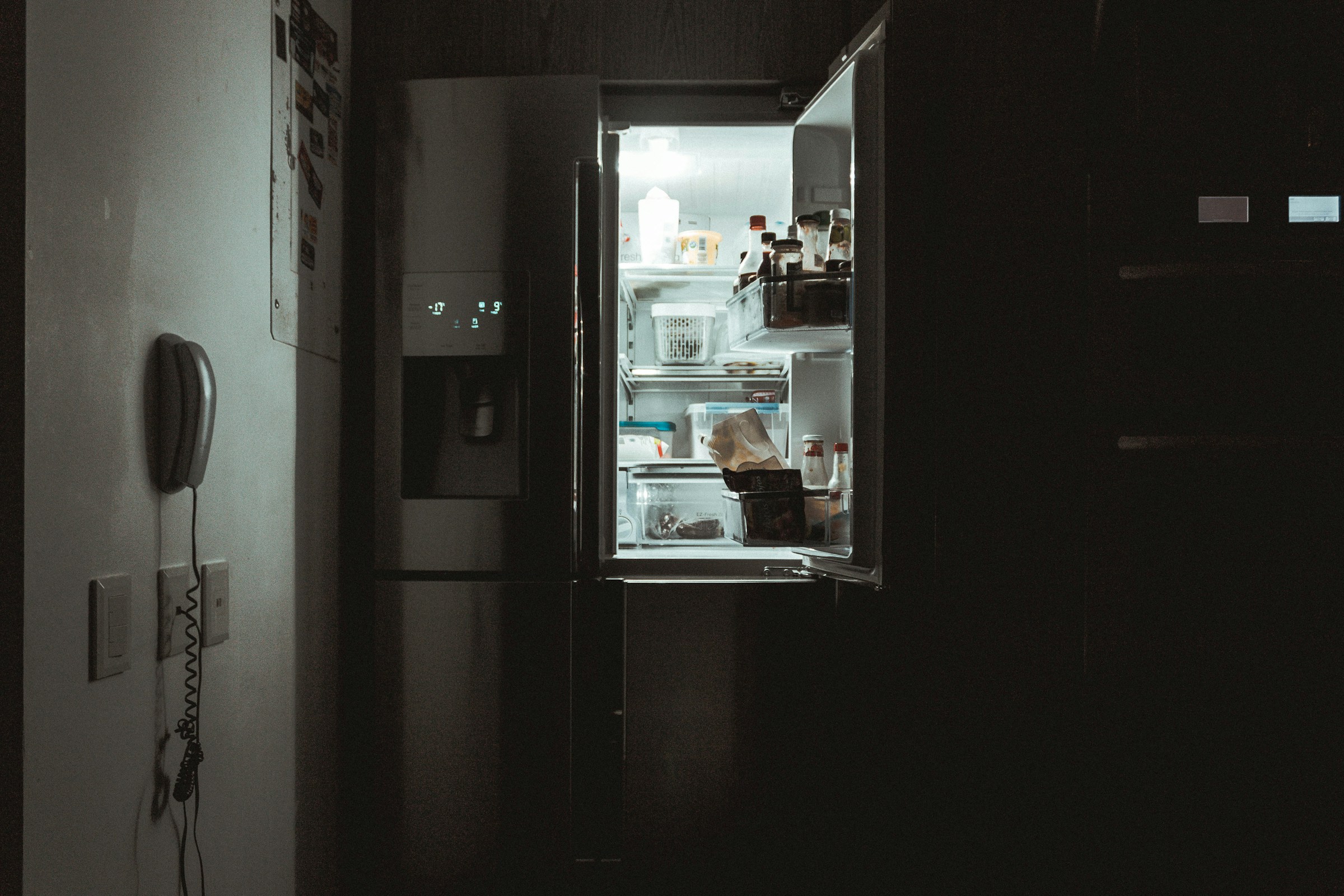

The Basic Physics: How Frost Forms in the First Place
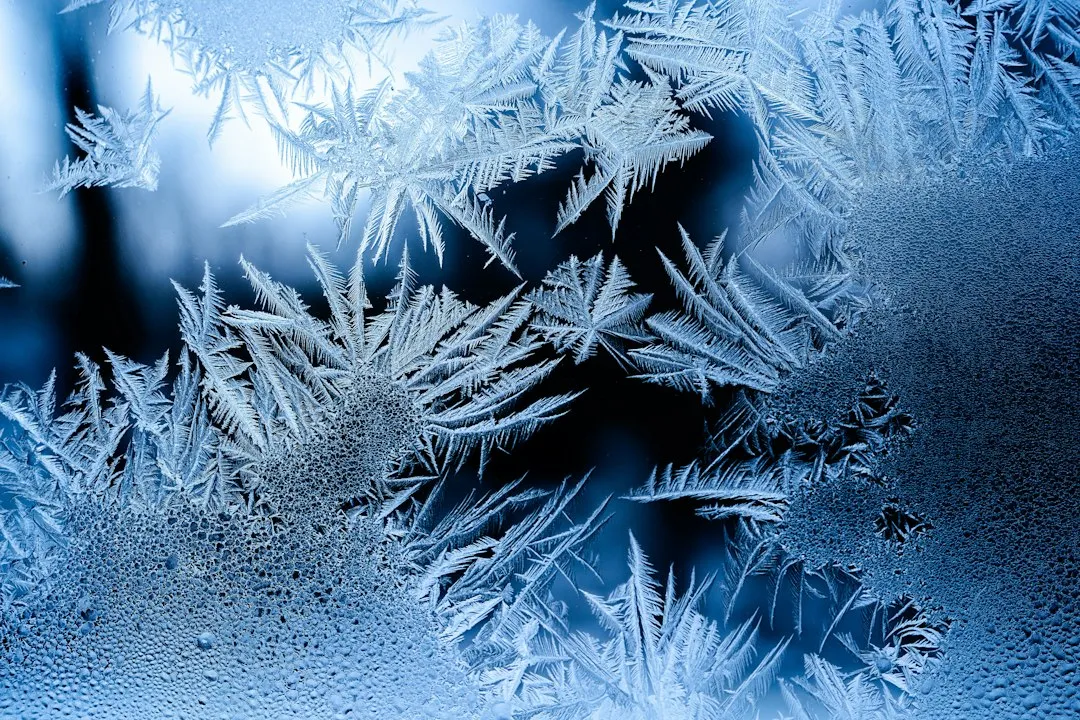
Frost develops when moisture in the air comes into contact with cold surfaces inside the freezer. As warm, moist air cools, the water vapor condenses and freezes on those surfaces, creating a layer of frost over time. It is essentially the same process that fogs up a bathroom mirror, just at a much colder temperature.
Accumulated frozen moisture on the interior walls and shelves of your appliance is what we commonly call freezer frost. It occurs when moisture comes into contact with the evaporator coils inside your freezer and then freezes. The evaporator coils are the coldest part of the system, which is exactly why they attract moisture first.
Warm Air Getting In Through the Door
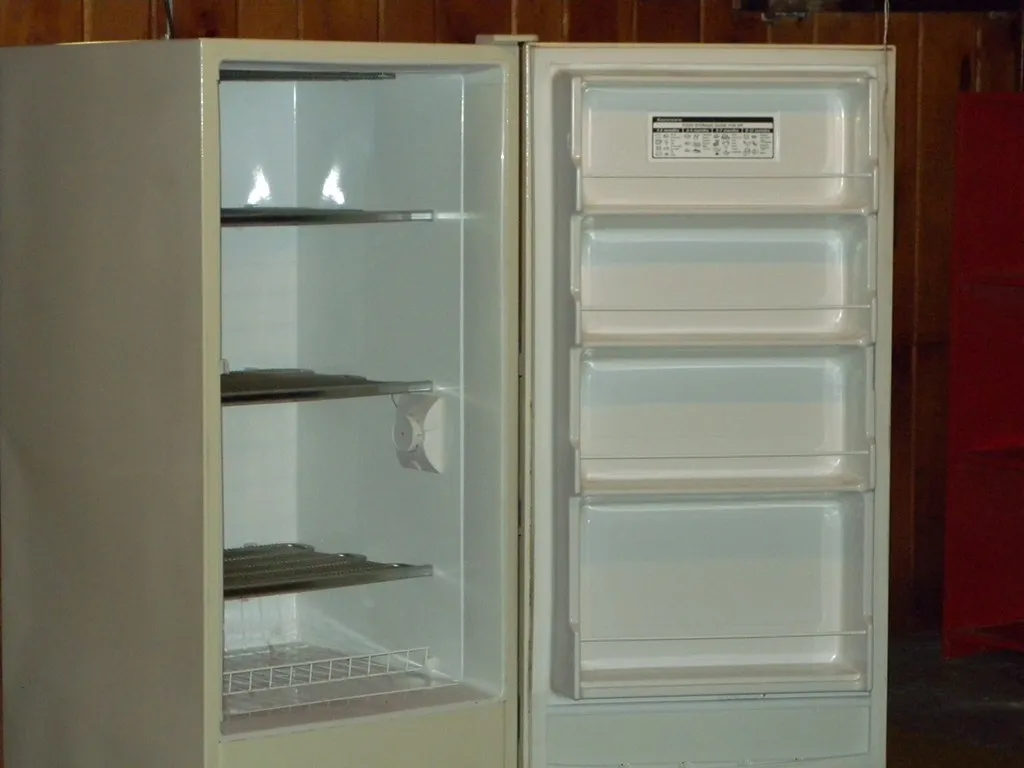
When your freezer is frosting up, the most common cause is warm, humid air from your home entering the freezer’s compartment with its sub-freezing temperatures. The moisture in that humid air freezes, causing icy frost to build up on the surfaces inside.
Even keeping the door open several seconds longer than necessary per day will cause the freezer to frost up significantly more quickly. It is a small habit with a surprisingly large consequence. Each time warm air rushes in, it carries moisture that has nowhere to go except onto the nearest cold surface.
Faulty or Worn Door Seals
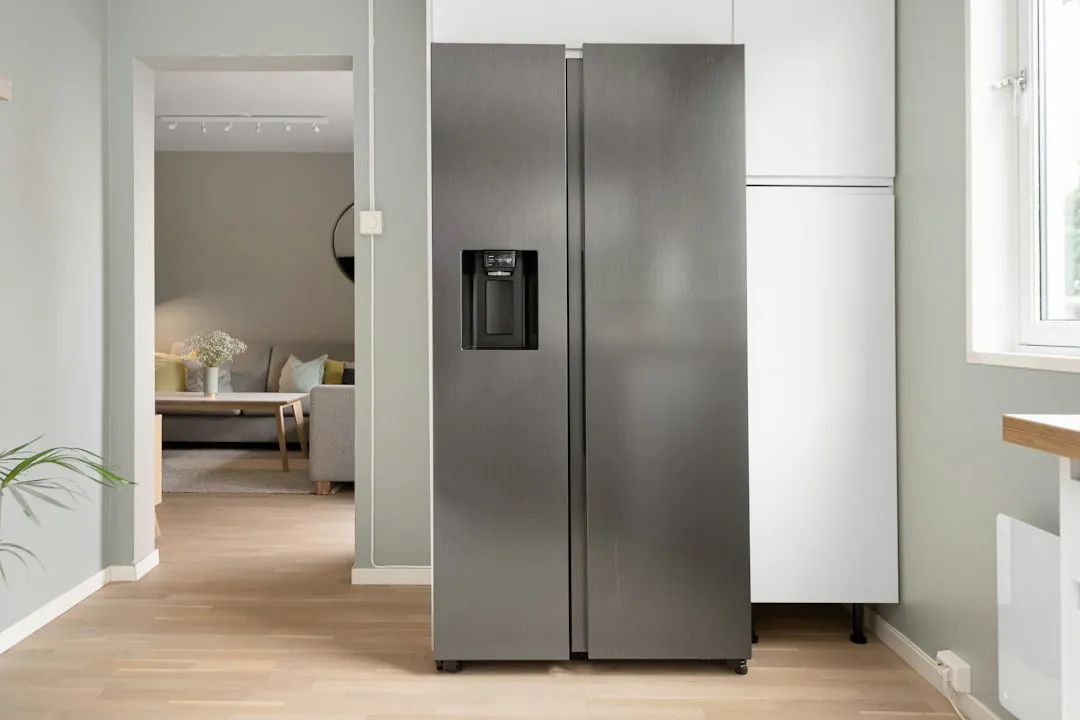
A worn or damaged gasket, which is the rubber door seal, will allow warm air in and cold air to escape, contributing to freezer frost. This is one of the most overlooked causes because the seal damage can be subtle and hard to spot at a glance.
A compromised door seal allows humid air to infiltrate, which then freezes, causing frost. If you notice frost appearing consistently in one area, especially near the door edges, the gasket is worth checking first. Running a piece of paper through the closed door is a simple test: if it slides out easily, the seal is not gripping properly.
Humidity Levels in the Surrounding Environment
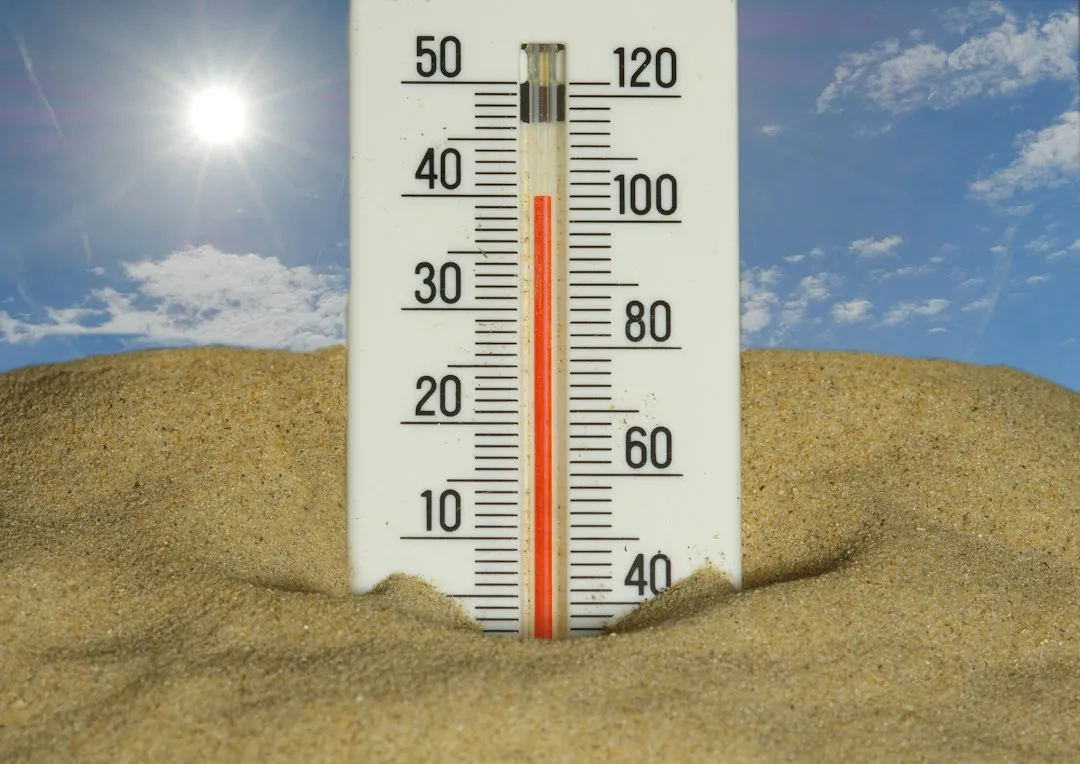
The ambient air, even in air-conditioned environments, has a typical relative humidity of fifty to seventy percent. This humidity, or water content in the ambient air, is quickly frozen when it enters the freezer and manifests itself as the formation of frost, snow, or ice on the interior and the contents of the freezer.
Under the condition of large air relative humidity, the frost growth rate increases, and the increasing tendency drops off when the relative humidity is larger than around eighty percent. This means people living in humid climates, near coastlines or in tropical regions, will naturally deal with faster frost buildup than those in dry inland areas.
Placing Hot or Warm Food Directly in the Freezer
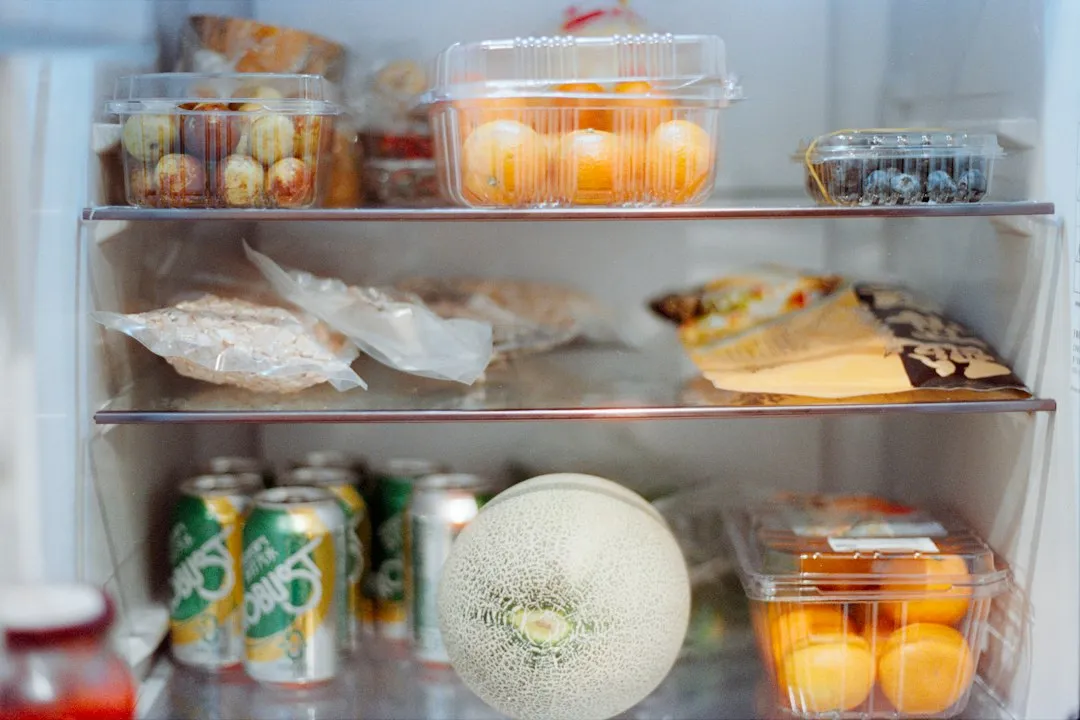
When you place packages of hot food in the freezer, this can cause the freezer’s surfaces to frost up. Steam from warm items turns into frost inside the cavity. It’s a common shortcut that costs more than it saves.
Setting the freezer temperature incorrectly can also lead to ice buildup. Placing hot food directly into the freezer can raise the internal temperature rapidly, exacerbating the frost issue. The simple fix is to let food cool to room temperature before freezing it, which also helps preserve food quality.
Uncovered or Improperly Wrapped Food
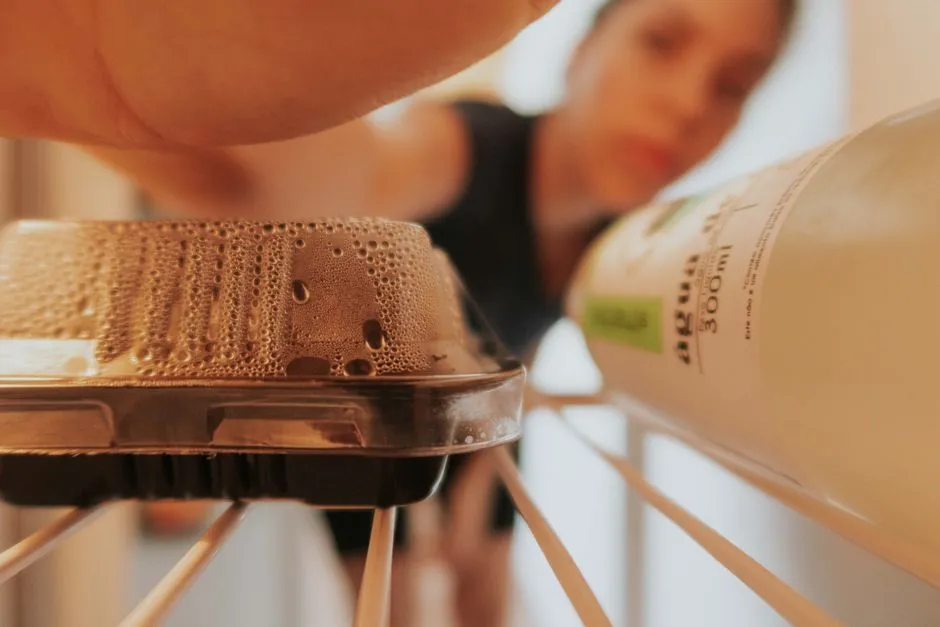
Moisture from exposed food will cause frost inside the freezer. Foods that are not sealed properly release water vapor into the freezer air continuously, feeding frost formation even when the door stays firmly shut. This is especially relevant for items like vegetables, bread, and meat.
An uncovered steak on a plate will become freezer burned within a few frost-free cycles, but a similar steak wrapped in freezer paper and placed in a plastic freezer bag may sit for several months without noticeable freezer burn. Although not dangerous, freezer burn affects the taste and texture of food. Proper wrapping protects both the food and the freezer itself.
Temperature Fluctuations Inside the Freezer
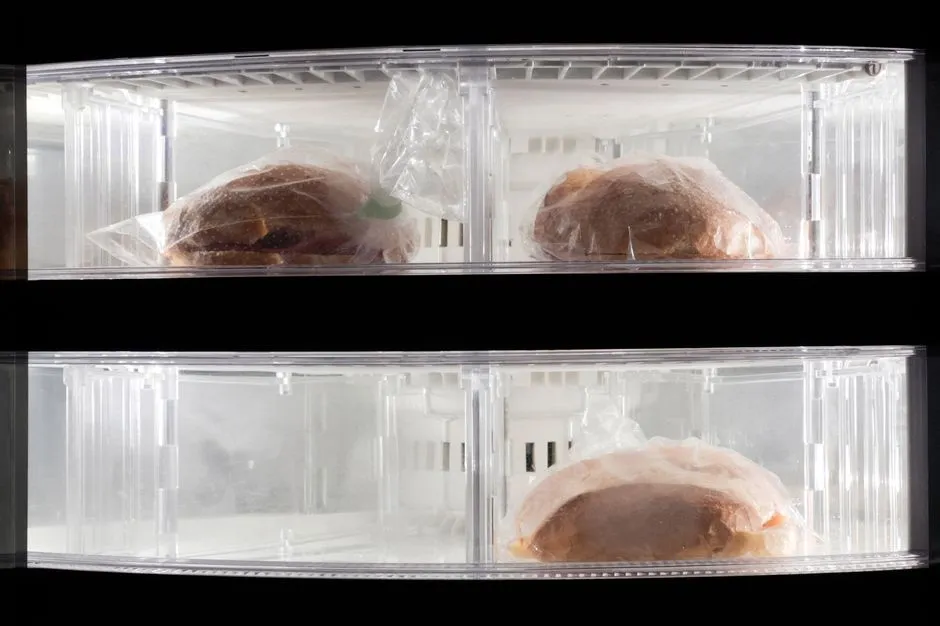
Temperature fluctuations resulted in very pronounced formation of frost in packages. Research published in a peer-reviewed food science study found that compartments experiencing larger temperature swings produced measurably more frost than stable ones. Compartments created to achieve different amplitudes of temperature fluctuations ranged from very low, at plus or minus 0.1 degrees Celsius, to large, at plus or minus 1.8 degrees Celsius.
Research examining the influences of different variables such as ambient temperature, relative humidity, door opening time, and cabinet load level found that all of these significantly affect the amount of frost that forms following the door opening operation. Even small, repeated swings in internal temperature accumulate frost at a faster rate over time, making temperature stability one of the most important factors to control.
Blocked Air Vents and Poor Airflow
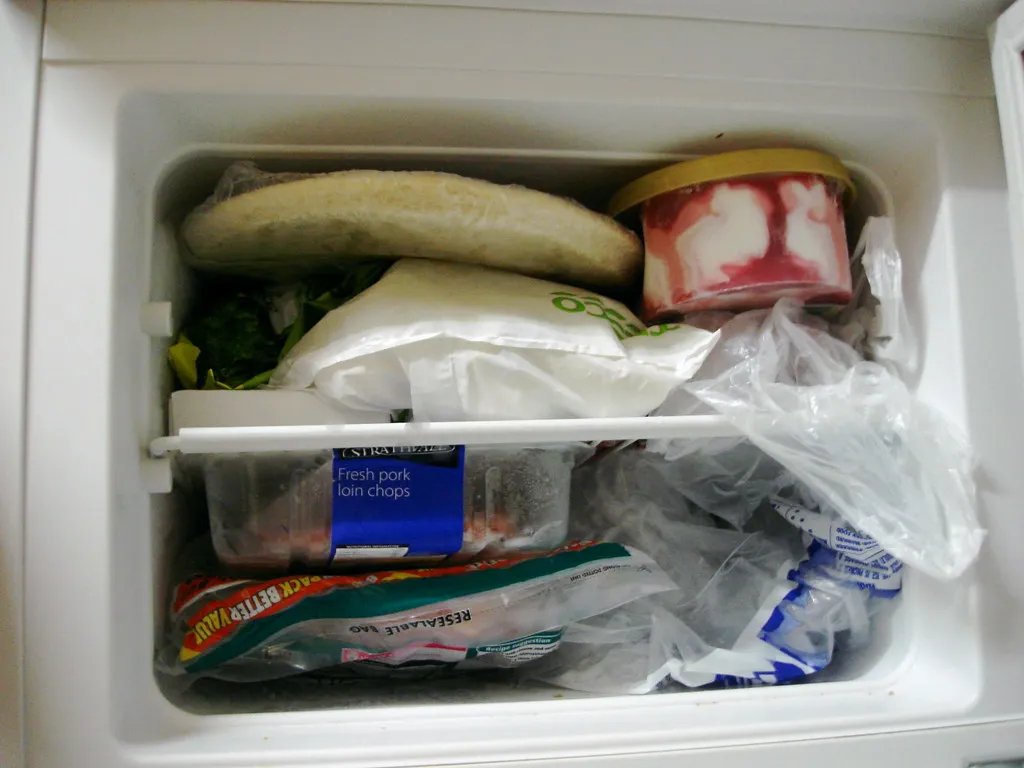
Blocked air vents caused by overloaded shelves or packages pressed against vents stop airflow and create cold “dead zones” where frost builds. This is a very common and easy-to-fix source of frost that many households overlook simply because a freezer that is too full looks organized.
When air cannot circulate properly, pockets of moisture settle in corners and against walls where they freeze in place. The frost you notice in one stubborn corner of the freezer may simply be a package that has been blocking a vent for months. Rearranging the contents, leaving some space near the vents, makes a noticeable difference.
A Failing Automatic Defrost System

A failure of the automatic defrost system in a frost-free freezer will cause frost to accumulate on the evaporator fins and sometimes on the back of the liner inside the freezer. Modern frost-free freezers rely on a heater, a timer, and a thermostat working together. If any of those components fails, frost accumulates unchecked.
The defrost heater melts frost on a schedule. If the heater, defrost thermostat, or control fails, frost piles up, blocks airflow, and temperatures can become unstable, leading to food softening and then refreezing. Frost formation on the surface of the evaporator in frost-free refrigerators is an inevitable phenomenon, and as the frost layer thickens, the heat transfer efficiency is significantly affected.
The Real Cost of Frost Buildup: Energy and Efficiency

Moisture condenses and quickly freezes upon contact with the cold coils, leading to frost buildup. Over time, this frost acts as an insulator, impeding the coils’ heat absorption capabilities and diminishing the freezer’s efficiency. This means your compressor has to work harder, run longer, and use more electricity to maintain the same internal temperature.
Some studies show that frost buildup can increase energy use by up to twenty percent and reduce cooling capacity by up to thirty percent. A manual defrost freezer uses about half the energy of a frost-free model, per ENERGY STAR. Keeping frost under control, through consistent habits, is one of the most straightforward ways to reduce your appliance’s running costs.
The Takeaway
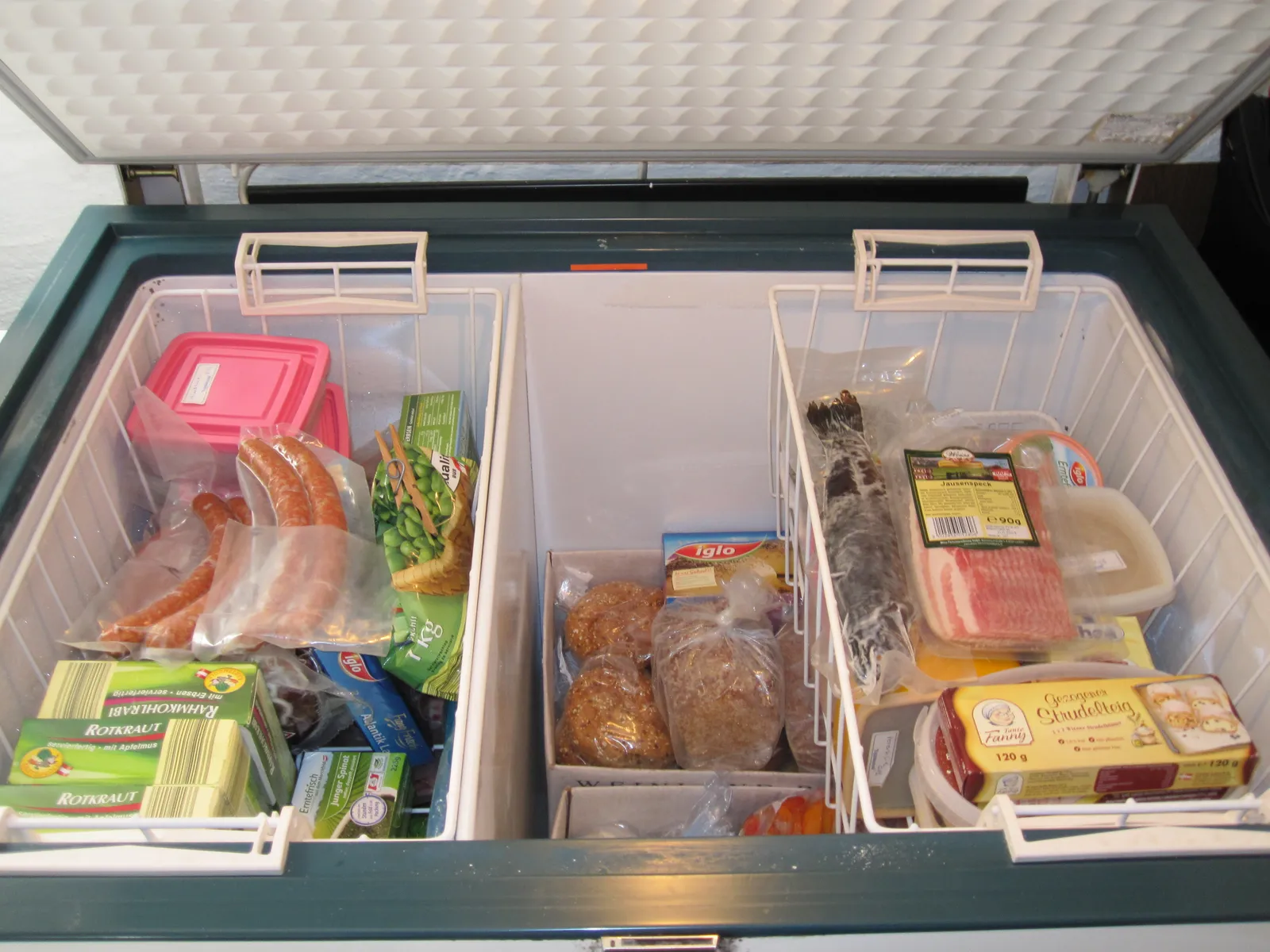
Frost is not random. It follows a clear logic rooted in moisture, temperature, and airflow. Every time warm air enters your freezer, every improperly sealed package, every minute the door lingers open, it all adds up into that white crust you end up chipping away at.
The good news is that most of the causes are well within your control. Checking door seals, cooling food before freezing it, keeping vents clear, and wrapping food properly are all small habits that meaningfully reduce frost buildup. The freezer will reward the effort with better efficiency, lower energy bills, and food that actually stays in good condition longer.
AI Disclaimer: This article was created with the assistance of AI tools and reviewed by a human editor.