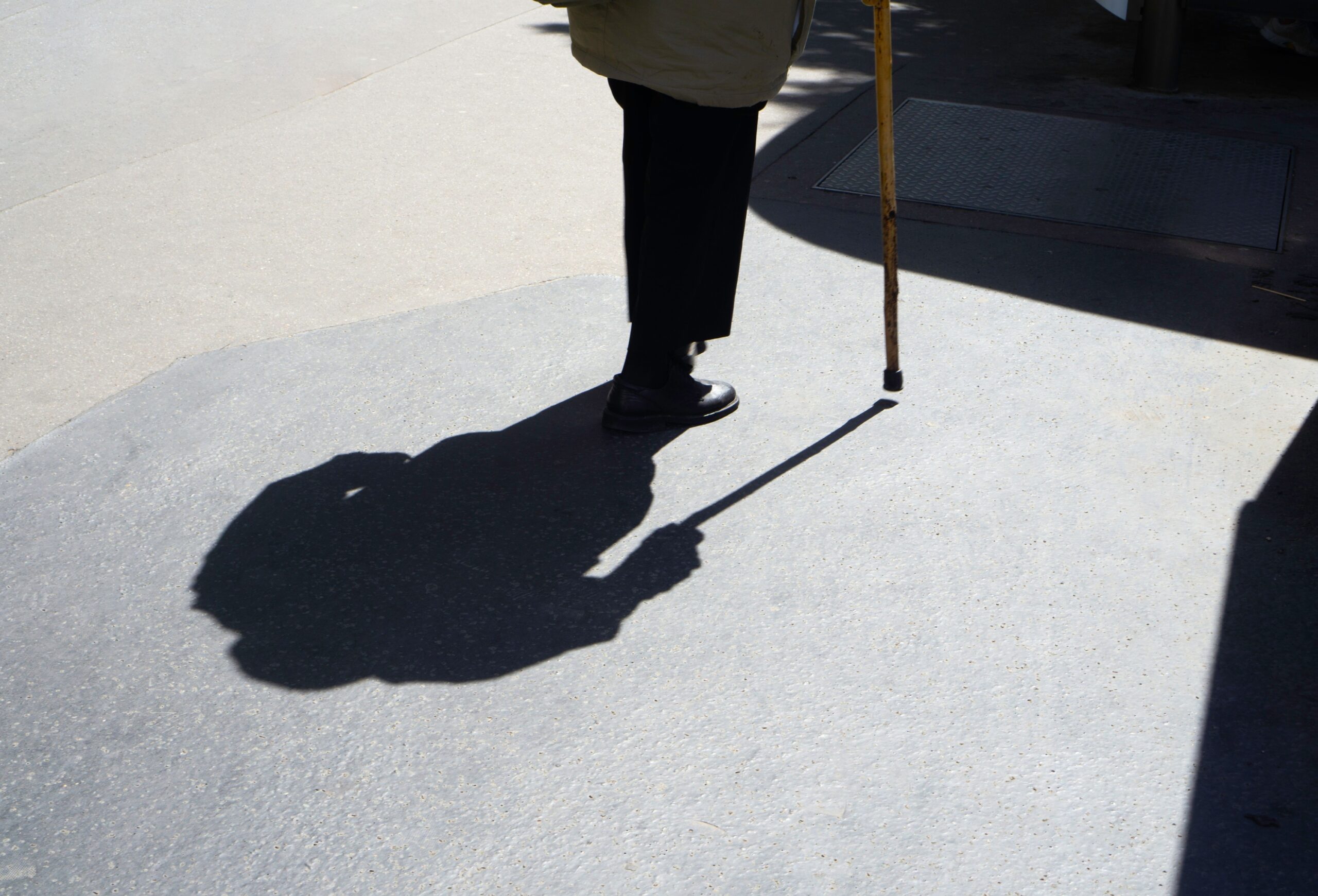

The Stigma That Comes With the Stick
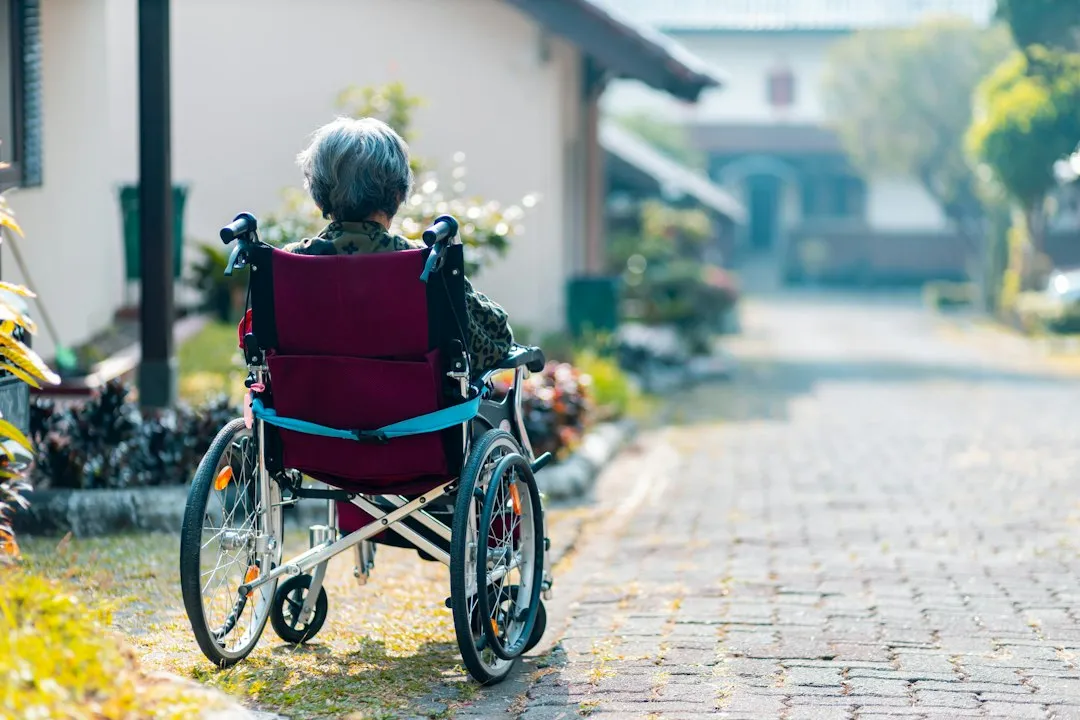
Few objects carry as much social weight as a cane. Research published across geriatrics literature consistently shows that many older adults require assistive technology to maintain mobility, but concerns about experiencing prejudice because of mobility devices can deter use. The cane, in many people’s minds, is not just a tool. It’s a public announcement.
Walker and cane use among older adults is often avoided because of the stigma of using one. That stigma is internalized long before anyone hands over a prescription. For some people, the moment they imagine walking into a grocery store or a family gathering with a cane, the discomfort is enough to override all practical reasoning. Social pressures and perceived stigma deter mobility aid use, particularly in minority populations.
The Identity Problem: “I’m Not That Old Yet”
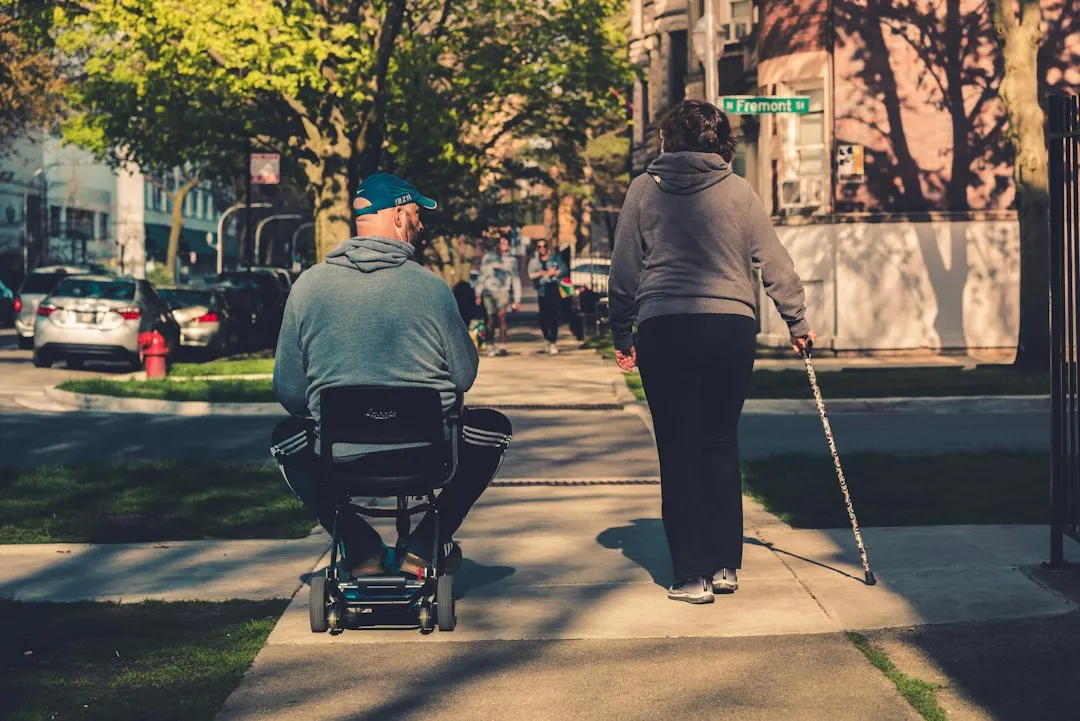
A cane doesn’t just signal physical limitation. For many older adults, it signals a change in who they are. Independence as a central value guiding behavior can lead to reluctance to seek support, and a cane can feel like a direct challenge to that core sense of self. The inner voice says: “People who use canes are old. I am not old.”
The association of mobility aid use with aging and physical decline contributes to stigmatizing attitudes. This creates a situation where accepting a cane feels less like gaining support and more like surrendering an identity. It’s a loss people grieve quietly, often without anyone around them realizing it’s happening.
Forgetfulness and Habit Are More Common Than You’d Think

Not every refusal is emotionally loaded. Sometimes the cane simply sits by the door. Seventy-five percent of respondents who fell were not using their device at the time of fall despite stating that canes help prevent falls. Reasons for nonuse included believing it was not needed, forgetfulness, the device made them feel old, and inaccessibility.
Habit formation is genuinely difficult, especially for someone who has spent decades walking unassisted. Integrating a new object into daily movement is a cognitive and physical adjustment that doesn’t happen automatically. Without structured follow-up from a healthcare provider, the cane often stays unused, not out of stubborn resistance, but simple inertia.
Underreporting Falls Keeps the Problem Hidden

More than one in four adults 65 and older falls each year, but less than half tell their doctor. When falls go unreported, healthcare providers have no visible trigger to recommend a cane, and older adults have no external prompt to accept one. The cycle quietly sustains itself.
Falling once roughly doubles the risk of falling again, so a first fall is the point at which an assessment is most useful. The problem is that assessment often never happens because the fall is never mentioned. Shame, pride, or the genuine belief that the fall was a one-off freak accident all contribute to this silence. The cane that might have been prescribed never enters the conversation.
Fear of Falling Can Actually Reduce Cane Adoption

It might seem logical that someone afraid of falling would eagerly use a cane. The reality is more complicated. Fear of falling causes many older adults to avoid walking, shopping, and social activity, and that inactivity itself raises fall risk. When someone withdraws from activity entirely, there’s a kind of twisted logic in which the cane becomes unnecessary because they’ve already stopped moving.
Falls efficacy and fear of falling are key psychological constructs influencing mobility, independence, and quality of life among older adults. When fear becomes paralysis, a cane isn’t rejected so much as it becomes irrelevant to a person who has already given up the activities that would require one. This is one of the more troubling outcomes of untreated fear of falling.
Mood and Mental Health Play a Measurable Role

The link between emotional state and cane use is not intuitive, but the research is clear. Binomial logistic regression analysis revealed that the presence or absence of cane use was significantly associated with open-eyed one-leg standing time and depressed mood. Depression doesn’t just affect motivation in a general sense. It appears to shape decisions about assistive devices specifically.
This study highlights that open-eyed one-leg standing time and depressed mood are stronger predictors of cane use than muscle strength, cognitive function, or fall history. That’s a striking finding. It suggests that someone who is physically unstable but emotionally withdrawn may still avoid a cane, while someone with reasonable balance but significant mood difficulties may be more likely to accept one. The clinical picture is rarely just about the legs.
The Design of the Cane Itself Is Part of the Problem
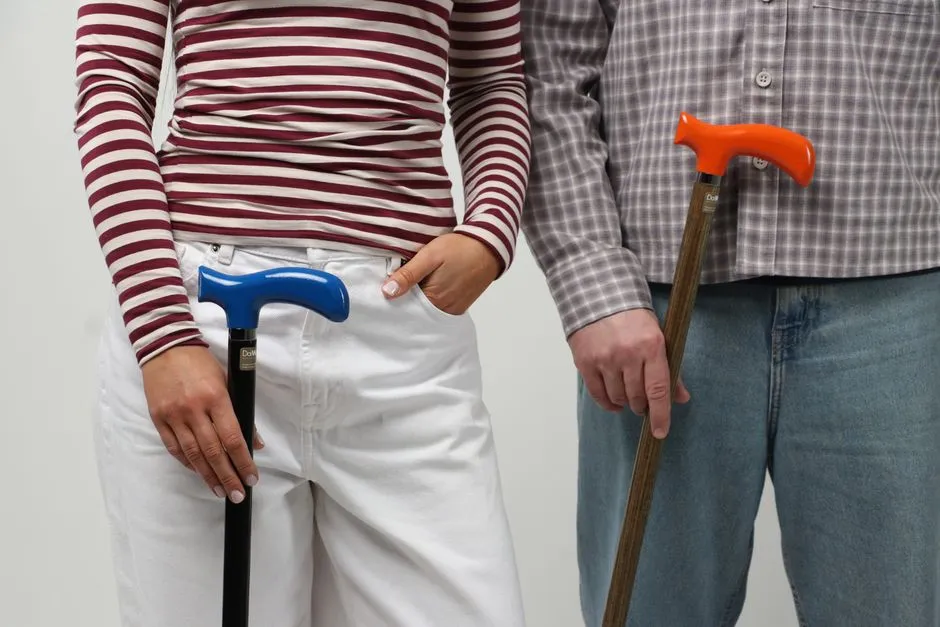
Standard canes don’t look good, and that matters more than designers and clinicians have historically acknowledged. It is commonly suggested that the unappealing appearance of many assistive devices discourages their adoption and use by elderly people. When something looks clinical and institutional, it reinforces exactly the associations people are trying to avoid.
Older adults often hesitate to use canes due to a mismatch between their specific needs. A 2025 study that recruited 142 older adults to explore their attitudes found that personalization and user-centered design significantly changed how people felt about using a cane. For many, informal solutions such as umbrellas or furniture are preferred over formal aids owing to familiarity and a lower perceived stigma. People would rather lean on a shopping cart than carry something that labels them as a patient.
Cultural Background Shapes the Refusal
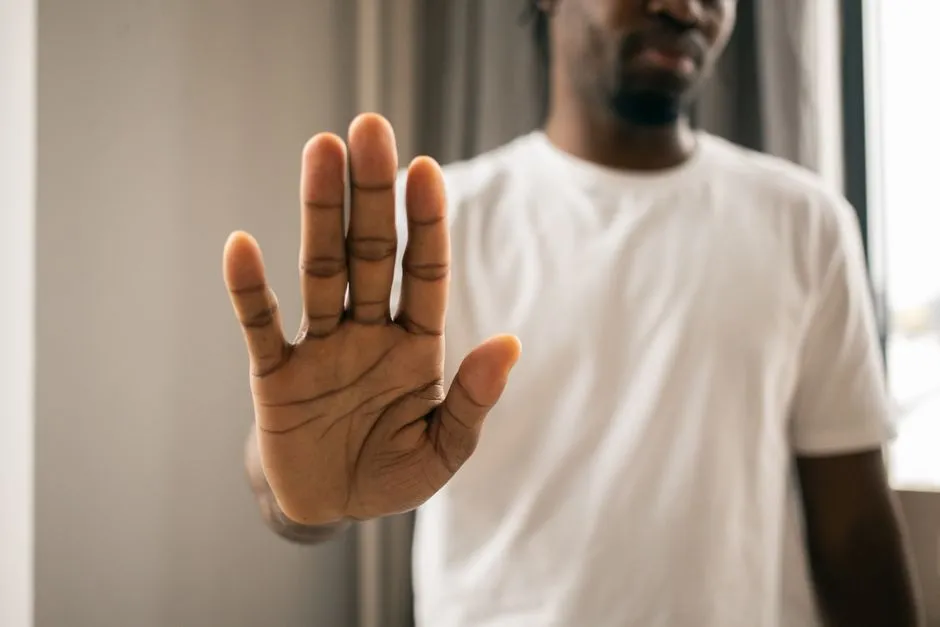
The reluctance to use a cane isn’t universal in its shape or intensity. It shifts across cultural contexts in meaningful ways. Black and Hispanic participants expressed apprehension about using unsafe or inappropriate secondhand equipment, heightened concerns about mobility aid users becoming subjects of negative biases, and a preference for fashionable aids.
These concerns add layers beyond simple vanity. They reflect real experiences of how disability and aging are perceived within specific communities, and how the visible use of an aid can interact with existing racial or social biases. Addressing cane refusal effectively means recognizing that one conversation won’t fit all patients. The cultural context shapes what a cane means and what it costs to be seen using one.
Mismatched Perception of Need

Many older adults who need a cane genuinely don’t believe they do. Those who used a cane were older adults with low physical and cognitive function, depressed mood, fear of falling, and a history of falls, while those who didn’t use one often perceived themselves as still managing well enough. That gap between self-assessment and clinical reality is significant.
Walking aids, including canes, assist older adults with poor balance and promote independence in daily activities, and findings indicate that older adults with impaired balance ability need to be prescribed a cane. Yet impaired balance often develops gradually, making it easy for the person experiencing it to normalize each small decline. By the time the need is objectively obvious, the habit of not using a cane is already entrenched.
The Evidence That Canes Genuinely Help Is Being Missed
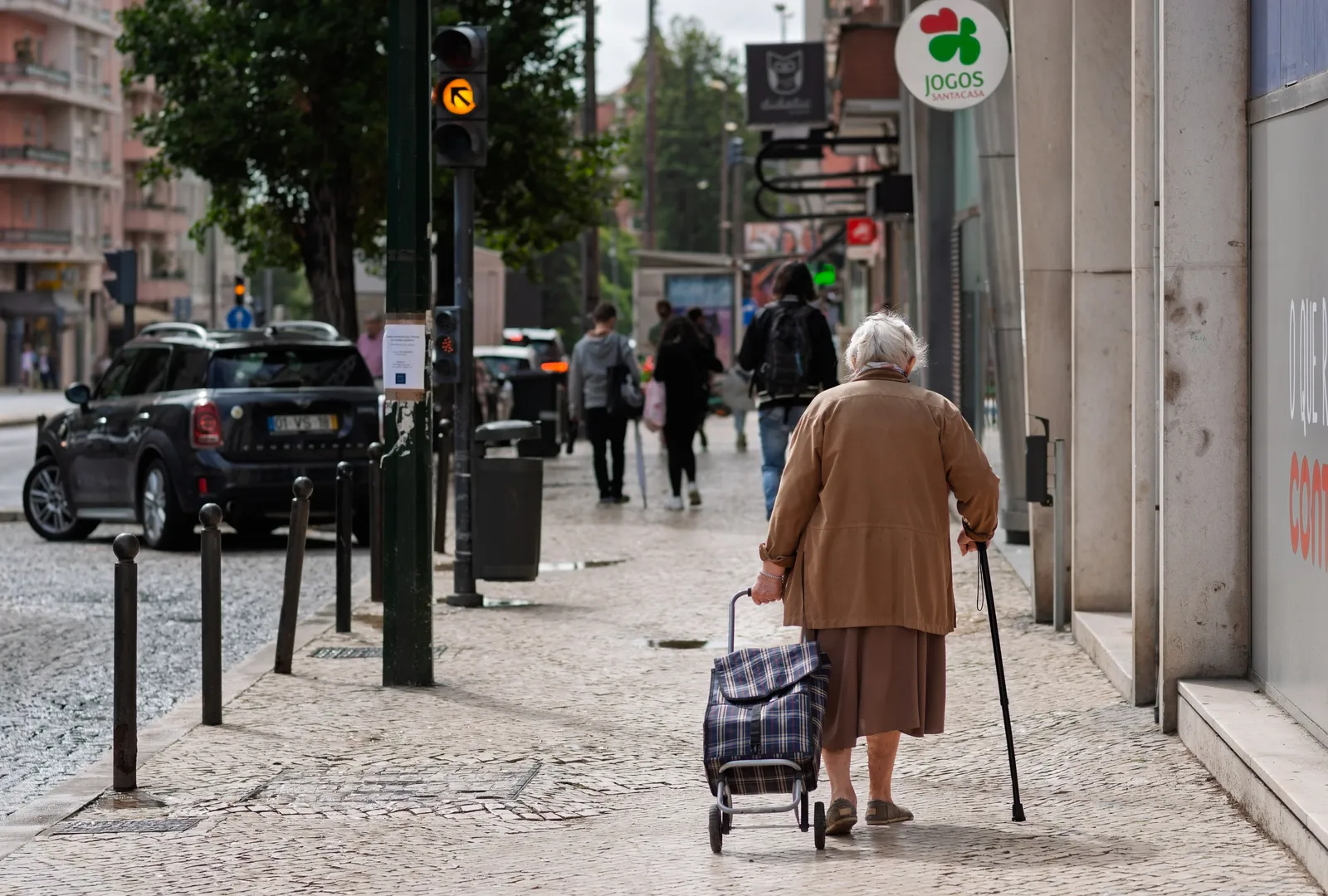
The clinical argument for cane use is not ambiguous. Even when older adults fall while using an assistive device such as a cane, they experience fewer and milder injuries. The protection isn’t just about preventing falls. It’s about reducing the severity of harm when a fall does happen, which matters enormously for recovery and long-term independence.
This message must be conveyed more effectively to the older population. The gap isn’t just between need and use. It’s between what the evidence shows and what older adults actually understand about how a cane would change their outcomes. The stigma associated with assistive devices may reduce social participation and hinder the community integration of older adults, which means that refusing a cane often costs people far more socially than accepting one ever would. That reframing, more than any warning about falls, may be the message most worth delivering.
The Takeaway
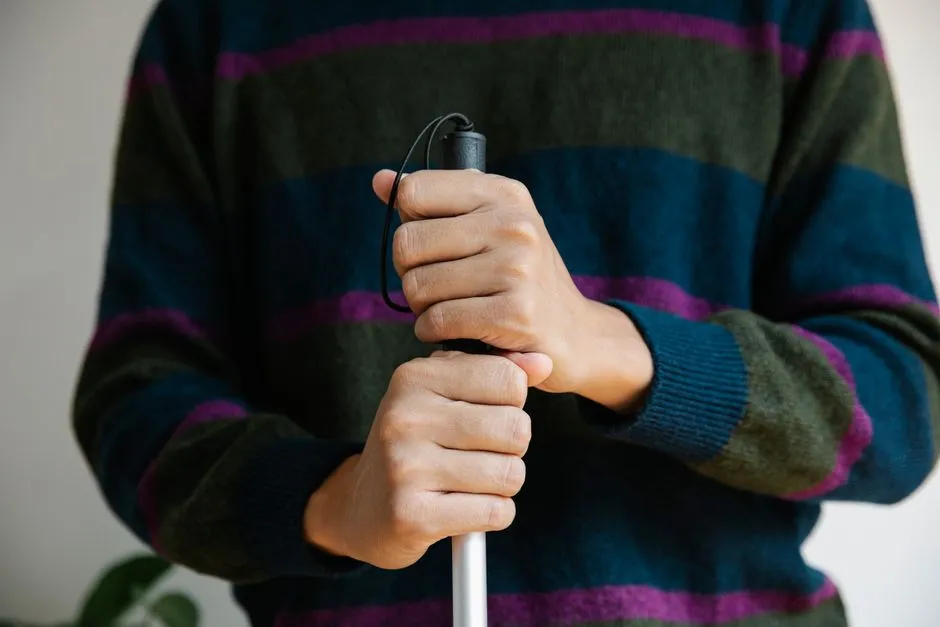
Cane refusal is rarely a single thing. It’s a tangle of identity, fear, habit, design, culture, and mood, all pressing against a simple piece of equipment that could genuinely help. The research from 2024 and 2025 reinforces that the barriers are psychosocial as much as physical, which means clinical recommendations alone won’t move the needle.
What tends to work is meeting people where the resistance actually lives. That means asking about how someone feels about using a cane, not just whether they fall. It means involving physical and occupational therapists in device selection. And it means acknowledging that the discomfort of using a cane is real, even if the alternative carries risks that are far more serious. Dignity and safety don’t have to be in conflict. The challenge is helping people see that.
AI Disclaimer: This article was created with the assistance of AI tools and reviewed by a human editor.