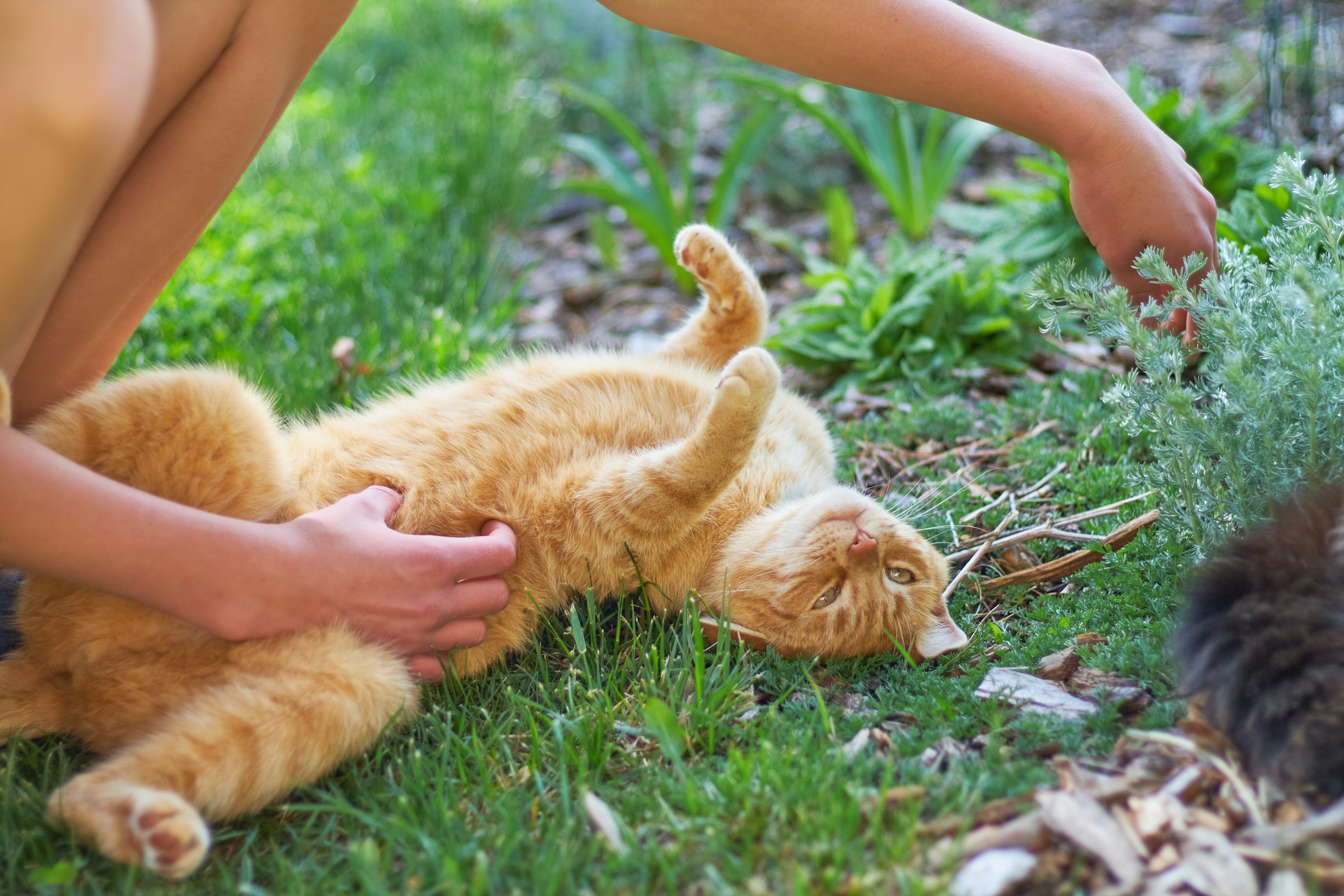

It’s Basically a Trust Certificate
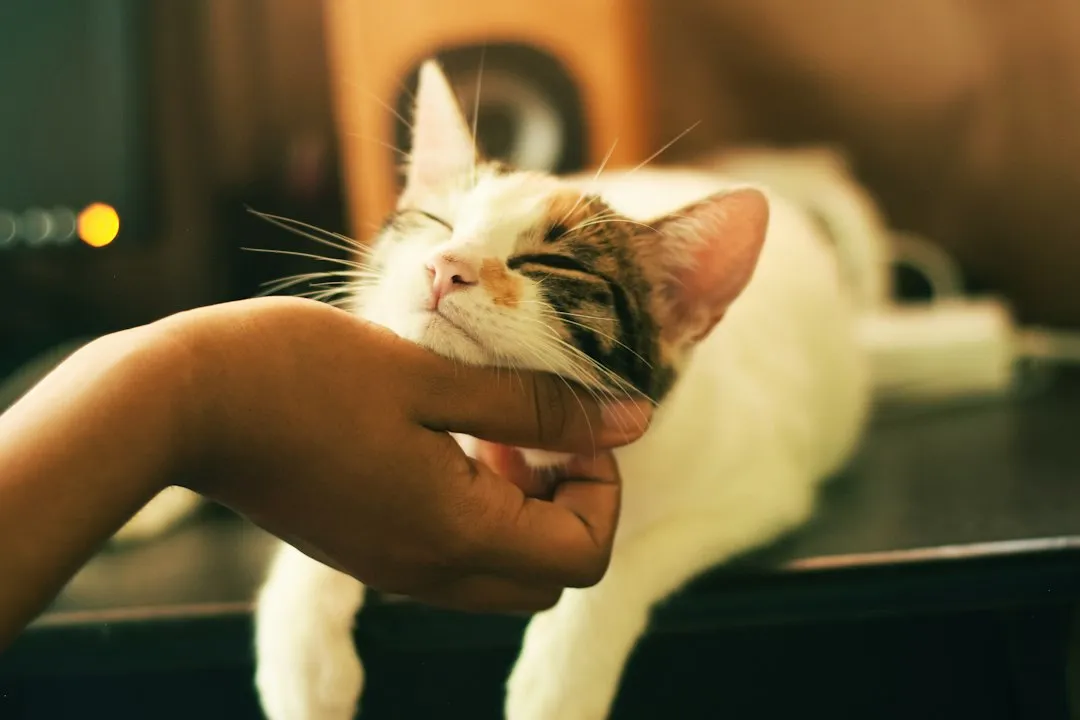
The most common reason a cat flops down on their side is to express love and trust toward you. House cats still know instinctually that their belly is the most vulnerable part of their body. So when a cat flops down in front of you, their body language signals that you’re not a threat and they’re comfortable exposing that area to you.
When a cat lies on its side or back and displays its abdomen, it voluntarily gives up its fastest escape mechanism. That’s not a small gesture. A cat who rolls over on their back and shows you their tummy is completely vulnerable, and they would only do this with people they know, trust, and feel completely safe with.
The Flop as a Greeting
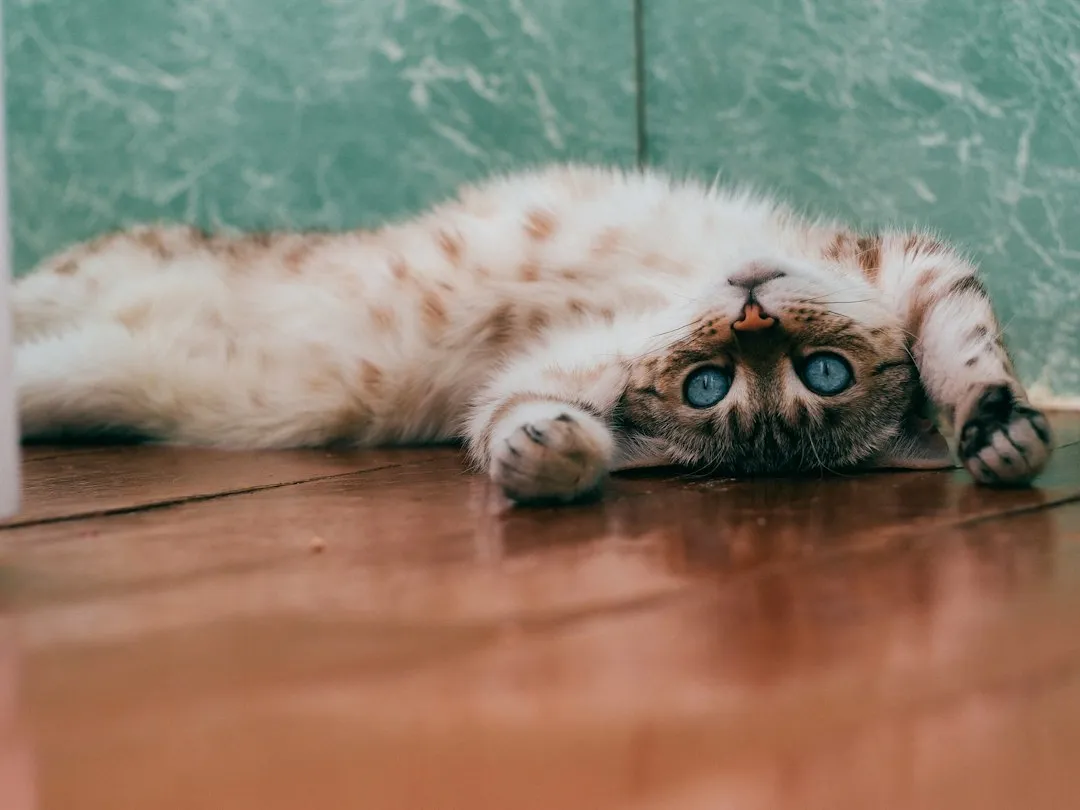
Cat behaviorist Dr. Mikel Delgado explains that when cats roll over in front of their humans, it’s a powerful sign of trust and affection. It’s easy to assume that a cat rolling over wants a tummy scratch, but in most cases it’s the opposite. The flop is more of a social signal, a way of saying hello or asking for attention without words.
Animal behavior specialists note that cats use this move both with their humans and other cats they trust. You will see this happen most often when you enter a room or approach the animal. Think of it as the feline equivalent of a wave.
It’s Rooted in Natural Instinct
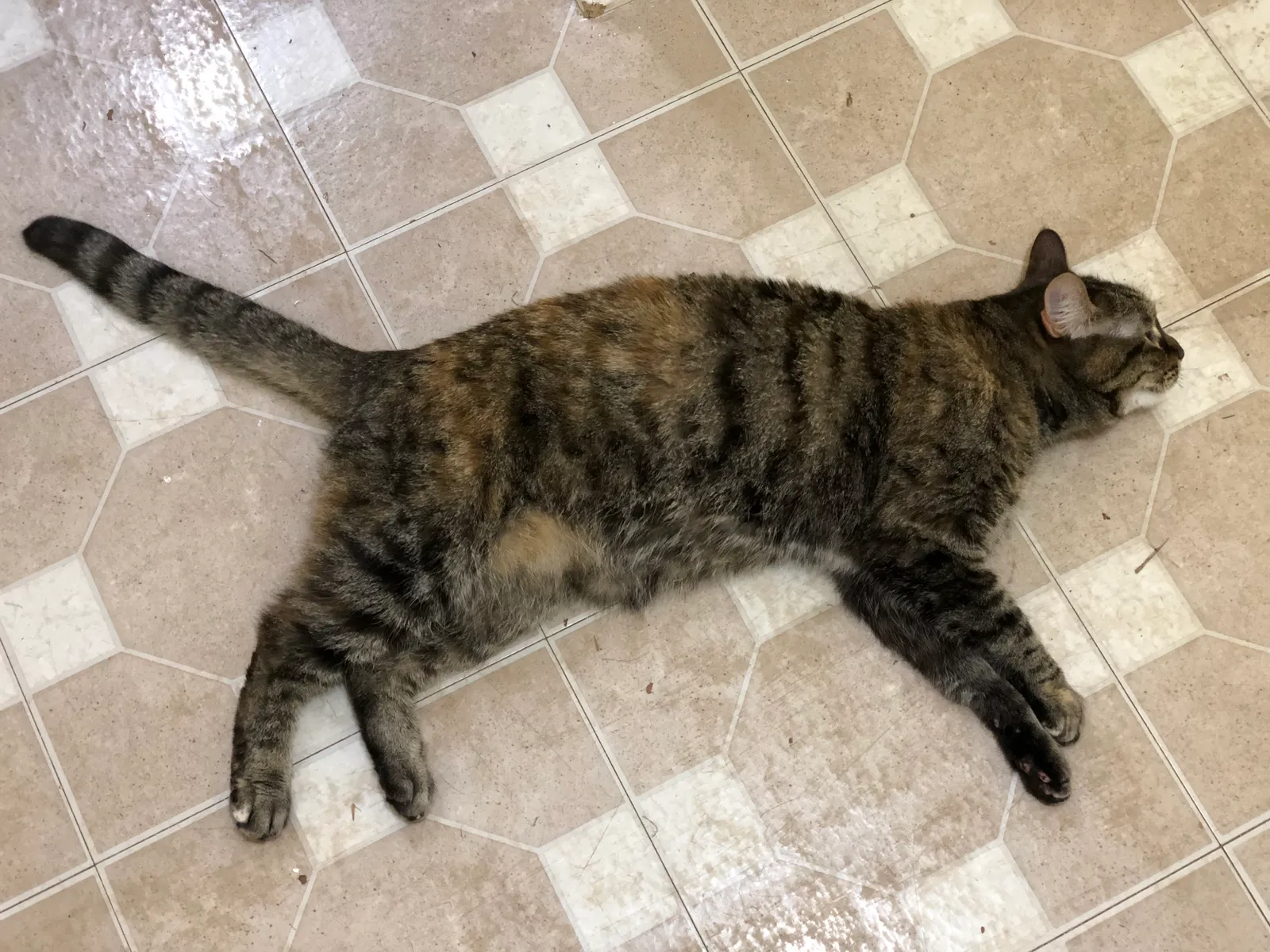
The cat flop is primarily a natural instinct rooted in feline social structures. Dropping to the side is a non-threatening gesture that reduces the animal’s size. We can trace this behavior back to the wild ancestors of domestic cats. In the wild, exposing the belly can be a sign of submission to a dominant cat. However, when an indoor cat does this, it’s less about acknowledging dominance and more about bonding with their trusted human.
When a cat flops onto its side or back in your presence, it’s essentially showing trust and vulnerability, a behavior that stems from an instinctual response harking back to their wild ancestors. Over thousands of years of domestication, that instinct shifted from a signal between cats to a signal aimed directly at us.
It Can Also Mean “Let’s Play”
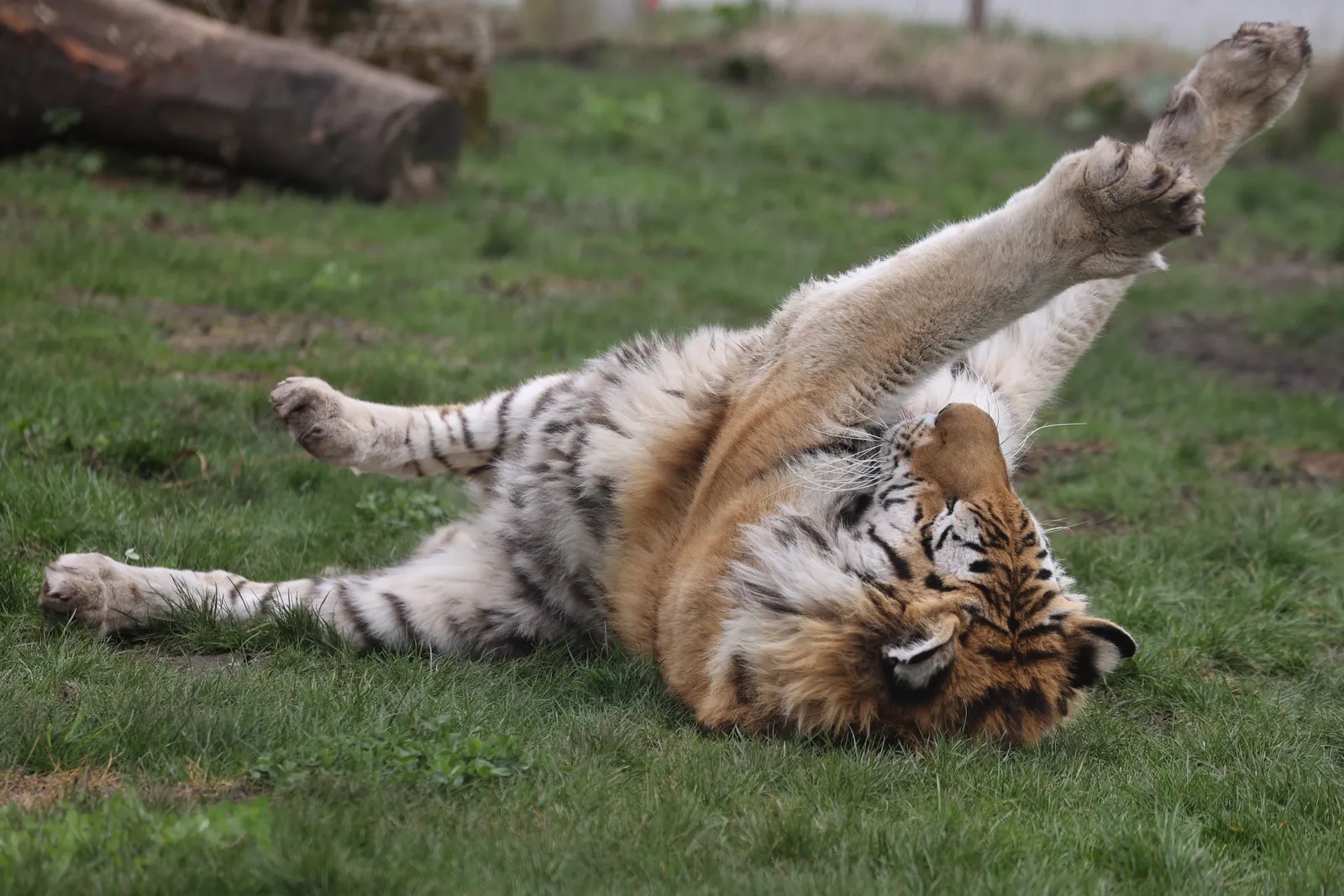
According to certified cat behaviorist Amanda Campion, this action signifies trust, comfort, and a willingness to show vulnerability, but sometimes it might also suggest that your cat is feeling in a playful mood and wants to engage with you.
The rolling flop is part come-play-with-me and part show of confidence, since a cat would never expose its belly to something it perceived as a real threat. If your cat enjoys spending time with you and sees you as part of their family, they may want to play with you. We often compare cats to dogs and see them as more independent, but this doesn’t mean they’re not playful.
Scent Marking Is Part of the Picture
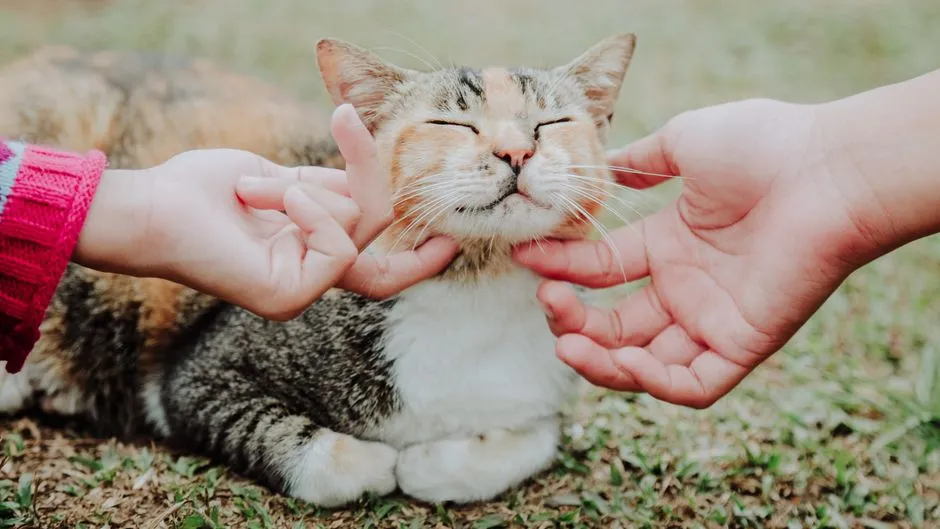
Many cats will flop in front of their owners and then vigorously mark the ground with their cheeks as they roll back and forth. This spreads the cat’s scent and lets the feline world know that this is their territory.
Cats have glands on their cheeks and flanks, so rubbing against surfaces or people claims territory. If your cat does it in front of you, it’s possible they want to alert other cats that they value you as one of their most important resources. Cats also mark for their own well-being. So in a roundabout way, being flopped at is a form of ownership. You’ve been claimed.
It’s Not Always an Invitation to Touch the Belly
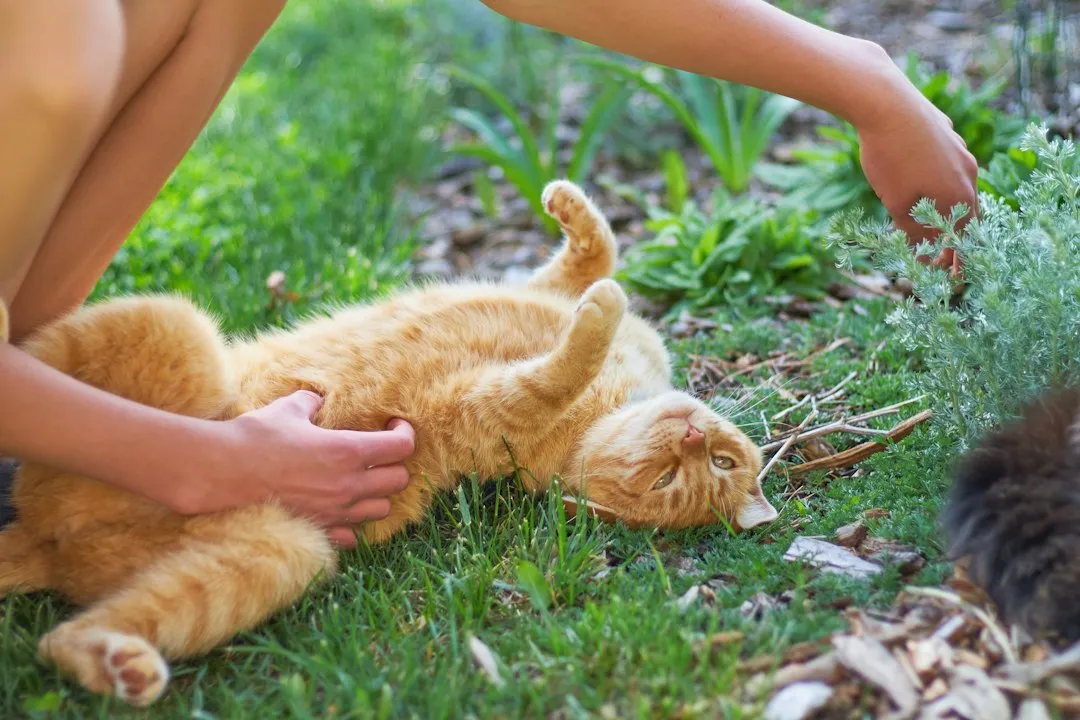
Amanda Campion, a cat behaviorist with over 30 years of experience in feline care, has shared her insights on this clearly: “Cat flopping on its side is an invitation to interact and offer trust, but it doesn’t always mean touch the belly.”
Belly rubs, while irresistible, are actually seen as threatening behavior by cats. When they flop down, they are showing you affection, not necessarily asking for a rub. When your cat flashes its belly, it communicates peace, and how you respond dictates whether that trust endures or dissolves into defensive swatting. Reading the room matters.
Body Language Tells You the Real Story
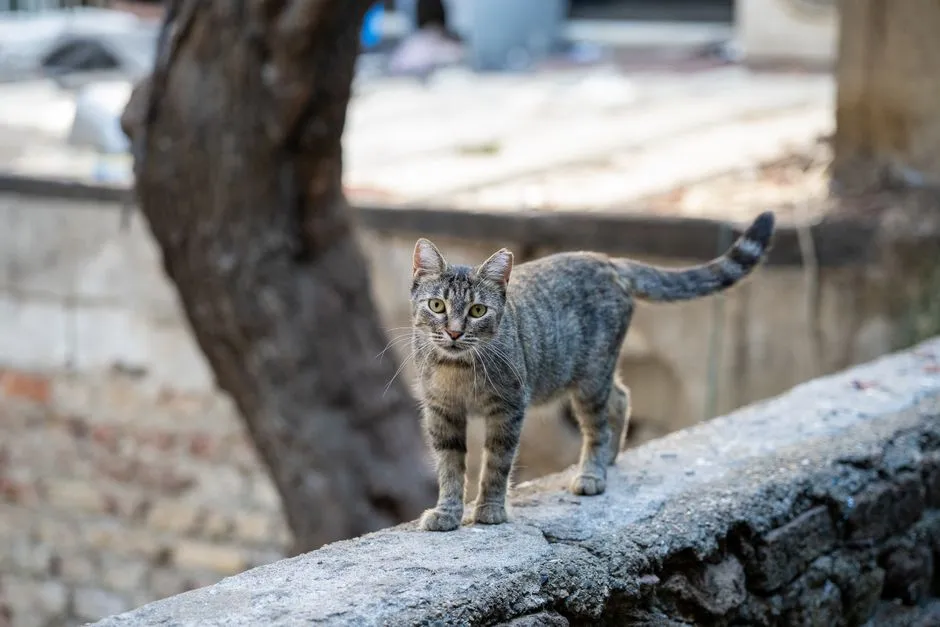
To determine their mood, paying close attention to their body language is essential. If the cat seems relaxed, the body will be very soft. If they feel tense, the body will be much tighter. If the tail flicks or the ears flatten, they definitely don’t want any attention and they don’t want that belly rubbed.
When a cat lies belly-up with genuine trust, its ears remain in their neutral, forward-facing orientation. They do not flatten against the skull or rotate rapidly to scan the room for threats. That forward ear position is your green light. Flattened ears are a stop sign.
Feral and Poorly Socialized Cats Rarely Do It
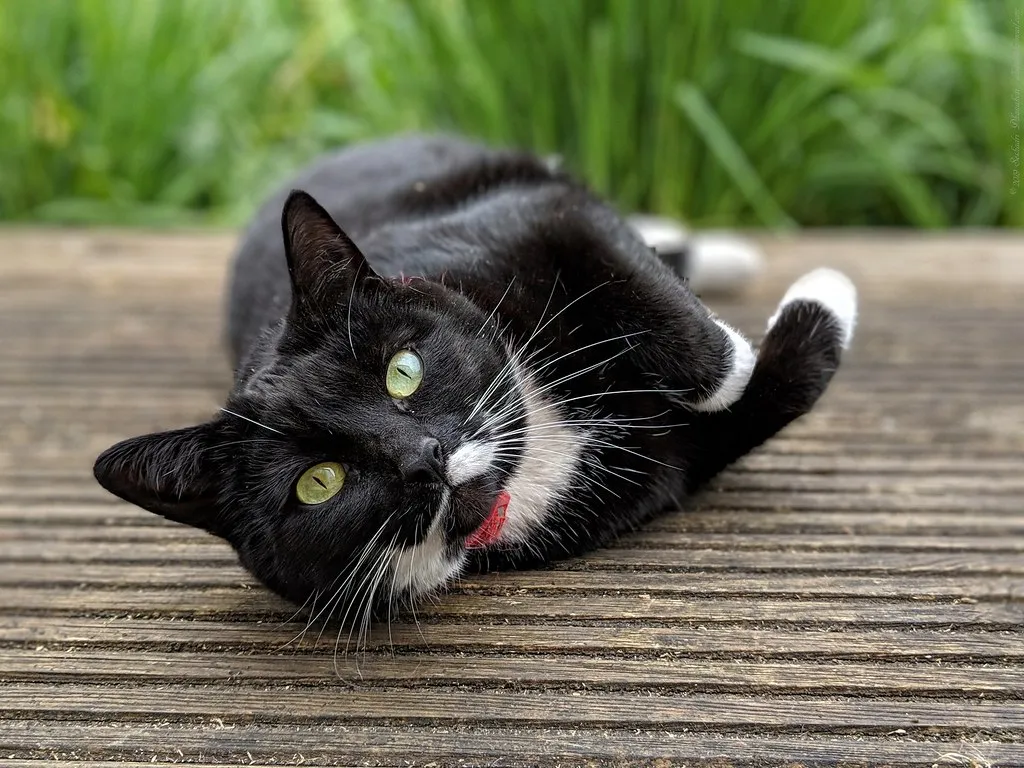
Feral or poorly socialized cats rarely expose their bellies. The belly-up position is a vulnerable one, so cats only adopt it when they feel secure in their environment. That is why you almost never see a nervous or newly rehomed cat sleeping belly-up in the open.
This actually makes the flop feel even more meaningful. It tells you something specific about where you stand with your cat, and that standing has to be earned over time through consistent, gentle interaction. By exposing this delicate area, cats are communicating their reliance on you for protection and care, and this behavior is especially common among cats who share strong bonds with their human companions.
Catnip Can Trigger a Similar Flop for Very Different Reasons
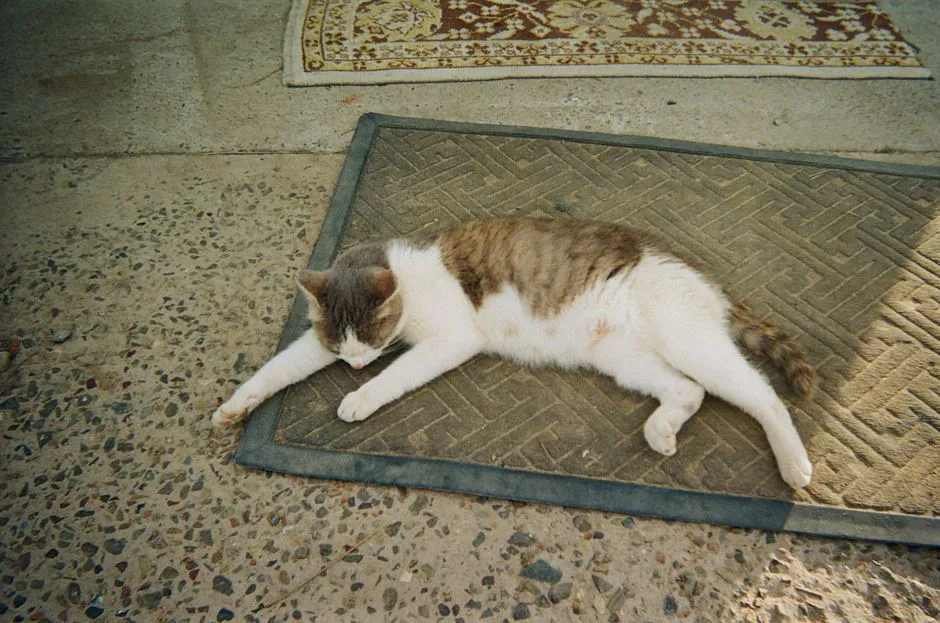
Catnip can make even the most distinguished feline turn into a little rolling enthusiast, and it could explain your cat’s flop. Catnip contains a compound called nepetalactone, and that’s primarily what your cat is reacting to.
A catnip-induced flop differs significantly from a spontaneous affection flop in its origin. While both result in the cat being on its side, the catnip version is a drug-like response rather than a social bond signal. Catnip has a stimulating effect on about 65 percent of cats, so if your cat recently encountered a catnip toy, their floor theatrics may have nothing to do with how they feel about you personally.
Unspayed Female Cats May Flop for Hormonal Reasons
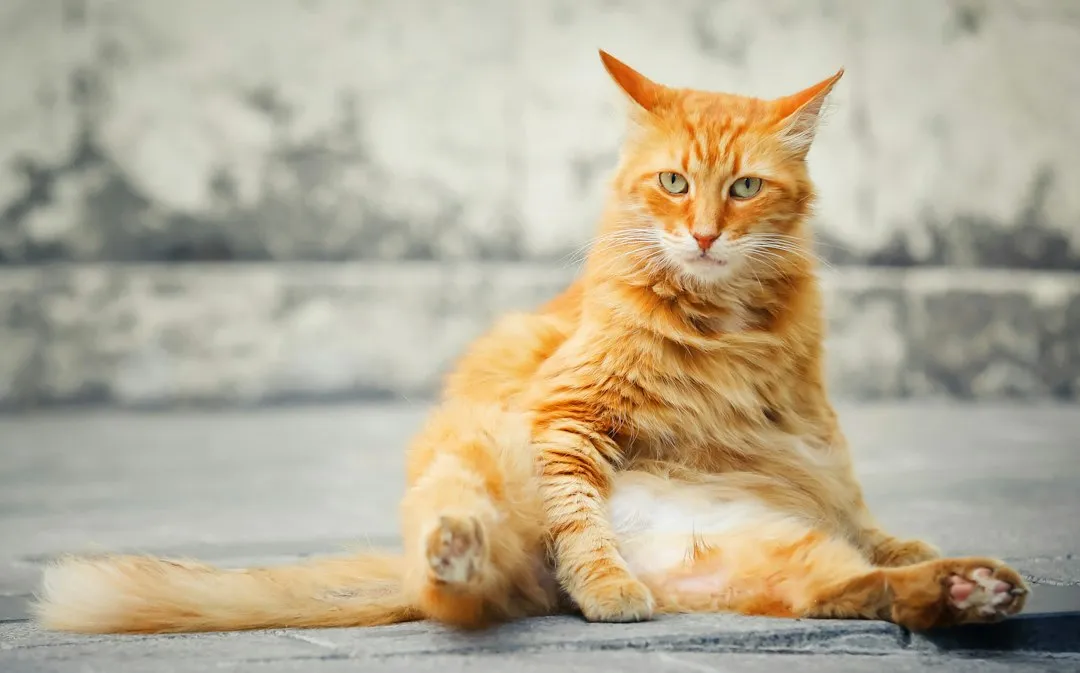
For unspayed female cats, flopping and rolling is a normal part of mating behavior. During the estrus phase of the heat cycle, increased affection, rolling on the floor, vocalizing, and urine spraying are common as the cat attempts to attract male cats.
When a female cat goes into heat, her behavior can change almost overnight. She may start rolling around more often, paired with loud meows, stretching, and dramatic arching against the ground. This kind of rolling is powered by hormones and acts as a clear message to any males nearby that she is ready to mate. If your unspayed cat is flopping and yowling, it’s worth considering this as the cause.
The Right Way to Respond When Your Cat Flops
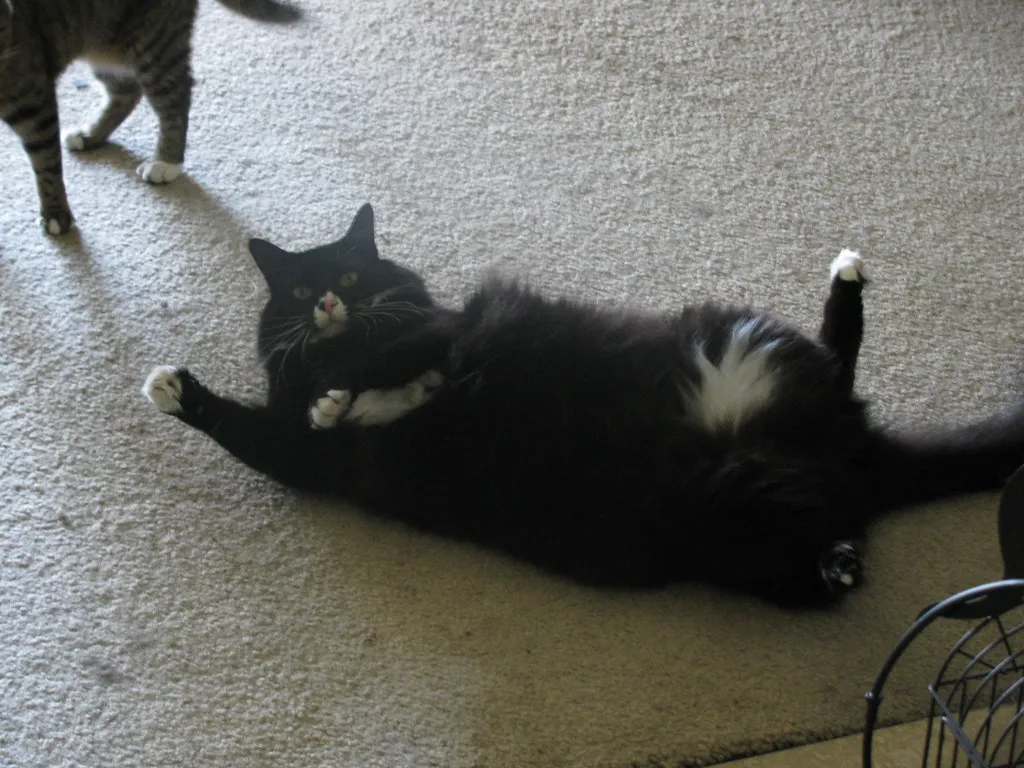
If your feline decides to flaunt its belly, best practice is to greet them and let them sniff your hand before stroking their head, and maybe engage in some playtime. Forcing physical contact, especially a belly rub, could backfire and make them feel uneasy.
Although it may seem like your cat is begging you to rub their belly, most cats are just letting you know that they feel playful, safe, and secure. Let them lead. A slow blink back, a soft head scratch, or simply sitting nearby is often all they’re really asking for.
The Takeaway
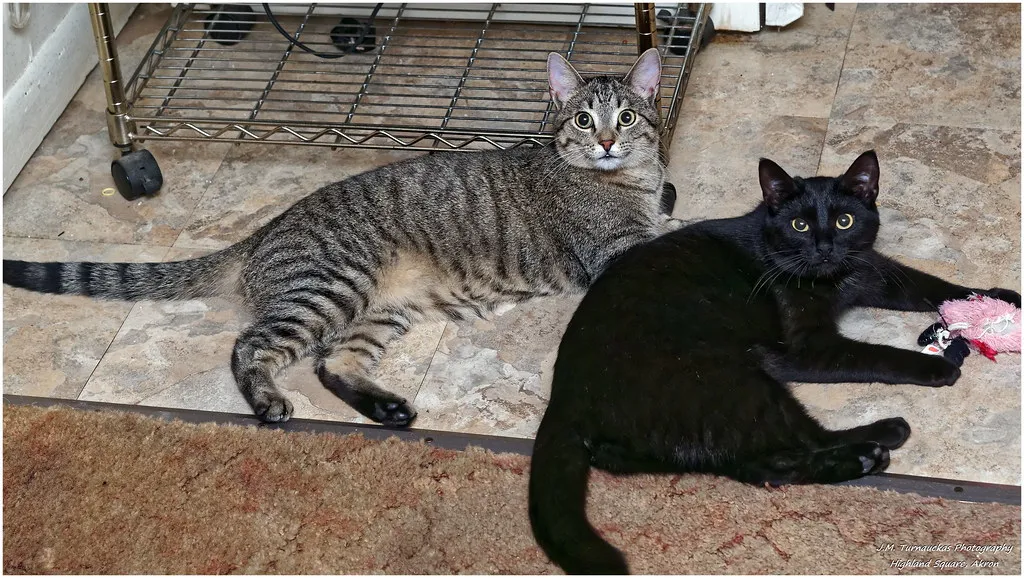
The flop is one of the more honest things a cat does. There’s no hiding it and no pretending. When a cat collapses onto their side the moment they see you, they’re offering something genuinely rare in the animal world: unguarded comfort in the presence of another living creature.
You don’t need to overthink the response. Just read the body language, respect the belly, and appreciate what it took for a small, instinctively cautious animal to decide that you, specifically, are safe enough to drop their guard around. That’s worth something.
AI Disclaimer: This article was created with the assistance of AI tools and reviewed by a human editor.