
Most people pick their bedding the same way they pick a coffee order: quickly, by habit, without much reflection. Yet the choices you make in that sleepy aisle of the home goods store, or while scrolling through duvet sets at midnight, tend to reveal something genuinely honest about who you are. Your bedroom is one of the few spaces in your life that you don’t perform for anyone else.
From the colors you gravitate toward to how much layering you can tolerate, your bedding habits reflect priorities, personality traits, and comfort instincts that psychology research has actually started to document. Here’s what the science and the softer signals suggest about each style.
The All-White Minimalist: Order, Calm, and a Little Control
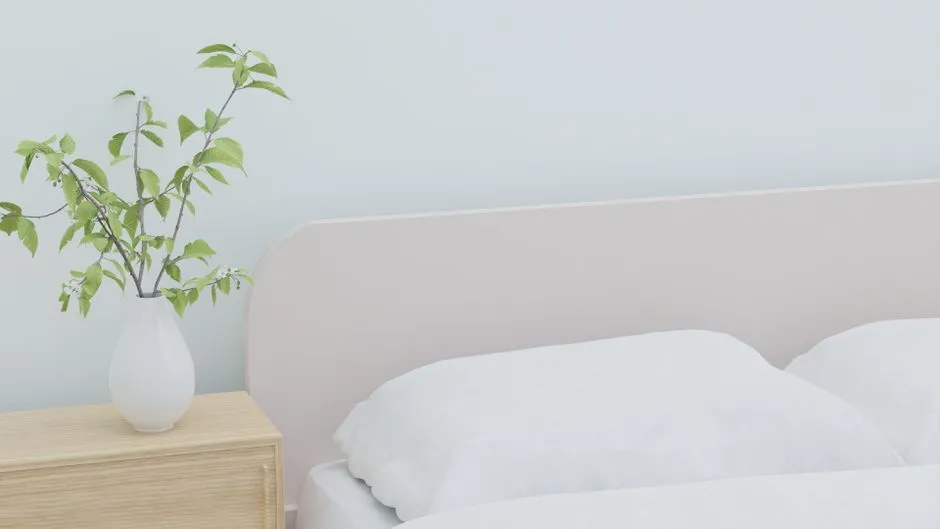
Crisp white sheets, a plain duvet, nothing fussy. This setup tends to belong to people who find mental clarity through visual simplicity. Many people gravitate toward white, beige, or light gray bedding because these colors exude cleanliness and serenity. There’s a sense of personal discipline in maintaining an all-white bed, since it shows stains immediately and demands upkeep.
Psychologically, the preference for minimal visual noise in a sleep space may connect to a broader need for control in daily life. Psychological research demonstrates that cluttered environments increase cortisol levels, the stress hormone that directly opposes sleep. The white-bedding person often knows this intuitively, even without reading the studies.
The Bold Color Lover: Expressive, High-Energy, Confident
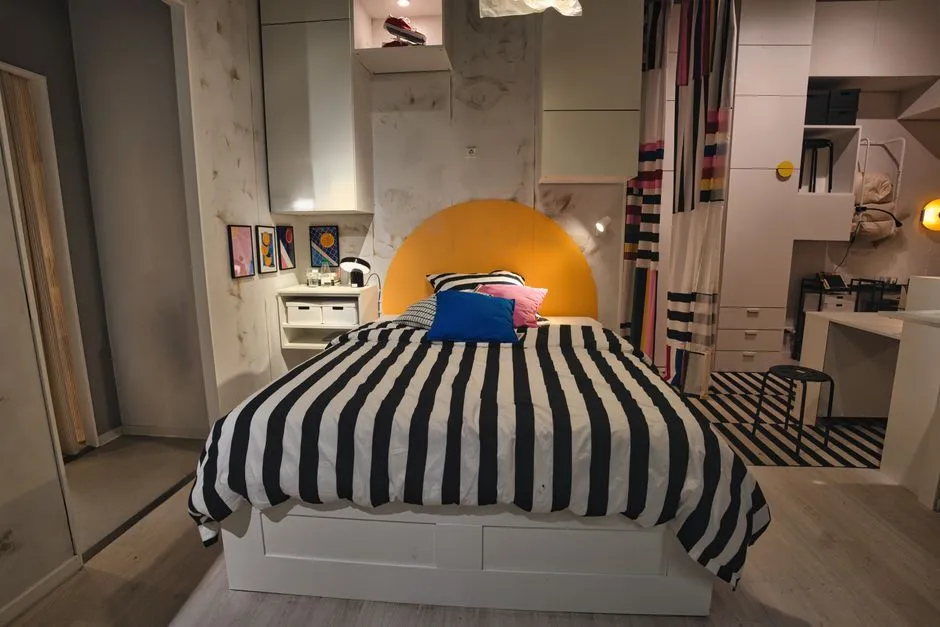
If your bed is dressed in deep jewel tones, saturated reds, or vivid oranges, you’re making a deliberate statement. Bright reds, oranges, and even purples are for those who love to make a statement with their bedding. This kind of person rarely worries about whether a color is “too much” for the bedroom.
The science adds some nuance here. Bright reds can increase the pulse rate by up to 10% in some individuals, which isn’t exactly ideal for wind-down time. That said, people who choose bold bedding often have a higher tolerance for stimulation and may genuinely sleep better when their space feels energized rather than hushed. It’s a personality-environment match, not a mistake.
The Floral Pattern Fan: A Romantic with Nature Leanings
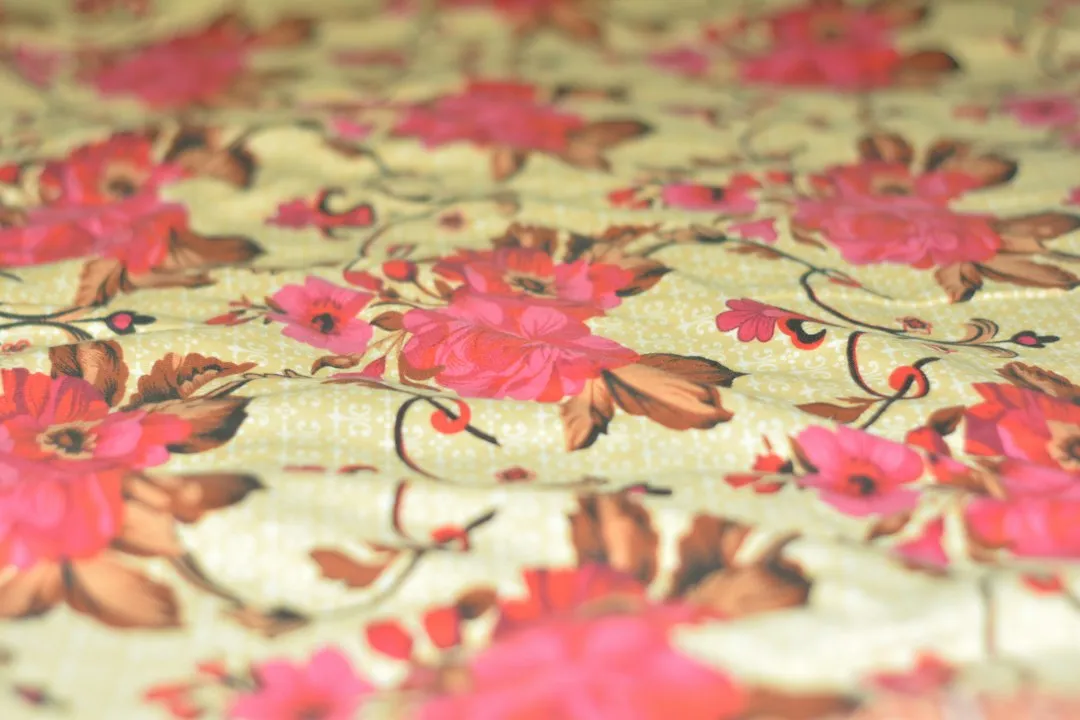
Floral bedding has cycled in and out of fashion for decades, but its loyal fans are consistent in their sensibility. If you’re someone who loves soft, romantic vibes and enjoys all things nature-inspired, floral bedding might be your go-to. This isn’t nostalgia for nostalgia’s sake. It often reflects a genuine orientation toward warmth, beauty, and organic forms.
People high in openness to experience, one of the Big Five personality traits, tend to seek out aesthetically rich and original surroundings. People high in openness tend to value fantasy, aesthetics, creativity and unconventional ideas, and according to a 2024 paper published in the Polish Psychological Forum, those high in openness are more likely to seek out original and fashionable clothing. The same sensibility almost certainly extends to the spaces they create for sleep.
The Geometric and Modern Minimalist: Structured Thinking, Clean Logic
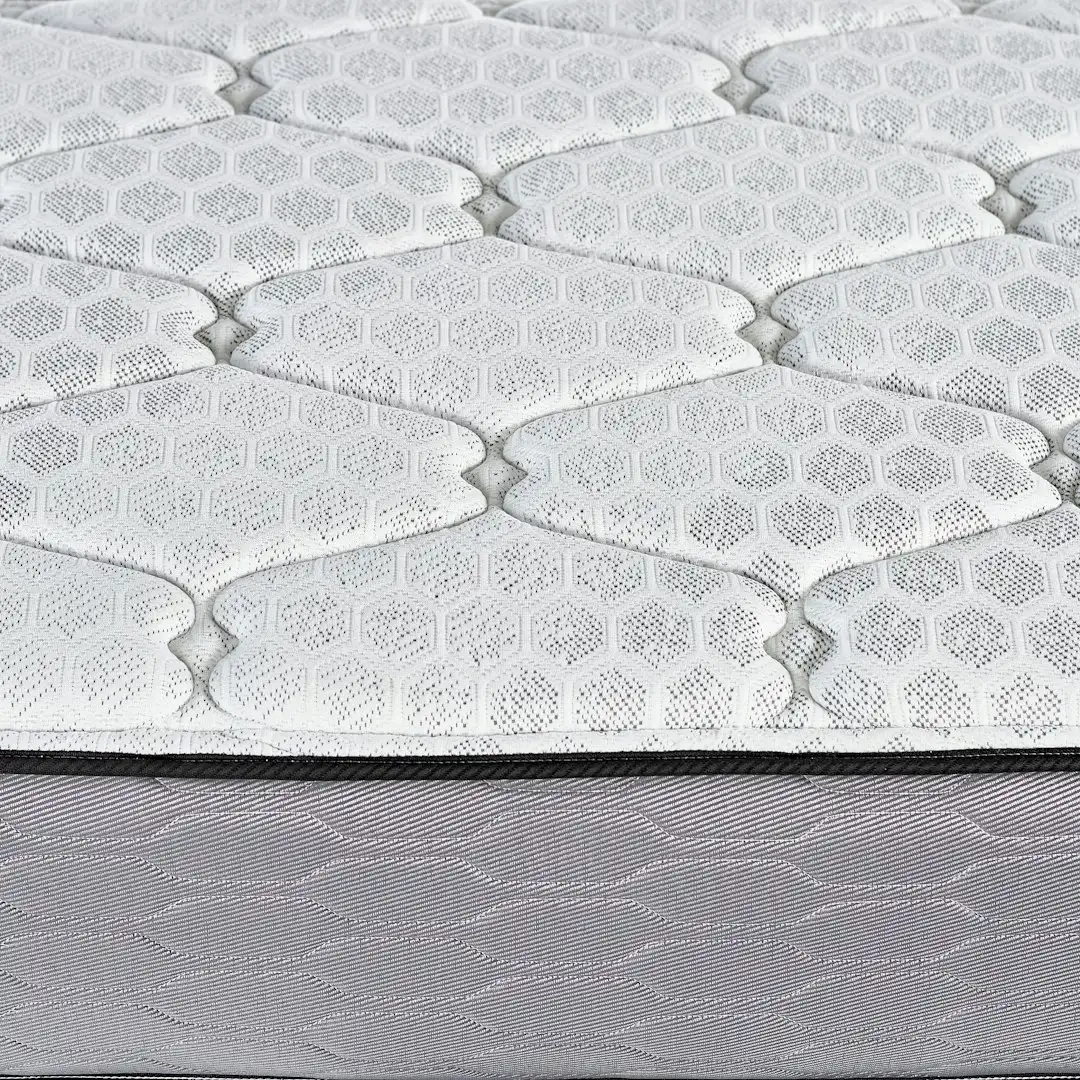
Stripes, grids, angular patterns. The geometric bedding person usually has an eye for structure and tends to think in systems. If you’ve always been drawn to sleek, modern designs and like to keep things organized and clean, geometric bedding is your match. This aesthetic is less about coldness and more about a preference for things that make visual sense.
Research on the Big Five personality model consistently links conscientiousness with orderly environments and habitual planning. Personality characteristics are factors that influence psychophysical health, an important component of which is sleep quality, and results of numerous studies have shown that basic dispositional traits and personality variables are related to sleep outcomes. The person who aligns their pillow seams and chooses a precisely patterned duvet is probably also someone who sets their alarm at a consistent time every night.
The Boho Layerer: Creative, Open, Resistant to Rules
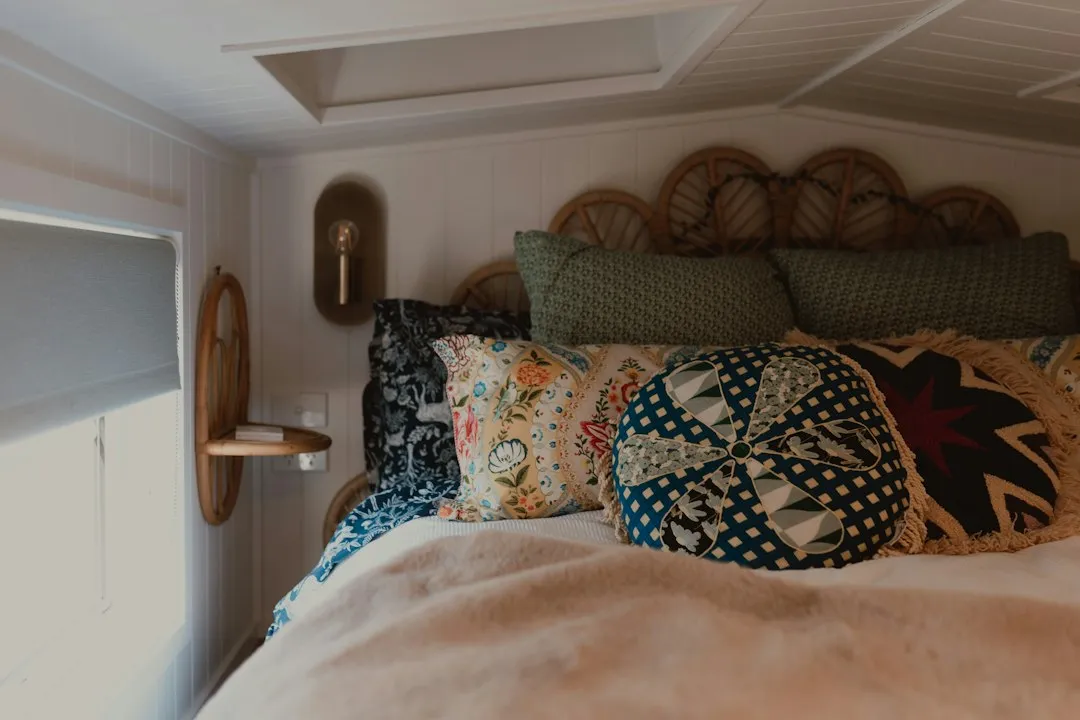
Boho bedding tends to look like a conversation: a mix of textures, prints, and colors that somehow work together. If you’re the kind of person who loves mixing and matching colors, textures, and patterns, boho-style bedding might be your best friend. This style takes confidence because it refuses to follow a single formula.
Layering is also a practical response to uncertainty about temperature or mood. It signals flexibility and a willingness to improvise. Research on personality and living environments suggests that those drawn to natural retreats and textured environments often score higher on emotional sensitivity. The boho bedroom is frequently a space built for feeling, not just for sleeping.
The Soft Pastel Dweller: Calm-Seeking, Harmony-Oriented

Light blues, pale pinks, and soft greens are soothing shades that create a tranquil environment, and bedding in these hues often reflects a person’s desire for harmony, rest, and balance. People who choose pastels tend to prioritize emotional regulation in their personal spaces, favoring environments that lower the temperature of the day rather than amplify it.
This preference has measurable physiological backing. Cool, desaturated colours, including soft blues, greens, lavenders, and greiges, consistently reduce physiological arousal, lower perceived heart rate, and promote relaxation. Pastel bedding lovers are often the same people who keep their notifications on silent and who genuinely look forward to bedtime.
The Dark Hue Enthusiast: Sophisticated, Private, Comfort-Driven
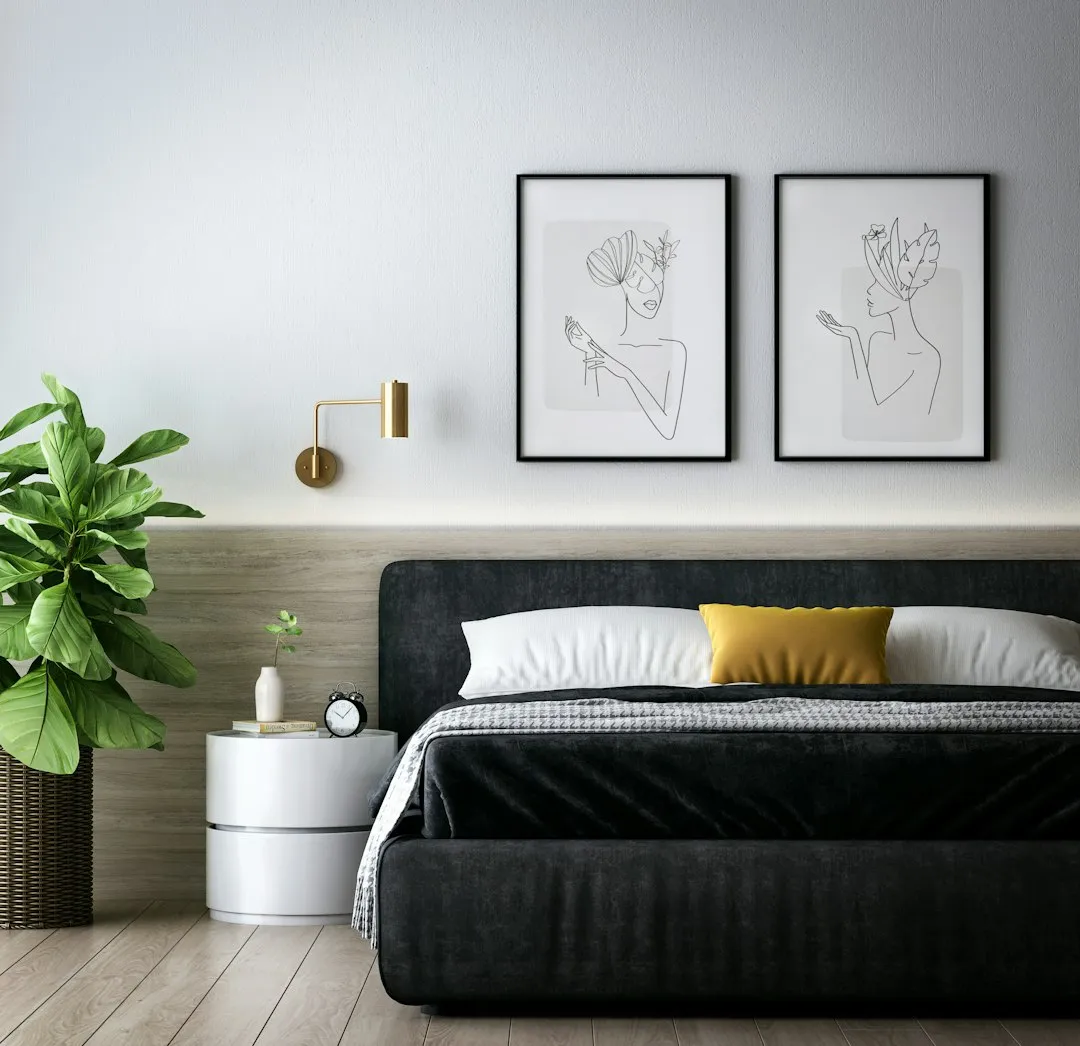
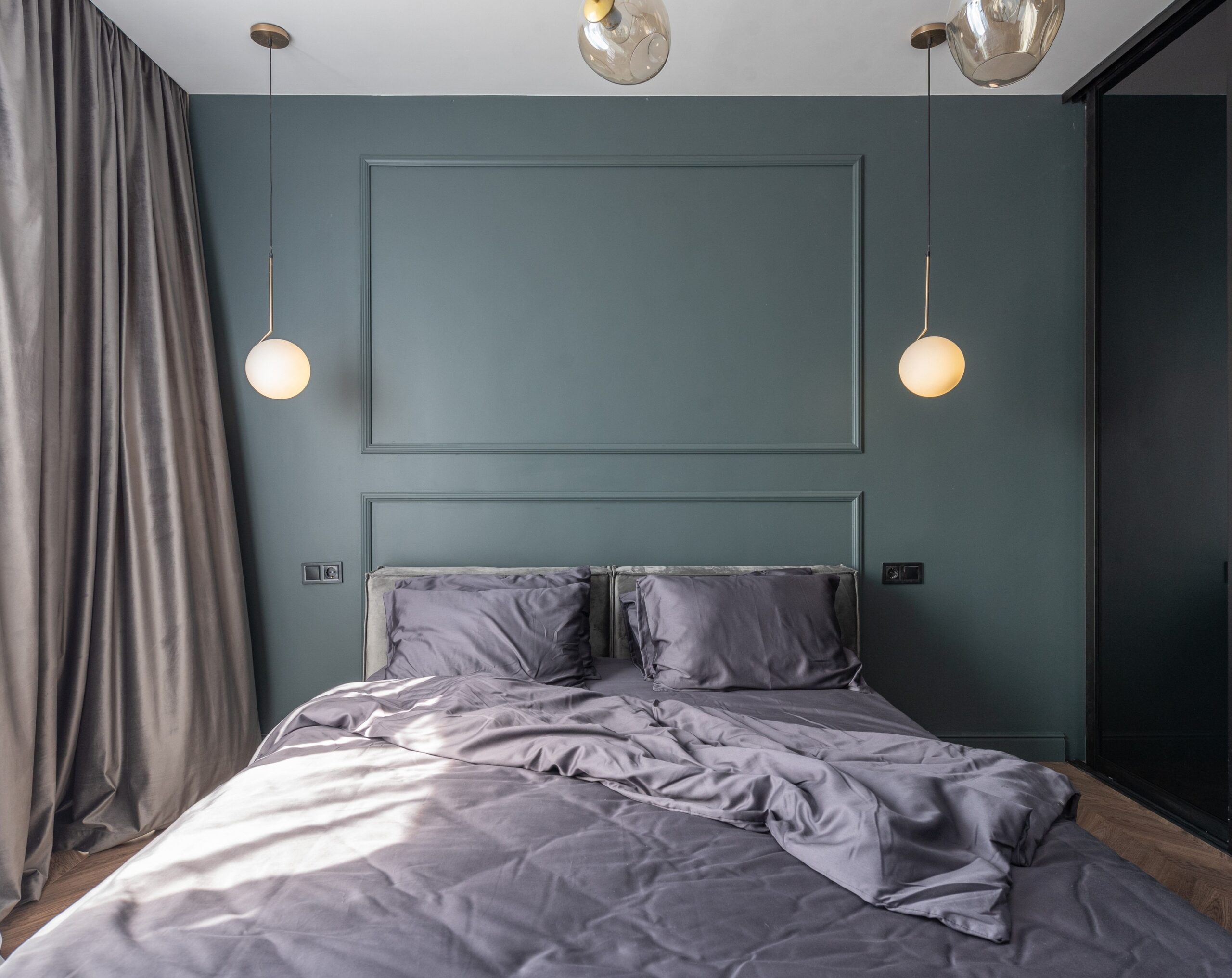
Charcoal sheets, navy duvets, deep slate pillowcases. These choices tend to belong to people who treat their bedroom as a genuine refuge, a deliberately private world separate from everything outside. Navy blues, charcoal grays, and deep purples create a sense of luxury, intimacy, and depth. There’s often a deliberate cocooning effect being pursued here.
Research involving analysis of sleep quality data from participants sleeping in rooms of different colors found that blue rooms produced the longest sleep duration and highest reported sleep quality. People drawn to deep, rich tones in their bedding may intuitively understand that a darker, more immersive sleep environment supports deeper rest. They’ve built their own cave, and they like it there.
The Earthy Tones Person: Grounded, Nature-Connected, Dependable
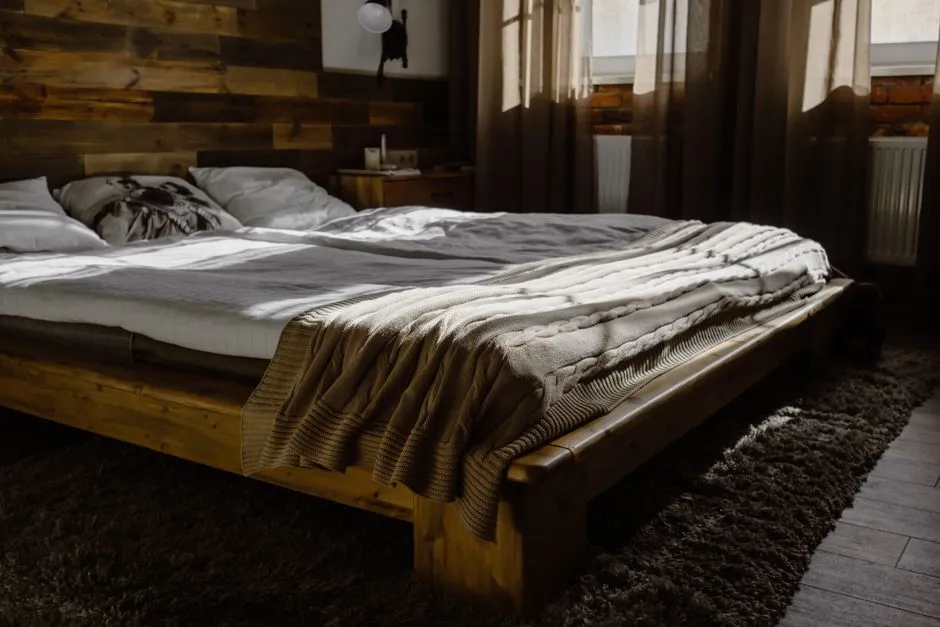
Terracotta, warm brown, olive green, burnt sienna. Earthy bedding palettes have grown significantly in popularity through the mid-2020s, and the people who choose them tend to share a recognizable sensibility. Browns, deep greens, and terracotta tones bring the outdoors inside. There’s a connection being made between the bedroom and something natural, unhurried, and rooted.
This style often correlates with a broader lifestyle orientation toward wellness, natural materials, and sustainability. The sleep surface plays a fundamental role in determining sleep quality, and natural materials have gained attention in sleep research for their breathability and pressure-relieving properties. The earthy bedding person often pairs their linen duvet with organic cotton pillowcases and probably has a plant or two on the nightstand.
The Plaid and Cozy Maximalist: Social, Warm, Comfort-First
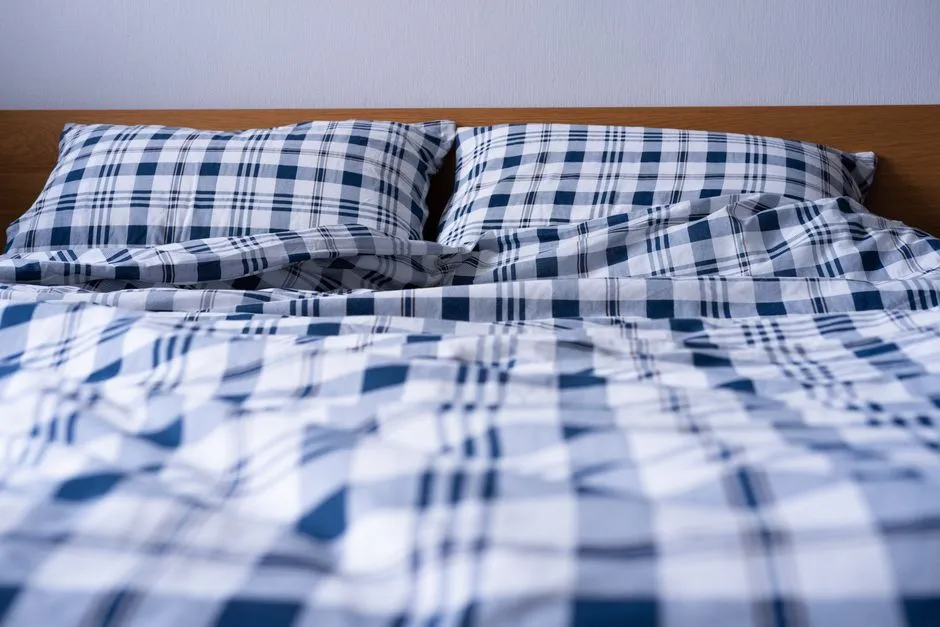
Heavy blankets, plaid throws, flannel duvet covers, stacked pillows. This is a bedding style built for warmth, literally and emotionally. For those who can never get enough of cozy nights, warm blankets, and comfort, plaid bedding is a perfect fit. This person doesn’t overthink the aesthetic. They prioritize how things feel over how they photograph.
Interestingly, thermal preference in sleep is a documented personal variable. Research has analyzed the effects of thermal preference on physiological responses during sleep, finding that females, on average, prefer a warmer sleeping environment and higher bedding insulation. People who pile on the blankets often aren’t just chasing warmth for comfort’s sake. Their nervous system genuinely functions better with that cocoon-like weight and heat.
The Perpetually Unmade Bed: Spontaneous, Flexible, Task-Resistant
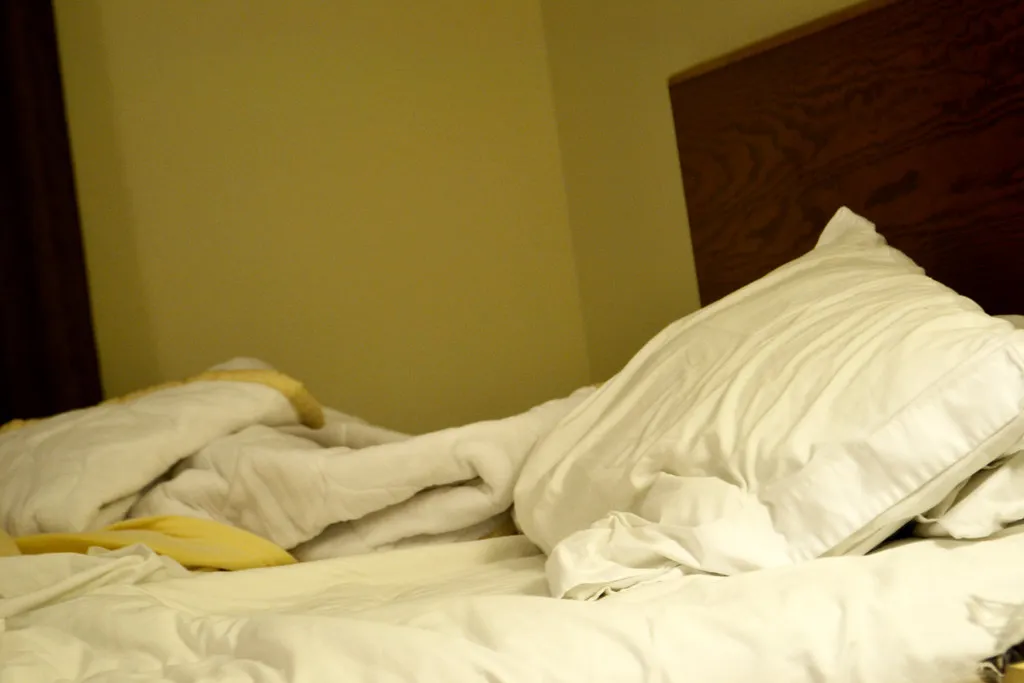
Some people never make their bed and feel perfectly fine about it. The sheets are clean, the pillows are present, but the idea of tucking everything in neatly each morning doesn’t even register as a priority. This isn’t necessarily a sign of chaos. Research on personality and sleep habits suggests the connection between conscientiousness and bedtime rituals is real but not absolute.
In research models, personality traits are treated as explanatory variables because they influence a wide range of behaviors, and bedtime procrastination was included as a mediating variable because changeable sleep habits were considered a possible link between personality traits and sleep outcomes. The unmade-bed person often compensates with high creativity and spontaneity elsewhere. The bedroom signals where their energy actually goes, and it’s rarely toward the pillow arrangement.
The Final Read
Your bedding style is not a diagnosis. It’s a reflection, one of many small but honest signals about how you manage comfort, stimulation, order, and rest. Research in sleep science and environmental psychology suggests that visual surroundings act as a silent signal to the nervous system, with certain tones helping the brain transition into a rest state, while others keep the heart rate subtly elevated. The colors and textures you choose for the place you’re most vulnerable, asleep, aren’t trivial.
Your bedroom is where you start and end each day, your personal retreat, and the way you decorate it says a lot about who you are. That’s worth at least a moment of curiosity the next time you’re tempted to grab the first beige option on the shelf. Sometimes the bedding that feels right is simply the one that fits who you actually are, not who you think you should be.
AI Disclaimer: This article was created with the assistance of AI tools and reviewed by a human editor.