
Most pet owners walk out of a veterinary clinic feeling the same mix of relief and mild shock. Relief that their animal was seen, shock at the total on the invoice. What almost no one does in that moment is pause and ask a single, simple question: “Can you walk me through every line on this bill?”
That question costs nothing. It takes two minutes. Yet it’s the one most owners skip, either out of politeness, stress, or simply not knowing they’re allowed to ask it. The numbers behind veterinary spending make a strong case for changing that habit.
Vet Costs Are Climbing, and Fast
Vet costs aren’t only the biggest expense for pet owners – they’re also steadily rising. Between April 2023 and April 2024, vet costs rose more than seven percent, the largest increase in pet-related expenses during that tracked period. That trend has continued.
Claims data from Healthy Paws shows the average vet bill reached about $392 per visit in 2025, up roughly a third from 2020. That’s not a gradual drift. That’s a meaningful shift in what routine care actually costs American families.
In 2025, owners reported spending a total of around $1,700 on their pets annually, which is about $200 more than reported in the previous two years. Veterinary care accounted for nearly a third of pet owners’ total household pet-related expenditures.
The Question Nobody Asks Before the Procedure
Before any procedure begins, before your pet is admitted or prepped, ask for a written estimate that breaks down every expected cost as a separate line item. Most owners don’t do this. They assume the initial quoted figure is complete, and they’re often wrong.
The critical word here is “before.” Once a service has been performed, medications administered, and time spent, clinics have very limited ability to adjust the bill. That conversation has to happen before the procedure, not after.
A veterinary estimate is an itemized projection of the services, tests, medications, monitoring, or treatments your pet may need. It is not always a final bill. Instead, it represents the expected cost of care based on what the veterinary team knows at that point.
Surprise Bills Are Far More Common Than People Realize

In 2025, more than half of dog and cat owners surveyed paid more than $500 annually in vet bills, and among those, about two thirds reported facing an unexpected bill ranging from $500 to $3,000. Those are not rare edge cases. That’s the mainstream experience of pet ownership in America right now.
If an unexpected bill of $2,000 arrived, fifteen percent of pet parents say they wouldn’t be able to pay it, and thirty-eight percent say they’d have to charge it to a credit card. That’s a significant portion of pet-owning households operating without a real financial cushion for their animal’s health.
According to Forbes Advisor survey data, forty-two percent of pet owners say they can’t cover a surprise vet bill of $999 or less without going into debt, and twenty-eight percent say they can’t cover a bill of $499 or less.
What’s Actually on That Bill

Unlike human healthcare, pet owners often see the full cost of diagnostics, hospitalization, medications, surgery, and monitoring directly on the estimate. There’s no insurance intermediary absorbing or obscuring the figures. It’s all there, raw and itemized, if you ask for it.
Vet bills reflect professional fees, diagnostic equipment costs, medication markups, and facility overhead. Understanding which of those categories is driving the total gives you something to work with. Emergency and after-hours visits carry additional premiums, which are rarely highlighted upfront.
The medication and supplies section of a bill is where many owners feel most confused, because it mixes prescription drugs, over-the-counter items, and consumable supplies under one heading. Asking for each item to be identified separately is not unusual. It’s actually the standard you’re entitled to.
Medication Markups: A Line Worth Questioning

Clinic prescription medications are marked up from wholesale cost, typically somewhere between one hundred and three hundred percent. It is a significant part of many vet bills. For a single short-term prescription, that may not matter much. For a chronic condition, it adds up fast.
For long-term medications, ask about pharmacy options. Human pharmacies often carry the same active compounds at lower prices. This is a genuinely practical question, and most vets are willing to write an external prescription when it’s medically appropriate.
Medication markups at veterinary clinics can range from one hundred percent to over one thousand percent above wholesale cost, which is why a dispensing fee on top can feel excessive. Asking is not confrontational. It’s responsible.
Hidden Fees and Junk Charges
Veterinary “junk fees” – including biohazard waste disposal, records transfer, facility and environmental fees, and processing fees – are often added without upfront disclosure and may be disputable under state consumer protection law. These charges aren’t always fraudulent, but they should always be explained.
The Federal Trade Commission finalized its Junk Fees Rule in late 2024, establishing that businesses, including veterinary providers, cannot charge mandatory fees that were not clearly and conspicuously disclosed before the transaction. While veterinary services present some implementation complexity, the rule creates a meaningful standard for non-emergency and elective procedures.
You have the right to receive an itemized bill, ask for fee justification, and formally dispute charges that were not disclosed before services were rendered. Knowing that is half the battle.
What Pet Insurance Doesn’t Cover

Many owners assume that having a pet insurance policy means they’re protected from nasty surprises. The gap between that assumption and the fine print is where real financial stress lives.
Most pet insurance policies reimburse between fifty and ninety percent of eligible costs after the deductible, and commonly exclude pre-existing conditions. That reimbursement window is narrower than most owners expect when they’re signing up.
Pet insurance usually works on a reimbursement model, which means you still need to pay the vet bill upfront. It usually does not cover preventive care like vaccines or spaying and neutering, and it typically does not cover treatment costs related to pre-existing conditions. Understanding those three limitations before you need the coverage is essential.
The Real Cost for Owners of Chronically Sick Pets

For pet owners managing a dog or cat with a chronic health condition – arthritis, allergies, dental disease, or similar issues – the financial pressure intensifies considerably. About a quarter of those owners report spending between $5,000 and $10,000 on pet-related expenses in a single year. That’s a number that rarely comes up in conversations about owning a pet.
Roughly twenty-nine percent of pet parents reported spending at least $100 monthly on doctor visits alone, and another sixteen percent said they spend at least that much on medications and supplements. Those recurring costs can be harder to manage than one-off emergencies, precisely because they never stop.
Some policies also exclude or limit coverage for conditions common to certain breeds, such as hip dysplasia in German Shepherds, heart disease in Cavalier King Charles Spaniels, or brachycephalic syndrome in Bulldogs. Owners of those breeds may be carrying more financial exposure than they realize.
How to Have the Cost Conversation Without Feeling Awkward

Veterinarians expect cost conversations and would rather adjust a plan than have a pet go untreated. That framing matters. Asking about price is not an insult to the clinic’s professionalism. It’s a normal part of making decisions about care.
If the estimate surprises you, that’s the moment to ask which items are essential, which are optional, and whether a phased approach is possible. That is a legitimate clinical conversation, not an unreasonable request.
For non-emergency procedures, ask for a written estimate in advance, as many clinics provide one automatically. If a bill exceeds your means, ask about options such as CareCredit, Scratchpay, or in-house payment plans, and whether any portion can be staged.
The Specific Questions Worth Writing Down
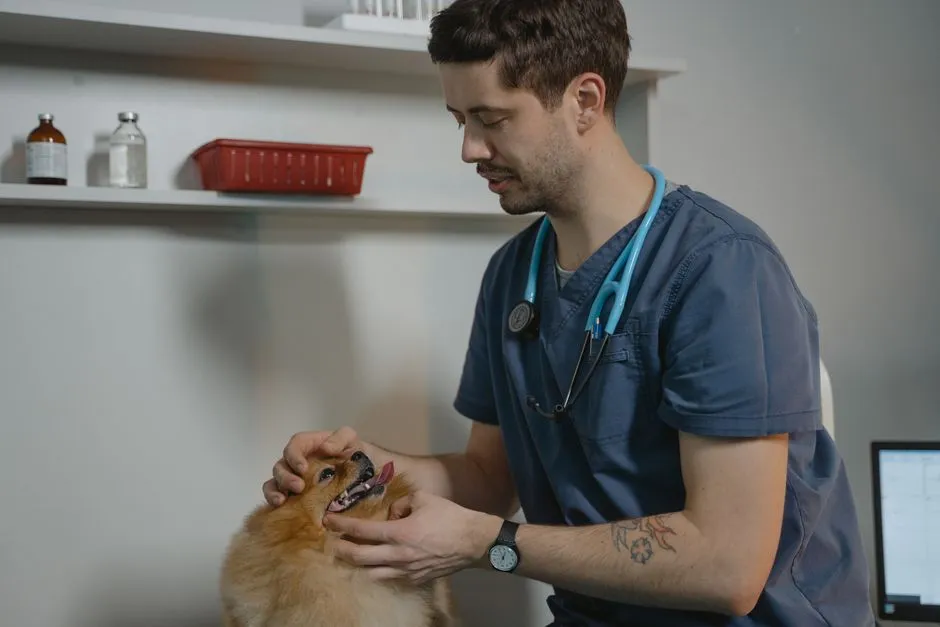
Questions that every owner should feel comfortable asking include: Can I have an itemized invoice? Is this medication available at a human pharmacy? Was this diagnostic test essential, or is it precautionary? Do you offer a payment plan for larger bills? Is there a follow-up included, or will the next visit be billed separately?
Ask where your pet’s lab samples are being processed, whether interpretation is included in the imaging fee, and how long your pet will be under anesthesia. These are specific, practical questions that also catch billing errors before they become disputes.
Also ask whether rechecks, medication refills, repeat diagnostics, bandage changes, or rehabilitation are included in the current estimate or are likely to be billed separately. The original estimate often doesn’t cover what comes after the procedure itself, and that’s where costs can quietly double.
The Takeaway

The question most owners never think to ask isn’t a complicated one. It’s just: “Can I see that broken down, line by line?” Vets are professionals with real overhead, and their bills generally reflect legitimate costs. Still, a detailed invoice is not just for accountants. It’s the clearest window into what your pet actually received and what you’re paying for.
The data on pet spending in 2025 and 2026 tells a consistent story: costs are rising, surprise bills are common, and most people are underprepared. The owners who handle it best aren’t the ones with the most money. They’re the ones who ask the right question before anything starts.
AI Disclaimer: This article was created with the assistance of AI tools and reviewed by a human editor.