

Your dog has sprinted up and down those stairs a thousand times without a second thought. Then one morning, they just stop at the bottom step, refusing to move. It’s one of those moments that catches owners completely off guard, partly because there’s rarely an obvious explanation staring back at you.
The truth is, stair avoidance in dogs is rarely random. It almost always signals something worth paying attention to, whether that’s a creeping physical problem, a sensory change, or a remembered scare. When a dog that’s always used stairs without issue suddenly refuses, it’s often tied to a recent change in their environment or their own body. Here’s a closer look at the ten most common reasons it happens.
1. Joint Pain and Arthritis: The Most Frequent Culprit

Osteoarthritis is extremely common in dogs, and stairs are frequently one of the very first activities affected because they place substantially more load on joints, particularly hips, knees, and elbows, than walking on flat ground. The numbers are striking. Prevalence climbs sharply with age: approximately 80% of dogs over the age of eight show signs of the condition.
OA affects nearly 40% of dogs, yet many cases go undiagnosed because signs are subtle and often mistaken for “normal aging” or behavior issues. This is partly why the stairs become a tell-tale sign before anything else does. Going up stairs involves more strength and weight on joints in the hindlimbs, and in many arthritis patients, OA is identified in the bilateral hindlimbs and back and spine, which makes stair climbing especially difficult.
2. Hidden Spinal and Disc Problems

Early arthritis, hip dysplasia, a torn cruciate ligament, or a disc problem in the back can make each step suddenly painful, even if the dog shows no signs of discomfort when walking on flat ground. This is what makes spinal conditions so deceptive. A dog might seem perfectly fine on a morning walk, then balk entirely at the stairs an hour later.
Going up stairs requires more strength and puts more weight on the hind legs and lower spine. Any disc compression or nerve irritation gets amplified by that movement. If your dog hesitates going up but seems fine going down, or vice versa, that asymmetry alone is worth flagging with your vet.
3. Vision Loss: A Quiet but Powerful Trigger
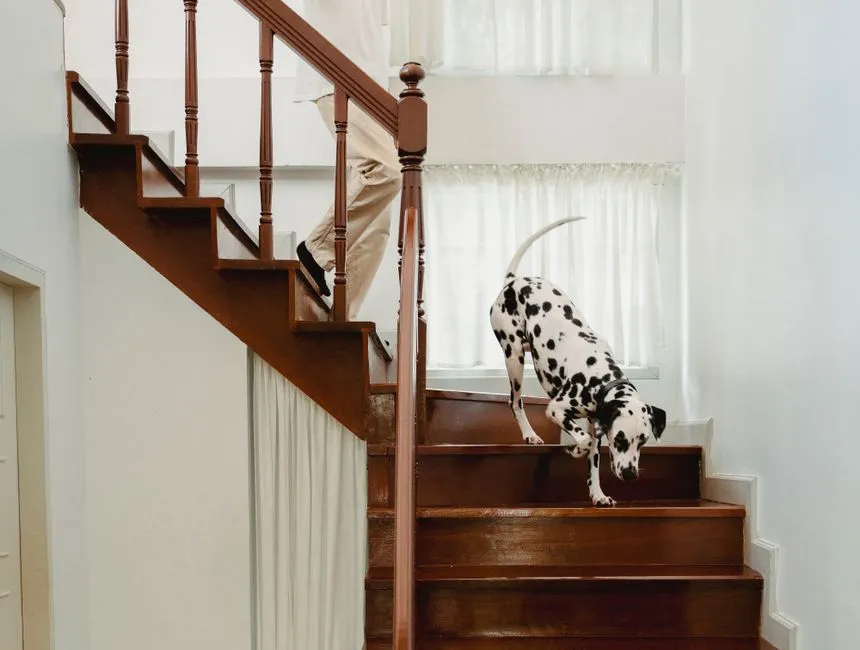
Especially in older dogs, declining eyesight is a common but easily overlooked cause. A staircase in dim light or with low-contrast step edges can quickly become a challenge for dogs with impaired vision. Dogs are remarkably skilled at compensating for gradual vision loss in flat, familiar spaces. That compensation, however, falls apart on stairs.
Dogs are often remarkably good at compensating for gradual vision loss in familiar flat spaces, which is part of why stair hesitation can be one of the first visible signs owners notice. Vision impairment, such as cataracts or retinal degeneration, can cause dogs to perceive stairs as dangerous, leading to avoidance. Additionally, several dogs have problems with see-through steps or the actual color of the steps, and some dogs may struggle navigating certain steps because they don’t see certain colors well.
4. Vestibular Syndrome: The Balance Disruptor
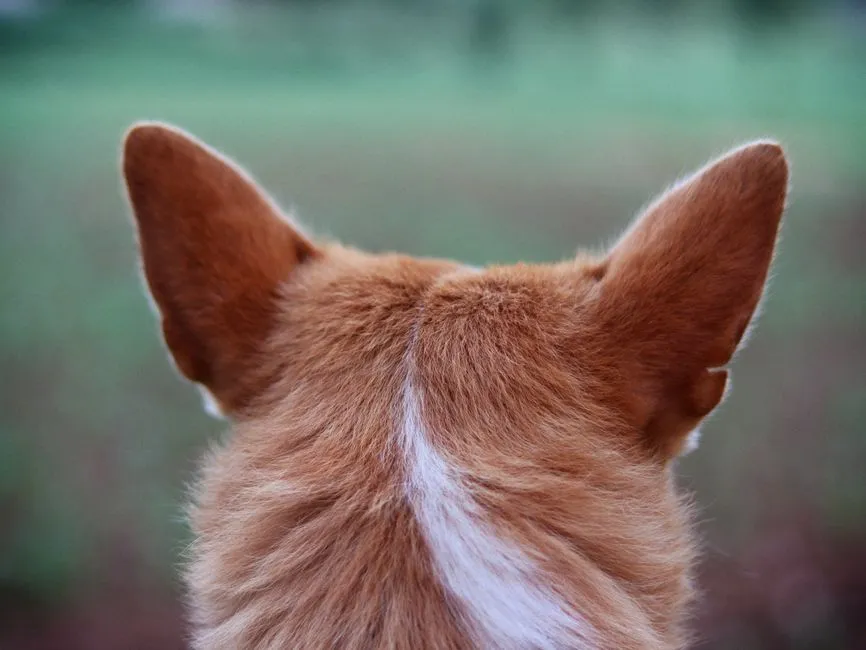
Another cause, especially common in older dogs, is vestibular syndrome, a sudden disturbance of the balance organ. Climbing stairs requires precise assessment of height, distance, and balance. When that system misfires, the staircase becomes genuinely disorienting, not just difficult. Dogs with vestibular episodes often tilt their heads, stumble, or walk in circles alongside their stair refusal.
Idiopathic vestibular disease is the most common cause of peripheral vestibular dysfunction in dogs and it is associated with advanced age. Symptoms can appear seemingly overnight, which is why owners sometimes assume an injury when it’s actually an inner-ear event. A vet visit is essential to distinguish it from more serious neurological conditions.
5. A Single Bad Experience: How Fear Gets Locked In
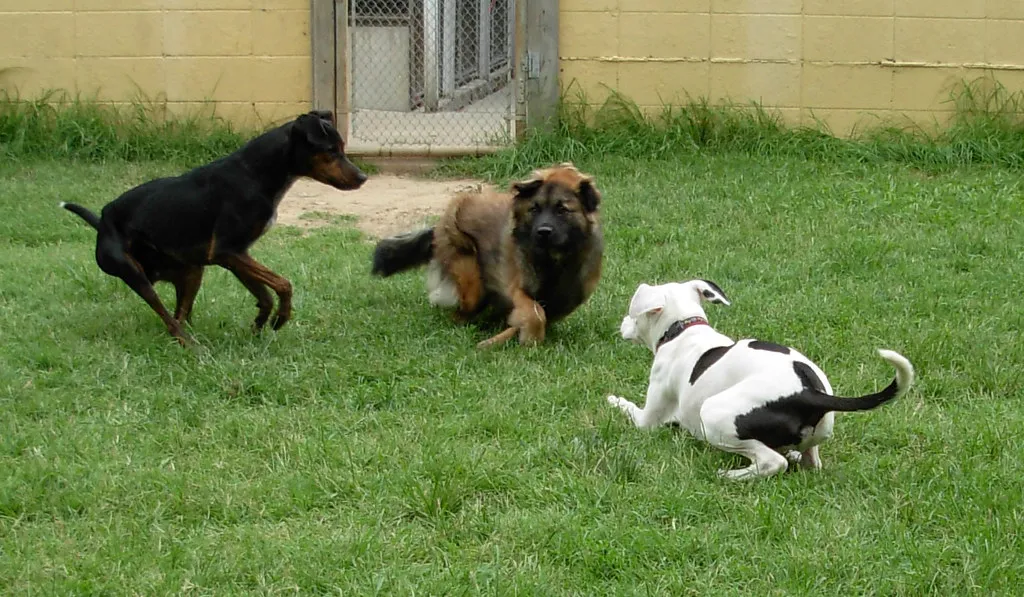
Even a single uncomfortable or startling event on stairs, such as a minor slip, a loud noise while on the stairs, or an accidental collision with another pet, can create a strong associative memory in some dogs, leading to avoidance of that specific location going forward, even without any lasting physical injury. This is classical conditioning working against you. The dog didn’t just get scared on the stairs. As far as their memory is concerned, the stairs caused the scare.
In addition to physical causes, there is another explanation: the dog had a bad experience on these stairs. Dogs quickly and strongly associate such experiences with the place where they occurred. One single fall or slip is often enough to build that fear, and dogs don’t forget where they fell or what hurt them.
6. Slippery Surfaces and Poor Traction
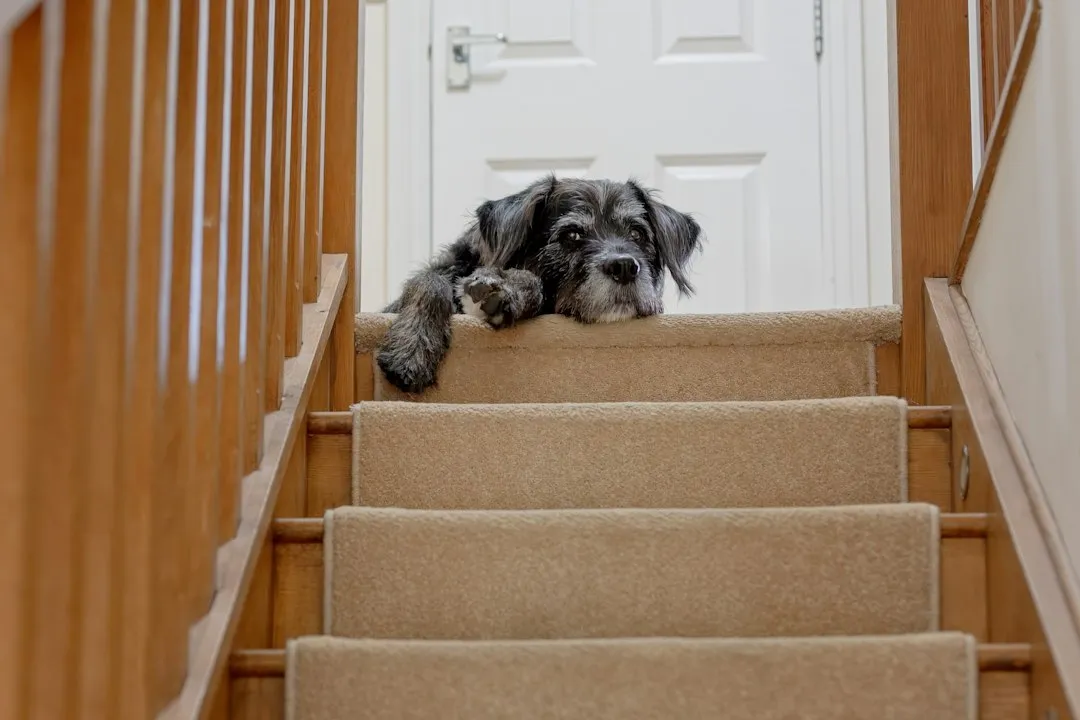
Dogs with little fur on their paws or older animals with declining muscle strength are particularly sensitive to slippery surfaces. Hardwood stairs, polished stone, and open-tread metal steps all present a traction problem that many dogs quietly tolerate until one slip tips them into outright avoidance. It’s a physical experience that quickly becomes a behavioral one.
Stairs are genuinely disorienting for many dogs and the fear is more common than most dog parents realize. Open-tread stairs don’t have great grip, unpredictable depth, and a visual drop that a dog brain has no evolutionary framework for. Simple non-slip stair treads can resolve this category of fear surprisingly quickly, particularly in younger, otherwise healthy dogs.
7. Cognitive Dysfunction in Senior Dogs

A cause that is often overlooked because it is difficult to distinguish from mere anxiety is the onset of cognitive dysfunction in older dogs, sometimes colloquially referred to as dog dementia. These dogs may stand at the base of the stairs looking genuinely confused, as though they’ve forgotten what stairs are for. It’s not dramatic, but it is telling.
Older dogs may forget how to navigate stairs or become disoriented halfway up, leading to hesitation or fear. In senior dogs, new hesitation or avoidance around previously familiar tasks like stairs can sometimes reflect early cognitive changes rather than, or in addition to, physical ones. If your senior dog is also showing other signs like nighttime restlessness or staring blankly, cognitive decline deserves a conversation with your vet.
8. Breed-Related Structural Challenges

Certain breeds and small puppies can struggle with stairs simply due to their size and build. Short-legged dogs like Dachshunds or Corgis may be more avoidant of steeper flights and typically have to expend more energy to climb stairs. They might need to take stairs more slowly because each step is proportionally larger to their body.
Younger dogs with orthopedic conditions like hip or elbow dysplasia, or breed-related joint predispositions, can show stair avoidance relatively early in life. For some breeds, this isn’t a phobia developing so much as a body struggling with a design that was never built for stairs. That distinction matters when deciding on a course of action.
9. Fear of Heights and Instinctive Wariness
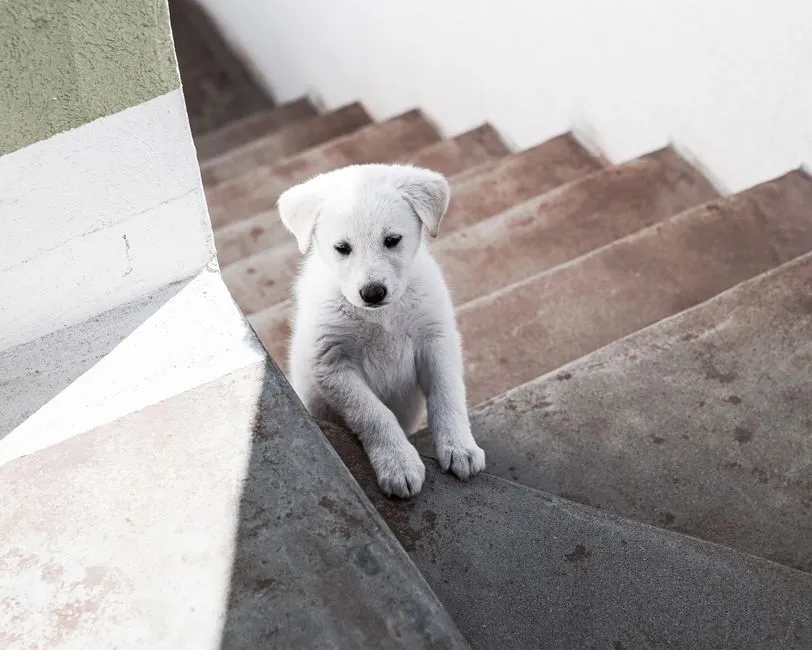
Some dogs are actually afraid of heights, and stairs can trigger this fear. This is less discussed but very real. When a dog looks down from the third or fourth step and perceives a visual drop, that can be enough to freeze them entirely, even without any prior bad experience. Some dogs instinctively fear uneven ground, and stairs can trigger this response.
Hesitating or acting suspicious when facing unfamiliar stimuli is ultimately a dog’s adaptive trait, considering that, back in time, it prevented dogs from getting themselves into risky situations that may have cost their lives. In other words, some wariness of a steep drop is not irrational. It’s just inconvenient for modern domestic life. A lack of confidence can also cause some dogs to fear stairs. These dogs may hesitate, stop, or even refuse to climb stairs without the confidence to tackle new challenges.
10. The Canine Anxiety Picture: Bigger Than Most Owners Realize

Stair fear doesn’t exist in isolation for many dogs. It’s often one piece of a broader anxiety profile. A 2026 study analyzed owner-reported data from 43,517 dogs in the Dog Aging Project and found that 91% showed at least mild to moderate fear in at least one of nine behavioral scenarios. That’s a significant finding, and it was published in Veterinary Research Communications by researchers at Texas A&M College of Veterinary Medicine.
Researchers identify a consistent pattern: behavioral concerns do not come up in routine veterinary appointments unless the owner initiates the conversation. That means a significant portion of the fear and anxiety reflected in this dataset is not reaching veterinary professionals at all, and the dogs experiencing it are not getting guidance.
Chronic or escalating fear can negatively impact canine health and quality of life, highlighting the need for early recognition and intervention. Routine behavioral screening in veterinary care may help identify and address these issues before they worsen. Stair avoidance, in that context, isn’t a quirk to dismiss. It’s often a signal worth taking seriously.
What to Do When Your Dog Stops Using the Stairs
Behavioral causes, such as a single traumatic event like a slip or loud noise, are possible but should only be considered after a thorough veterinary examination has ruled out medical causes like pain or vision loss. That sequencing matters. Jumping straight to behavioral retraining while an underlying injury goes unaddressed can make things worse for the dog, and slower to resolve.
If your dog’s reluctance appears suddenly, check for both environmental and physical changes. Look for new lighting conditions on the staircase, any recent sounds or events in that space, and signs of stiffness or soreness elsewhere. Confidence-building exercises, such as positive reinforcement training, can help dogs gain the self-assurance they need to conquer stairs, but only once physical causes have been genuinely ruled out by a professional.
The staircase hasn’t changed. Something about your dog has. That’s exactly the right question to start with.
AI Disclaimer: This article was created with the assistance of AI tools and reviewed by a human editor.