

When “Clumsy” Becomes a Clinical Signal

Frequent, worsening, or sudden clumsiness may be more than a distraction. The challenge is that most of us are conditioned to rationalize it away – blaming tiredness, rushing, or age. A new lack of coordination can flag a real neurological event rather than just a clumsy moment.
While occasional mishaps are normal, a persistent increase in clumsiness suggests underlying environmental, mechanical, or systemic factors may be affecting neurological function. The key distinction clinicians look for is whether this represents a change from your personal baseline, not whether clumsiness is happening at all.
The Stroke Connection – Including the Ones Without Obvious Weakness
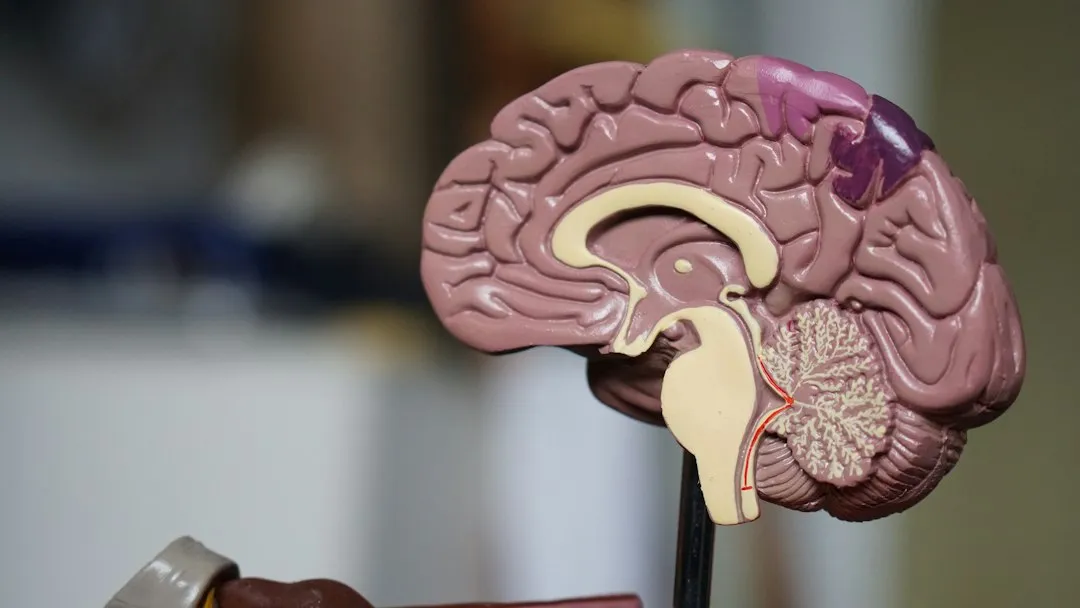
A stroke that affects the cerebellum or the motor pathways can produce sudden clumsiness with or without classic weakness. Sudden loss of coordination, balance, or fine motor control on one side of the body can be a stroke warning sign, even when speech and facial movement look normal, an observation supported by the National Institute of Neurological Disorders and Stroke.
Experts note that one in eight patients with a stroke may not have symptoms captured by the standard BE FAST checklist, and that sudden clumsiness of a hand or arm is among the stroke symptoms worth watching for. This is a genuinely important gap in public awareness. The image of a stroke as something dramatically obvious – slurred speech, face drooping – doesn’t always match what actually happens.
Transient Ischemic Attacks: When Symptoms Come and Go

A transient ischemic attack causes temporary symptoms because there is reduced blood flow to parts of the brain. It is like a stroke, but the effects are temporary – and it is often a warning sign that a stroke is possible or likely. Loss of coordination or clumsiness, known medically as ataxia, is a recognized symptom of TIA.
The risk of having a stroke in the 90 days following a TIA is as high as nearly one in five, with almost half of those strokes occurring within just two days after the TIA, according to a 2023 statement published by the American Heart Association and American Stroke Association in the journal Stroke. That is a narrow and critical window. Because the symptoms of TIA are short term, many patients do not recognize the event as a TIA or perceive it as a warning of a potentially impending stroke.
The Cerebellar Role: What the Brain’s Coordination Center Is Telling You
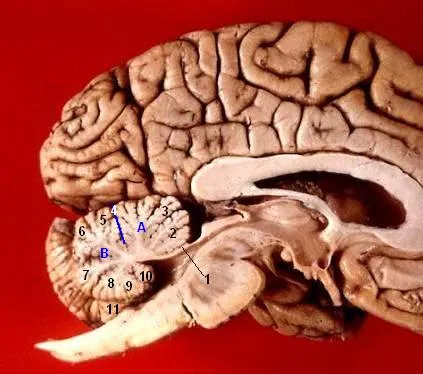
Ataxia usually happens when there is damage to the cerebellum or its connections. The cerebellum is the part of the brain that controls muscle coordination, and ataxia related to this area is often called cerebellar ataxia. When something disrupts that system – whether a stroke, a lesion, or a metabolic problem – the first sign is often clumsiness.
Ataxia can occur suddenly, over weeks, or as a slowly progressive problem over months to years. In acute cases, the most common cause is either stroke or hemorrhage in or around the cerebellum. In inflammatory, metabolic, and toxic ataxia, there is a rapid progression of symptoms after a sudden onset that stops only after the cause has been removed.
Multiple Sclerosis: A Pattern That Builds Over Days

Weakness or clumsiness in one limb and unsteadiness are among the first signs of MS. The pattern that points to MS is a symptom that builds over hours to days, lasts weeks, affects one side more than the other, and then improves. That gradual build followed by partial recovery is what distinguishes an MS relapse from some other causes of sudden clumsiness.
The result in MS is often episodic clumsiness in one hand, one leg, or one side of the body, sometimes flaring during heat, illness, or stress. Ataxia is a common symptom in demyelinating diseases like MS. People who notice that warmth – a hot shower, a summer afternoon – consistently makes their coordination worse should take note of that pattern and discuss it with a doctor.
Parkinson’s Disease: The Subtle Early Signs

Frequent falls, dizziness, or clumsiness can indicate Parkinson’s disease, multiple sclerosis, or stroke or inner ear disorders. Parkinson’s doesn’t always announce itself with a visible tremor at first. For some people, an unexplained change in coordination or fine motor control – fumbling with buttons, losing grip – arrives well before the more recognizable features appear.
Problems with coordination such as clumsiness, unsteady walking, or frequent falls may reflect damage to nerves, the spinal cord, or areas of the brain responsible for balance and movement. Catching these signals early gives clinicians far more options for management. Waiting until symptoms become undeniable tends to narrow those options considerably.
Vitamin B12 Deficiency: A Reversible Cause Worth Ruling Out

Vitamin B12 deficiency can cause subacute combined degeneration of the spinal cord and cerebellar lesions. This is one of the more overlooked causes of coordination problems, partly because it develops gradually and is not always associated with obvious symptoms like fatigue or anemia.
Vitamin B12 deficiency can damage the spinal cord pathways that carry position sense, leading to progressive clumsiness and unsteady gait. The condition, called subacute combined degeneration, produces a slowly progressive unsteadiness and clumsiness that improves with B12 replacement when caught early. A published 2025 case report in Folia Neuropathologica confirmed cerebellar lesions caused by B12 deficiency, with the patient presenting with unstable gait, speech impairment, and mild cognitive impairment – with symptoms improving after B12 supplementation.
Medications: A Common but Overlooked Trigger

Systemic health issues or pharmacological side effects can lead to sudden clumsiness by affecting the nervous system globally. This is a category many patients don’t think to mention to their doctor, especially if they’ve been on a medication for a long time and assume it’s well-tolerated.
Certain antidepressants, anti-seizure medications, and chemotherapy drugs can induce movement disorders or damage peripheral nerves, leading to clumsiness. If a new medication was introduced around the same time coordination worsened, that timing is relevant and worth bringing to a clinician’s attention. It’s a conversation worth having before assuming something more serious is at work.
The Red Flags That Mean Act Now, Not Tomorrow

Any sudden onset of severe clumsiness accompanied by other neurological signs should be treated as an emergency. These red flags include sudden facial drooping, weakness or numbness on one side of the body, difficulty speaking, or a severe and unexplained headache.
Clumsiness that appears alongside sudden weakness or numbness, especially on one side of the body, difficulty speaking, vision changes, severe headache, or confusion can indicate a stroke and requires emergency care immediately. A transient ischemic attack is a medical emergency just like a stroke, because there is no way to predict how long it will last – and every minute counts.
When to See a Neurologist – Even If You Feel Fine Now

Outside of emergencies, clumsiness that progressively worsens over weeks or months, or that begins to interfere with the ability to work, drive, or care for oneself, deserves evaluation. Repeated balance problems, unexplained falls, new clumsiness, or difficulty coordinating movements deserve more attention, particularly when they represent a change from your usual ability.
Difficulty walking, clumsiness, or dropping objects can point to neurological concerns. A healthcare provider can test for neurological causes, vision problems, inner ear dysfunction, or conditions that may have gone unrecognized for years. Getting that evaluation sooner rather than later is not an overreaction. For many of the conditions on this list, timing is genuinely consequential.
The Takeaway

Clumsiness earns a reputation as something harmless because, most of the time, it is. The human nervous system is noisy, and an occasional stumble or dropped object tells you nothing on its own. What it doesn’t tell you is what a sudden, persistent, or one-sided change in coordination might mean.
The conditions that cause it – from strokes to MS to correctable B12 deficiency – span a wide range of severity and treatability. What they share is that earlier attention generally leads to better outcomes. New, objective clumsiness such as dropping things or misjudging steps should be evaluated medically rather than attributed to something benign alone, since treatable neurological and metabolic causes are common. When in doubt, the safer instinct is to get it checked.
AI Disclaimer: This article was created with the assistance of AI tools and reviewed by a human editor.