

Most people have stood in front of the bathroom mirror at some point, squinting at a face that looks slightly more inflated than the one they went to sleep with. It’s a surprisingly universal experience, and there’s real biology behind it. The puffiness isn’t random, and it isn’t always a sign something is wrong.
There are several well-understood reasons this happens, ranging from basic physics to lifestyle habits to the natural aging process. Understanding each one makes the whole thing feel a lot less mysterious.
Gravity Takes a Break While You Sleep

The core mechanism is gravitational redistribution of fluid. When you lie horizontally during sleep, lymph and water pool in the soft tissues of the face and around the eyes because the vertical draining forces of gravity are simply absent.
The skin around the eyes is the thinnest on the entire body, so even a small amount of retained fluid shows up dramatically. This is why you notice it there first, even when the rest of your face looks more or less normal.
Eight hours of minimal drainage adds up to a visible difference by morning. The good news is that once you’re upright, gravity does the work in reverse, and the puffiness typically fades within an hour or so.
Your Lymphatic System Slows Down at Night
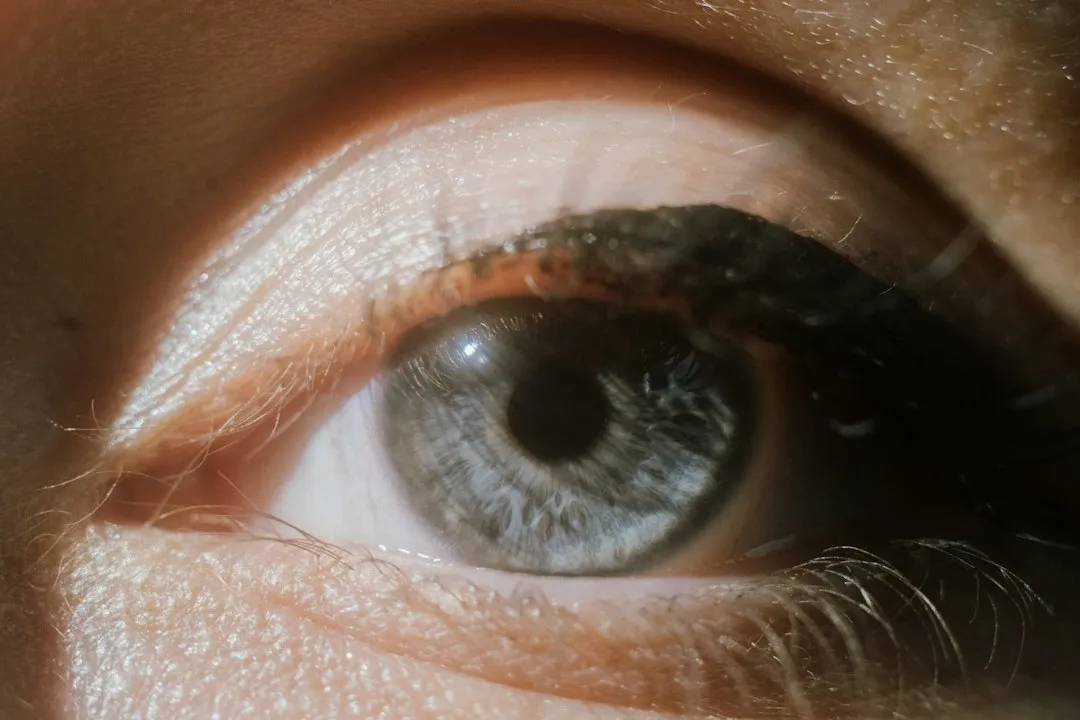
Fluid gathers around your eyes overnight because you are horizontal and your lymphatic system, which clears that fluid, slows down while you sleep. The lymphatic system is essentially your body’s internal drainage network, and it isn’t particularly active during rest.
This fluid has to drain somewhere, and it leaves through the lymphatic system. Imaging studies that tracked where eyelid lymph actually goes found it drains predominantly toward the preauricular nodes, the lymph nodes just in front of your ears.
Puffiness happens when fluid accumulates beneath the skin, usually due to sluggish lymphatic drainage and weakened microcirculation overnight. The eyes, unfortunately, are right in the path of that pooling.
Salt the Night Before Makes Things Much Worse
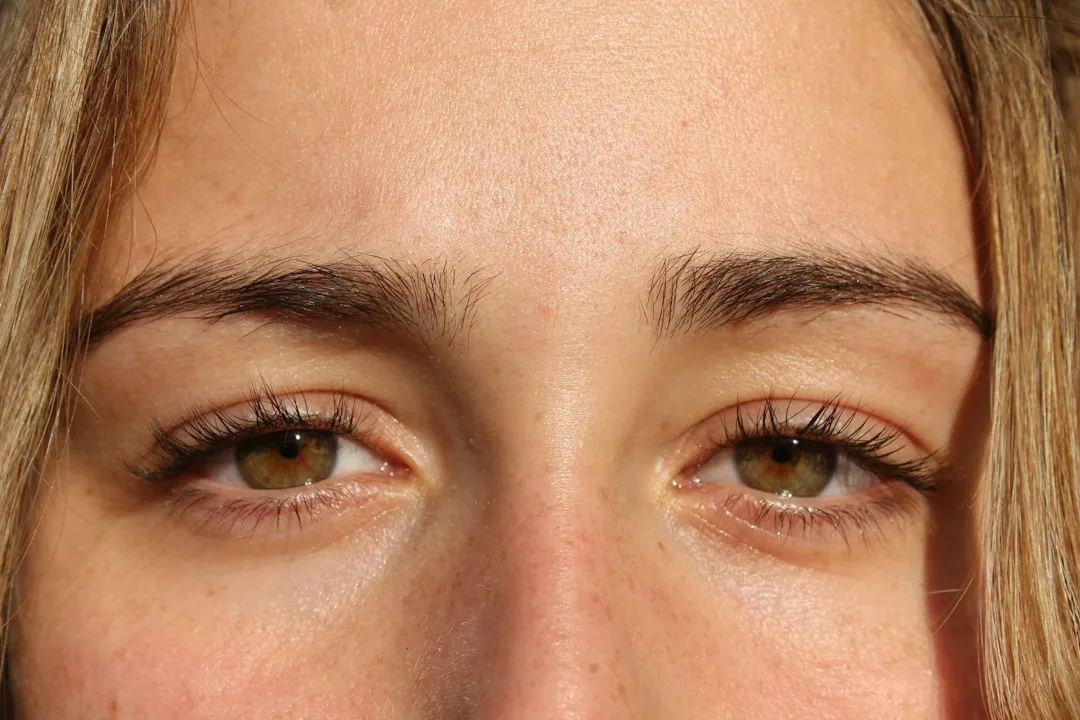
A diet high in salt can cause your body to retain water, which is one of the leading causes of visible puffy eyes. High salt intake causes the kidneys to retain water, which leads to swelling in general.
The excess water causes puffiness. This is especially common the morning after a salty meal. So that late-night takeaway or bag of crisps in front of the TV has very real consequences you’ll see at 7am.
Sodium plays a vital role in regulating the body’s fluid balance. You may notice your eyes looking swollen or “puffed up” after a salty dinner the night before. Cutting back on sodium in the evening is one of the more reliable ways to reduce morning swelling.
Alcohol Disrupts Your Fluid Balance in Two Ways

Alcohol acts as a diuretic, actively promoting increased urine production and fluid loss. This effect occurs because alcohol suppresses the release of vasopressin, also known as Antidiuretic Hormone, from the pituitary gland.
Alcohol dehydrates you at first, then triggers rebound fluid retention. That rebound is what causes so much of the visible puffiness the next morning. The body holds onto water to compensate for what it lost.
Alcohol also disrupts the sleep cycle, even if it initially aids in falling asleep. It suppresses Rapid Eye Movement (REM) sleep, leading to fragmented and poor-quality rest. Insufficient sleep is independently associated with increased eye puffiness and dark circles. This poor sleep compounds the effects of fluid imbalance and inflammation, making the morning-after swelling more pronounced.
Poor Sleep Has Its Own Separate Effect

A lack of good sleep can cause your blood vessels to dilate, which can also lead to puffiness around the eyes. Visible dark circles can be caused by fatigue, which also reduces circulation, creating a dark and puffy appearance.
Lack of sleep stresses the circulatory system, which then struggles to manage fluid balance efficiently. The result shows up most visibly in the delicate tissue around the eyes.
Once you awaken and begin blinking, you may notice that your eyes start to look less puffy. Blinking acts as a gentle pumping mechanism that helps move fluid along, which is partly why puffiness eases so quickly once you’re up and moving.
Allergies Trigger a Chemical Reaction Overnight
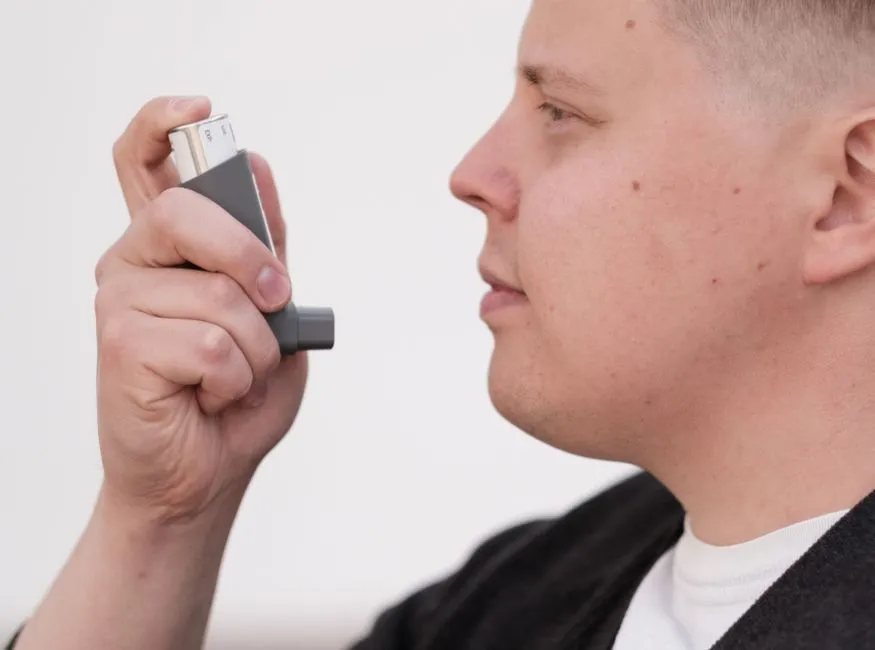
Morning under-eye puffiness is commonly caused by mild fluid retention linked to allergic reactions. Overnight, histamine release widens tiny blood vessels and increases their permeability, allowing fluid to pool in the thin skin around your eyes.
Common bedroom allergens including dust mites, pollen, and pet dander often fuel this process, while sleep position, diet, hydration, and aging can also contribute. Many people don’t realize they’re reacting to something in their bedroom environment all night long.
If your morning puffiness comes with itching, sneezing, and watery eyes, allergies become much more likely as the driving cause. Addressing the allergen source, rather than just treating the puffiness, tends to give more lasting results.
Your Sleep Position Matters More Than You’d Think

The way you sleep has a considerable impact. Sleeping on your side or stomach allows fluids to accumulate around the eye due to gravity, making it easier to develop this problem when waking up.
One eye may look puffier because fluid has collected unevenly while you sleep. If you consistently wake up with one eye noticeably puffier than the other, your sleep position is very likely the explanation.
Sleeping on your back with your head slightly elevated allows gravity to help drain fluid away from the face throughout the night. It’s a simple adjustment, but over time it can make a noticeable difference in how you look when you wake up.
Aging Changes the Tissue Around Your Eyes
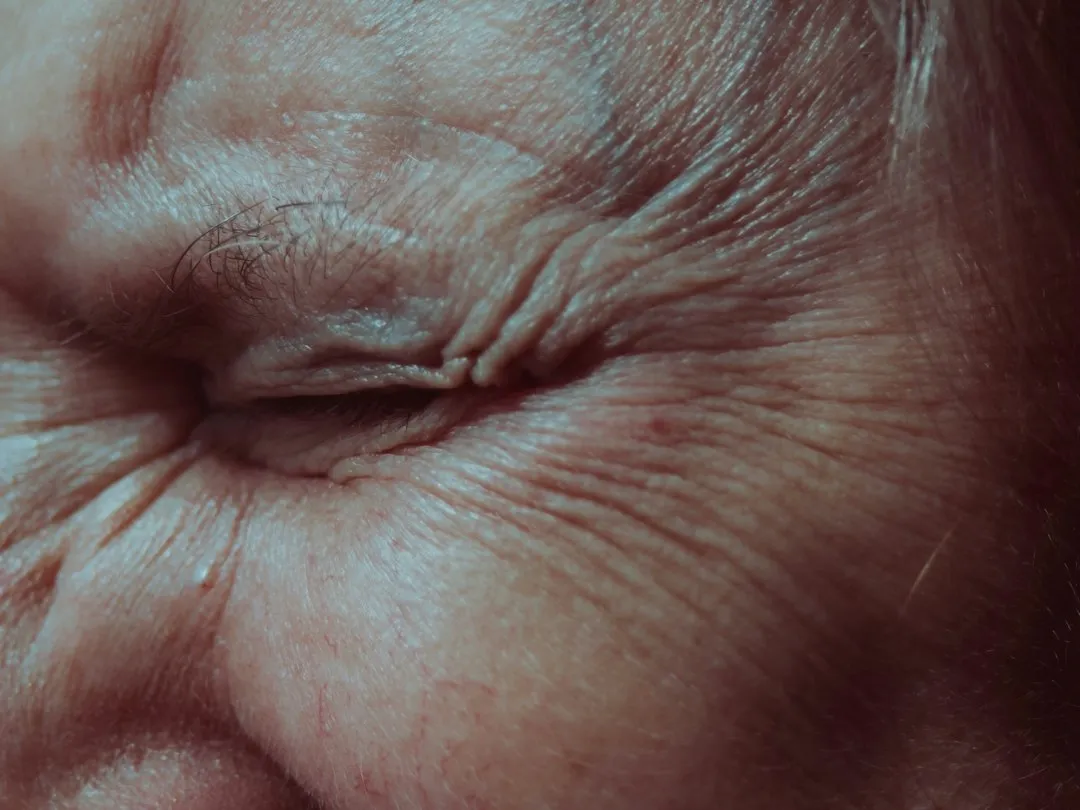
As we age, the skin around our eyes becomes thinner and less elastic. This can cause the fat that normally supports the eyes to move into the lower eyelids, making them appear puffy.
As the skin around the eyes loses collagen and elastin, it thins and becomes lax and crepey. Thinner, looser skin both holds onto fluid more visibly and drapes more loosely over any underlying bulge, so it makes the other causes look worse than they otherwise would.
Puffy eyes due to edema will ebb and flow, typically appearing more pronounced in the morning and dissipating over the course of a day. With age, that daily ebb and flow simply becomes more pronounced because the structural support holding everything in place has weakened.
Genetics and Anatomy Play a Real Role
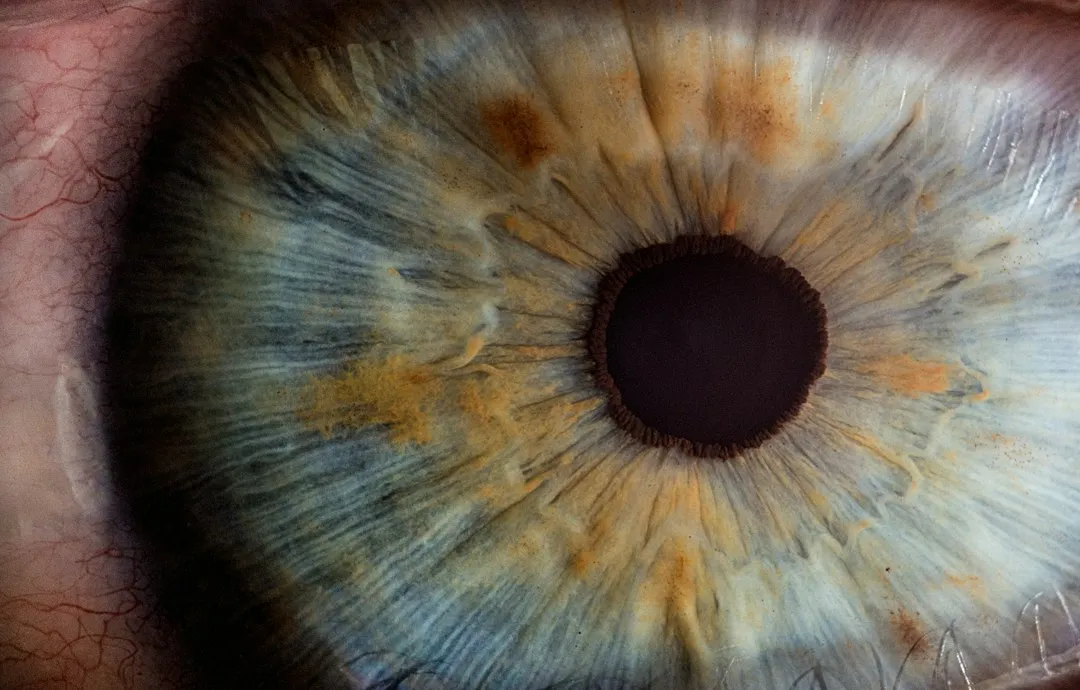
Sometimes puffy under-eyes are not caused by fluid at all, but from hereditary factors. Some people will be prone to a puffy appearance of their eyes due to a protrusion of fat from the eye socket.
This kind of puffiness is structural rather than fluid-based, which means it doesn’t fluctuate much with diet or sleep habits and tends to be more consistent from morning to morning. It also doesn’t resolve on its own the way fluid-based swelling does.
Some people, based on their facial anatomy, will be prone to a puffy appearance of their eyes due to a protrusion of fat from the eye socket. If a close family member has the same look, genetics is likely a contributing factor rather than last night’s dinner.
When Puffiness Signals Something More Serious
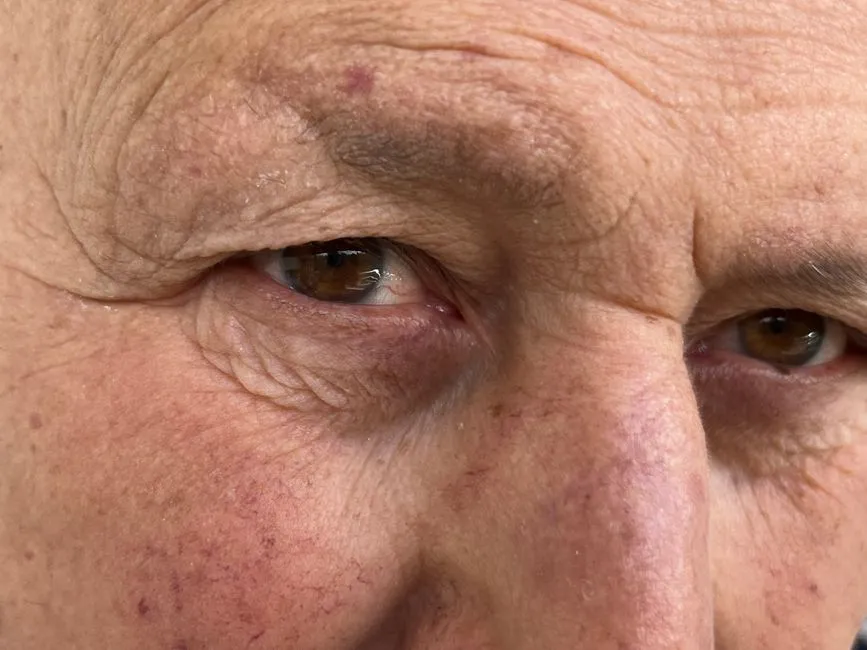
In many cases, periorbital edema is temporary and linked to common factors such as allergies, crying, poor sleep, irritation, or eating very salty foods. Most morning puffiness falls into this harmless category.
Periorbital edema is one of the earliest visible signs of nephrotic syndrome, a kidney condition where damaged filters allow too much protein to spill into the urine. The combination of morning puffiness around the eyes, foamy urine, and swelling in the ankles is a classic pattern that points toward kidney evaluation.
More reassuring patterns include both eyes being mildly puffy, mainly happening in the morning, improving after getting up, with no pain, no vision problems, no severe redness, and no discharge. When these markers are absent and the puffiness is persistent, asymmetrical, or accompanied by other symptoms, it’s worth checking in with a doctor.
The Takeaway

Morning puffiness around the eyes is almost always a matter of physics, biology, and habit rather than anything alarming. Morning under-eye puffiness usually results from fluid retention, not true inflammation. The eye area is simply where the evidence accumulates most visibly after a night spent lying flat.
Reducing salt intake, staying well-hydrated, moderating alcohol consumption, and using an extra pillow to keep your head slightly elevated can all help minimize morning swelling. Small adjustments in the evening tend to pay off in how you look and feel the next morning.
What the mirror shows you at 7am is largely a summary of what happened the night before. That’s both a humbling thought and a genuinely useful one, because it means most of this is well within your control.
AI Disclaimer: This article was created with the assistance of AI tools and reviewed by a human editor.