

Most dog owners have seen it at least once. The dog grabs a corner of their bed, backs up slowly, and hauls it across the floor to some entirely different spot. It’s one of those behaviors that’s equal parts baffling and endearing, and it happens in households all over the world.
The truth is, there’s rarely just one reason behind it. Dogs are complex, instinct-driven animals, and something as simple as moving a bed can be the product of ancient wiring, emotional needs, physical comfort, or all three at once. Here’s what actually drives it.
It Goes Back to Wild Instincts

Even though dogs now live in cozy homes, they still carry instincts from their wild ancestors. Before beds existed, wild canines had to prepare their sleeping spots manually, patting down grass, clearing debris, and checking for hidden dangers. In the wild, dogs would need to source a secure and well-hidden den area to house their pack, and they would dig or repeatedly circle before finally settling into one comfortable position.
Though our dogs need not fear predators or safety risks in their beds at home, the instinct remains powerfully strong and will not be denied. The modern dog may not even understand why he is doing what he is doing, but he is hard-wired to continue the behavior through years of breeding and well-embedded survival strategies.
Nesting: The Urge to Build the Perfect Sleep Spot

Dog nesting describes a range of behaviors whereby a dog prepares a private, comfortable space for rest, sleep, or even birthing. You might see a dog circle, sniff, paw at bedding, tug at blankets, or drag cushions into a quiet corner. In essence, dog nesting is the canine version of making a bed: it is instinctual, often triggered by changes in routine, environment, or hormonal shifts.
Per the American Veterinary Medical Association, nesting is a recognized instinctual behavior in domestic dogs. As of 2026, pet behavior specialists still classify this as normal nesting unless other signs appear. So the next time your dog spends five minutes rearranging their bed before lying down, they’re doing exactly what nature intended.
Temperature Control Is a Bigger Factor Than You’d Think

Most of the reasons dogs fuss with their beds and blankets stem from nesting and their ancestral instinct to find the safest position possible, but if your dog is pulling their bed from room to room it could also be because they’re looking for a change in temperature. Dogs are surprisingly sensitive to shifts in warmth and airflow inside a home.
In warmer months, a dog might move their bed to find a cooler surface or avoid it altogether. Pawing around the bed can also serve to make it warmer or cooler, depending on what your dog wants and how they execute this behavior. It’s a form of thermoregulation that most owners don’t immediately recognize as such.
Scent Marking: Claiming What’s Theirs
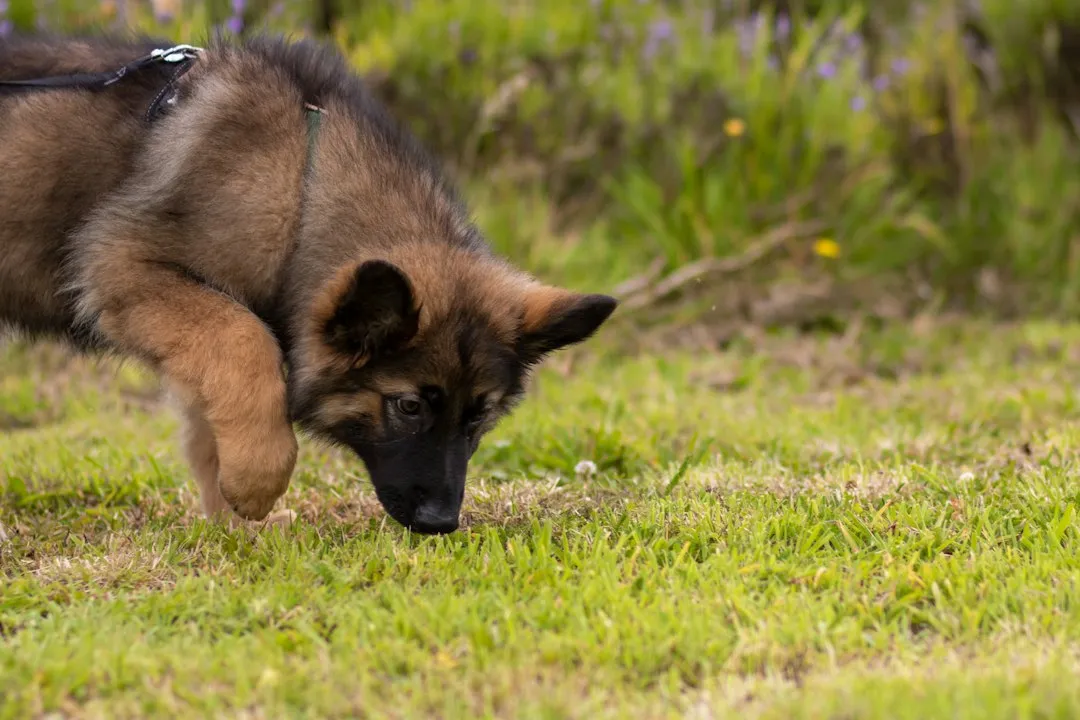
There is chemistry at work, too: dogs have scent glands in their paws, and working at the bedding spreads their scent across it, building familiarity and security. Dogs have scent glands in their paw pads and between their toes, and scratching the ground spreads that scent. This is confirmed by research published in Nature, which found that the presence of scent-producing glands on the foot pad and interdigital region in dogs suggests an olfactory component which may be useful in communicating with conspecifics.
The nesting process is also a territorial activity, and a dog marks their sleeping area as they circle it, with scent glands in their paws marking the blankets. Moving the bed to a new spot may simply be the dog’s way of saying, “this area belongs to me now.”
Following You Around the House

If your dog drags the bed toward your bedroom, they’re likely seeking your scent and security. Dogs are deeply social animals, and many form such strong bonds with their owners that they’re not content to rest too far away. Dogs are social pets that like to be close to their humans, and this behavior shows that your dog feels safe and relaxed around you.
If your dog is moving their bed to follow you, you might consider having more than one bed in the house. That way, they can settle near you without needing to drag their bed from room to room. It’s a practical fix that respects both the dog’s attachment needs and your sanity.
Anxiety and Stress Can Trigger the Behavior

Dogs might move their bed when they’re feeling anxious or stressed. If your dog changes the spot of their bed when they’re stressed, it could be a way for them to handle their feelings. According to the AKC, most dogs that dig a lot are either very bored or have separation anxiety. According to the ASPCA, dogs with separation anxiety may chew, dig at doors and doorways, or destroy things when they’re left alone.
Dogs that move their bed right before sleep are making a nest. Dogs that do it repeatedly through the day might be anxious or restless. The pattern and timing of the behavior tends to reveal a lot about its root cause. Occasional rearranging at bedtime is normal. Constant, agitated dragging throughout the day warrants a closer look.
It’s a Comfort Behavior, Plain and Simple

Scratching the bed is usually normal behavior and helps dogs get comfortable before resting, much like fluffing a pillow. Some dogs appear to be unhappy with the way their bed looks or feels, and end up piling their blankets into a nest or pile. The motivation isn’t dramatically different from a human who keeps adjusting their pillow at night.
In most cases, there’s no cause for concern if your dog scratches their bed. Generally, this is considered a normal, healthy, species-typical behavior that appears innate or instinctual and should not be corrected. Understanding that is half the battle for owners who worry about the habit.
Breed and Size Play a Real Role

Terriers, dachshunds, and other burrowing breeds are wired to rearrange their sleeping spots. Smaller dogs also move beds more because they can physically carry them. Large dogs usually drag instead. This distinction matters because the behavior in certain breeds isn’t just personality – it’s deeply encoded in their genetics and original working purpose.
Certain types of dogs were bred for certain behaviors. A terrier that tunnels after prey underground is simply expressing the same drive when it shoves its bed into a corner. The domestic setting changes the outlet, not the impulse.
Maternal Instinct in Female Dogs

According to researchers, female dogs show nesting behaviors before parturition and from birth up until ten weeks after having their babies. Dogs may show signs of nesting behavior about one week before they are due, including pacing and building a nest with items from around the house such as blankets, clothing, and stuffed animals.
The dog may become very protective of her chosen spot and might even show signs of mild aggression if you try to move her materials. She is preparing for the vulnerability of birth and wants a sanctuary where her puppies won’t be disturbed. However, since spayed female dogs can still mate, there’s also the theory that a female dog can believe she’s pregnant, which can trigger the same nesting response without an actual pregnancy.
Boredom and Play Can Drive It Too

Some dogs enjoy picking things up and moving them around. For these dogs, dragging a bed can be a bit like a game. They might shake it, carry it, or toss it around before settling down. Some dogs also do it simply because they are bored. In the absence of other more fulfilling things to do, dogs will create their own fun.
Excessive or destructive scratching may signal boredom or anxiety, so more exercise, enrichment, or a vet check may help. If the bed dragging is part of a wider pattern of restless or destructive behavior, it’s worth reviewing how much mental and physical stimulation your dog is getting throughout the day.
The Takeaway
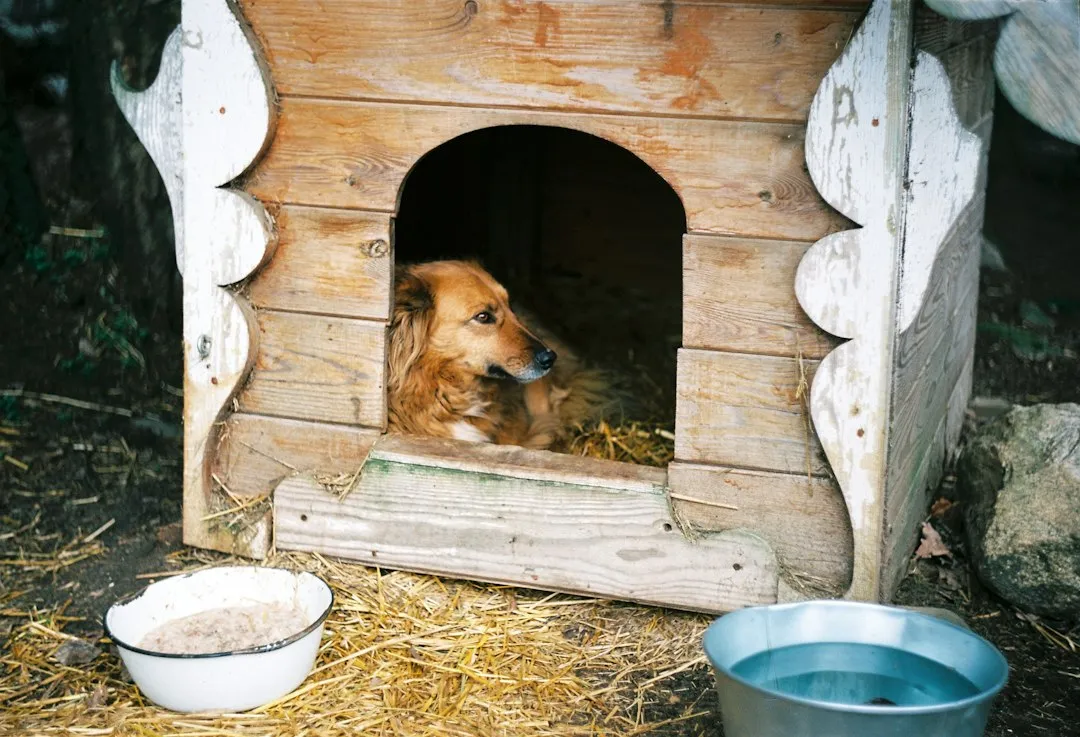
Dogs drag their beds for reasons that run from evolutionary memory to plain old comfort-seeking, and most of the time it’s nothing to worry about. It almost always comes down to instinct and their need for warmth, comfort, and safety. You should never punish a dog for nesting. Since it is an instinct, punishment will only increase their anxiety and make the behavior worse.
The more useful approach is to pay attention to when and how it happens. A dog calmly repositioning their bed at night is simply being a dog. A dog frantically dragging their bed around at all hours may be telling you something needs to change. Learning to read the difference is what good dog ownership actually looks like.
AI Disclaimer: This article was created with the assistance of AI tools and reviewed by a human editor.