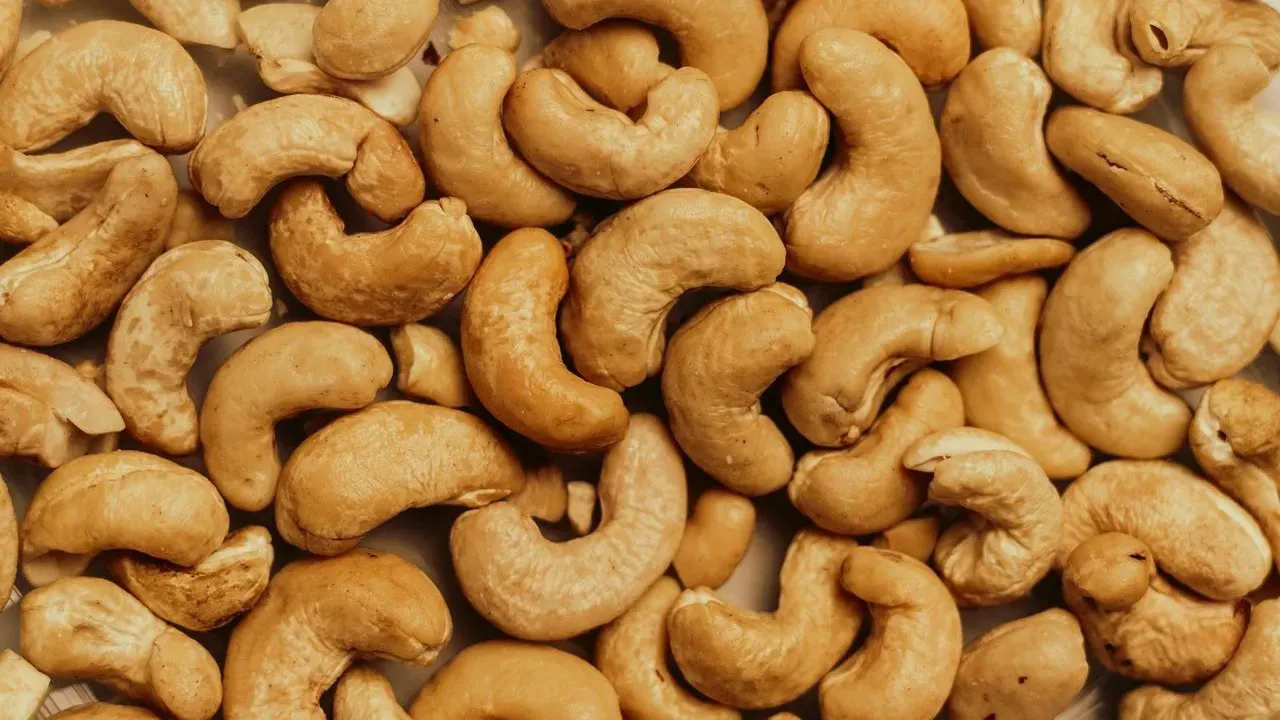

Many households discover an opened bag or leftover tin of cashews and wonder whether the nuts remain suitable for snacking or cooking. The oils that give cashews their rich flavor can gradually turn rancid, while exposure to moisture creates conditions for mold. Extension services and food safety agencies provide general guidance on nut storage that applies to cashews, emphasizing cold and dry conditions to slow these changes. ([1])
Why the Oils in Cashews Turn Rancid
Cashews contain unsaturated fats that oxidize over time, producing off flavors and odors. Extension materials describe this process as common across many nuts, with cashews and hazelnuts often ranking toward the longer end of shelf life compared with walnuts or pecans. The change does not create an immediate safety hazard in most cases, yet it reduces quality and palatability. Warmer storage accelerates the reaction, which explains why pantry conditions alone rarely suffice once a package has been opened. Room-temperature exposure also encourages insect activity in some situations. Sources note that proper drying and airtight containers help limit both rancidity and pest problems. Commercial cold-storage references place shelled cashews at roughly one year under controlled refrigeration, though those figures apply to warehouse settings rather than home kitchens.
Practical Storage Approaches at Home
Unopened vacuum-packed cans or jars generally follow the printed date on the package, with charts from university extensions listing periods from three months to one year depending on the source and packaging type. Once opened, refrigeration becomes the recommended step for most households. Sealed containers in the refrigerator can maintain best quality for several months when kept at 40 degrees Fahrenheit or colder. Freezing extends usability further for those who buy in bulk or use nuts infrequently. Sealed freezer bags or containers protect against moisture and odor transfer. A cautious approach suggests checking quality after three months, though some references indicate longer periods remain acceptable if the nuts were fresh at the time of freezing and packaging stayed intact. In all cases, the goal remains consistent: limit air, light, heat, and humidity.
Recognizing When Cashews Have Spoiled
Visible mold provides the clearest signal to discard a batch. Food safety guidance lists nuts among items that should be thrown out entirely when mold appears, without attempting to sniff or salvage portions. A paint-like or stale odor often signals rancidity, another reason to set the nuts aside. Additional indicators include insects, webbing, dampness, or an unusually soft or shriveled texture. Normal appearance and smell do not guarantee safety from bacteria, as certain pathogens cannot be detected through sensory checks alone. Dates printed on packages serve as quality markers rather than safety cutoffs. Proper handling and storage history carry more weight than the calendar once the container has been opened.
Additional Notes on Varieties and Preparation
Cashews labeled raw have undergone commercial processing that includes heating to remove the caustic shell oil, so they differ from freshly harvested nuts. Home gardeners are advised against attempting to shell cashews from backyard trees for the same reason. Soaked cashews require separate handling, with refrigeration during soaking and prompt use afterward to limit bacterial growth risks. Salted or roasted varieties generally follow the same storage principles as plain nuts, though some charts suggest unsalted nuts may retain quality slightly longer. Store-bought cashew butter, milk, or cream should follow label instructions, typically involving refrigeration after opening. When in doubt about any product, current recall notices offer an additional check before consumption. Proper storage reduces waste and preserves flavor for recipes or snacks. Cold, sealed, and dry conditions remain the most reliable approach across the available guidance.
AI Disclaimer: This article was created with the assistance of AI tools and reviewed by a human editor.