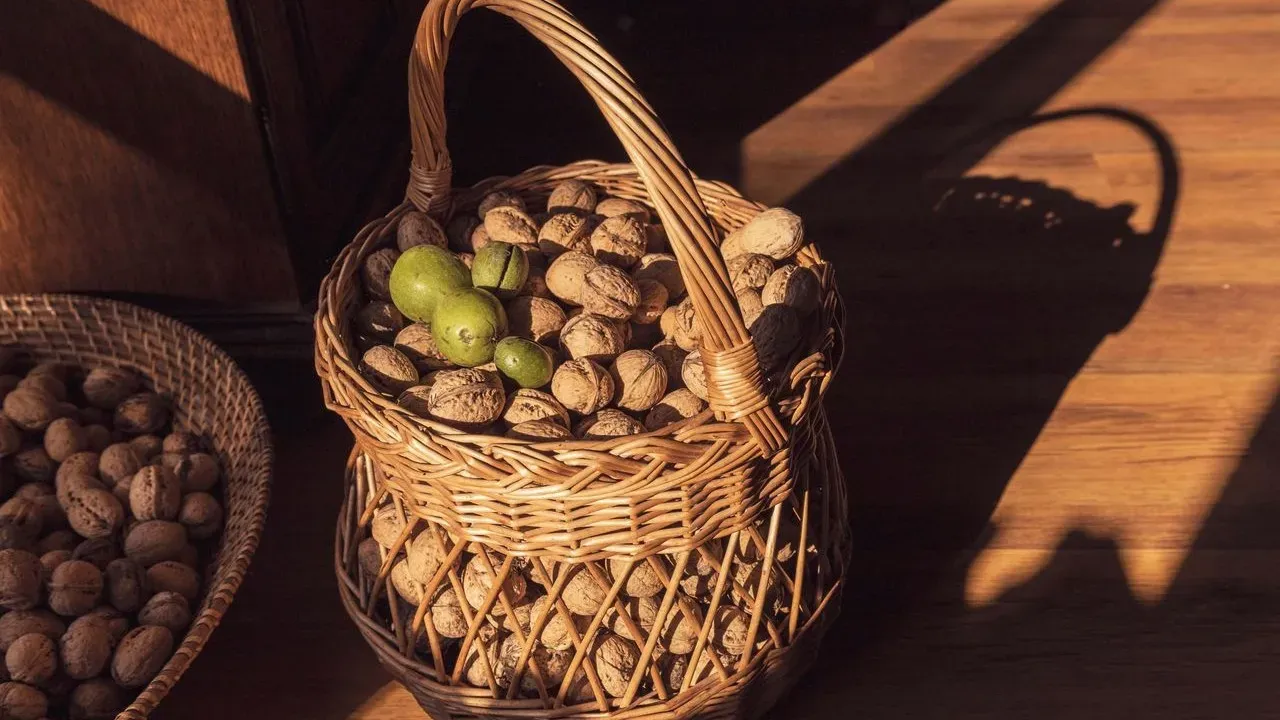

Many home cooks reach for a bag of walnuts left from last season’s baking only to wonder if the nuts are still good. The oils in walnuts break down over time, especially when exposed to warmth, leading to rancidity that affects both flavor and quality. University of California guidance and recommendations from the California Walnut Board provide clear timelines for keeping walnuts at their best.
Clear Timelines for Different Storage Conditions
University of California’s consumer nut guide places walnuts at roughly one year in the refrigerator and two years or more in the freezer, whether in the shell or shelled. The same source notes that nuts maintain quality for only a few months at room temperature. Other university extensions offer shorter estimates for refrigerated storage, ranging from three to six months for best results once a package is opened. These figures represent quality estimates rather than strict safety deadlines. Sources differ because they account for varying packaging and conditions, yet the pattern remains consistent: colder temperatures slow the oxidation that causes off flavors. Warm environments accelerate rancidity, which is why the California Walnut Board recommends moving walnuts to the refrigerator or freezer for longer periods.
Recognizing When Walnuts Have Spoiled
Visible mold is the clearest signal to discard walnuts immediately. The USDA advises throwing out moldy nuts without sniffing them, as certain molds can produce mycotoxins. A paint-thinner or stale odor also indicates rancidity, according to the California Walnut Board, which describes fresh walnuts as having a mild, nutty scent. Insects, webbing, or damp, soft, or shriveled nuts provide additional reasons to discard the batch. A normal appearance or smell does not guarantee the absence of harmful bacteria, as University of California experts note that such contamination cannot be detected by sight, smell, or taste alone. Past the best-by date, walnuts may still be usable if stored properly, but any sign of spoilage overrides the date.
Best Practices for Keeping Walnuts Fresh
An airtight container protects walnuts from moisture, odors, and air once the original packaging is opened. The California Walnut Board suggests keeping the container away from strong-smelling foods such as fish or onions, since walnuts readily absorb surrounding flavors. In-shell nuts should remain dry, as extra moisture can encourage mold or bacterial growth. Freezing offers the longest protection and can even eliminate insect pests when nuts are held at zero degrees Fahrenheit for 48 hours. Thawing requires no special steps beyond resealing the container promptly. Shelled and in-shell walnuts follow the same cold-storage timelines, though chopping or grinding increases surface area and shortens quality life, so it is best to prepare them just before use.
Practical Considerations for Everyday Use
Dates on packages indicate peak quality rather than safety, per USDA guidance, so properly stored walnuts often remain fine beyond the printed date. Recalls, such as the 2024 E. coli outbreak linked to bulk organic walnuts or the Listeria recall of shelled walnuts that same year, underscore the importance of checking current notices when purchasing in bulk. Salted or flavored varieties may have shorter quality windows than plain walnuts, while certain coatings can extend shelf life. Walnut oil, butter, or candied products follow their own labels rather than these general rules. When in doubt about older nuts, the safest approach is to replace them rather than risk poor flavor or undetected issues in baking or cooking. Cold, sealed storage remains the most reliable way to enjoy walnuts through the holiday baking season and beyond.
AI Disclaimer: This article was created with the assistance of AI tools and reviewed by a human editor.