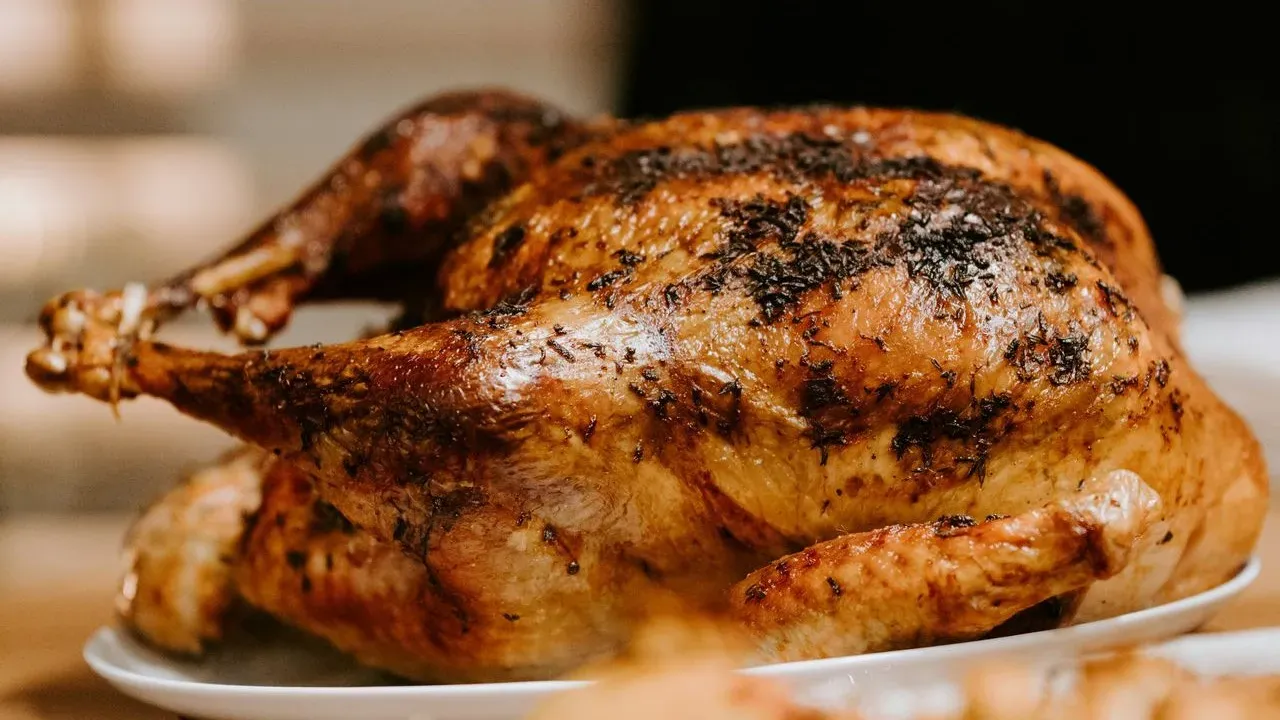

After Thanksgiving dinner, many households simmer stock from the leftover carcass or open a carton for gravy. Extension guidance and federal charts show that homemade turkey stock remains safe in the refrigerator for only about three days when handled correctly. Proper cooling within two hours and prompt use or freezing help prevent spoilage during the busy holiday period.
The Three-Day Limit for Homemade Stock
Penn State Extension and New Mexico State University both recommend refrigerating finished turkey or chicken stock for up to three days. USDA charts list gravy and meat broth at three to four days, while an FDA chart suggests one to two days. The shorter window accounts for the time needed to cool a large pot safely and the risk of bacterial growth in the temperature danger zone. Label containers with the date the stock was made. Divide large batches into shallow containers so they cool quickly in the refrigerator. Hot stock can go straight into the fridge, but the goal remains reaching safe temperatures fast to limit time between 40 and 140 degrees.
Handling the Turkey Carcass
A cooked turkey carcass should move into the stockpot within two days, according to New Mexico State University guidance on bones. USDA rules allow three to four days for cooked turkey meat, yet carcasses receive no separate mention. The cautious approach calls for making stock by the second day or freezing the carcass promptly. Any carcass left out overnight exceeds the two-hour limit for perishable food and should be discarded. Freezing the bones early preserves the option to simmer stock later without rushing.
Store-Bought Cartons and Their Labels
Unopened shelf-stable cartons follow the best-by date on the package, which USDA notes reflects quality rather than safety. Once opened, check the label first. Some brands recommend seven days or seven to ten days, longer than the federal charts suggest for opened broth. Without a specific label time, plan on up to three days in the refrigerator. Write the opening date on the carton to track the window accurately.
Freezing, Reheating, and Spotting Problems
Freezer storage at zero degrees keeps stock safe indefinitely, though quality holds best for two to three months. Cool the liquid first in shallow containers, leave headspace for expansion, and freeze in small portions for easy thawing. Thaw in the refrigerator and use within three days. Discard stock that shows mold, a sour smell, or a bulging or leaking package. A layer of fat or jelly-like texture when chilled often comes from bone collagen and does not indicate spoilage by itself. Reheat to a rolling boil before serving, but reheating never restores stock that sat out too long or exceeded storage times. – Visible mold or off odor
– Bulging, leaking, or dented packaging
– Left at room temperature more than two hours
– Stored past the three-day mark without clear history These checks help home cooks decide when to keep or toss leftovers during the holiday rush. Following the three-day guideline and cooling steps reduces waste while keeping meals safe.
AI Disclaimer: This article was created with the assistance of AI tools and reviewed by a human editor.