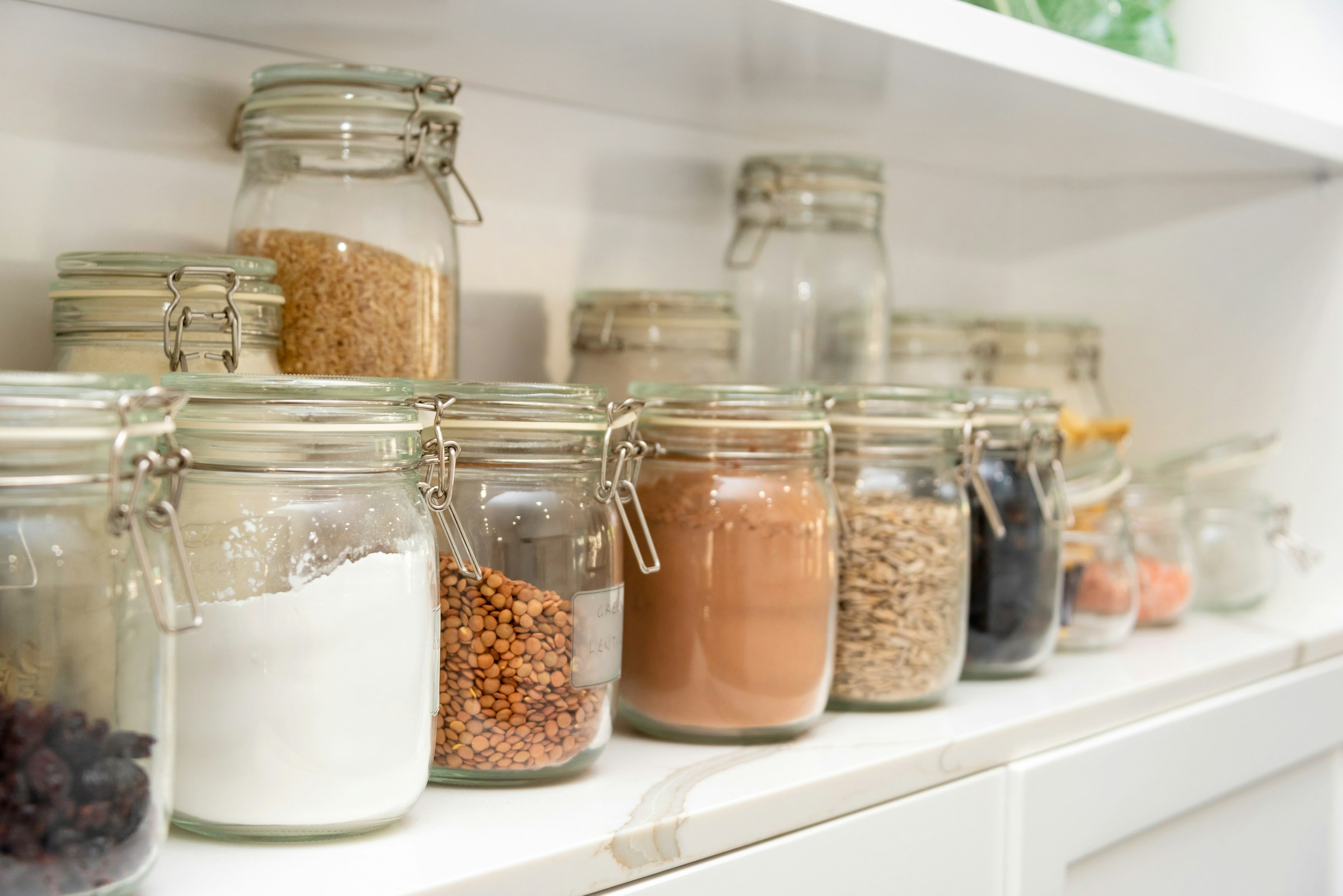

The Perfectly Labeled Pantry: You’re a Natural Planner
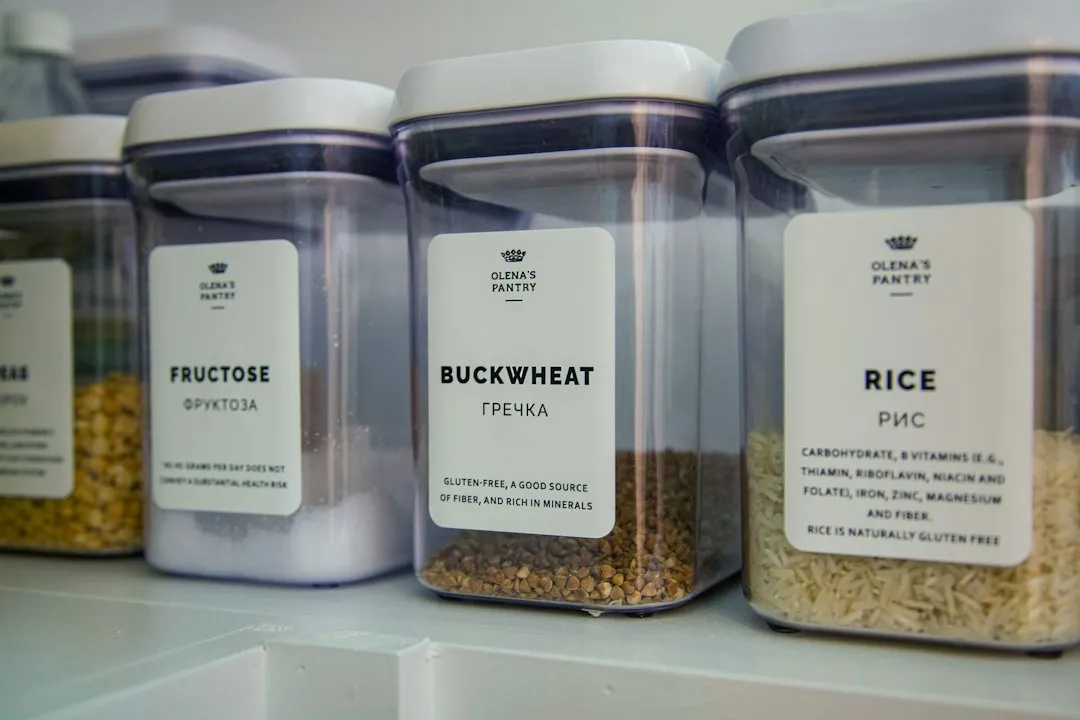
If your shelves hold matching containers, every label faces forward, and your grains are sorted by type, you’re not being obsessive. You’re being intentional. This kind of setup takes real upfront effort, but it pays off continuously. Strategic pantry design that prioritizes visibility not only reduces wasted food, but supports better purchasing decisions. When you can see everything you have, you make better choices.
Planners tend to also feel calmer in organized spaces for a neurological reason, not just an aesthetic one. Researchers at Princeton Neuroscience Institute confirmed that visual clutter in a physical environment directly competes for cognitive resources, reducing working memory capacity and increasing perceived cognitive load. A labeled, structured pantry is essentially a quieter workspace for your brain.
According to a Container Store and OnePoll survey conducted in 2024, roughly three quarters of people feel overwhelmed when their home is untidy, and four in five say they feel more motivated when their home isn’t cluttered. If your pantry is immaculate, you’ve likely already figured this out firsthand.
The Chaotic but Functional Pantry: You Prioritize Speed Over Systems
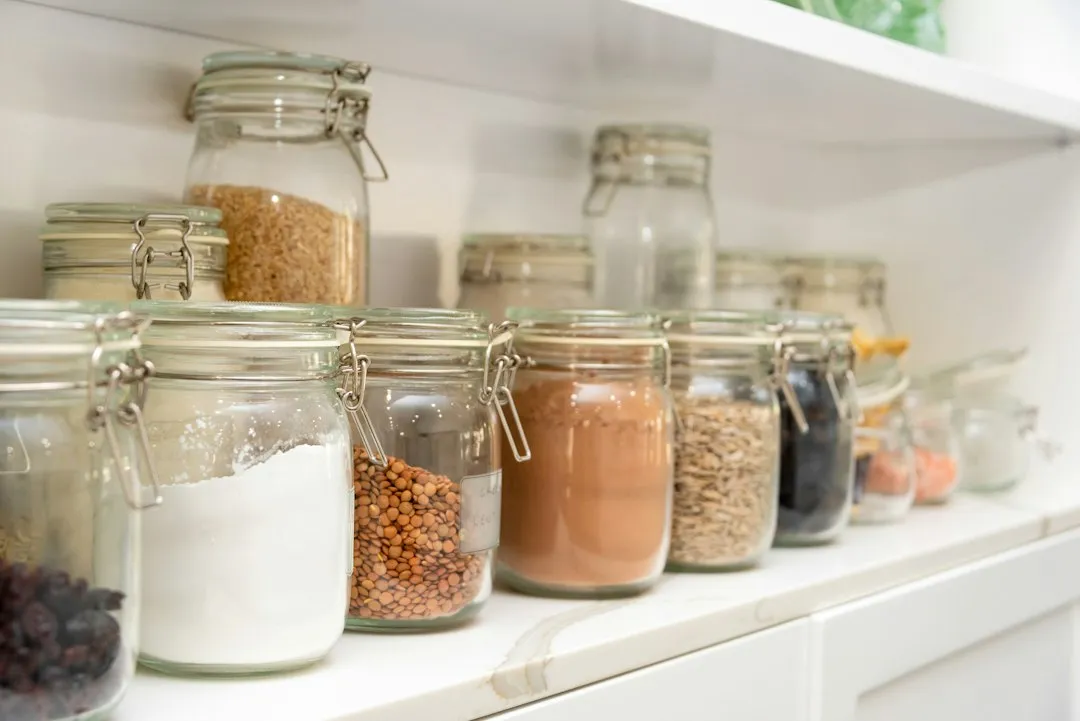
Some pantries look messy at first glance but somehow work. The pasta is roughly in one area, the canned goods are loosely grouped, and the owner can find what they need within thirty seconds. This is the pantry of someone who is pragmatic and results-focused rather than process-driven.
This style isn’t necessarily a problem. It becomes one, though, when items hide and expire unseen. A disorganized kitchen pantry costs the average American family an estimated $1,800 per year in wasted food, along with roughly 73 hours per year searching for misplaced items. People who value speed often overlook these invisible losses because the system “mostly works.”
As Real Simple has pointed out, pantry clutter often comes from habit, specifically the tendency to toss groceries wherever they fit or keep extras “just in case.” If this sounds familiar, it’s less about personality flaws and more about never stopping to build a better default habit.
The Empty Pantry: You Live in the Moment
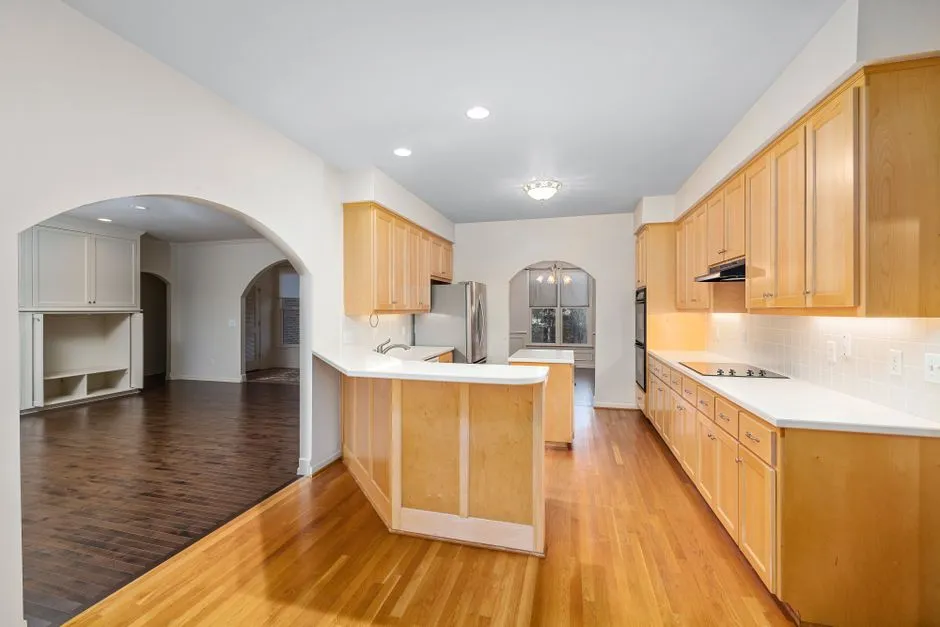
A near-empty pantry with just a few basics and whatever was bought this week usually belongs to someone who lives very much in the present. They shop more frequently, prefer fresh ingredients, and don’t like the feeling of things piling up. There’s something genuinely freeing about this approach.
The challenge is that it can leave you unprepared when schedules shift or unexpected circumstances arise. When you open a pantry and find chaos or emptiness, your brain can go into overdrive. A well-organized pantry, even a minimal one, creates lower stress levels when preparing meals and increases the likelihood of making healthier food choices.
Minimal pantries are also more common in smaller urban households and among younger adults. According to the 2025 American Time Use Survey, people aged 20 to 24 averaged just 1.37 hours a day on household activities, compared with nearly two hours for those aged 35 to 44. Less time spent at home often means less invested in stocking and organizing it.
The Overstocked Pantry: You’re a Comfort Seeker or a Planner Under Pressure

The pantry that is stuffed floor to ceiling, with backups of backups and six varieties of pasta, tells a different kind of story. For some people, abundance feels like security. Having enough on hand is emotionally grounding, not just logistically convenient.
This tendency can have real roots. Studies show that clutter doesn’t just crowd physical space. Research published in the Personality and Social Psychology Bulletin found that people who described their homes as messy had higher cortisol levels, the stress hormone that drains energy. Ironically, the stockpile meant to ease anxiety can contribute to it if the space starts feeling unmanageable.
The USDA estimates that Americans waste between 30 and 40 percent of the food supply, a problem that costs the country over $160 billion per year. Overstocked pantries without clear rotation systems are one of the main household contributors to that figure.
The Zone-Based Pantry: You Think in Systems
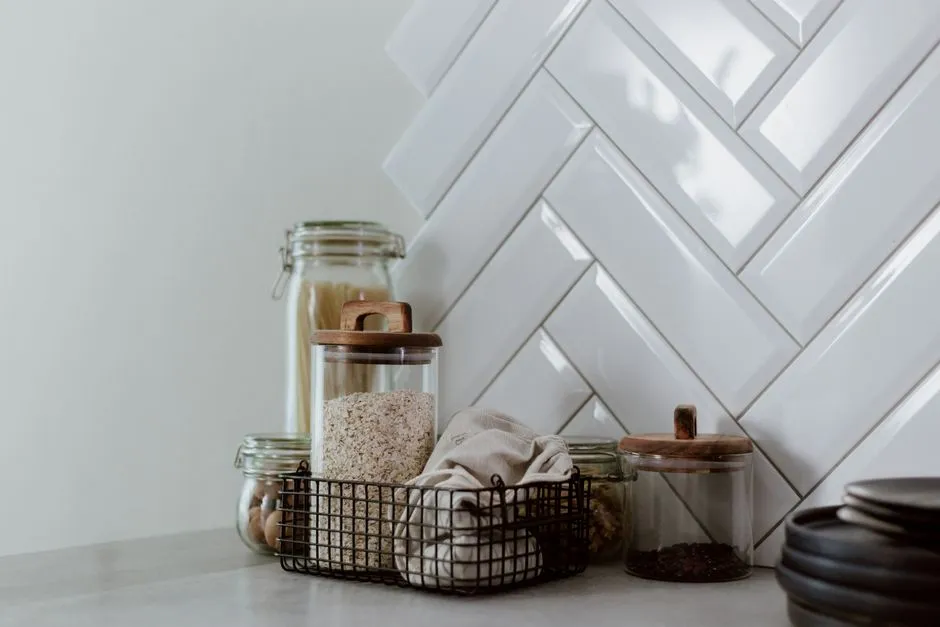
Some people divide their pantry into deliberate zones: baking here, snacks there, breakfast items in one corner, canned goods in another. This isn’t just tidiness. It’s systems thinking applied to daily life. Zone-based organizers tend to extend this logic everywhere, from their email folders to their weekly schedule.
Creating specific zones within a pantry, such as a baking zone, a snack zone, or a breakfast zone, makes retrieval faster and reduces decision fatigue. For the especially organized, some even maintain a simple notebook or digital app to track pantry inventory.
This approach reflects a broader truth about how structured environments affect behavior. The Journal of Environmental Psychology links organized home environments, especially kitchens, to lower cortisol levels and improved overall well-being. The person who built those zones probably didn’t need research to tell them this. They felt it.
The “I’ll Deal With It Later” Pantry: Procrastination Has a Shelf
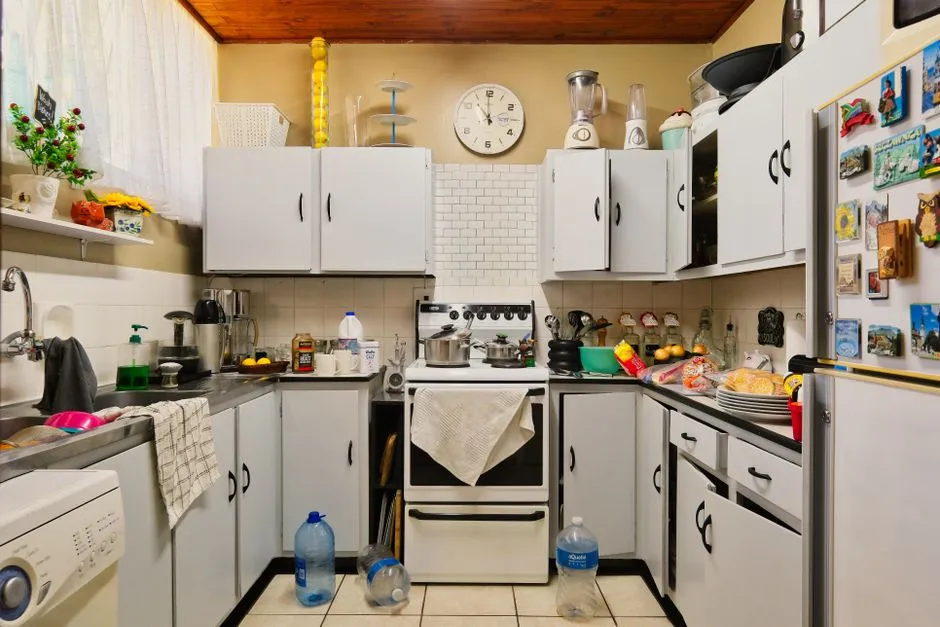
This pantry has expired items from two years ago, containers without lids, and duplicates of things that were repurchased because nobody could find the original. It’s not that the owner doesn’t care. It’s that the pantry never makes it to the top of the to-do list. Sound familiar?
A 2025 YouGov survey found that roughly four in ten U.S. adults live in environments they themselves describe as “cluttered.” The pantry is often ground zero for that clutter, quietly accumulating what every other room refuses to hold.
A 2025 Frontdoor report found that more than half of Americans feel burnt out by home maintenance and household chores. Pantry organization sits low on the priority list for many, which makes the “I’ll deal with it later” shelf a very common one.
The All-Clear-Containers Pantry: You Care About Aesthetics and Control
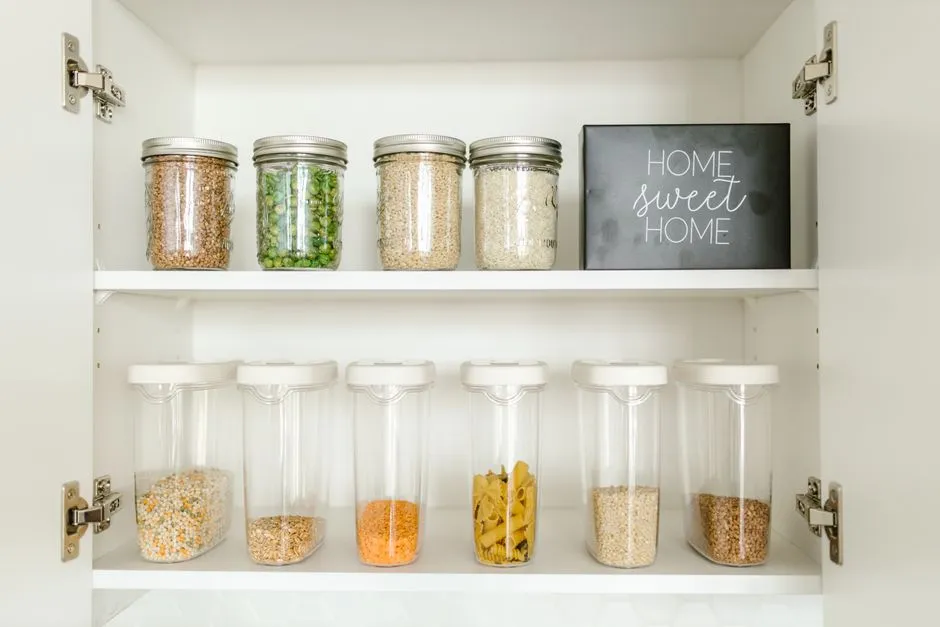
If everything has been decanted into matching glass or plastic containers, you’ve thought carefully about how your pantry looks, not just how it functions. This is the kind of setup that gets photographed and posted. It signals both aesthetic sensibility and a desire for consistency.
Science backs the instinct behind this choice. Clutter induces stress, confusion, and fatigue. When pantry shelves are brimming with mismatched containers and expired goods, the brain perceives it as visual noise, amplifying anxiety and reducing focus. Uniform containers remove that noise almost entirely.
According to a 2025 Eagle Woodworking survey of 1,000 homeowners, more than half said that messy drawers and cluttered countertops cause them daily stress. The clear-container crowd has effectively designed their way out of that particular stressor, even if the initial investment of time and money was real.
The Shared Pantry Chaos: Household Dynamics on a Shelf
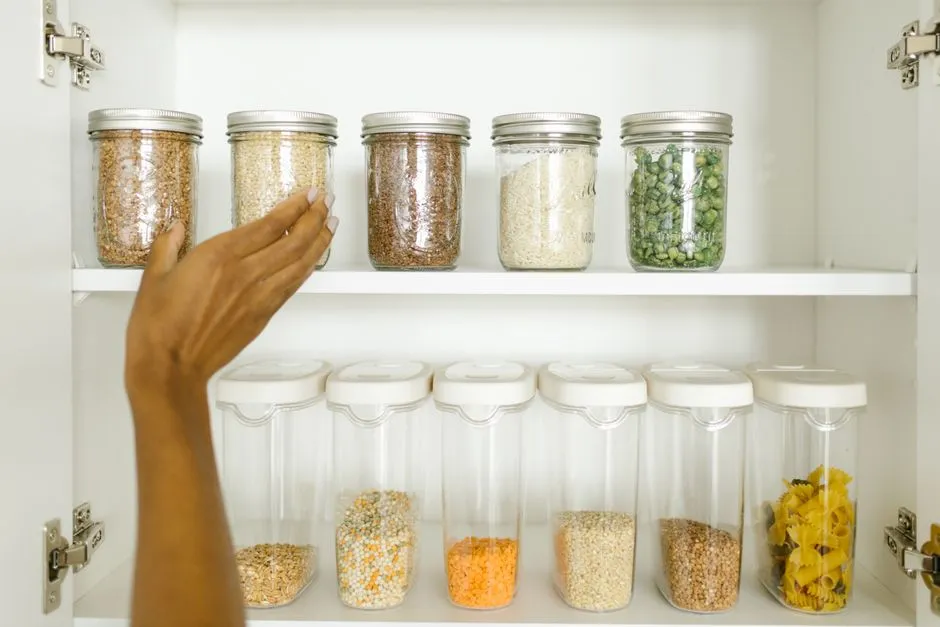
When multiple people share a pantry and nobody has agreed on a system, what you usually get is creative disarray. Things land wherever there’s space. Food gets duplicated because nobody checked. The pantry becomes a reflection not of one personality, but of a household still negotiating how it functions.
YouGov survey data from 2025 found that women are more likely than men to cite other household members as a challenge to maintaining organization. Among households with children under 18, nearly three quarters said that having children makes it significantly more difficult to keep the home organized.
The 2025 American Time Use Survey also found that married people living with a spouse averaged over two hours a day on household activities, compared with under two hours for people of other marital statuses. More people in a home means more negotiation, more variation, and more pantry personality clashes.
The Rotating Stock Pantry: You Think Long-Term
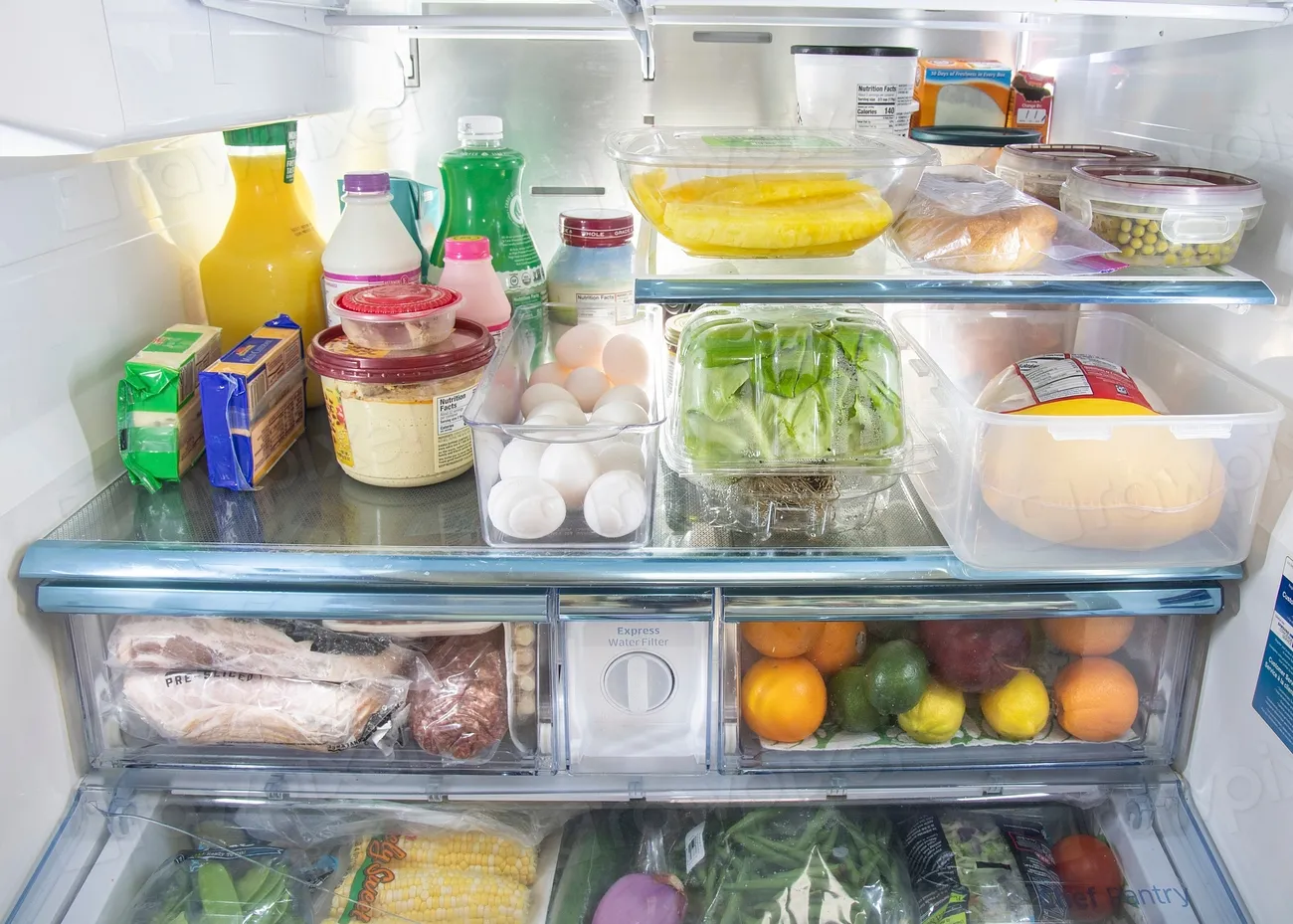
Some people practice what food storage experts call “first in, first out.” Newer items go to the back, older ones move to the front. Nothing expires unnoticed. This level of discipline in a pantry usually reflects a broader mindset: thinking ahead, reducing waste, and building habits that run on autopilot rather than willpower.
The first-in, first-out method, where newer items are always placed behind older ones upon restocking, is specifically recommended to minimize food waste. Pairing this with a habit of regular pantry purges every few months keeps both clutter and expired goods from accumulating.
When these principles are applied consistently, the pantry becomes more than just storage. It becomes an optimized system that reduces stress, saves time, and minimizes waste. Good organization creates a genuine sense of control and competence.
The Pantry That Gets Cleaned Before Guests: Appearances Over Consistency
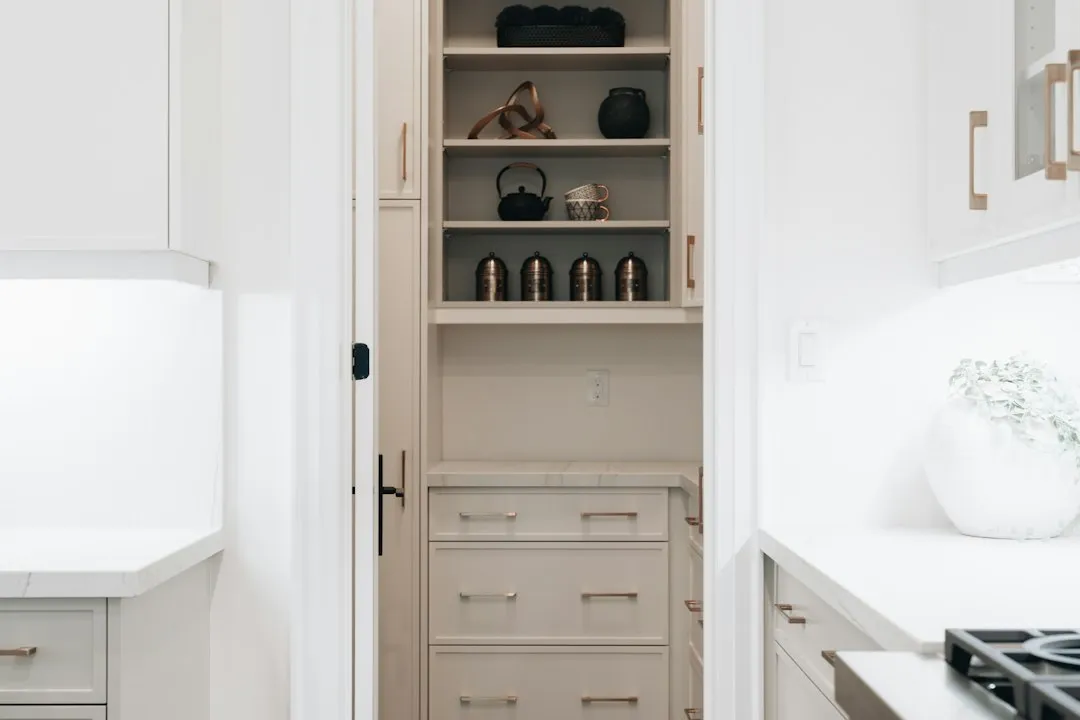
Some people maintain a generally manageable home but do a full pantry overhaul the morning before anyone comes over. The drive isn’t daily function. It’s how things look when others see them. The pantry, day-to-day, is an afterthought.
The American Cleaning Institute’s 2025 Fall Cleaning Survey found that roughly nine in ten Americans clean reactively before hosting guests, which suggests this behavior is widespread and culturally normal, even if it doesn’t add up to a sustainable system over time.
About one in eight Americans admit that whenever they have guests, they worry about how cluttered their homes look. For this group, the pantry becomes a performance space rather than a working tool, tidied up for the audience rather than for daily ease. That’s not necessarily a problem, but it does reveal where priorities actually live.
What It All Actually Means
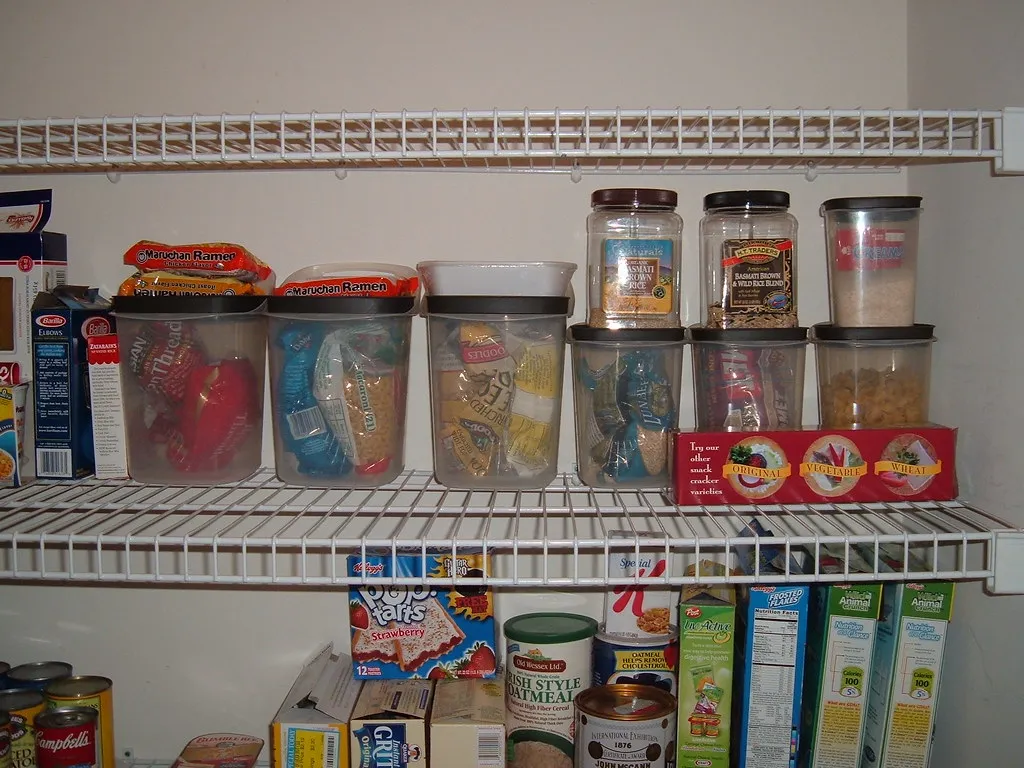
None of these pantry styles is a verdict on your character. A chaotic pantry doesn’t make someone a failure any more than a pristine one makes someone superior. What your pantry does reveal, honestly and without filter, is where your attention goes and what kind of environment you find livable.
The psychology behind pantry organisation suggests that when we create order in our spaces, we tend to create a corresponding order in our minds. The reverse is equally true. The pantry often mirrors what’s already happening inside: the busyness, the planning, the comfort-seeking, or the daily sprint from one task to the next.
If you’ve looked at this list and recognized yourself in more than one style, that’s normal. Pantries evolve with life seasons. What matters is knowing which version actually serves you. Sometimes the most useful thing isn’t a container system or a label maker. It’s just noticing what your shelves have been quietly trying to tell you.
AI Disclaimer: This article was created with the assistance of AI tools and reviewed by a human editor.