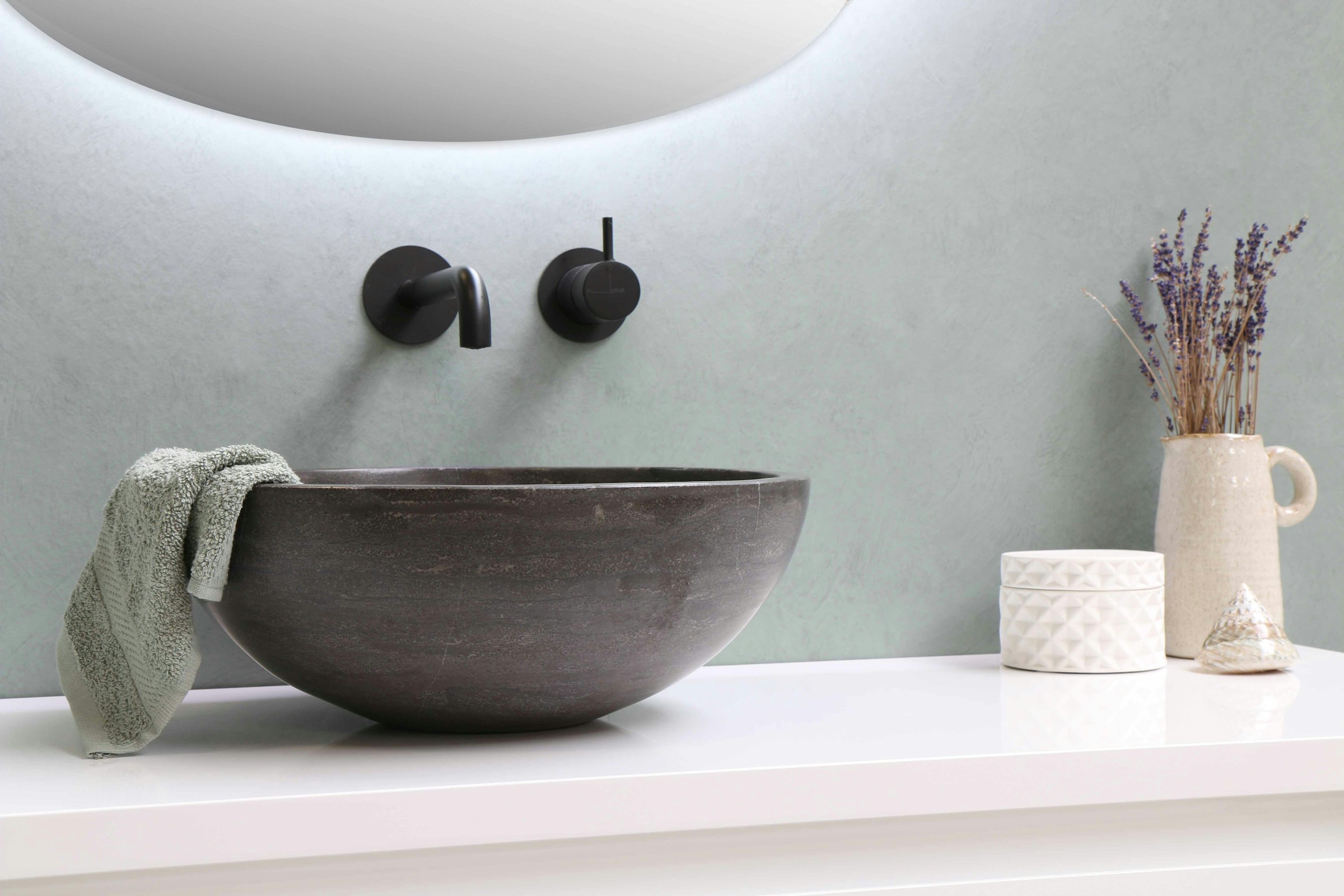

The bathroom counter is one of the most honest surfaces in your home. Nobody curates it for guests the way they might arrange a living room bookshelf or straighten a kitchen. It just exists, accumulating whatever your daily life actually demands, and that makes it unusually revealing.
Psychologists who study domestic environments have noted that private spaces tell a truer story about personality than the rooms we share publicly. The bathroom, used multiple times a day and rarely tidied for company, might be the most transparent mirror of all.
The Perfectly Clear Counter: You Value Control
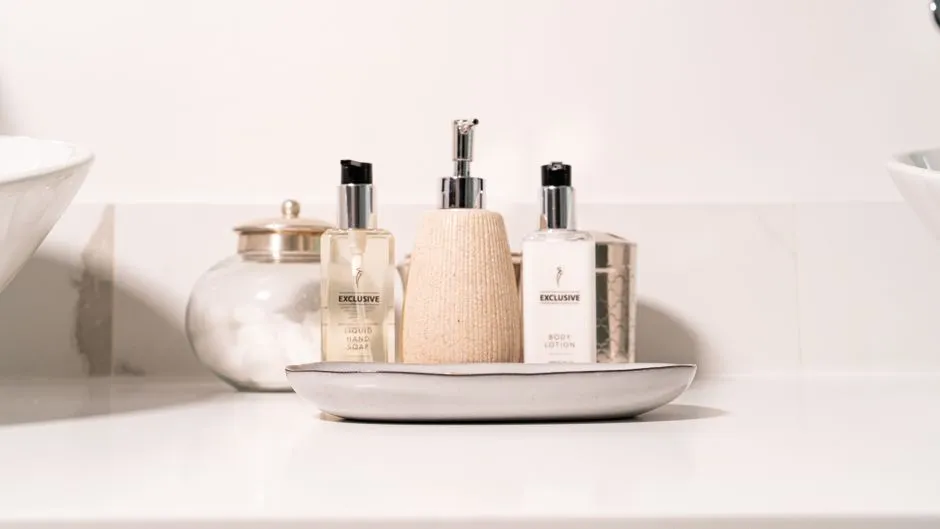
Some people keep their bathroom counter almost completely bare, a single hand soap, perhaps a succulent, nothing else. This isn’t minimalism for its own sake. It tends to reflect a high degree of conscientiousness, one of the Big Five personality dimensions in psychological research.
Conscientiousness reflects how organized, responsible, and detail-oriented an individual is. People who score high in this trait tend to maintain orderly spaces deliberately rather than accidentally. For them, a clear counter isn’t aspirational; it’s just the default.
Conscientious people tend to be efficient and organized as opposed to easy-going and disorderly, and they exhibit a tendency to show self-discipline and display planned rather than spontaneous behavior. That shows up quietly but clearly in how they treat a bathroom counter every morning.
The Overflowing Counter: Life Is Full, Maybe Too Full
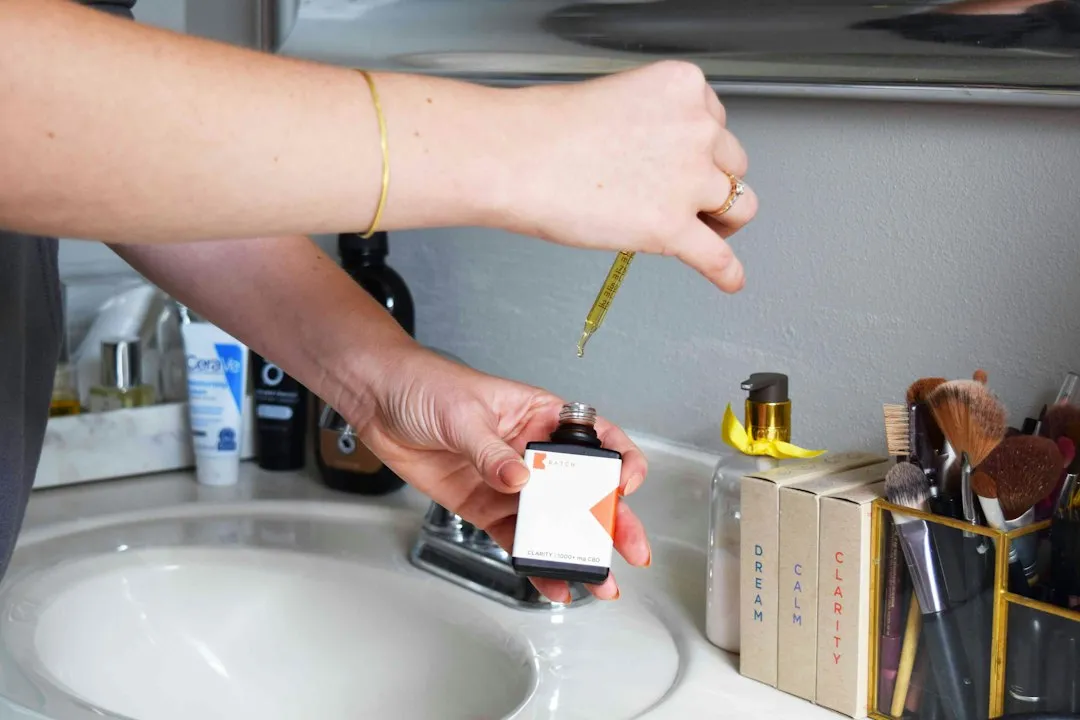
Bathroom clutter is among the most consistently cited household frustrations, and the average American bathroom stores dozens of products across a very small footprint, often with no dedicated place for most of them. So a cluttered counter isn’t a character flaw. It’s often just the logical outcome of having a lot of products and not enough space.
Still, there’s a point where volume tips into something more psychological. Research on clutter psychology notes that every item can represent an unfinished task or unresolved choice, keeping the mind in a low-grade state of activation. When you can’t find your moisturizer under three half-empty bottles each morning, that friction adds up.
Research on environmental psychology suggests that disorganized spaces at the start of the day, when bathroom routines are most concentrated, correlate with elevated stress responses throughout the morning. This is worth taking seriously, since it means the counter you face at 7 a.m. genuinely shapes the mood that follows.
The Hidden Hoarder: Tidy Outside, Chaos Inside
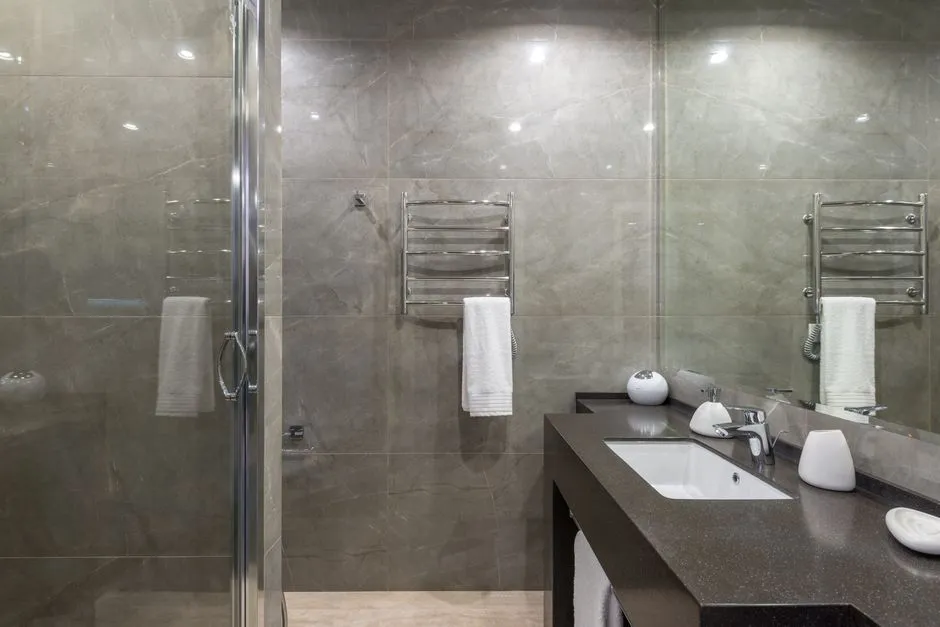
Some people maintain a spotless counter while their under-sink cabinet is an avalanche of expired serums and duplicate shampoo bottles. This particular arrangement says something specific. If you store items out of sight but let them clutter up your cabinets and closets, you probably want it to look like you’ve got your life together on the surface, but it might actually be a little messy underneath.
Psychologists describe this as impression management, the tendency to curate what others see while letting private spaces slide. Having a visibly tidy bathroom says that appearances matter to you. Whether the hidden chaos causes stress is a different question entirely, one worth asking honestly.
Twelve Products and Counting: The Informed Consumer
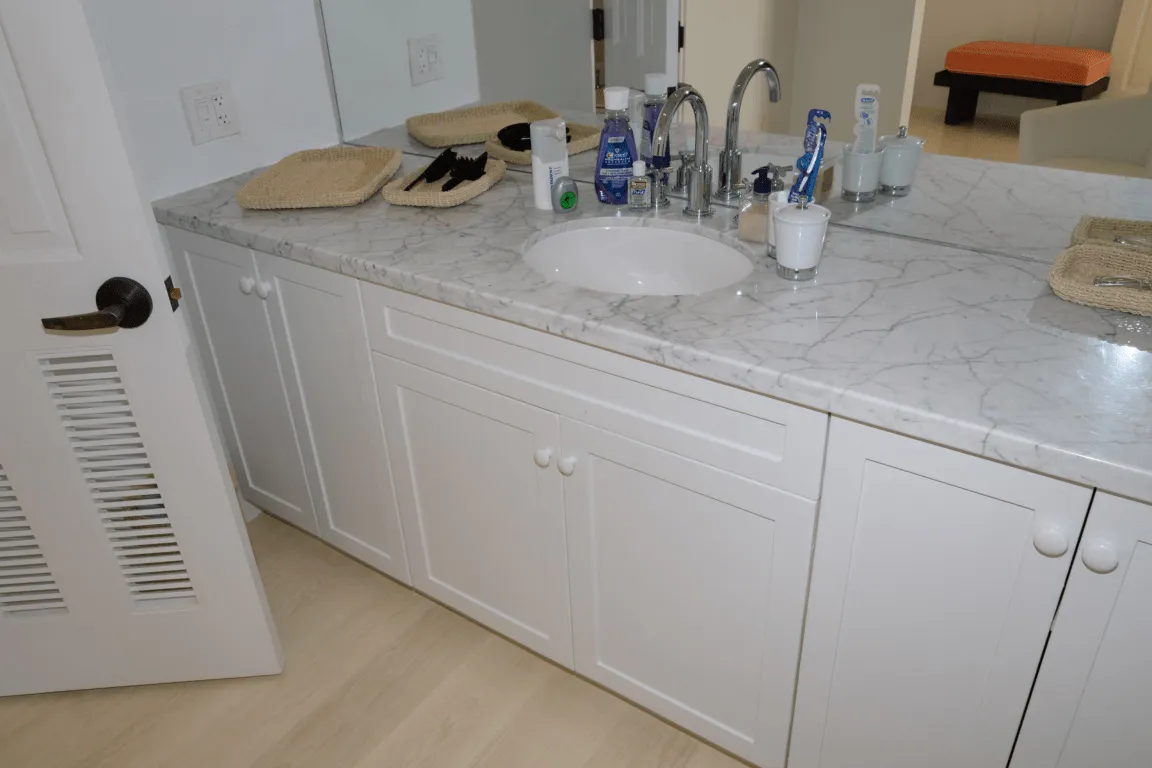
According to the Environmental Working Group, the average adult American uses 12 personal care products daily. That number surprises most people when they first encounter it, but a quick count of your counter usually confirms it: face wash, toner, moisturizer, SPF, toothbrush, toothpaste, floss, deodorant, shampoo, conditioner, body wash, and something for your hair.
Women use an average of 12 products a day, containing 168 different chemicals, while for men it’s an average of six personal care products containing 85 different chemicals. A counter loaded with carefully chosen products often belongs to someone who researches what they put on their skin, tracks ingredients, and takes personal care seriously as a form of self-knowledge.
The Skincare Shelf: Identity Through Routine

In recent years, skincare has become the main interest of beauty consumers, and the “skinification” trend reflects this, combining skincare with other treatments or personal care products. Skincare was the most popular beauty product category in 2024, holding a market share of nearly 40 percent. A counter dominated by serums, acids, and SPFs signals someone who is engaged with this shift.
For many people, a dedicated skincare routine is less about vanity and more about structure. The ritual itself, the same steps in the same order each morning, provides a kind of anchoring that psychologists associate with stability and self-regulation. The products are almost secondary to the routine they represent.
Generational Spending Patterns, Written in Products
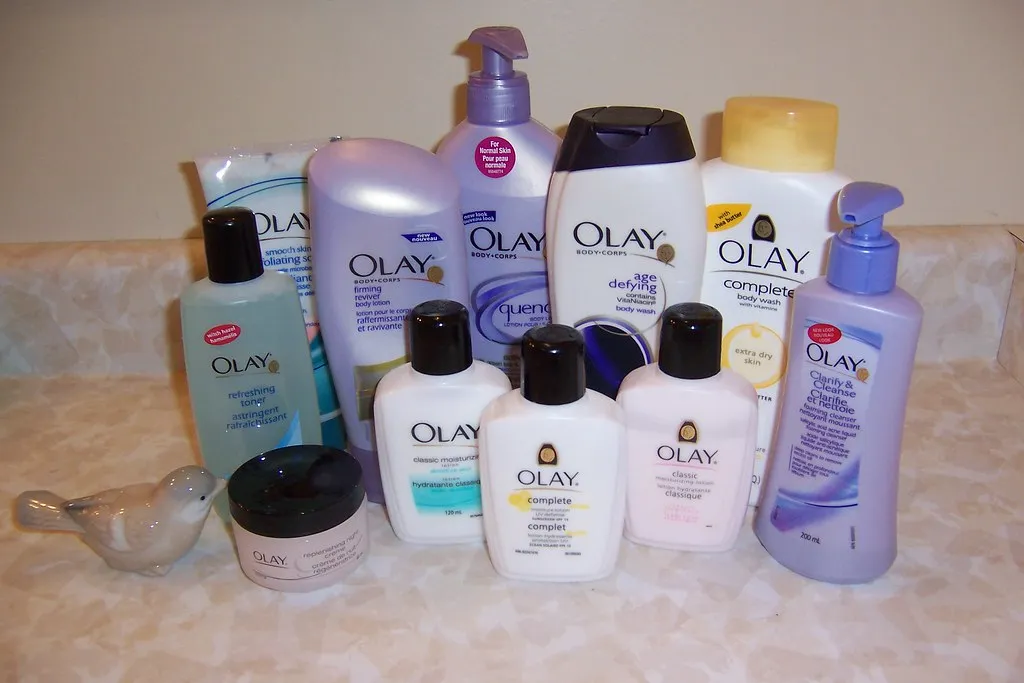
What sits on your counter also reflects generational habits more than most people realize. Gen Z spends an average of $2,048 yearly on beauty products, followed by Millennials at $2,670, Gen X at $1,517, and Baby Boomers at $494. These aren’t just numbers. They show up physically in the density and variety of what occupies counter space across different age groups.
American women spend an average of $3,756 per year on beauty products and services. A counter full of premium skincare and specialty treatments is often a Millennial or Gen Z space, while a sparser counter with a few trusted staples tends to belong to an older demographic. Neither is better; they just reflect different relationships with beauty culture and spending.
The Stress Signal You Might Be Ignoring
Your counter’s state of disorder isn’t just an aesthetic issue. Research published in Personality and Social Psychology Bulletin and related investigations suggests that cluttered environments correlate with cortisol elevations ranging from 18 to 25 percent compared to organized spaces. Cortisol is the body’s primary stress hormone, and starting every morning in a visually chaotic space means starting with a small but measurable stress load.
Cognitive science research consistently shows that visual reminders of unfinished tasks keep the brain’s stress circuitry engaged even in moments of supposed rest. The bathroom is supposed to be where you decompress and prepare. The bathroom is where you’re supposed to decompress. When the counter is a mess, the decompression never fully happens.
The Clean Beauty Shelf: Values on Display
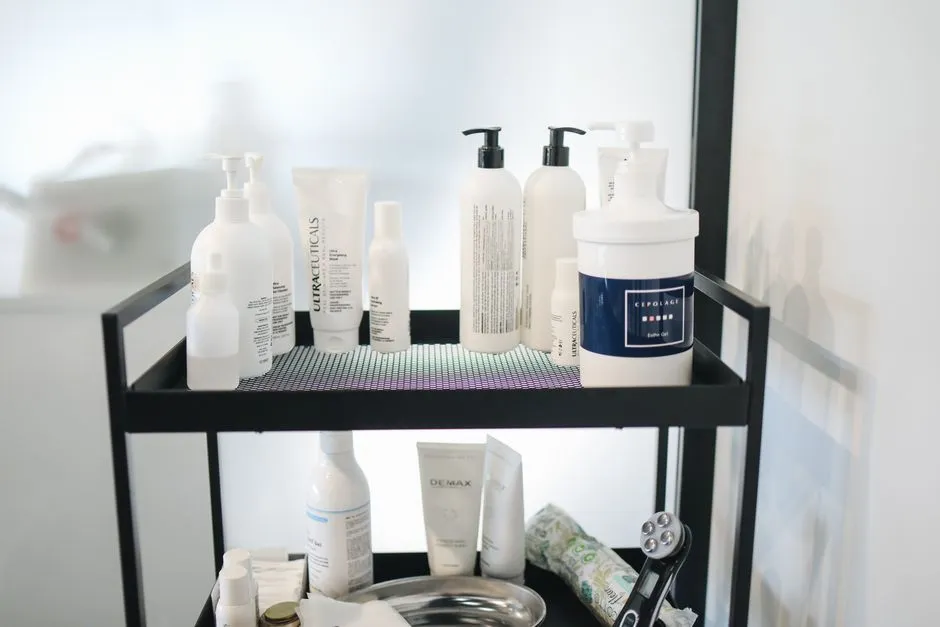
A counter stocked exclusively with clean, natural, or sustainably packaged products signals something beyond skincare preferences. It reflects a values framework that extends into purchasing behavior. One out of three beauty products in the US are now labeled “clean,” which means the category has moved from niche to mainstream and is now a genuine market force.
When shopping for beauty and personal care products, consumers consider first the presence of natural ingredients at around 40 percent, then respect for the environment at around 17 percent, and finally the use of recyclable packaging at around 15 percent. Someone whose counter reflects these priorities is making deliberate ethical choices, not just following a trend, though the two often overlap.
The Shared Counter: Negotiation Made Physical
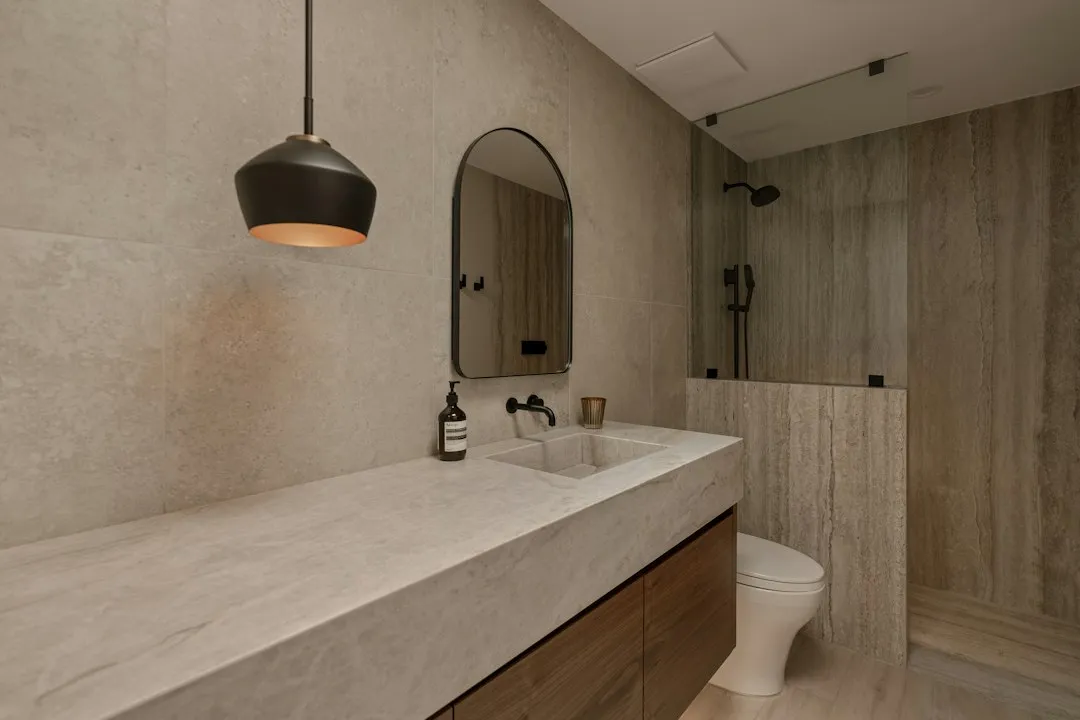
Shared bathroom counters are perhaps the most revealing of all, because they tell two stories at once and show where those stories conflict. The boundary between one person’s side and another’s is rarely spoken out loud. It’s just established, through habit, through quiet negotiation, and occasionally through passive-aggressive reorganization.
How two people divide counter space often reflects broader relationship dynamics: who takes up more room, who defers, who needs more products to feel ready, whose routine takes longer. Psychologists have observed that intentionally keeping a tidy bathroom can be seen as an extension of how you treat your relationships and your work. On a shared counter, that observation doubles in complexity.
Seasonal Resets: The Declutterer’s Mindset
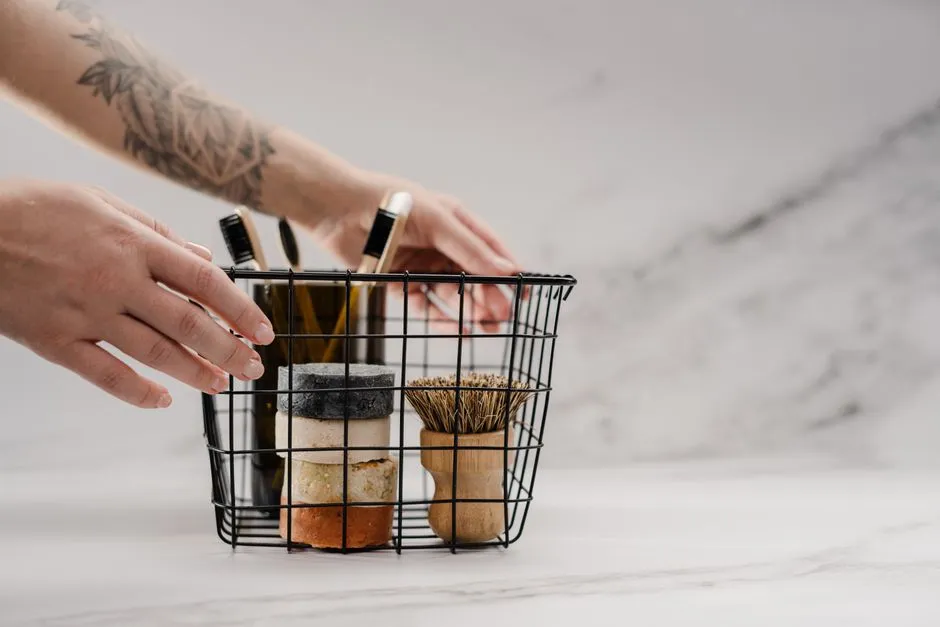
Some people clear and reorganize their bathroom counter regularly, pulling everything out, discarding what’s expired, returning to a clean slate. This habit is worth examining because it suggests a particular relationship with both physical space and mental state. Research on decluttering has highlighted a notable connection: increased control through decluttering relates to reduced fear and reactance.
Behavioral science research suggests that bathroom organization is most sustainable when products are audited seasonally, every three to four months. People who do this naturally, without needing a prompt, tend to be comfortable making decisions about what stays and what goes. That capacity to let things go without excessive attachment extends well beyond personal care products.
The Takeaway
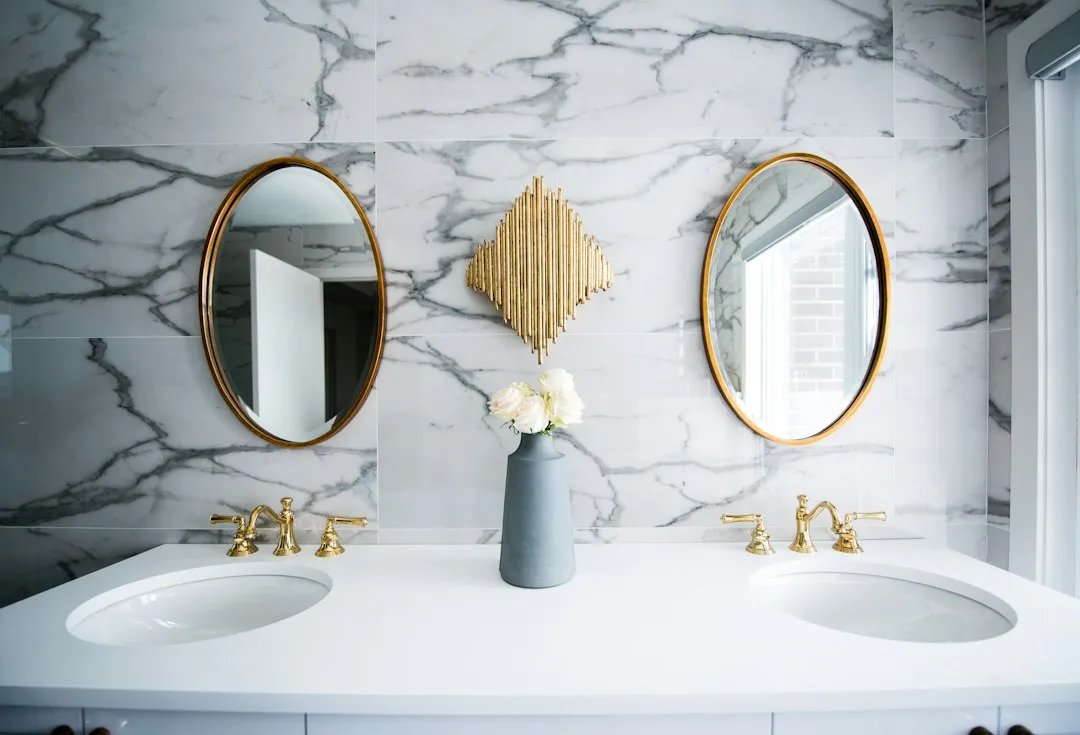
None of this is a verdict. A cluttered counter doesn’t make someone disorganized in every area of life, and a bare counter doesn’t guarantee someone has everything figured out. What the bathroom counter does offer is an unusually unguarded snapshot, a surface shaped by habit rather than intention.
A lot of people don’t think much about their bathroom, despite it being one of the most frequented rooms in their house, but psychology suggests that your bathroom likely reveals a lot more about your personality than you might think. That’s not meant as an invitation to judge yourself harshly. It’s more of a prompt to look with genuine curiosity at something you’ve probably stopped seeing altogether.
AI Disclaimer: This article was created with the assistance of AI tools and reviewed by a human editor.