

There’s something almost instinctive about the way people choose candles. You walk past a shelf, pick up one jar, smell it, and immediately put it back. Then another one stops you entirely. That moment of recognition, quiet and chemical all at once, turns out to say more about you than you might expect.
The fragrances we gravitate toward reveal surprising insights about our personalities, preferences, and even emotional needs. Psychological research has uncovered links between the Big Five personality traits and specific fragrance families, showing how closely our scent preferences align with who we are. This isn’t just marketing. The science behind it has been building steadily for years.
Lavender: The Quiet Connector

Those who select lavender fragrances typically seek peace and balance. They tend to prioritize self-care and create calming spaces wherever they go. Lavender enthusiasts lean toward introspection and value quiet moments for reflection.
Lavender lovers tend to have a large, close-knit social circle, and people find them easy to be around right away. They perform well in groups and are thought to be reflective and thoughtful. On the science side, lavender is the most researched calming scent, reducing cortisol and promoting relaxation.
Vanilla: The Comfort Seeker Who Surprises People
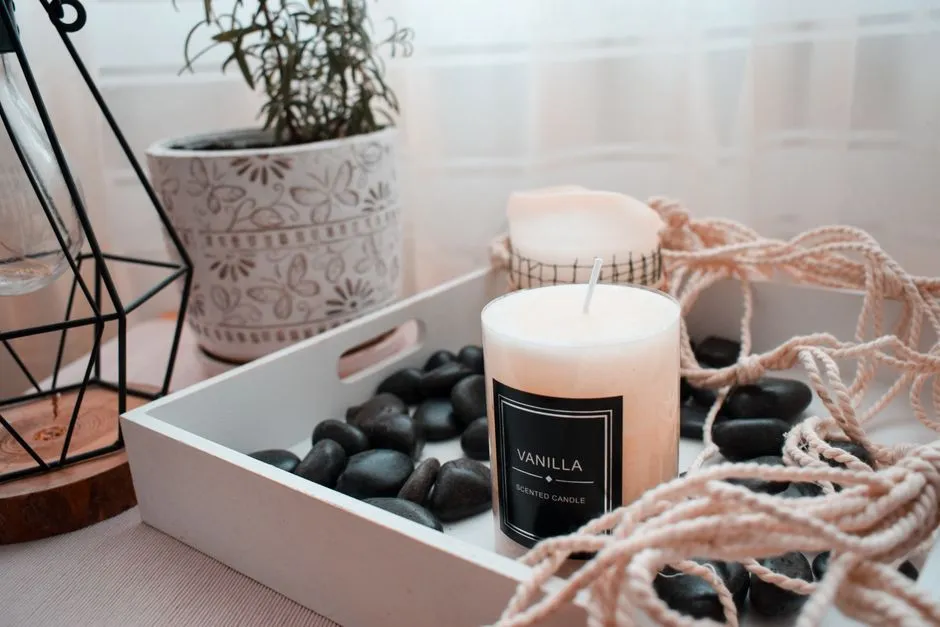
If you love candles with rich, comforting scents like vanilla, you might be someone who values warmth, security, and tradition, likely enjoying time at home and creating a nurturing, cozy environment. Your personality could be calm, inviting, and affectionate, appreciating both simplicity and indulgence.
Vanilla is one of the most popular scents worldwide precisely because it’s so broadly soothing, so a love of it points more to comfort-seeking than to any single personality trait. It’s the home-as-a-retreat scent. According to surveys, vanilla is not only one of the most loved scents, but people who love vanilla fragrance also tend to be lively, energetic, and the life of the party. There’s often a gap between how vanilla lovers come across and how much energy they actually carry.
Citrus: The Natural Extrovert
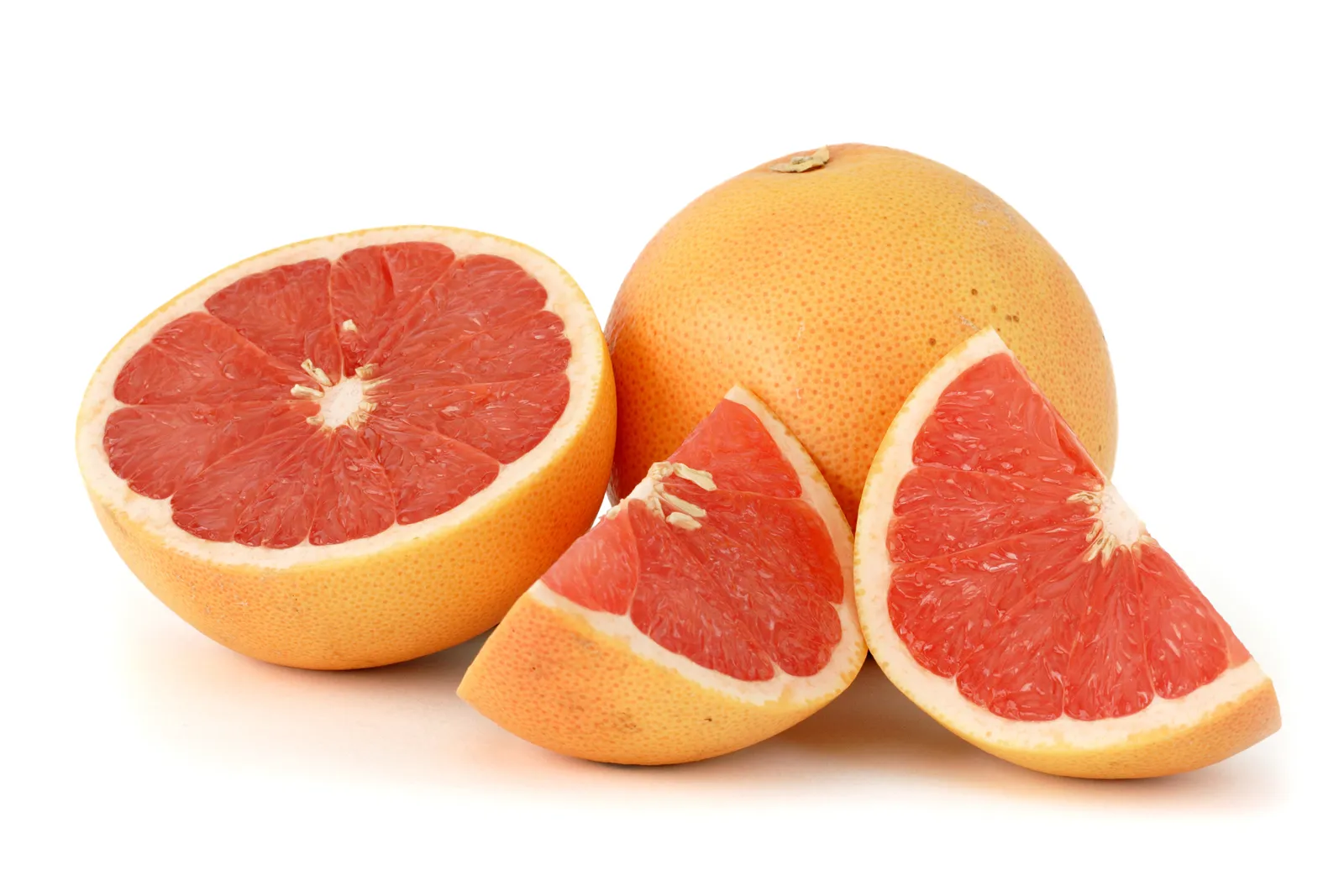
Citrus fragrances attract energetic and optimistic individuals. Lemon, orange, and bergamot are energizing and uplifting, perfect for extroverts and go-getters. Citrus scent admirers tend to be lively and dynamically outgoing.
Citrus enthusiasts often take the lead in group settings. If your friends and family consider you an alpha personality, chances are you prefer citrus-based fragrances. These individuals tend to be self-assured, ambitious, and natural leaders. The connection between citrus’s sharp, bright profile and an alert, forward-moving mindset has shown up consistently across scent psychology research.
Sandalwood: The Grounded Deep Thinker

Woody notes like sandalwood are preferred by conscientious personalities. Sandalwood, cedar, and patchouli mirror a personality that values structure, stability, and introspection, making them a natural choice for those who thrive on consistency.
Woody scents like sandalwood and cedar are grounding and sophisticated, great for deep thinkers and nature lovers. Sandalwood brings warmth through a creamy, woody base note that grounds a blend and lingers well after the flame is out. People drawn to sandalwood rarely rush. They tend to prefer depth over speed in almost every area of life.
Floral Scents (Rose, Jasmine): The Romantic Idealist
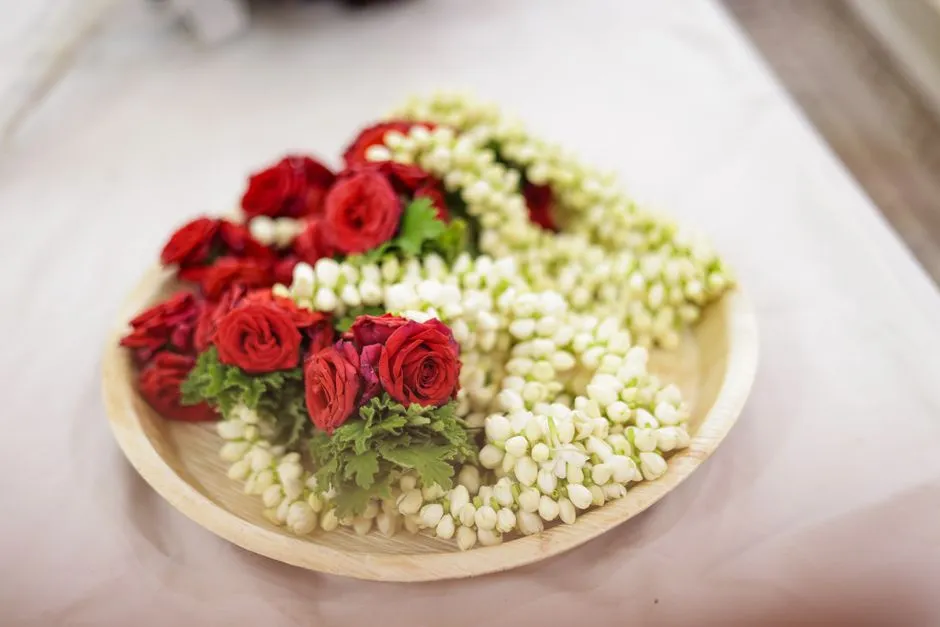
A preference for floral scents often indicates a sensitive, romantic, and artistic nature. Floral lovers tend to value beauty, connection, and peace, and enjoy expressing their emotions. They’re likely someone who seeks harmony and enjoys the finer details of life.
Research found that people who prefer floral scents tend to score higher on traits such as agreeableness and openness. Floral scents like lavender, rose, and jasmine are ideal for those with a romantic, gentle, or nurturing nature. This group often notices things other people overlook: a well-set table, a thoughtfully chosen gift, the particular quality of afternoon light.
Fresh and Clean Scents (Linen, Eucalyptus, Lemon): The Organized Optimist
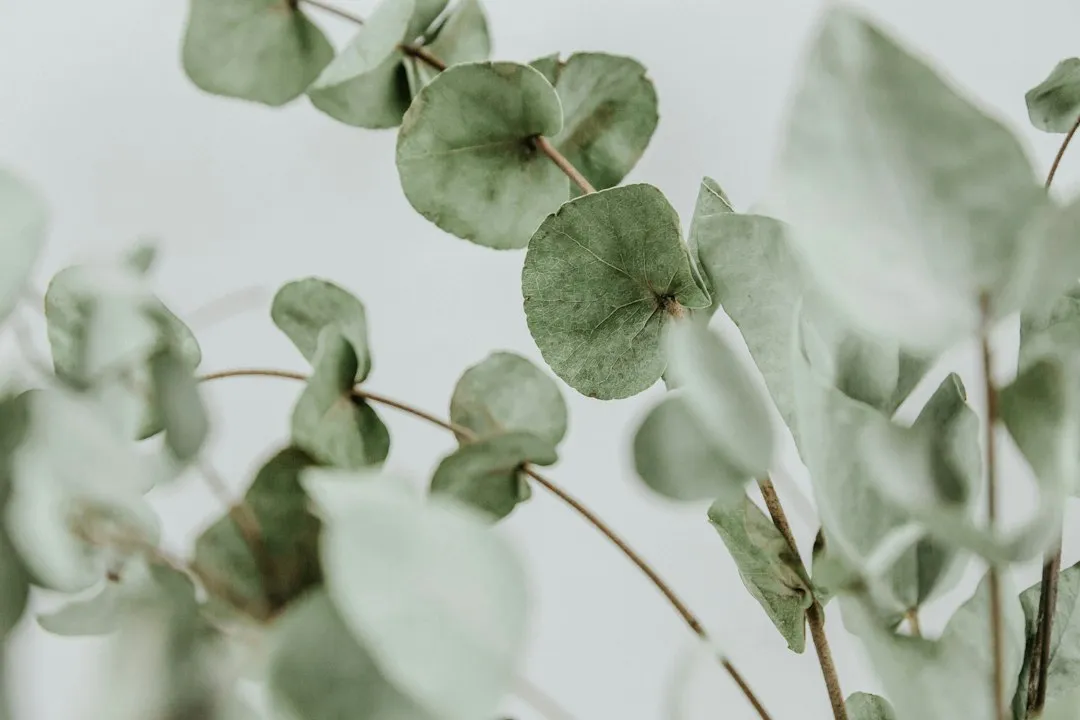
If you enjoy fresh, clean scents, you’re likely someone who enjoys clarity, order, and a sense of renewal. You might have a high-energy personality, thrive in organized environments, and appreciate simplicity in life.
Eucalyptus is known for its refreshing and invigorating properties, often used to relieve mental exhaustion and boost focus. Clean-scent devotees are often the ones with tidy desks, color-coded calendars, and a low tolerance for unnecessary clutter. It’s not rigidity; it’s a preference for environments that let them think clearly.
Spicy and Exotic Scents (Patchouli, Amber, Clove): The Nonconformist

If you lean toward rich, spicy, or exotic fragrances, you may have an adventurous spirit and enjoy standing out. Your personality is likely bold, independent, and passionate.
Unexpected combinations like ginger and patchouli appeal to independent thinkers who question conventional wisdom and forge their own path rather than following established routes. People who prefer woody and spicy scents tend to score higher on traits such as assertiveness and confidence. There’s a reason this fragrance family tends to attract people who’ve decorated their homes in ways nobody else would think to try.
Gourmand Scents (Caramel, Sugar Cookie, Marshmallow): The Nurturing Host
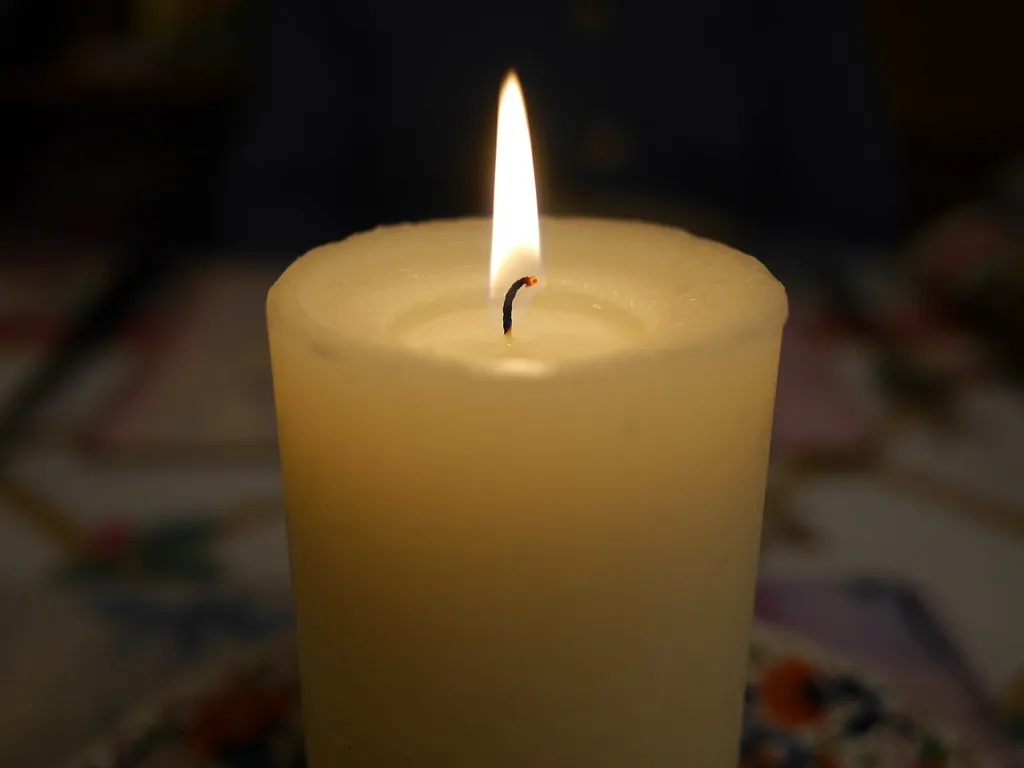
Gourmand fragrances with hints of vanilla, caramel, or spice attract those who prioritize comfort, nurturing, and creating welcoming environments for others. Gourmand scent lovers tend to be creative and indulgent.
Vanilla, lavender, and cinnamon exude a sense of comfort, making others feel safe in their presence. This is the friend who always has something homemade on the counter when you visit. Gourmand candle lovers don’t just want to feel cozy themselves; they want everyone around them to feel that way too. There’s a generosity baked into the preference.
Earthy and Woodsy Scents (Cedar, Pine, Moss): The Nature-Rooted Introvert
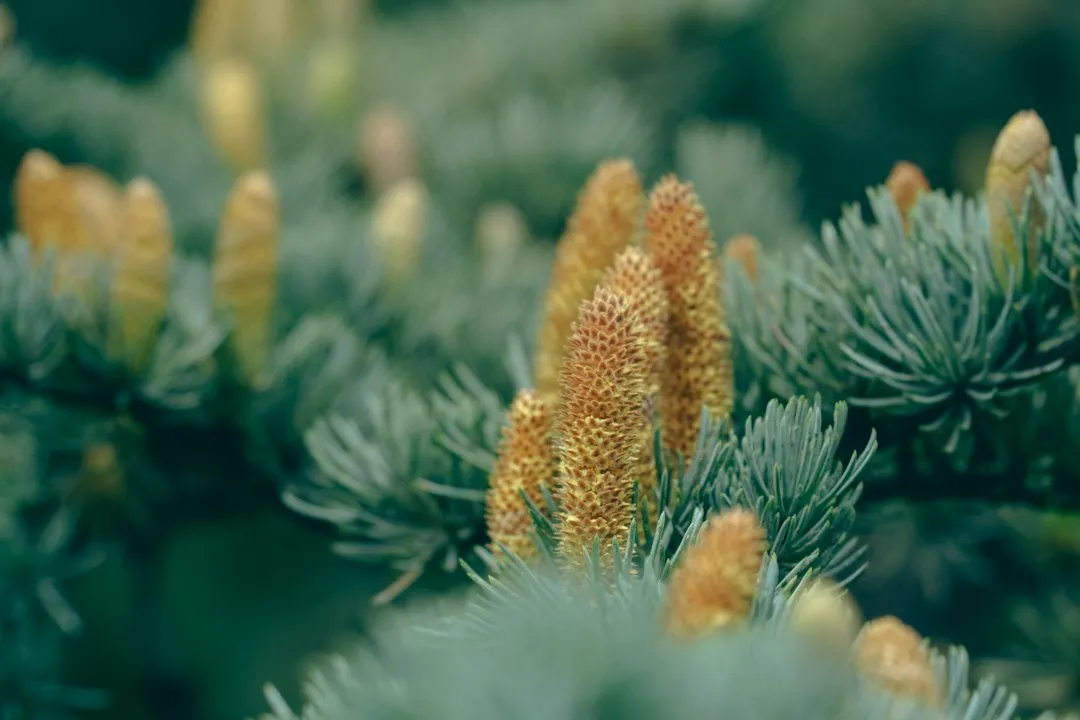
Earthy and woodsy scents like sandalwood, cedar, and amber suit those who are rooted and soulful, who love deep conversations, nature walks, and timeless design. These candles tend to bring the outside in, literally and figuratively.
Rosemary is known to enhance memory and reduce fatigue, while lavender has a calming effect. People who reach for pine or cedarwood candles often feel most like themselves outdoors and simply want to recreate that sense of spaciousness inside their homes. Research has demonstrated a significant association between personality traits and attitudes toward sense of smell, and the pull toward earthy, forest-floor notes is one of the clearest examples of that connection in action.
Layered or Complex Blends: The Multidimensional Personality
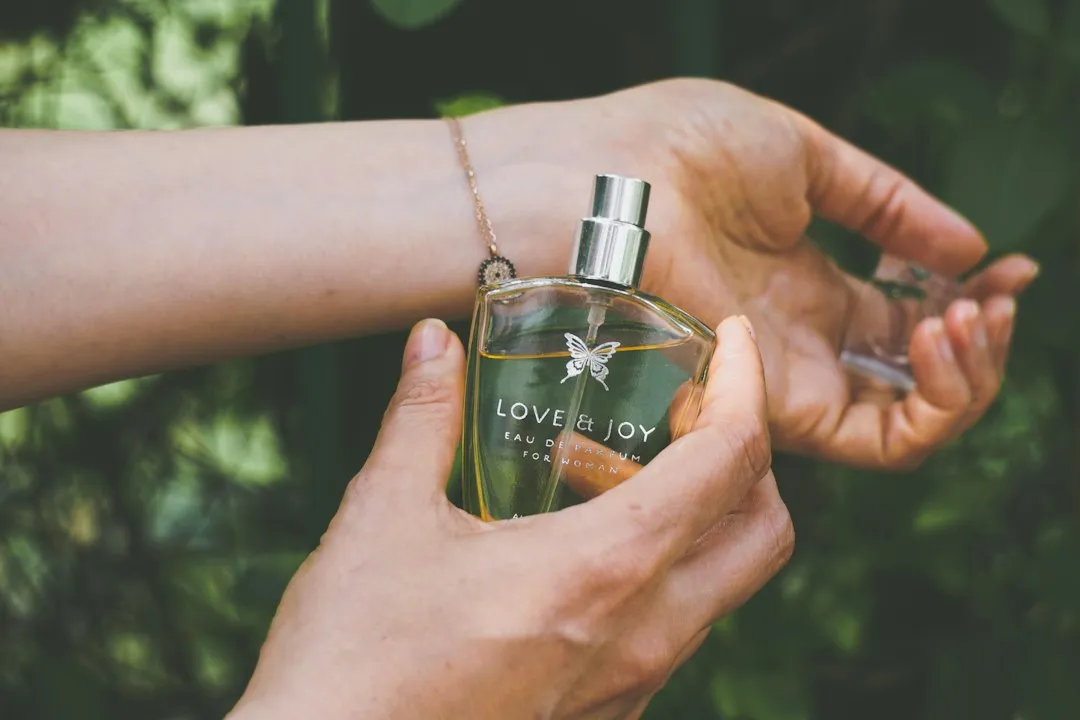
Some people consistently choose complex, layered fragrances. These preferences indicate nuanced personalities who embrace life’s contradictions. Rotating through several preferred scents or changing with the seasons indicates a multifaceted personality open to new experiences.
Research connects the Big Five personality traits, including Openness, Conscientiousness, Extraversion, Agreeableness, and Neuroticism, to specific scent families. Fruity and mixed fragrances were significantly preferred among individuals with high levels of conscientiousness and neuroticism. The person who can never commit to just one candle isn’t indecisive. They’re simply complex enough to need more than one mood captured in wax.
The Takeaway
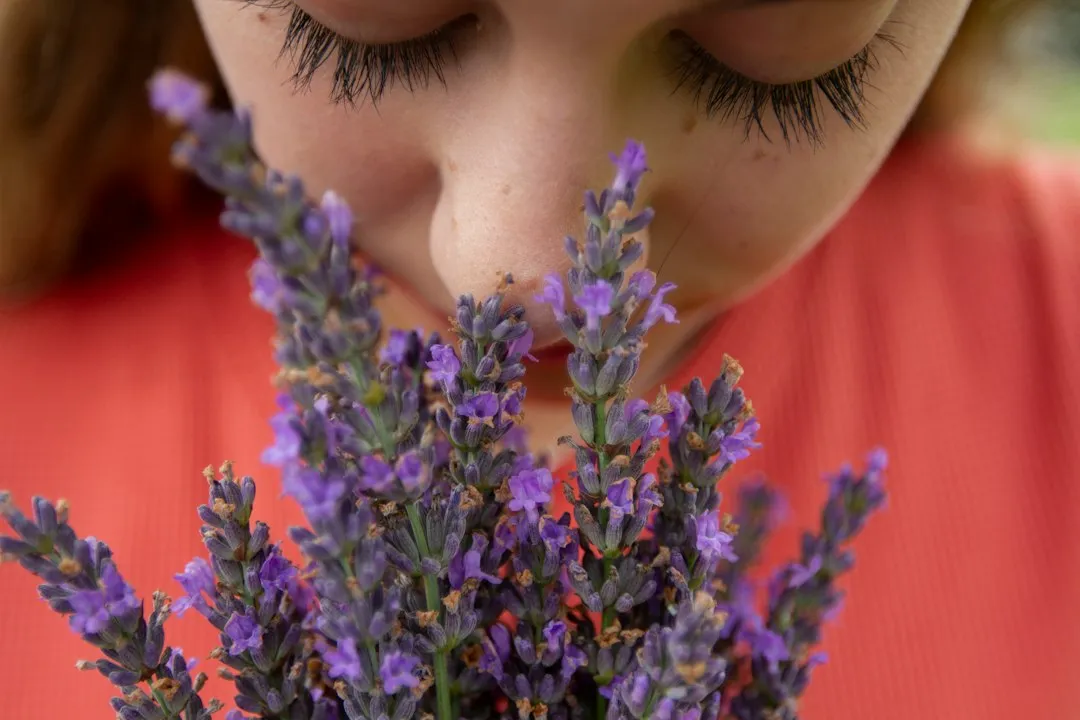
Our sense of smell is closely linked to memory and emotion. A single whiff of a familiar scent can instantly transport us back to a specific moment in time, evoking powerful memories and feelings. This is because the olfactory bulb is directly connected to the brain’s limbic system, the area responsible for emotions and memories.
Studies suggest that the vast majority of individuals view their fragrance as a core part of their identity, and a significant portion say wearing their signature scent boosts their confidence. Your candle choice is never really just about smell. It’s about what you need a space to feel like, what memories you want nearby, and in some quiet way, who you believe yourself to be. The jar on your nightstand already knows.
AI Disclaimer: This article was created with the assistance of AI tools and reviewed by a human editor.