
The Biology Behind Leaf Drop
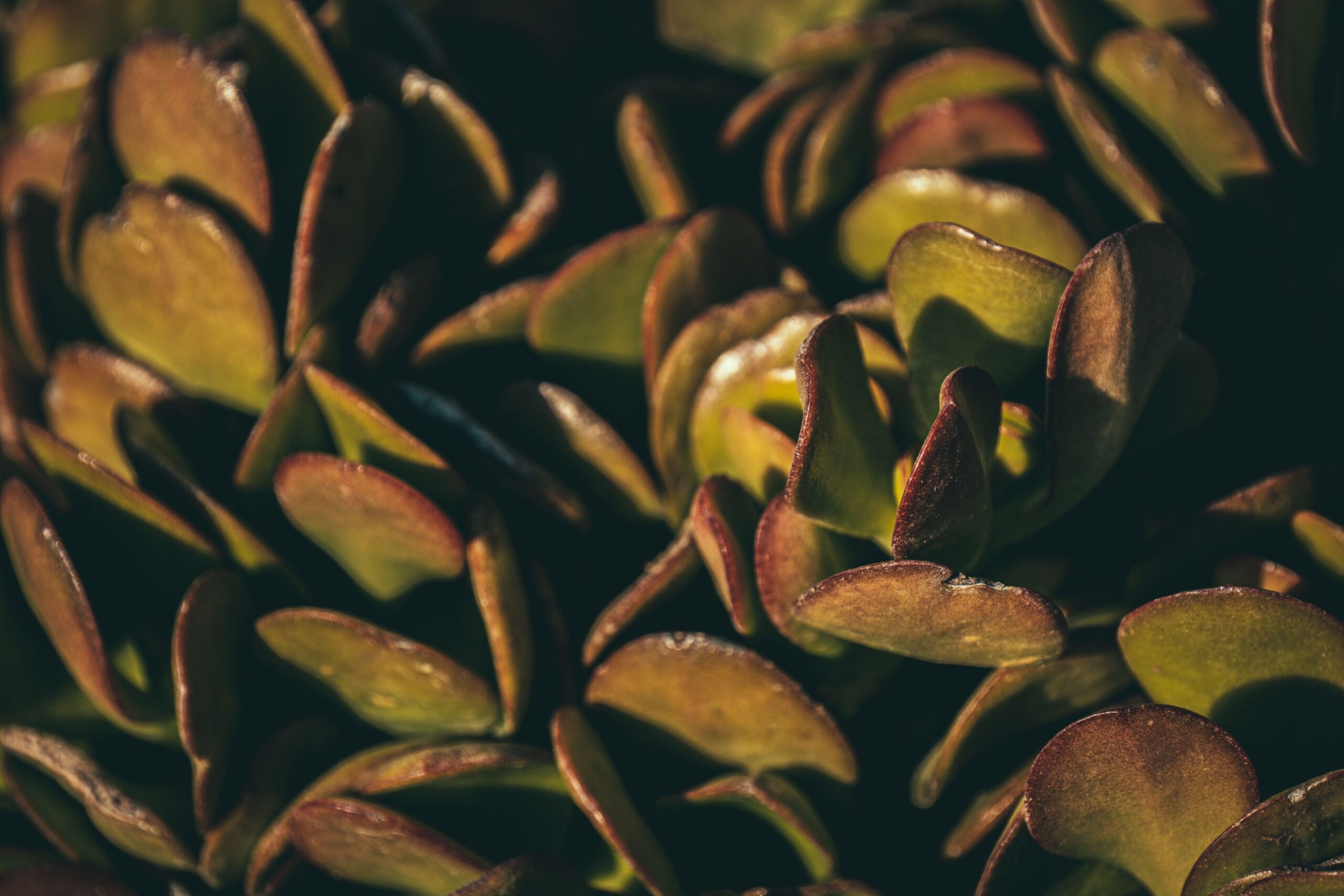
Jade plants (Crassula ovata) are native to South Africa and built for stability, not change. When conditions shift, the plant responds at a cellular level. The leaf abscission zone, a narrow band of specialized cells at the petiole base, only activates in response to physiological stress. Hormonal shifts, especially surges of ethylene and abscisic acid, trigger cell wall degradation there, allowing leaves to detach cleanly.
Both overwatering and underwatering trigger abscisic acid accumulation, a stress hormone that promotes leaf shedding to reduce the plant’s water demand. This same hormonal cascade is what fires when you move the plant and disrupt its equilibrium. The body is protecting itself, not dying.
Transplant Shock: The Core Trigger
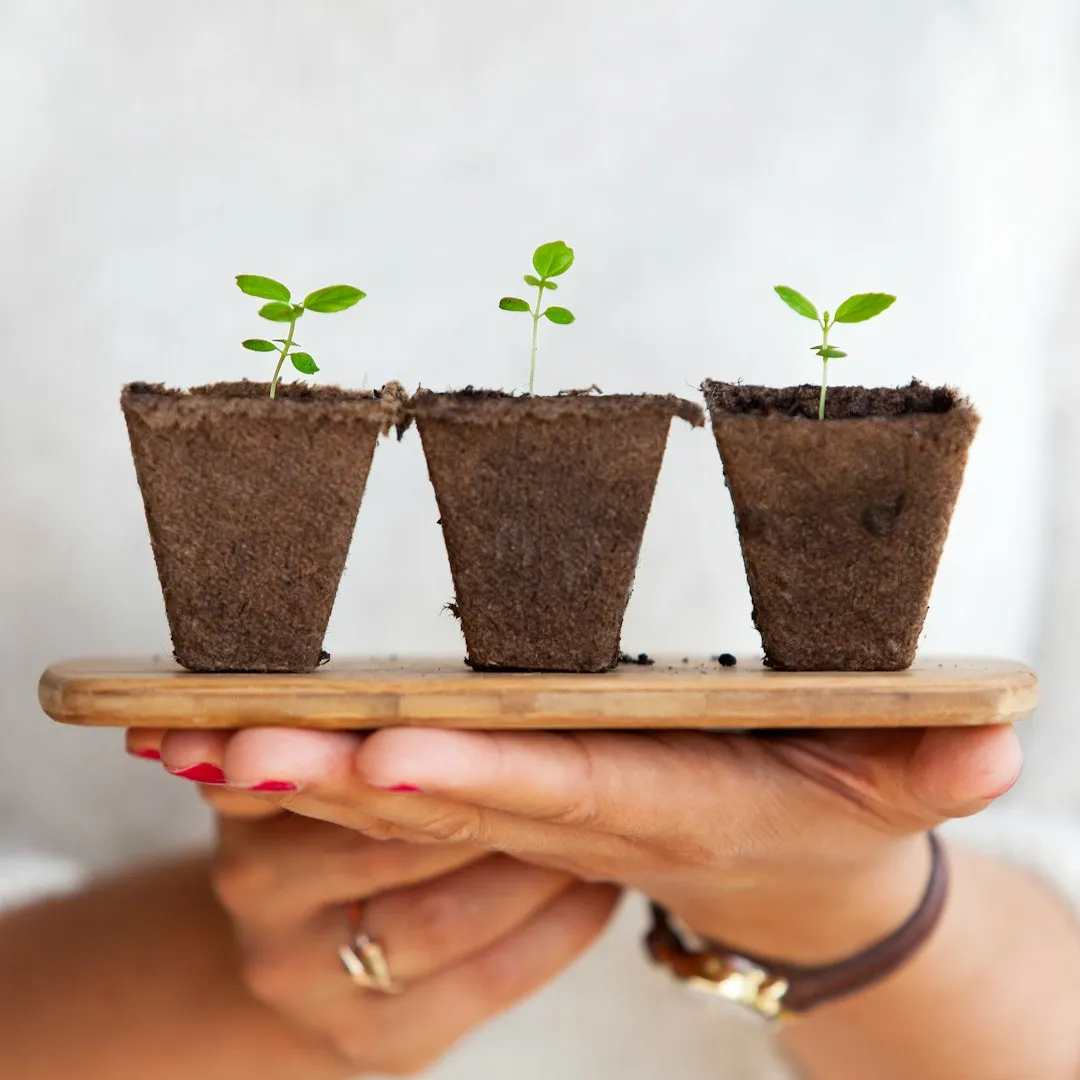
Transplant shock is a stress response that plants undergo when abruptly moved from one environment to another. Whether you’re repotting, moving plants indoors or outdoors, or transplanting from nursery pots to garden beds, the abrupt shift can upset the balance of the plant.
Transplant shock occurs when a plant’s root system is disturbed during repotting or relocation. The roots may become damaged or unable to function properly in their new environment, making it difficult for the plant to absorb water and nutrients. As a result, the plant experiences stress and begins to decline.
A sudden drop after moving, repotting, or a cold night is usually shock. This is the cause people overlook, and it’s the reason a healthy-looking plant from a store starts shedding a week after you bring it home.
Sudden Light Changes Hit Hard
Low-light leaf drop has a distinctive pattern: the inner, lower, and most-shaded leaves go first. When a jade plant is moved from a bright spot to a darker corner, it begins shedding the foliage it can no longer sustain.
A jade plant moved suddenly into low light will drop lower leaves as it stretches. The plant isn’t being dramatic. It’s making a rational calculation about which leaves are worth keeping given the energy available.
Indoor specimens often suffer from etiolation, a stretching of the stem, when light levels drop below 10,000 lux for extended periods. Placing the plant near a south or west-facing window after a move is the simplest corrective step.
Temperature Swings Are a Major Culprit
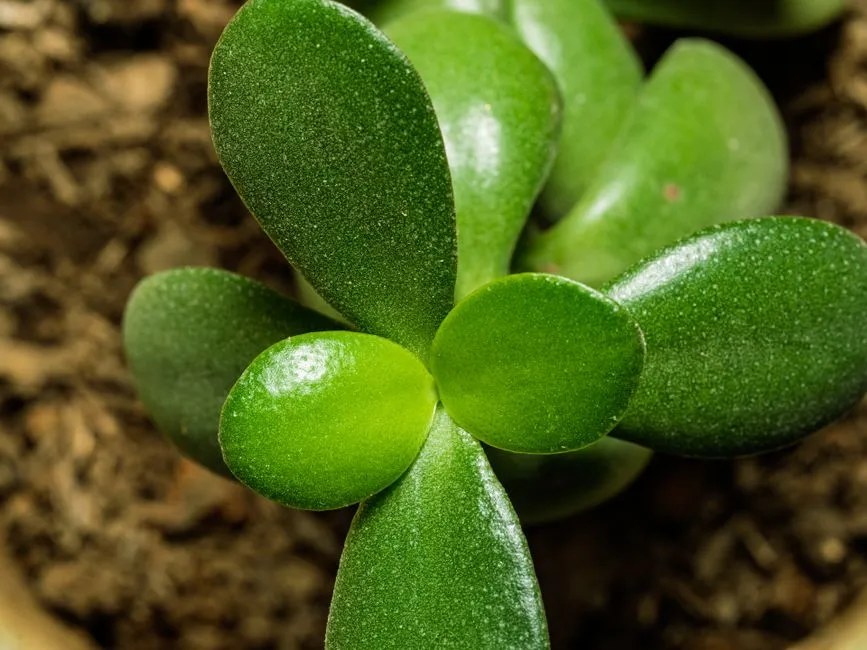
A sudden change in temperature caused by a move will also cause leaf drop. The leaves will grow back once your plant has adapted to its new surroundings. This applies equally to moving outdoors in autumn or into an unheated garage in winter.
The threshold for actual frost damage is approximately minus three degrees Celsius, but sudden drops from 22°C to 10°C, even above freezing, can trigger leaf drop in sensitive specimens. The plant doesn’t need to reach freezing to react.
This is especially common in autumn when heating kicks on, in winter near cold windows, or after moving the plant outdoors for summer and back inside at the season’s end. The transition between seasons is one of the riskiest moments for jade plants.
Drafts and Air Vents Make Things Worse
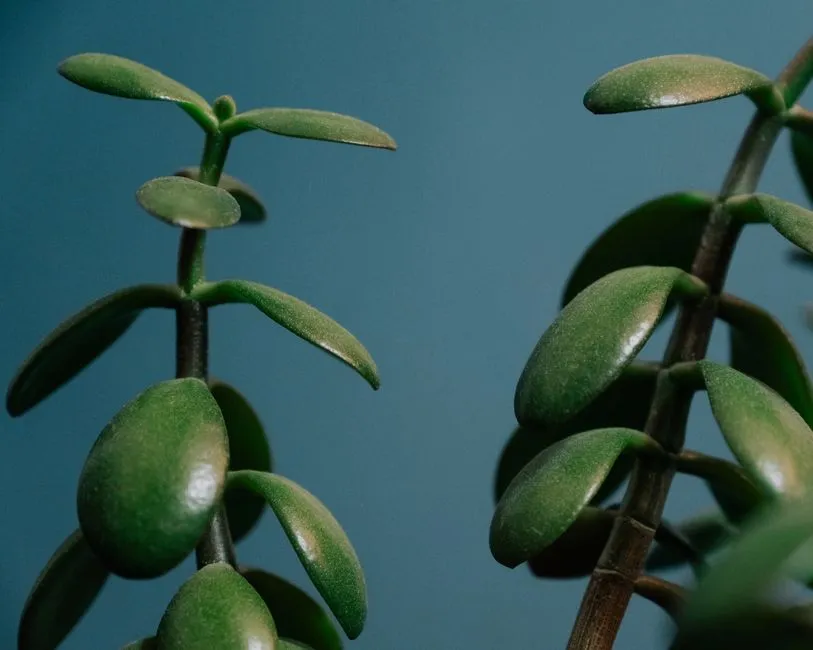
Avoid placing jade plants near drafty windows, air conditioning vents, or heating sources, as sudden temperature fluctuations can stress the plant. When you move a jade to a new room, it’s easy to accidentally place it in a spot that looks fine but sits directly in the path of an air vent.
A plant sitting near a drafty winter window, above a heat vent, or beside a door that opens to freezing air can drop leaves suddenly after a cold night. These microclimatic conditions are often invisible until the plant reacts.
Root Disturbance During Repotting
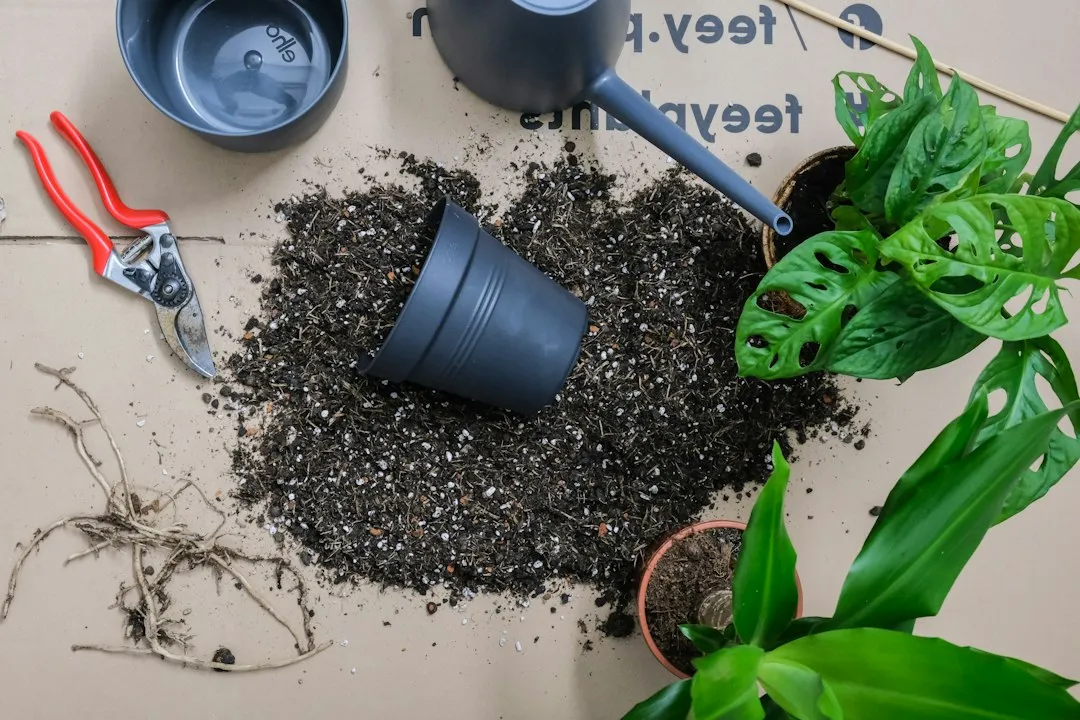
Leaf drop in the days immediately following repotting is one of the most alarming-looking but often most recoverable situations. Seeing a cluster of leaves on the soil surface right after potting up is upsetting, but it rarely means the plant is in serious trouble.
Transplant shock occurs when a plant experiences stress due to changes in its environment, primarily from root disturbance or sudden shifts in light, temperature, or moisture levels. For jade plants, which store water in their leaves and stems, maintaining stable conditions during transplantation is critical.
Jade will often look slightly subdued immediately after repotting. A few lower leaves may yellow and drop, and the plant may appear unchanged for a week or two. Patience is genuinely the most effective tool at this stage.
Watering Errors Compound the Problem
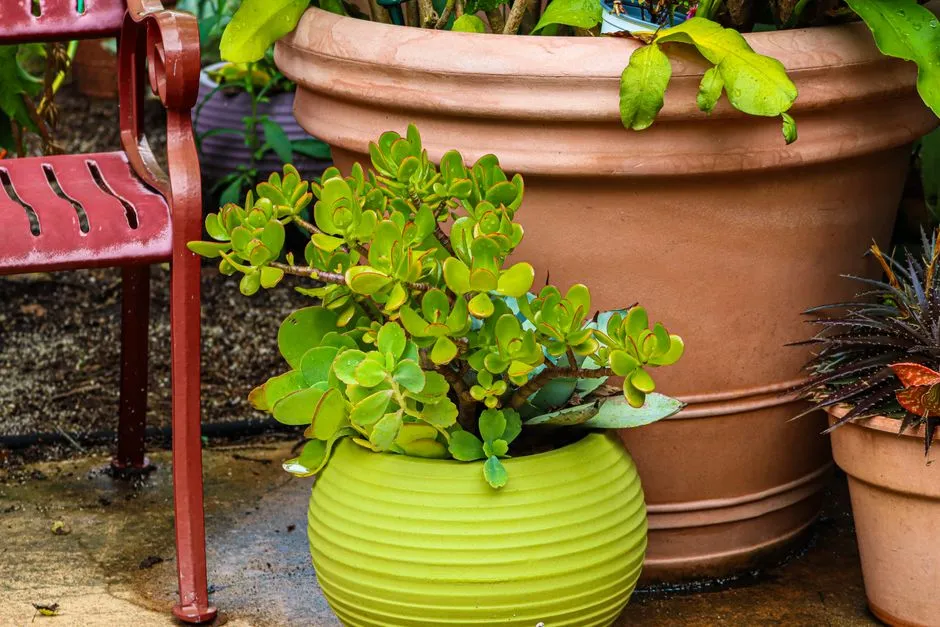
Overwatering is one of the most common causes of leaf drop in jade plants, as it leads to root rot and weakens the plant’s overall health. When people move a struggling jade and then immediately increase watering out of worry, they often make things considerably worse.
Do not overwater in response to the leaf drop. The reduced leaf area means the plant needs less water, not more. This is counterintuitive but important: fewer leaves mean less transpiration, which means the soil stays wet longer.
Even after you stop watering, the leaf loss can continue if the roots are affected. Let the soil dry out properly between waterings and resist the urge to compensate for dropped leaves with extra moisture.
Humidity Shifts After a Move
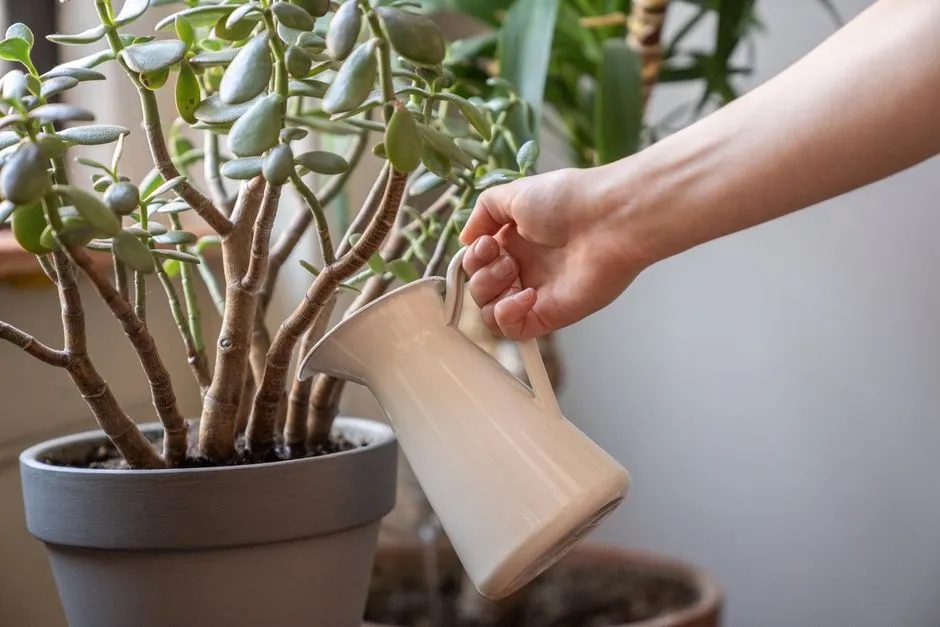
The ideal humidity range for a jade plant is around 30% to 50%. Moving a jade plant from one room to another, especially from a bathroom or kitchen to a drier space, can tip it outside that comfort zone.
Desiccation stress from low humidity is especially prevalent in heated homes during winter months, where indoor humidity can plunge below 20%. A plant moved into a room with active central heating in winter faces both a temperature change and a sudden drop in humidity at the same time.
High humidity, especially when combined with cool temperatures, increases the risk of edema, a condition where leaf cells rupture from taking up water too quickly. Both extremes carry risk, so keeping conditions moderate is the safest approach after any move.
Timing the Move: When You Do It Matters
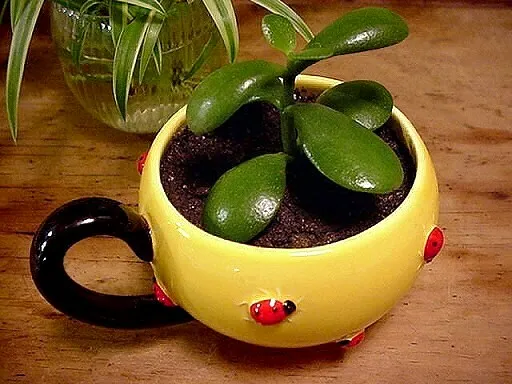
The best time to transplant jade plants is during their active growing season, typically spring or early summer. During this period, the plant has high metabolic activity and can recover quickly from minor root injuries.
Avoid transplanting in late fall or winter when jade plants are dormant. They grow slowly and are more vulnerable to stress during that period. Even a room change in midwinter carries more risk than the same move made in April.
For jade, the timing shows in visible results: new leaf buds often appear within two to four weeks after a well-timed repot, compared with weeks of dormancy if you move the plant during winter. Giving the plant the best possible timing is a simple way to reduce drama.
How to Acclimate a Jade Plant Properly
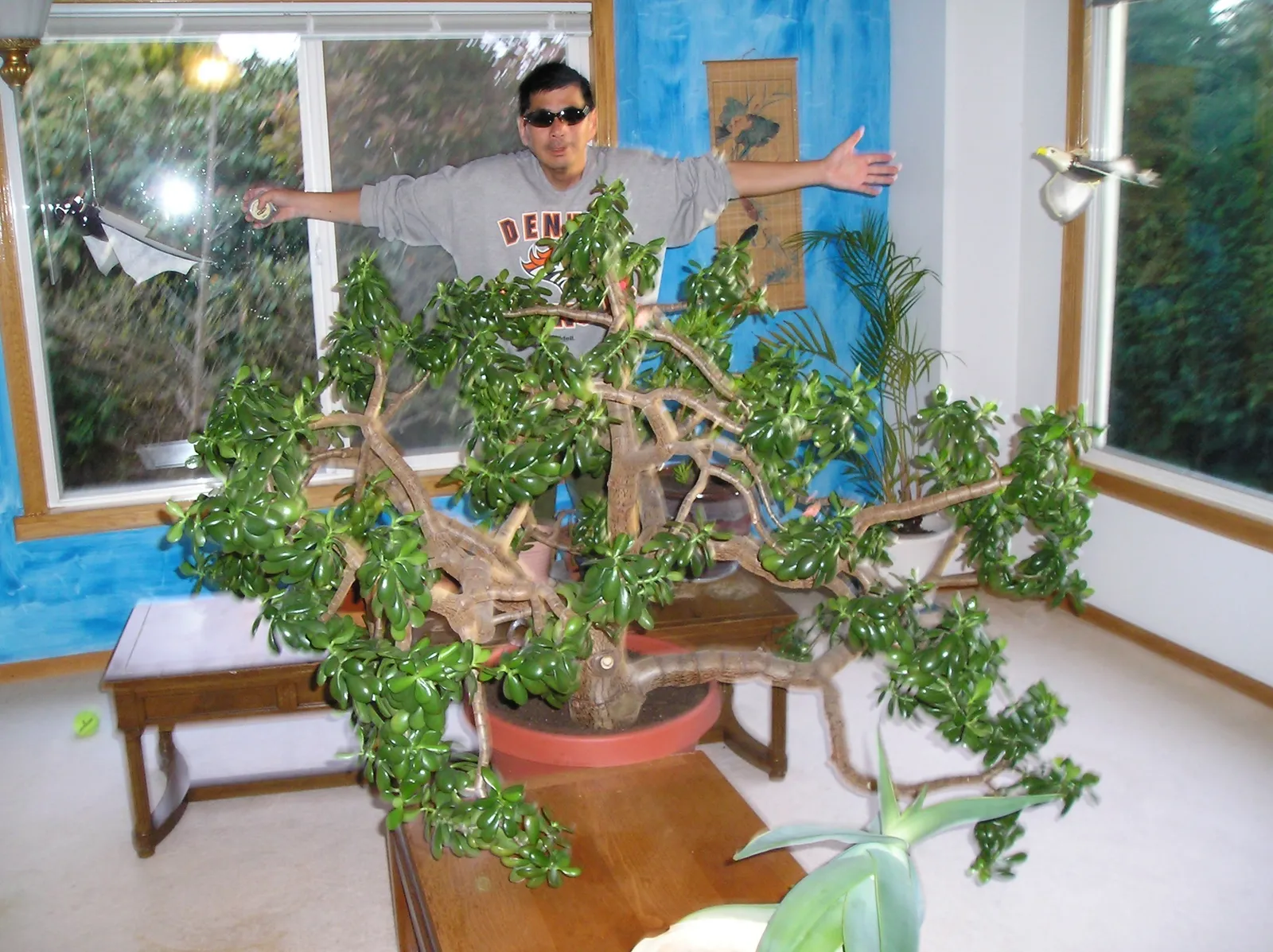
To prevent this, gradually acclimate your plant to its new location by placing it there for only a few hours at a time. Gradually increase the length of time your jade plant stays in its new location before making it permanent. This gradual approach applies especially when moving between indoor and outdoor environments.
Place the repotted jade in bright indirect light for the first one to two weeks. Bright indirect light is forgiving enough that the plant can recover root function without simultaneously dealing with intense direct sun.
Shock-related drop slows and stops as the plant settles, usually within a few weeks. The key is to hold conditions steady once you’ve made the move, resisting the temptation to keep adjusting things every few days.
Recovery: What to Expect and When
The duration of transplant shock varies depending on the plant type, its overall health, and how well it adapts to the new conditions. In most cases, the shock is temporary, and with proper plant care, plants usually recover within a few weeks.
In weeks two to three, mild shock symptoms tend to fade, and you may see the first new growth if the repot was timed in spring. By weeks four to six, roots establish into fresh mix and the watering schedule stabilizes. New growth is the clearest signal that the plant has accepted its situation.
During transplant shock, plants often focus on rebuilding roots before producing visible growth. So even if the plant looks static for a few weeks, something productive may be happening beneath the surface. Give it time before drawing conclusions.
Final Thoughts
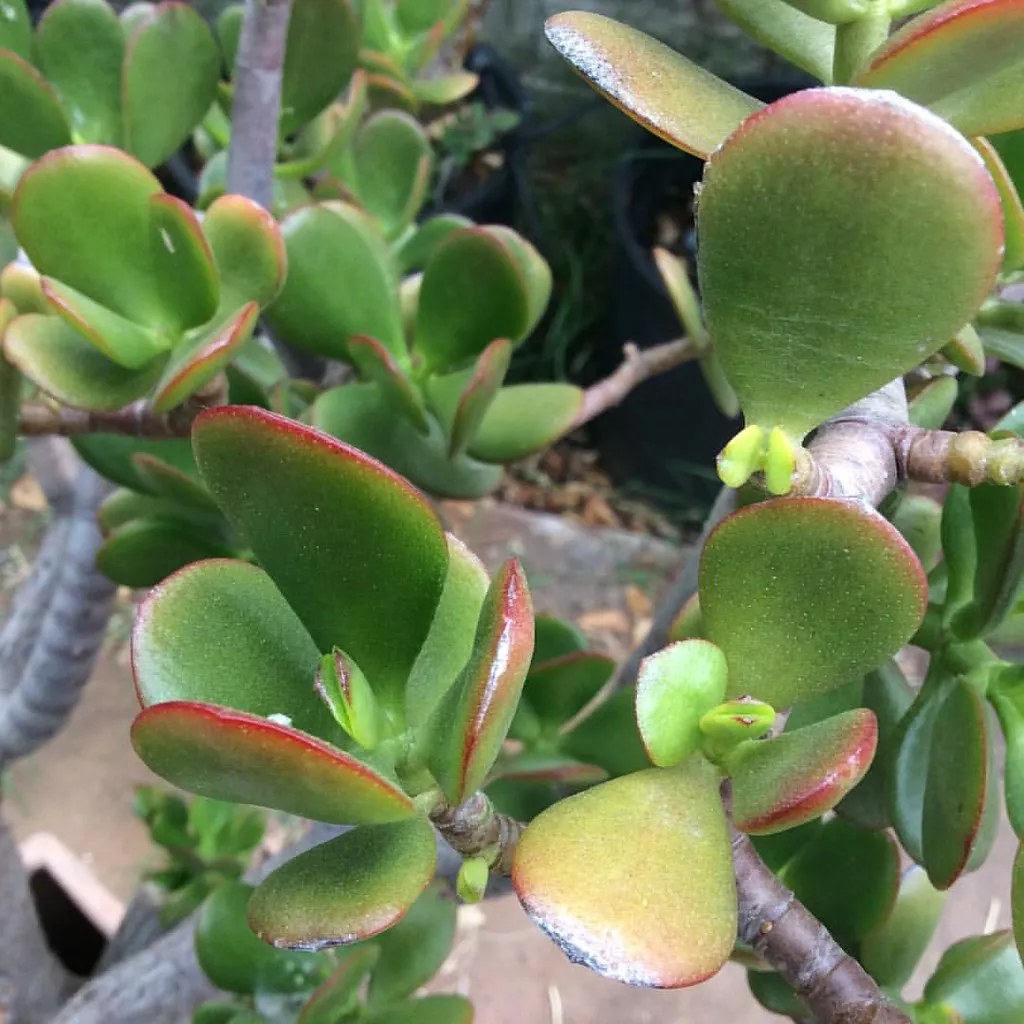
Jade plants are genuinely tough. They live for decades, survive dry spells, and tolerate neglect in ways that would finish off most other houseplants. What they resist is change, particularly sudden change. A move disrupts their carefully calibrated relationship with light, temperature, and moisture all at once, and leaf drop is simply how they communicate that disruption.
The practical takeaway is straightforward: move slowly, choose the right season, resist overwatering, and give the plant a stable spot where it can quietly rebuild. The leaves that fall aren’t a verdict on the plant’s future. They’re just the cost of moving, and most jade plants settle the debt faster than you’d expect.
AI Disclaimer: This article was created with the assistance of AI tools and reviewed by a human editor.