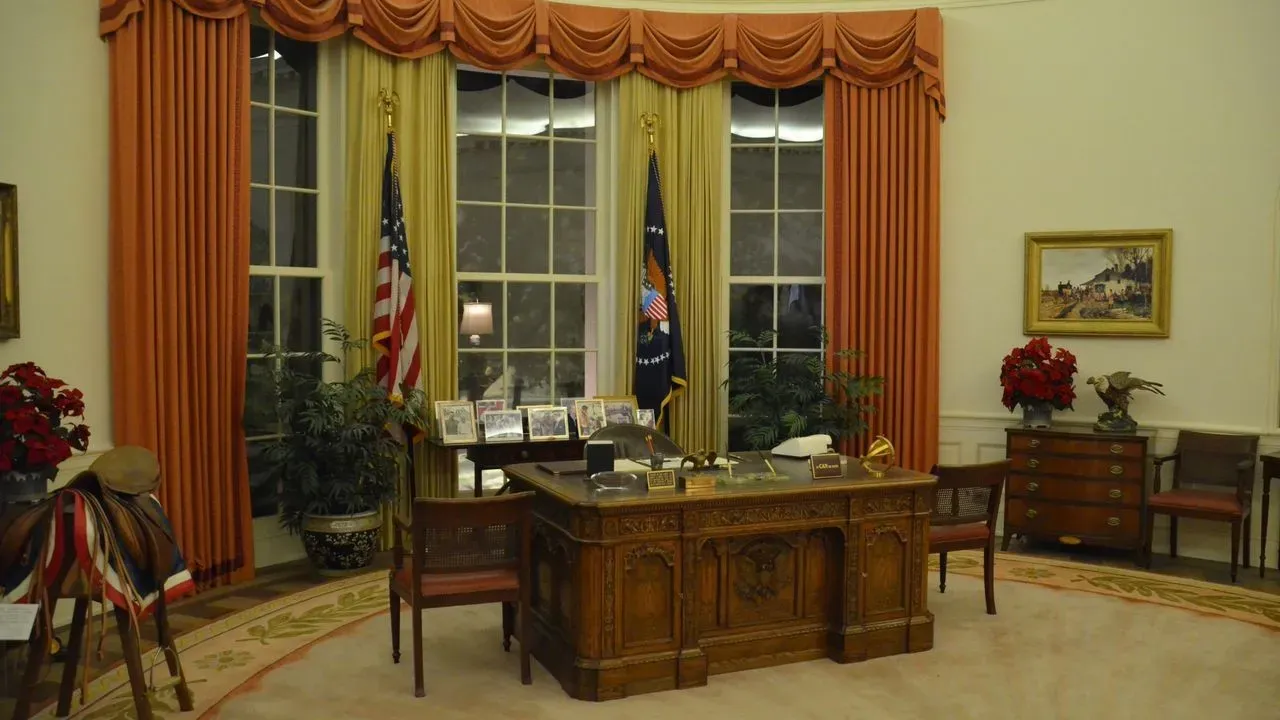

The proposal to designate the Oval Office a national monument stands out for its direct aim of limiting how future presidents can alter the space. President Trump has indicated that any such proclamation would require ratification by Congress before taking effect. The move reflects an effort to preserve the room’s current configuration against substantial redesigns or renovations by successors. ([1])
Core Elements of the Plan
The initiative centers on protecting the Oval Office from major structural or decorative overhauls. National monument status typically applies to sites of historic or cultural significance, and extending it to this White House room would place formal constraints on changes. Supporters argue that the office holds unique symbolic value that warrants such safeguards.
Details remain limited at this stage, with the focus placed on preventing alterations that could erase longstanding features. The approach treats the room itself as an artifact worth shielding rather than a workspace open to personal reinterpretation by each administration.
Role of Congressional Approval
Trump has noted that the proclamation alone would not suffice. Ratification by Congress would be necessary to give the designation legal weight and permanence. This step introduces a legislative checkpoint that could shape the timeline and scope of any final action.
Lawmakers would need to review and endorse the measure, potentially leading to debates over the balance between preservation and presidential discretion. The requirement underscores that executive action in this area intersects with broader institutional processes.
Practical Effects on Future Presidents
Under monument status, major renovations or stylistic overhauls would face new hurdles. Routine maintenance and minor updates might continue, yet significant modifications could require additional approvals or face restrictions tied to the designation.
The change would affect how incoming administrations approach the space, shifting emphasis from customization toward continuity. Stakeholders including White House staff, historians, and oversight bodies would likely play larger roles in evaluating proposed alterations.
Broader Context and Next Steps
The effort fits within ongoing discussions about protecting elements of the presidency that carry historical weight. It also highlights tensions between individual leadership styles and institutional traditions that span multiple terms.
Observers will watch for any formal submission to Congress and the ensuing legislative response. The outcome could set a precedent for how other iconic government spaces are treated in the years ahead.
AI Disclaimer: This article was created with the assistance of AI tools and reviewed by a human editor.