

Most people think of a firm handshake as a social habit, not a medical signal. It turns out the amount of force your hand can generate tells physicians quite a bit about what is happening inside your body, well beyond the muscles of your palm and fingers.
Over the past decade, an impressive body of research has repositioned the simple grip strength test from a rehabilitation tool into something closer to a vital sign. Doctors increasingly use it to assess aging, metabolic health, cardiovascular risk, and even brain function. Here is what the science actually says.
1. A Squeeze That Functions Like a Vital Sign

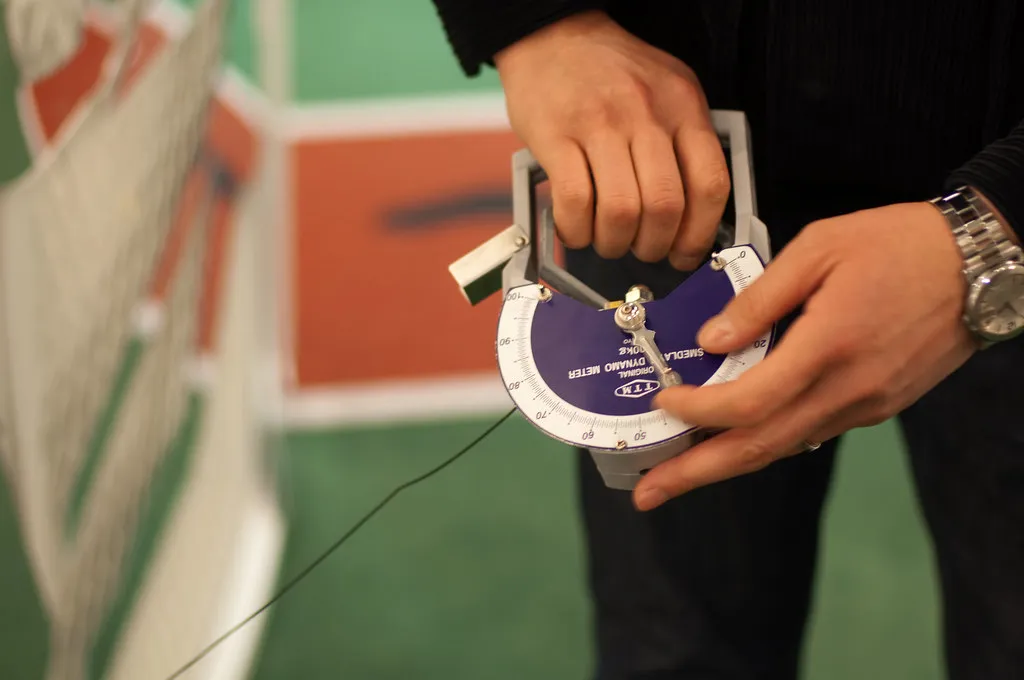
A 2024 narrative review published in the Journal of Health, Population, and Nutrition proposed hand grip strength as a new vital sign of health, placing it alongside blood pressure and resting heart rate as a routine clinical measurement. Grip strength, defined as the force exerted when an individual squeezes an object as tightly as possible, is an easy, quick, and cheap way to measure muscle strength. The instrument used is a hand dynamometer, a small handheld device that takes only seconds to operate, yet the information it yields can shape clinical decisions in a meaningful way.
2. Predicting All-Cause Mortality: The Numbers Are Hard to Ignore
A meta-analysis drawing data from 42 studies and over three million participants found that for every five-kilogram decrease in grip strength, the risk of all-cause mortality rose measurably, as did risk of cardiovascular disease and stroke. When comparing those with the lowest grip strength against those with the highest, the hazard ratio for all-cause mortality reached 1.41, and for cardiovascular diseases it climbed even higher to 1.63. These are not trivial margins. They place grip strength in the same conversation as well-established risk factors such as cholesterol and body weight.
3. It May Outperform Blood Pressure as a Cardiovascular Marker

In an analysis of data for nearly 140,000 individuals enrolled in the multinational Prospective Urban Rural Epidemiology (PURE) study, grip strength was found to be as good a predictor of cardiovascular-related mortality as systolic blood pressure, and a better predictor of all-cause mortality. Grip strength was inversely associated with all-cause mortality and cardiovascular mortality, and was identified as a stronger predictor of these outcomes than systolic blood pressure. That is a remarkable finding, given that blood pressure monitoring is one of the most universal tools in clinical medicine worldwide.
A prospective cohort study that included nearly 140,000 healthy adults from 17 countries confirmed that higher levels of handgrip strength are significantly associated with a lower risk of developing cardiovascular disease, including its major components, heart disease and stroke.
4. What Weak Grip Strength Actually Signals in the Body

A decline in grip strength can signal muscle loss, known clinically as sarcopenia, alongside reduced neuromuscular function and metabolic decline. A longitudinal study demonstrated that low handgrip strength correlates strongly with risks of type 2 diabetes, partly because decreased grip strength frequently indicates reduced muscle quality, which can lead to metabolic dysregulation and insulin resistance as people age. So a low score is rarely about the hand alone. It tends to reflect systemic changes happening throughout the body.
5. The Link to Heart Disease, Stroke, and Hypertension
According to a meta-analysis conducted by Wu and colleagues, a reduction of just five kilograms in grip strength was found to be correlated with a higher likelihood of developing cardiovascular disease. Research combining data on hypertension and grip strength showed that the risk of cardiovascular events, cardiovascular mortality, and all-cause mortality is highest for people who have both hypertension and low grip strength, while hypertensive patients with high grip strength were not at a higher risk of death than those without hypertension. This interaction is clinically important for anyone already managing high blood pressure.
6. Grip Strength and the Aging Brain
A growing body of research suggests that hand grip strength may offer important clues about mental health and cognitive function, with stronger grip strength relating to better mental health outcomes across a range of factors including depression, anxiety, early psychosis, and cognitive functioning. Greater grip strength has been associated with slower verbal episodic memory decline and greater total gray matter volume. The connection between hand force and brain health is not intuitive, but the data is consistent.
Grip strength appears associated with mild cognitive impairment and Alzheimer’s disease, and researchers have suggested it could be a useful predictor of cognitive decline in primary care settings, allowing for early interventions to slow or prevent the progression to dementia.
7. Depression, Mental Health, and What the Squeeze Reveals
Research reviews have found that weaker hand grip strength is associated with increased depression, and when measures included cognitive test scores, brain MRI findings, and incidence of dementia, lower hand grip strength was consistently associated with increased dementia risk. After accounting for potential confounding factors, weak grip strength was identified as a notable risk factor for depression, and cognitive function was found to partially mediate the relationship between grip strength and the incidence of depression. This suggests the connections run in multiple directions simultaneously.
8. Grip Strength as a Practical Clinical Screening Tool

Handgrip strength can serve as a simple and effective predictor of aging-related health status in older adults, and the ease of measuring it with a hand dynamometer makes it a practical tool in clinical settings, potentially aiding in the early identification of individuals at risk for various age-related health conditions. Grip strength is appealing as a simple, quick, and inexpensive means of stratifying an individual’s risk of cardiovascular death. Few screening tools in medicine combine that level of affordability with such a broad range of predictive signals.
9. Frailty, Sarcopenia, and the Diagnostic Thresholds
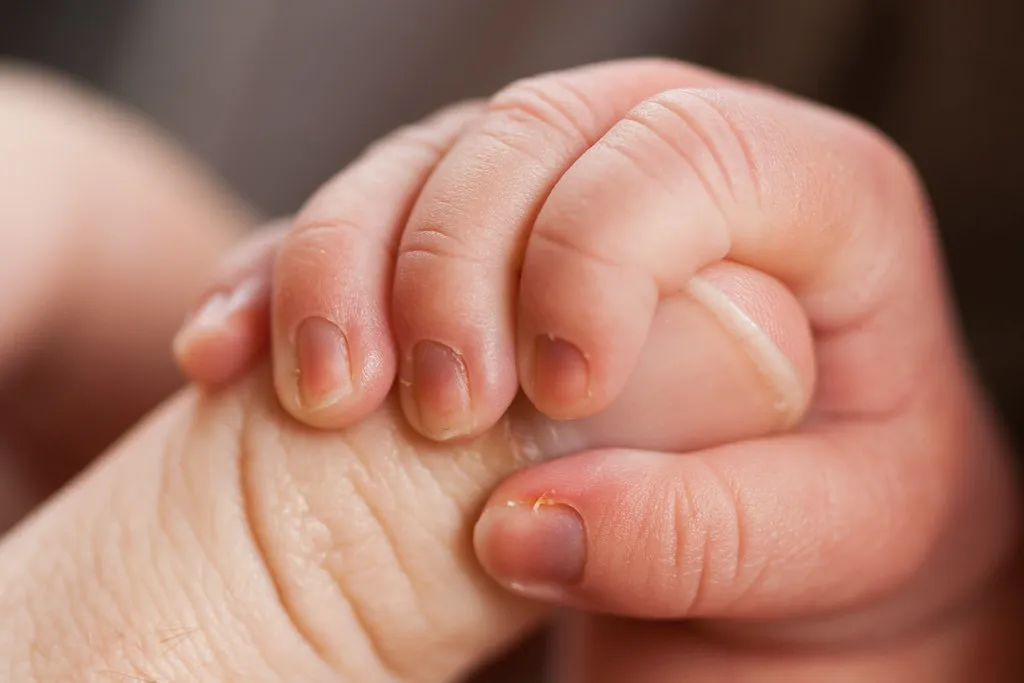
A loss of grip strength to below 44.1 pounds for men and 28.8 pounds for women is a key marker of frailty under the Fried Frailty Phenotype, while levels below 41.0 pounds for men and 24.3 pounds for women serve as diagnostic criteria for sarcopenia. These thresholds are now used in geriatric assessments across hospitals and clinics. Handgrip strength is considered a key indicator of overall health in older adults, and its decline is linked to various adverse health outcomes.
10. Building a Better Picture of Biological Age
Grip strength has emerged as a powerful biomarker for biological age, surpassing traditional metrics such as blood pressure in predicting risk of chronic disease, health outcomes, and longevity. The evidence is consistent across age groups, genders, and countries, which makes grip strength one of the most reliable predictors of long-term health and survival. Researchers are now working on integrating grip data into clinical scoring tools, so clinicians can combine it with other variables for more precise risk assessments.
Strengthening your grip alone does not directly extend your life, as it does not on its own improve overall muscle function and metabolic health. The score is a signal, not a treatment. But understanding where you stand gives you and your doctor a meaningful place to start.
The Takeaway
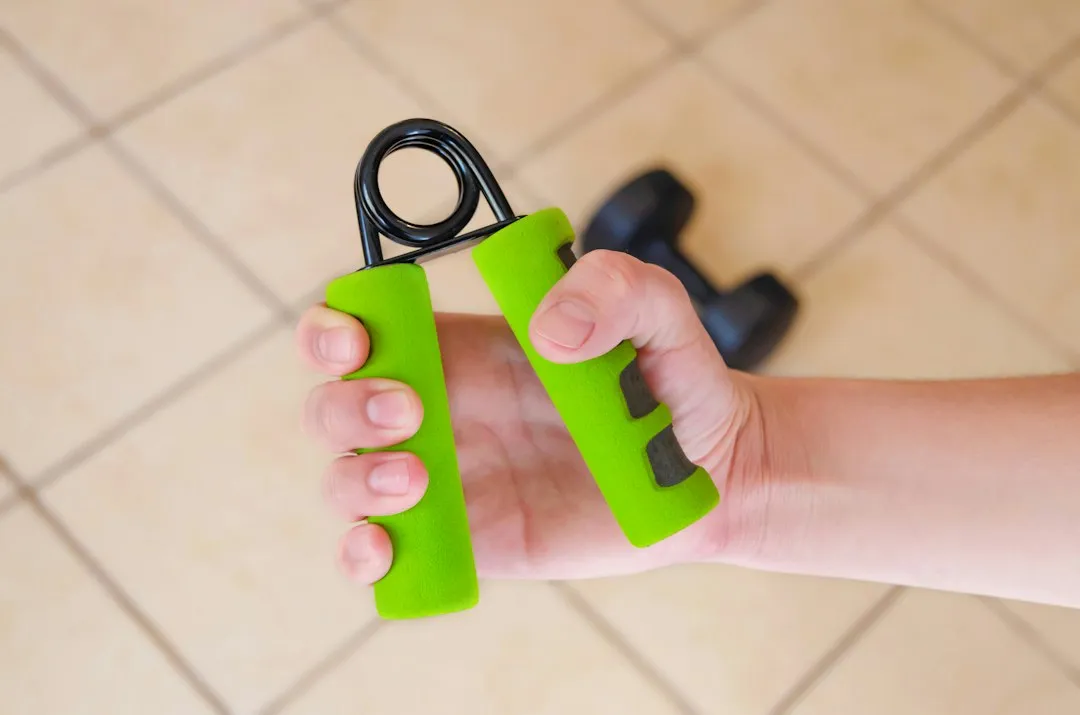
A device the size of a stapler, used for about five seconds, can say something meaningful about your heart, your brain, your metabolic health, and your odds of living well into old age. That is a genuinely unusual thing in medicine, where most useful screenings are expensive, invasive, or both.
Grip strength does not replace a full clinical picture, and a low score is not a diagnosis on its own. What it offers is a low-cost, noninvasive starting point. For clinicians navigating limited time and resources, that kind of efficiency has real value. And for anyone paying attention to their own health, it is a worthwhile number to know.
AI Disclaimer: This article was created with the assistance of AI tools and reviewed by a human editor.