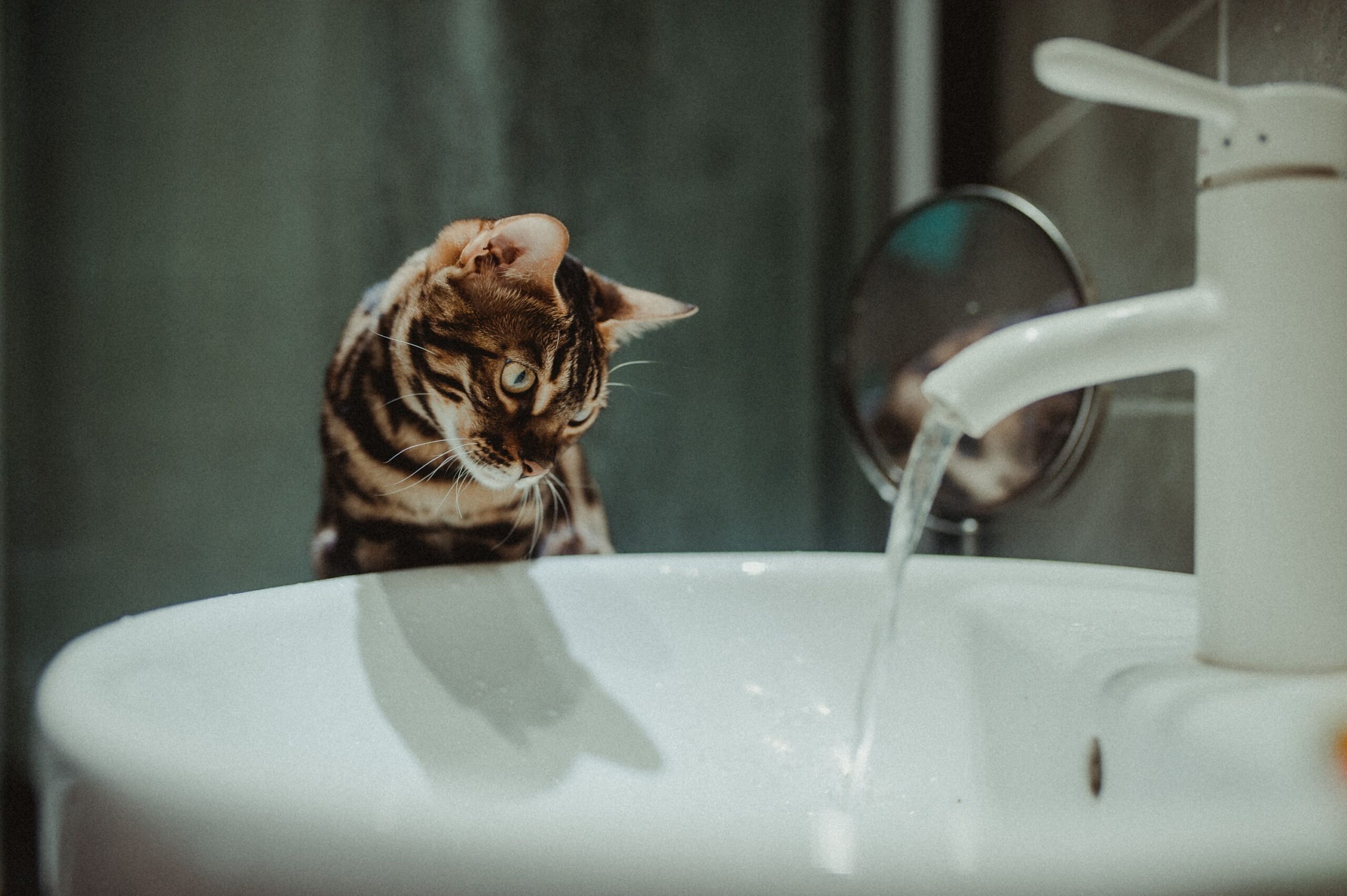

The Deep Pull of Evolution
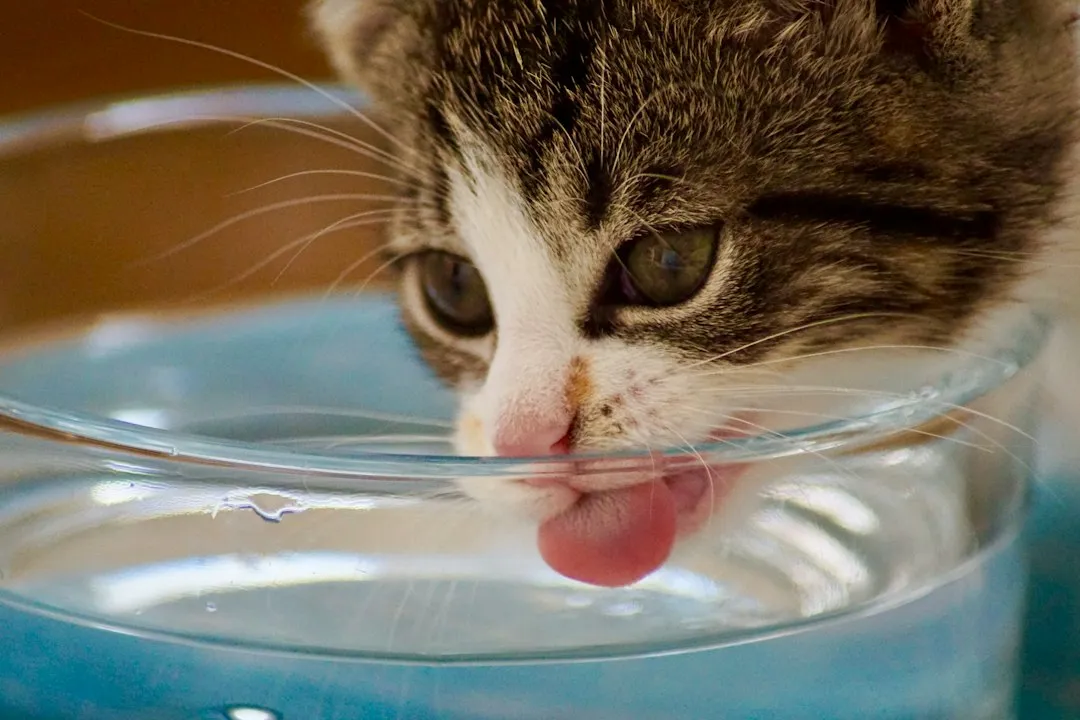
Domestic cats are descended from African wildcats, which historically obtained most of their water from prey that contained roughly seventy percent moisture. That evolutionary legacy shapes how modern cats approach hydration in ways that can seem baffling in a household setting.
Cats are intelligent creatures that possess evolved wildcat survival traits, including a drive to drink clean water that is not contaminated with bacteria, which is why fresh running faucet water feels instinctively safer than stagnant bowl water.
Still water is prone to becoming stagnant, building up bacteria and parasites, and even attracting predators in some environments. Running water is fresher and safer, and it’s likely that domestic cats have retained this evolutionary preference.
Running Water Signals Safety
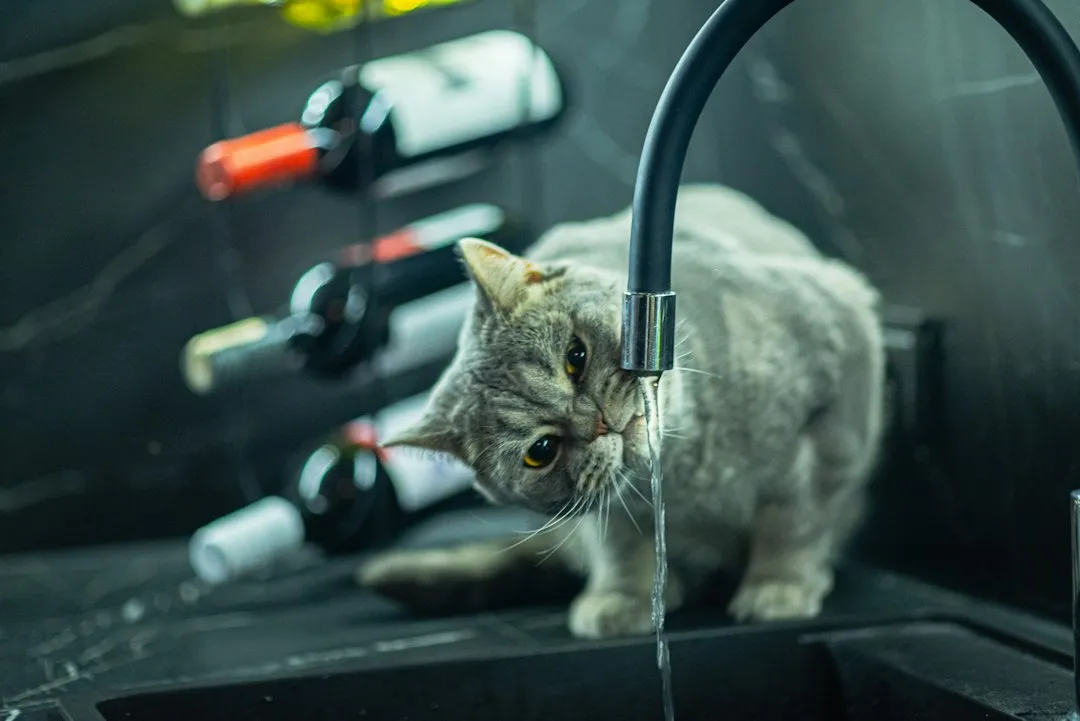
Nothing can sit still in running water, including bacteria and other animals, which is why cats instinctively seek it out when they need a drink. This is not just quirky feline behavior. It reflects a genuinely ancient survival logic.
As explained by veterinary sources, domestic cats have preserved the instinct telling them that running water is much safer to drink than still water. That built-in alarm system doesn’t switch off simply because they’re living in a climate-controlled apartment.
Cats show a slightly higher tolerance for running water sources placed closer to food than stagnant bowls, likely because the sound and movement of water are biological signals of freshness and oxygenation that can partially override their contamination instinct.
Motion Is Magnetic to Cats
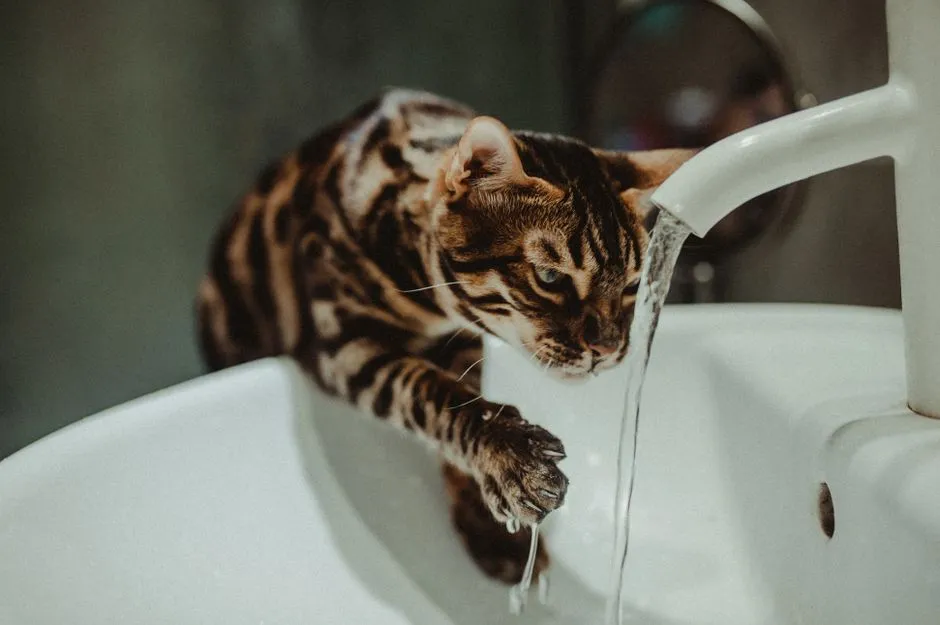
The reason cats are drawn to running water is mostly instinct. Cats are naturally enticed by motion. Their entire predatory system is wired to track, respond to, and investigate things that move.
The water is more visible as well. Cats can see the movement as drops fall from the tap into the sink. A still bowl offers no such visual cue, so to a cat’s eye, it practically disappears into the background.
Running water mimics how cats might interact with small, fast-moving prey in the wild. Pawing at running water can relate to hunting instinct and play, similar to fishing for prey in streams.
Their Ears Know Where the Water Is
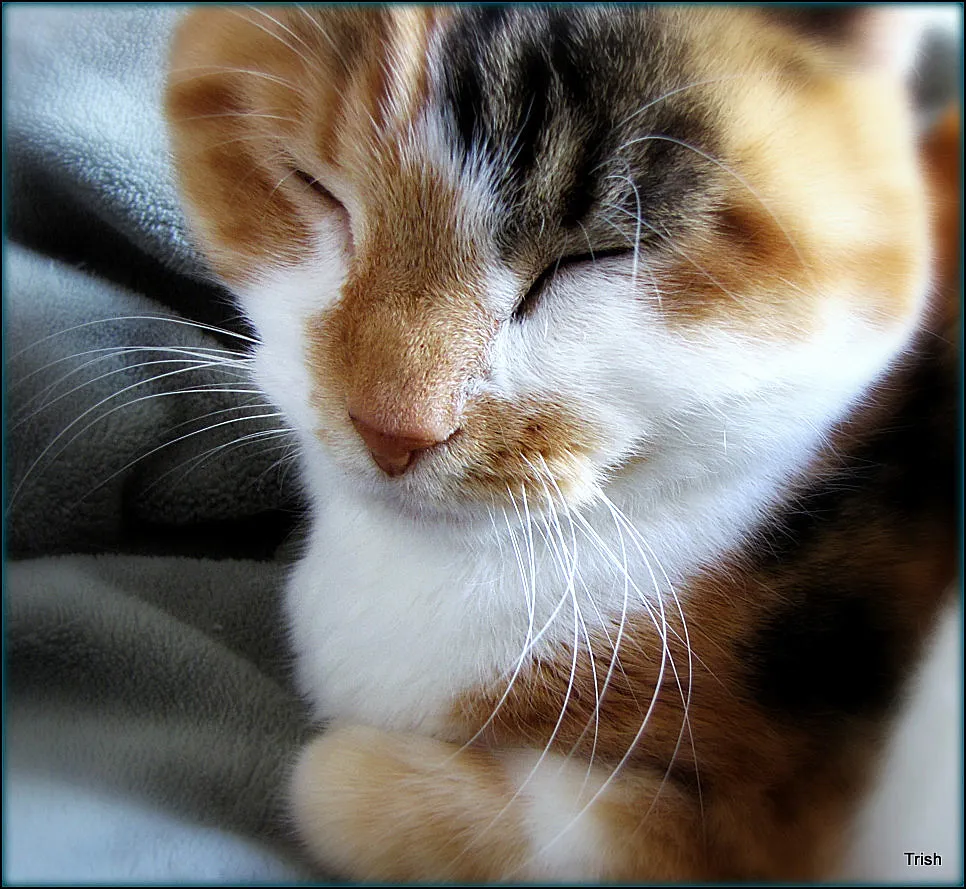
Cats can detect running water with their keen sense of hearing. It’s actually easier for cats to find running water using sound than it is to rely on their sight to find still water. This is a genuinely underappreciated dimension of their water-seeking behavior.
Think about it from the cat’s perspective. A still bowl is invisible from across the room. A dripping tap announces itself clearly, repeatedly, and from a distance. The sound is essentially a dinner bell.
The swift-moving stream from a faucet may also be cooler and more oxygenated, which improves the taste. So sound leads them there, and taste keeps them coming back.
Oxygenation and Taste: Running Water Actually Tastes Different
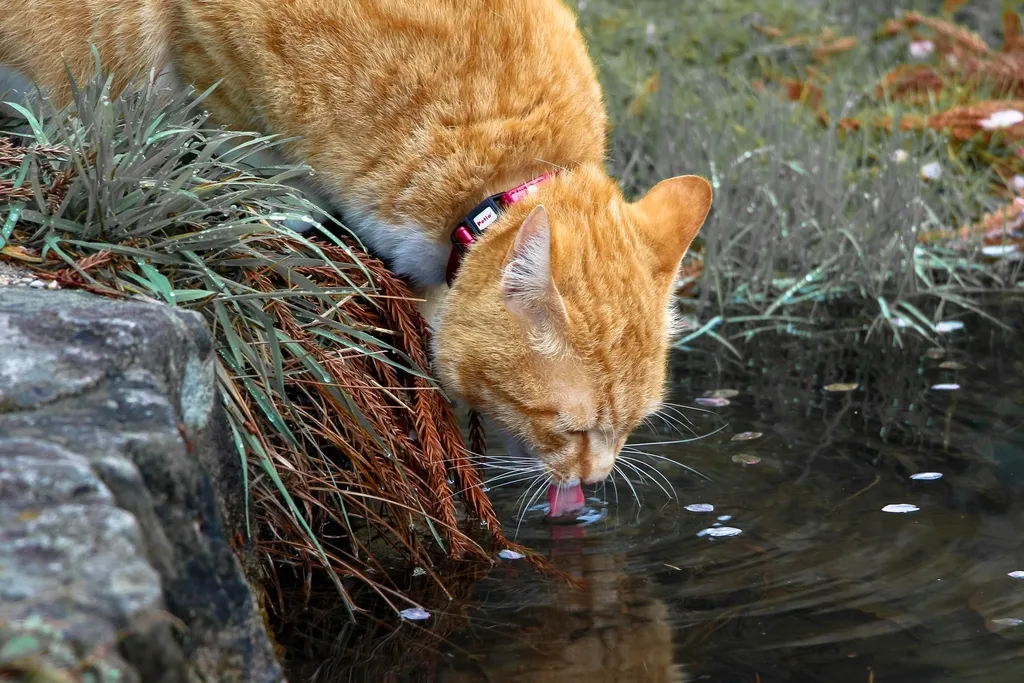
Flowing water typically has more dissolved oxygen, which can make the water taste better as well as potentially provide health benefits. This isn’t a theory cats are consciously aware of, but the sensory result is real and measurable.
Flowing water improves water taste and quality, as it typically carries more dissolved oxygen, which can make the water taste better and provide potential health benefits. Still bowl water, sitting in a warm room for hours, loses that quality fairly quickly.
Running water from the faucet may stimulate a cat’s tastebuds more than stale, dusty water in their bowl. When you frame it that way, the preference seems entirely reasonable rather than fussy.
Whisker Fatigue and Bowl Discomfort
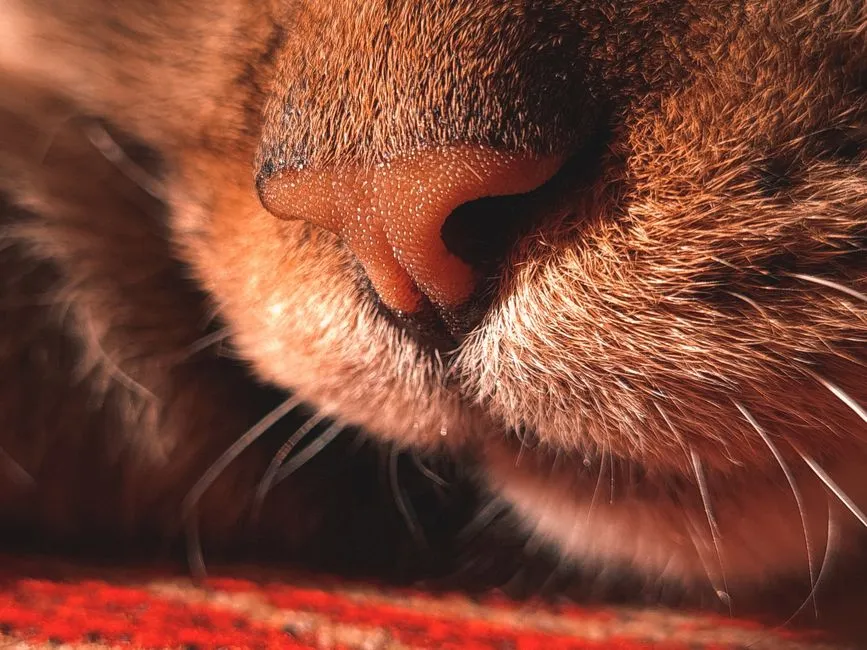
Some experts think that cats develop whisker fatigue when their sensitive whiskers constantly touch the sides of a bowl. While this may not apply to every cat, there are definitely many cats who prefer wider, shallower surfaces. For cats, running water plays to the preference of not having their whiskers constantly touched.
Cat whiskers aren’t just decorative. They’re precision sensory tools, packed with nerve endings, and repeated contact with bowl walls during drinking can become genuinely uncomfortable over time.
Because of whisker fatigue, cats may desire running water precisely because their whiskers are less likely to come into contact with something solid. A faucet stream requires almost no lateral head movement, which makes the experience physically easier.
Bowl Placement Creates Anxiety
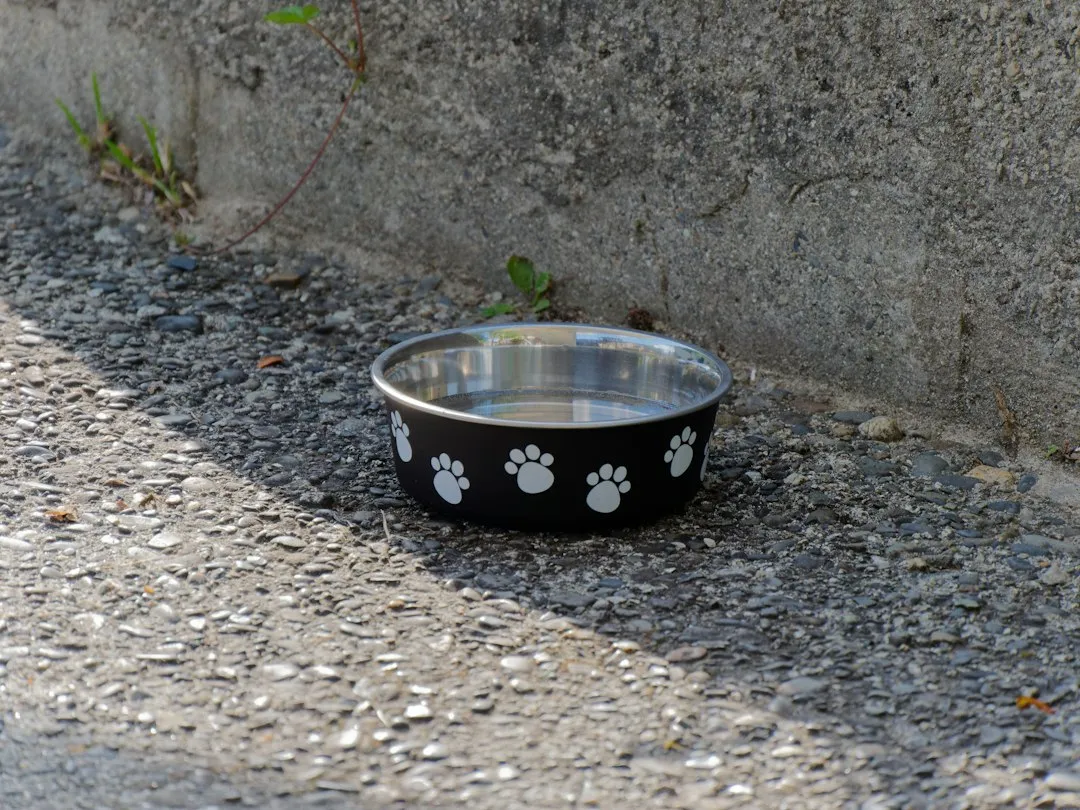
Cats might feel uncomfortable drinking still water out of a bowl because it’s often placed in a corner where their backs are exposed. They like to be in complete control of their surroundings, so drinking from a poorly located bowl leads them to prefer running water from a faucet.
The bacteria worry from bowl placement is especially prominent when a cat’s water is located next to their food source. This survival instinct means cats will innately sense their water could be contaminated by what they perceive as dead prey, which in a household context is their cat food.
When water is separated from food and placed in multiple locations around the home, it prevents stress and resource guarding, while ensuring that more submissive cats in multi-pet households are not bullied into dehydration.
The Science Is Nuanced, Not Settled
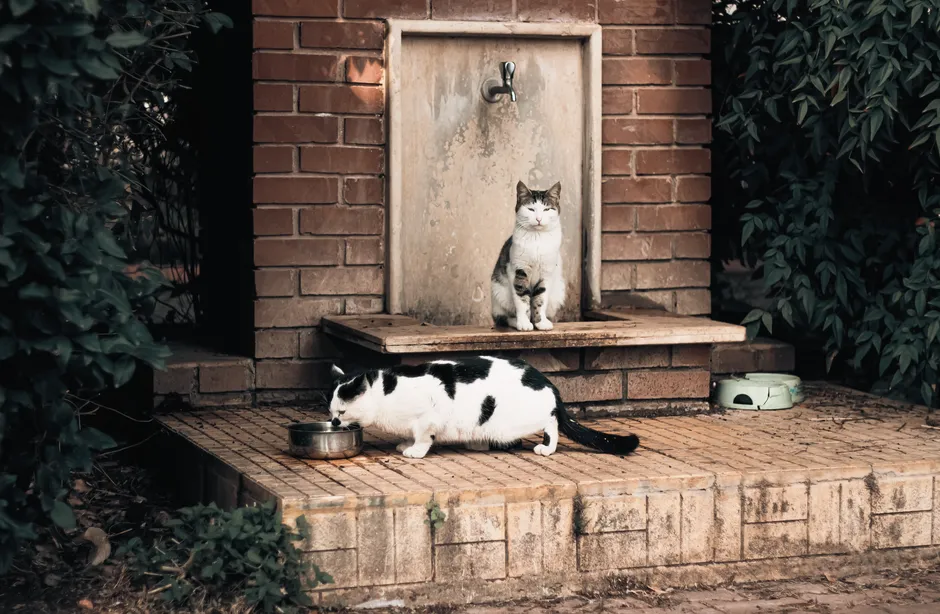
It’s worth being honest about what research actually confirms here. According to Carlo Siracusa, an associate professor of clinical animal behavior and welfare at the University of Pennsylvania, there is no solid scientific evidence that domestic cats as a species universally prefer flowing water to still water. Individual differences may explain why some cats prefer water flowing from faucets.
It’s possible that domestic cats have retained an intrinsic favoritism for running water, but this hasn’t been definitively proven by science or formal research. Much of what we understand comes from behavioral observation, veterinary experience, and evolutionary reasoning rather than controlled trials.
That doesn’t mean the preference isn’t real. It just means the precise mechanism remains a matter of informed theory, and cat owners should take note of what their individual animal actually responds to.
Dehydration Is a Real and Common Risk
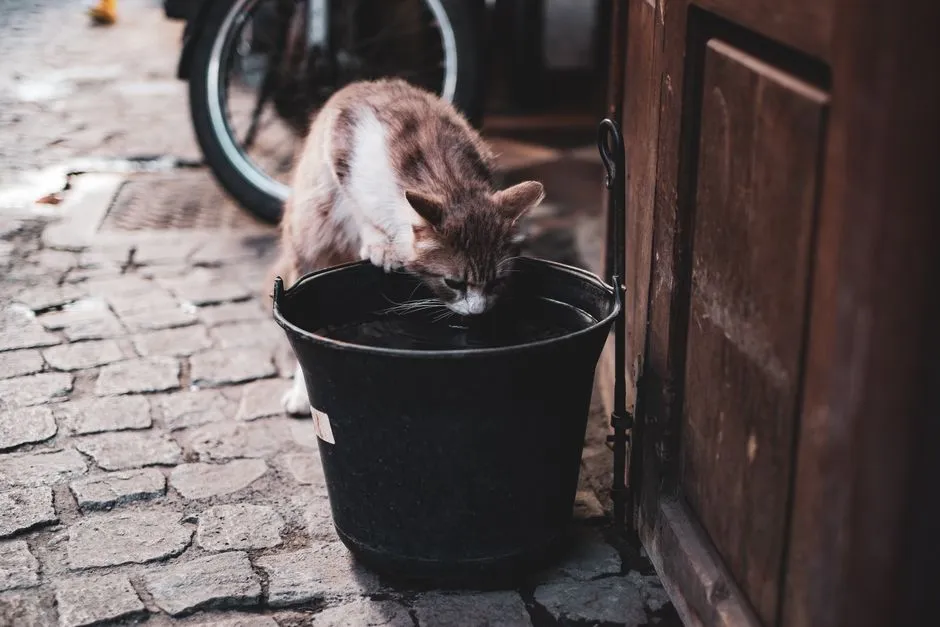
Chronic dehydration is one of the most common feline health issues. In clinical observations, cats consumed only roughly one hundred to one hundred and fifty milliliters of water per day, while the National Research Council recommends roughly two hundred to two hundred and forty milliliters per day for an average four-kilogram cat.
Dehydration in cats frequently goes unnoticed, as clinical signs usually don’t appear until a cat is more than five percent dehydrated, according to the 2024 AAHA Fluid Therapy Guidelines. By the time the signs become visible, the deficit is already significant.
It is estimated that roughly twenty to thirty percent of cats will suffer from chronic kidney disease, and dehydration is a significant risk factor in its development. Encouraging any form of water intake, including faucet drinking, matters more than many owners realize.
Pet Fountains as a Practical Middle Ground

According to a study in the Journal of Feline Medicine and Surgery, cats using water fountains increased their water intake by approximately thirty percent. That’s a meaningful difference for an animal prone to chronic underhydration.
Pet water fountains circulate water through a filter, keeping it fresh and creating movement, which cats tend to prefer thanks to their wild cat ancestors. They deliver the sensory experience of a faucet without the water waste or the inconvenience of leaving a tap running all day.
Pet fountains that provide running water have been developed to help address this need. Such fountains typically include a water reservoir, an elevated spout that dispenses water, and a bowl. Some fountains provide a stream of free-falling water, which can help stimulate animals’ interest while also enhancing water oxygenation.
Final Thoughts
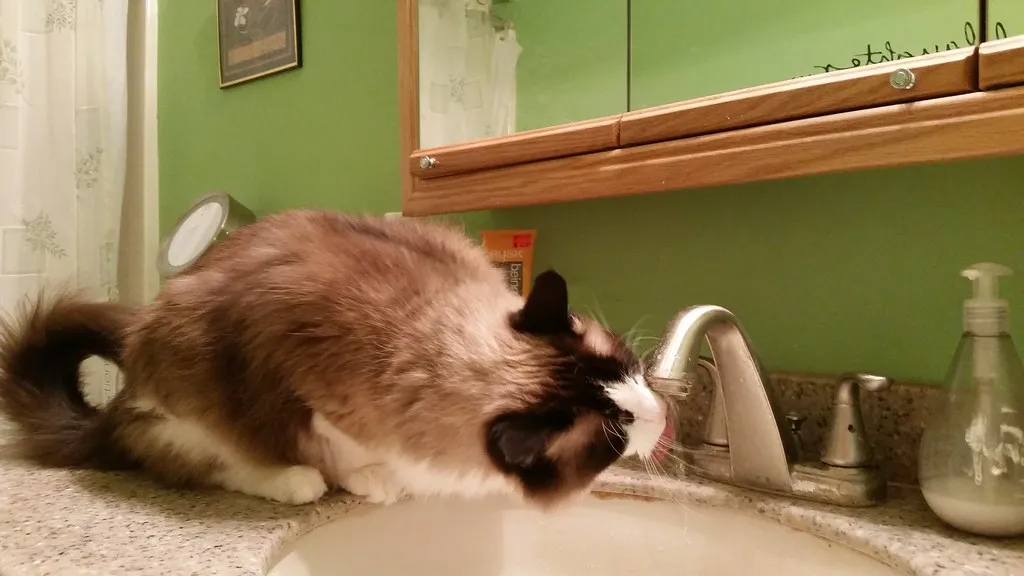
Your cat’s obsession with the faucet isn’t theater. It reflects millions of years of adaptation: a preference for moving, oxygenated, clean-sounding water that developed long before indoor plumbing made life comfortable for both species.
The nuance is that not every cat is the same. Some genuinely prefer fountains or cold fresh bowl water over any faucet. Science isn’t necessarily certain why cats prefer running water over still water, but there are many well-grounded, compelling ideas.
What matters practically is paying attention to what your specific cat gravitates toward, and making sure they’re drinking enough of it. For an animal that often won’t show obvious signs of thirst until dehydration is already underway, that small bit of observation can make a real difference.
AI Disclaimer: This article was created with the assistance of AI tools and reviewed by a human editor.