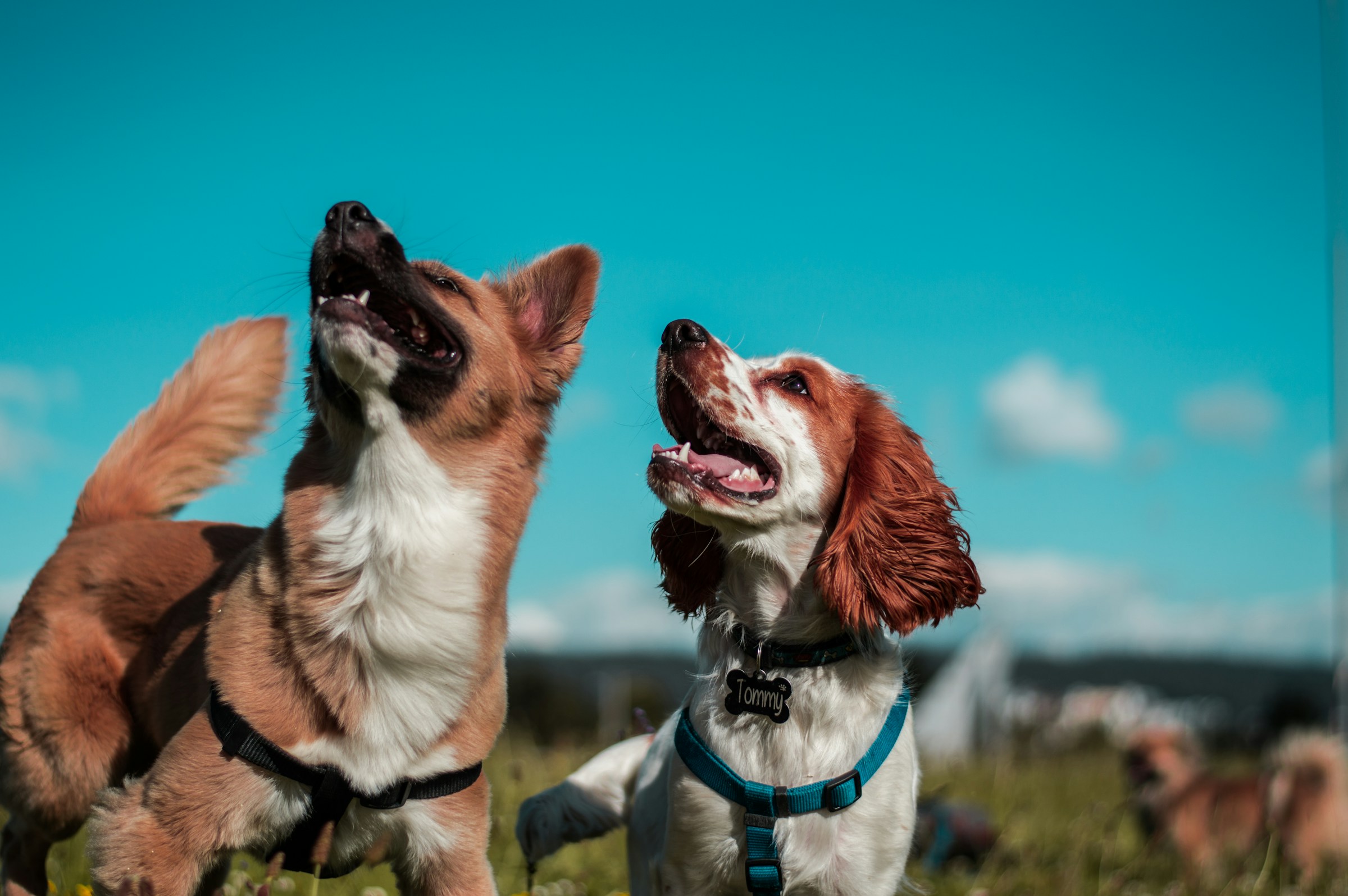

If you’ve ever been kept awake by the sound of your dog sawing logs on the other side of the bedroom, you’re not imagining it. Dog snoring is a real, measurable phenomenon, and for certain breeds it’s practically built into their biology. Snoring is essentially turbulent airflow past a narrowed airway. The sound itself can range from a gentle wheeze to something resembling a chainsaw, and it all comes down to anatomy.
Some breeds are almost destined from the moment they’re born, while others develop the habit through lifestyle factors like weight or sleeping position. This guide walks through the ten breeds most commonly associated with snoring, grounded in veterinary research and the latest studies.
1. The Pug: Snoring’s Most Famous Ambassador

Extremely brachycephalic dog breeds such as pugs are prone to the conformation-related respiratory disorder known as brachycephalic obstructive airway syndrome, or BOAS. The Pug’s distinctively flat face is the core issue. Research models consistently identify the Pug as one of the highest-risk breeds for BOAS.
Research has suggested that around 60% of Pugs have BOAS. That is a remarkable proportion of an entire breed living with airway restriction. Selective breeding gave these dogs a normal amount of soft tissue packed into a much shorter skull, which crowds the airway and makes nighttime noise practically unavoidable.
2. English Bulldog: Built Stocky, Built to Snore

BOAS has primarily been reported in the three most popular brachycephalic dog breeds in the UK: the French Bulldog, the Pug, and the Bulldog. The English Bulldog earns its spot in that trio honestly. Around 40% of English Bulldogs are estimated to have BOAS, a figure that underscores just how structurally compromised this breed’s airway tends to be.
Audible snoring has been reported in 100% of BOAS-affected dogs, versus 21% of unaffected dogs in research studies. For a breed where BOAS is so prevalent, that statistic paints a pretty vivid picture of what bedtime sounds like in a Bulldog household. Weight management plays a role too: any brachycephalic breed snores heavily, and the tendency worsens with excess weight.
3. French Bulldog: Small Dog, Surprisingly Loud Night

Around 50% of French Bulldogs are estimated to have BOAS, making them one of the most affected breeds by sheer proportion. Their compact size is deceptive. Despite weighing far less than an English Bulldog, the French Bulldog’s airway architecture creates very similar problems. Brachycephalic dogs have shortened skulls, smaller nasal openings, and elongated soft tissue within the throat and palate, and French Bulldogs have all of these traits in pronounced form.
Rising popularity of brachycephalic breeds has led to increased concern about the prevalence of brachycephalic-related diseases within the wider dog population. The French Bulldog has been among the most popular breeds in both the UK and the US for years now, which means the number of dogs living with these airway challenges is growing.
4. Boston Terrier: The Moderate-Risk Workhorse
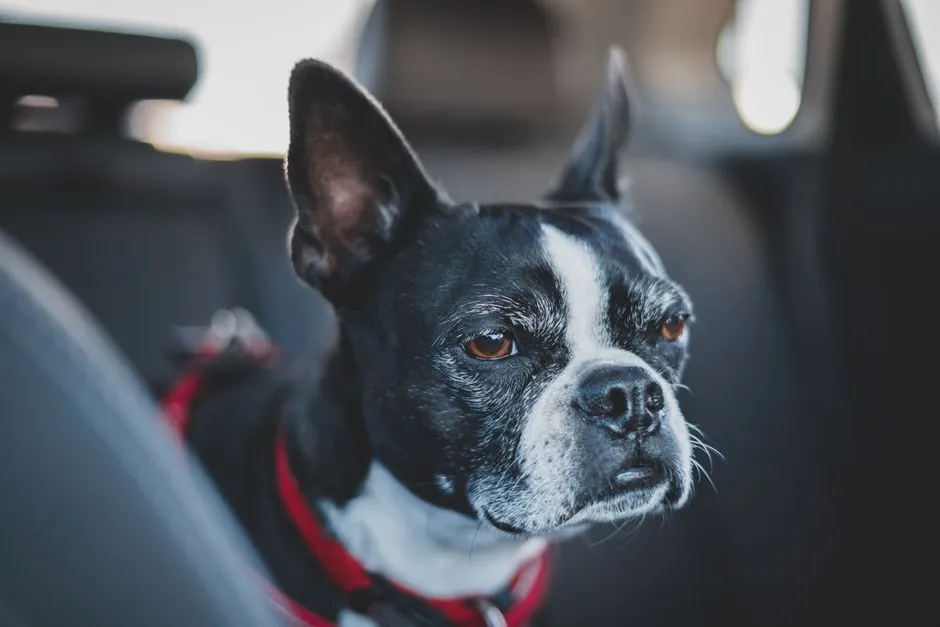
BOAS has been noted to affect other brachycephalic breeds such as the Boston Terrier, Shih Tzu, and Pekingese. A major 2026 study published in PLOS One, involving 898 dogs across 14 brachycephalic breeds, confirmed the Boston Terrier as a moderate-risk breed. The Griffon Bruxellois, Boston Terrier, Dogue de Bordeaux, King Charles Spaniel, and Shih Tzu were each defined as moderate-risk, with between 25 and 50 percent of dogs being Grade 0 (unaffected).
The Boston Terrier ranked as the 23rd most registered breed with the American Kennel Club in 2024. Its widespread ownership means Boston Terrier snoring is something a lot of families deal with daily. In Boston Terriers, dogs with proportionately thicker necks were more likely to be BOAS-affected, which gives owners one useful indicator to watch for.
5. Shih Tzu: Small Stature, Persistent Noise
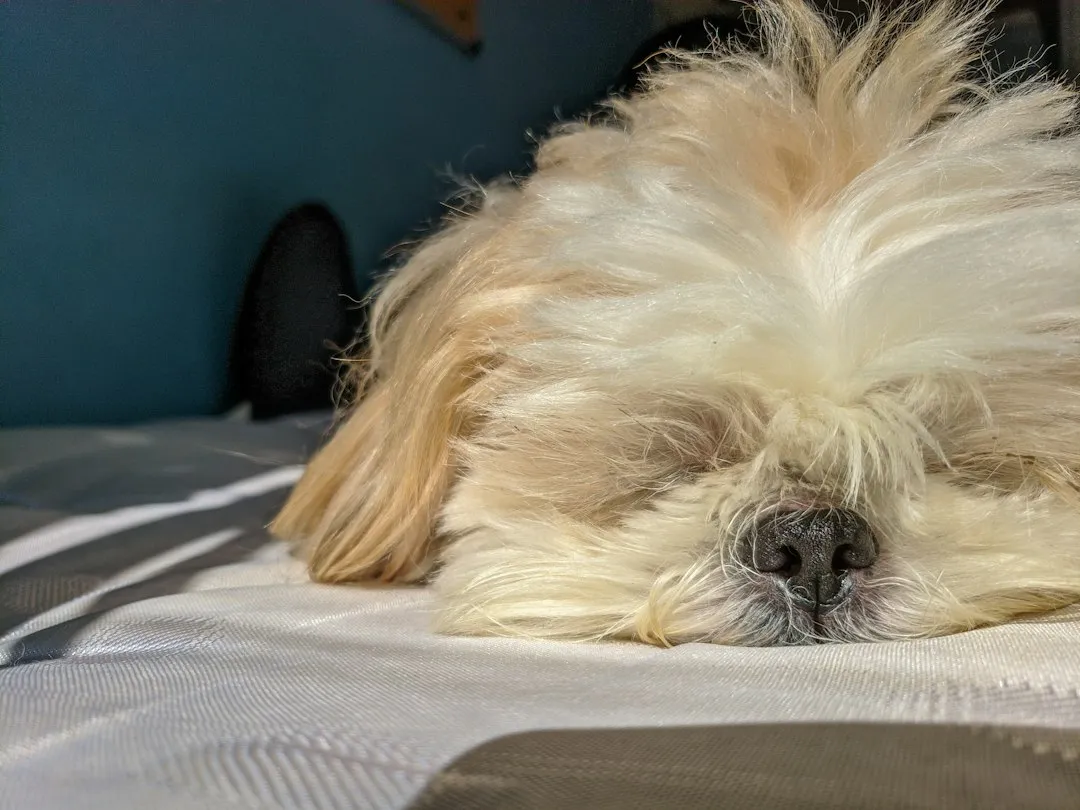
Brachycephalic breeds like Shih Tzus have shorter snouts and narrower airways, making them more susceptible to snoring. The Shih Tzu sits firmly in the moderate-risk category for BOAS, confirmed by the same 2026 University of Cambridge-linked research covering 14 breeds. Despite their small size, their compressed facial structure creates real airway friction during sleep.
These breeds often require extra care and monitoring to ensure their respiratory health. Owners of Shih Tzus frequently report snoring from puppyhood onward, which is consistent with what the anatomy would predict. Excess fat around the neck and throat narrows the airway and can cause or worsen snoring, and weight management is part of managing BOAS in brachycephalic breeds.
6. Boxer: The Surprising Entry on the List
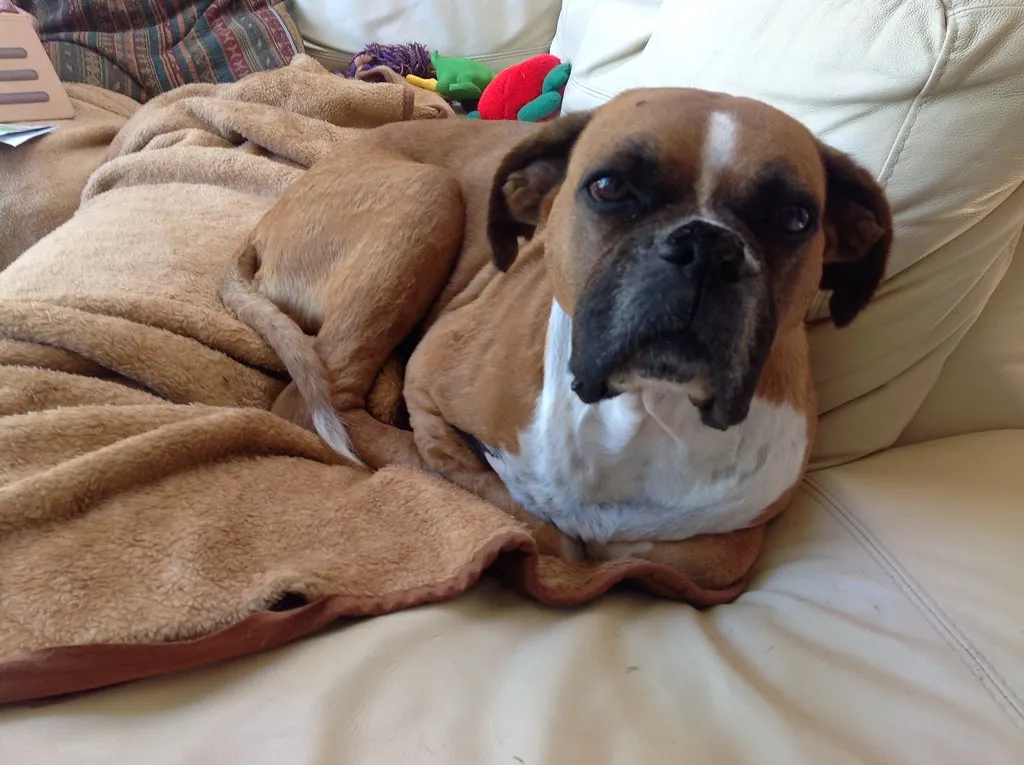
Breeds like Bulldogs, French Bulldogs, Pugs, Boston Terriers, Boxers, and Shih Tzus have shortened nasal passages and soft palates that naturally restrict airflow. The Boxer doesn’t look as flat-faced as a Pug, but that shorter snout is enough to put it in snoring territory. In the 2026 cross-sectional BOAS study, Boxers fell into the category of breeds where at least 50% of dogs were Grade 0, meaning the majority were clinically unaffected, but a meaningful portion still experience some degree of airway restriction.
Boxers are energetic, muscular dogs, which makes their breathing issues more impactful during and after exercise than at rest. Still, owners consistently report nighttime snoring, particularly in older Boxers or those carrying extra weight. The breed’s moderately shortened muzzle is enough to disrupt sleep airflow without the extreme anatomy seen in Pugs or Bulldogs.
7. Cavalier King Charles Spaniel: A Nuanced Case
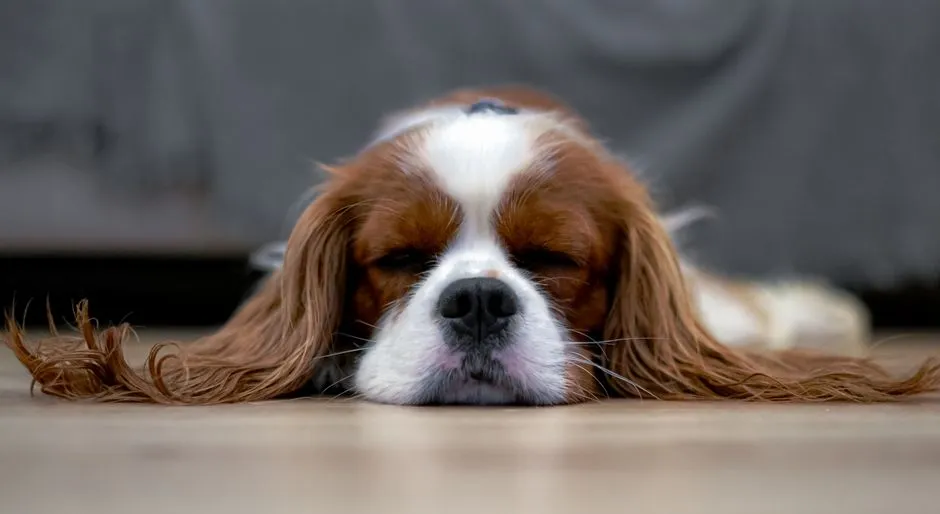
Cavalier King Charles Spaniels have been reported to suffer BOAS alongside sleep-disordered breathing. Their face isn’t as dramatically flat as a Pug’s, but the soft-tissue crowding is still present. Veterinary sources rate the Cavalier King Charles Spaniel at moderate snoring risk, attributing it primarily to a semi-flat face and soft-tissue crowding.
In a December 2024 case report, a four-year-old Cavalier diagnosed with sleep-disordered breathing listed snoring as a primary symptom. This breed also faces additional health complexities, as increasing brachycephaly in the Cavalier King Charles Spaniel raises the risk of cerebrospinal fluid disorders and Chiari-like malformation. Their snoring is worth monitoring rather than simply accepting as background noise.
8. Pekingese: Ancient Breed, Age-Old Breathing Challenges
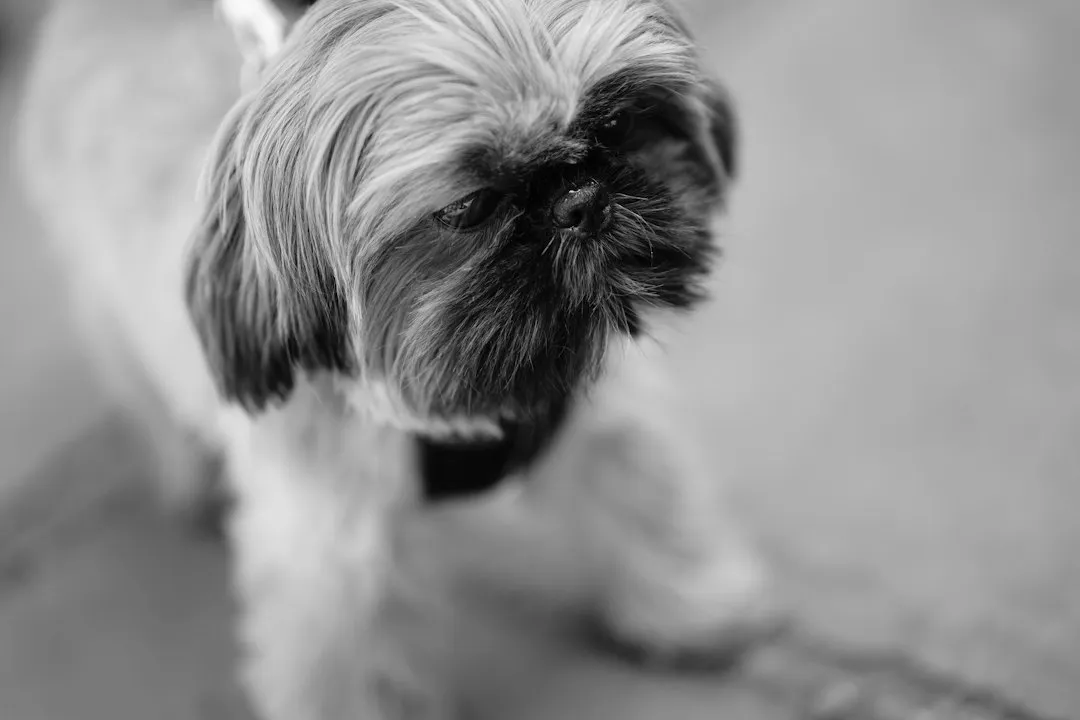
BOAS has been noted to affect the Pekingese, a breed with one of the most extreme flat-face conformations of any toy dog. The Pekingese has been bred for a compressed facial structure for centuries, originally to fit imperial aesthetic standards. That history translates directly into airway challenges today.
The 2026 cross-sectional study published in February covered the Pekingese among its 14 brachycephalic breeds, confirming ongoing concern about airway restriction in the breed. Research has shown that snoring affects 93% of dogs with BOAS, with over half snoring almost constantly, and while many owners describe it as normal for the breed, it is still a problem that warrants investigation.
9. Lhasa Apso: Quiet Reputation, Noisy Nights

Lhasa Apsos are prone to brachycephalic airway syndrome, a fact that often surprises owners drawn to the breed for its composed, almost regal character. Their long coat can be deceiving. Beneath it sits a surprisingly flat-faced structure that generates snoring more reliably than their dignified reputation might suggest.
BOAS is listed as a likely cause of snoring in the Lhasa Apso alongside Pugs, French Bulldogs, English Bulldogs, and Pomeranians. Like many toy brachycephalic breeds, the Lhasa Apso’s snoring can worsen considerably with age as secondary airway changes accumulate. Signs of BOAS can aggravate with age, as secondary changes including tonsillar hypertrophy and laryngeal collapse can worsen respiratory function.
10. Saint Bernard and Other Large Heavy Breeds: Size as a Factor
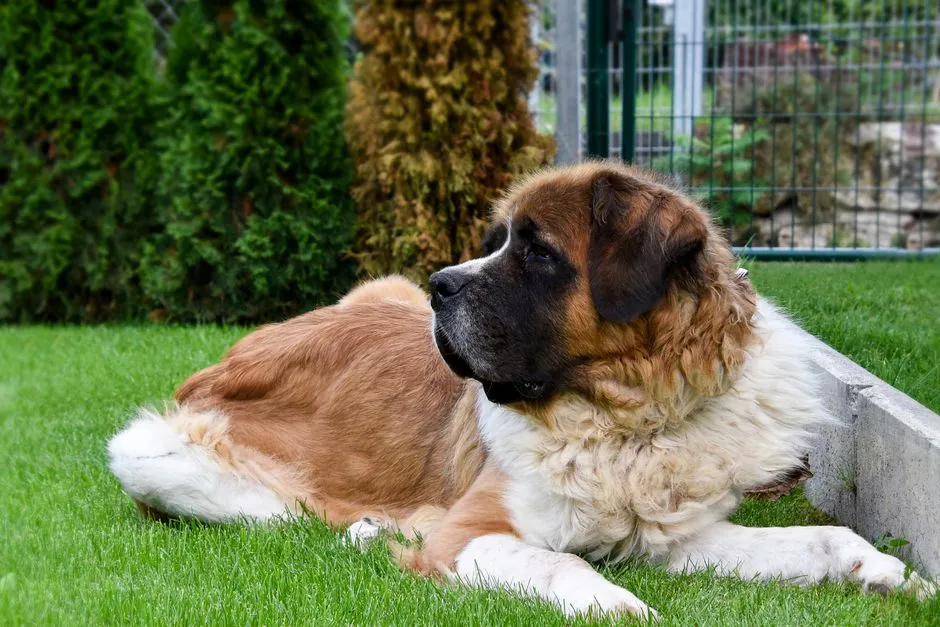
Larger dog breeds such as Saint Bernards and Newfoundlands can also be prone to snoring. These breeds don’t have the same flat-face anatomy as brachycephalic dogs, but their sheer mass creates its own airway pressure. Loose jowls, thick necks, and the gravitational effect of their body weight when lying down all contribute to airway narrowing during sleep.
Overweight dogs and some heavy, jowly giant breeds also snore more than average. For large breeds, weight management is especially important, since the relationship between excess body mass and snoring is direct. Obesity can contribute to snoring, as extra weight puts pressure on the airway, and in an already large-framed dog, that pressure is considerable from the start.
What to Do If Your Dog’s Snoring Concerns You
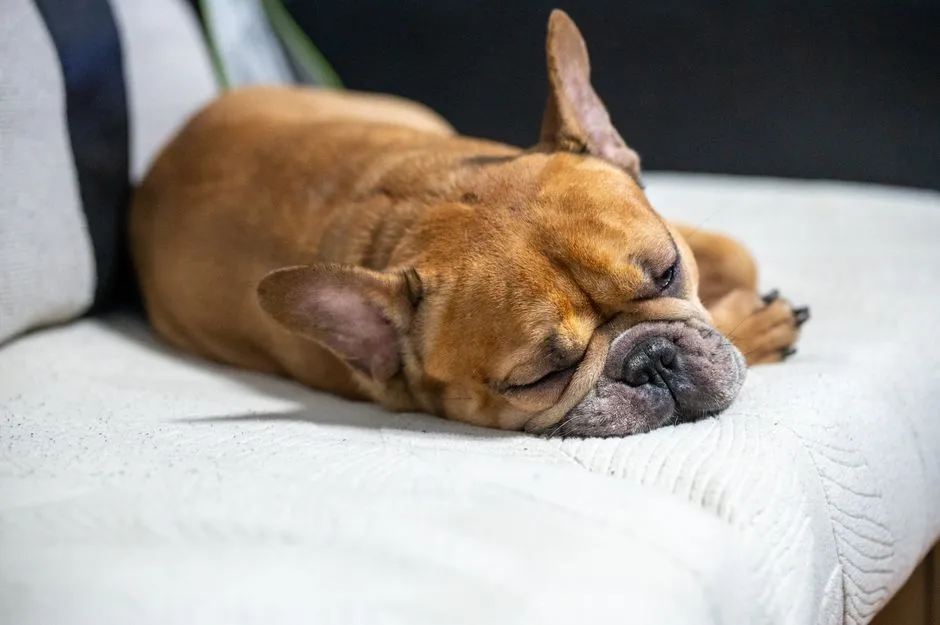
For flat-faced breeds especially, periodic check-ins with your vet are a smart habit. Brachycephalic airway syndrome can worsen with age, and early intervention often leads to better outcomes. There’s a meaningful difference between harmless nighttime noise and a dog genuinely struggling to breathe, and a vet can help you tell them apart.
Brachycephalic dogs may benefit from surgery to widen their nostrils or shorten their soft palate in cases where airway restriction is clinically significant. If snoring is new, suddenly louder, or paired with any changes in your dog’s breathing, energy, or behavior, it’s time to book an appointment. Catching the issue early is almost always better than waiting.
The bottom line is straightforward: snoring in brachycephalic dogs is common, often expected, but not always harmless. There is no scientific data on how common snoring is in all pet dogs across all breeds, but studies have demonstrated that brachycephalic dogs statistically snore more than normocephalic dogs as a whole. If your breed appears on this list, stay observant, maintain a healthy weight for your dog, and keep an open line to your vet. Their nights, and yours, will be better for it.
AI Disclaimer: This article was created with the assistance of AI tools and reviewed by a human editor.