
It’s the Only Chance to Season the Pasta Itself
The real reason to salt pasta water is that it’s your only chance to season the pasta itself, not just its surface. Once pasta is cooked and drained, no amount of salt sprinkled on top can replicate what salted water achieves from within. As dried pasta absorbs water during cooking, sodium ions travel inward along with it, penetrating the pasta’s structure and producing a more even, deeper flavor than you could achieve by adding salt afterward.
Unsalted pasta tastes flat because it only relies on the sauce for flavor. The pasta itself remains a neutral, starchy carrier rather than a true partner to the sauce. Restaurant cooks understand this distinction instinctively, which is why the salt goes in well before the pasta does.
Salt Interacts Directly with Starch
Pasta is largely starch, and salt changes how starch behaves in hot water. At higher salt concentrations, sodium ions can block water from entering starch granules through a process called electrostatic screening. This matters for texture as much as flavor. Pasta water is salted not only for increased flavor throughout the dough itself, but also because salt reduces starch gelatinization, which improves the overall texture of the pasta.
Heavily salted water gives you a slightly wider window between properly cooked and overcooked pasta. In a busy restaurant doing hundreds of covers in a night, that margin is not a luxury, it’s a necessity.
The Professional Standard: 1 Percent Salinity

The golden standard in professional kitchens is to aim for 1 percent salt by weight, meaning for every liter of water, roughly 10 grams of salt, depending on how fine or flaky the salt is. This is not a vague guideline. In a professional kitchen, chefs measure salt by weight using grams to ensure total accuracy.
Research published via Serious Eats showed that water at 0.5 percent to 2 percent salinity was acceptable, equating to roughly three quarters of a teaspoon to 1 tablespoon of fine sea salt per liter of water. So there is a real range, not an arbitrary one. According to Ricardo Felicetti, the fourth-generation head of Felicetti, an outstanding pasta maker in northern Italy, the right ratio is 10 grams of salt per 100 grams of pasta in 1,000 milliliters of water.
The “Salty as the Sea” Myth, Addressed
True seawater contains 35 grams of salt per liter, which is nearly triple the maximum palatable limit for pasta water. For pasta to taste its best, the water should actually sit between 0.5 percent and 1 percent salinity. So the famous culinary saying is more poetic than precise. If your water tastes like a mouthful of seawater, it’s probably too much.
The phrase is better understood as an instruction to be generous rather than timid. Most of the salt stays in the water, not in the pasta. The goal is not to make it taste salty, but to make it seasoned. That’s a distinction professional cooks keep front of mind.
Salt Affects the Gluten Network Too
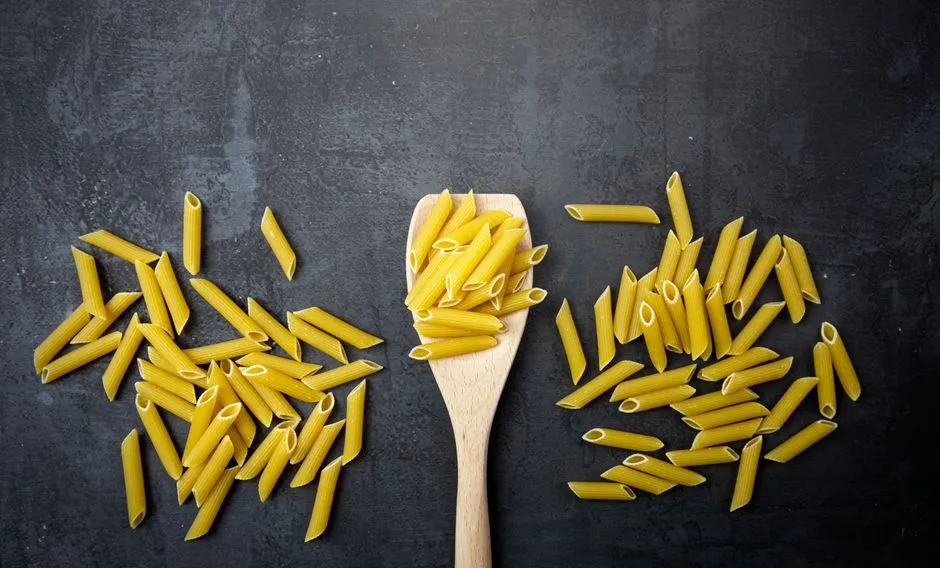
A moderate amount of salt promotes a firmer, more cohesive gluten structure in pasta, while an excessive amount can actually weaken it. This is part of why the 1 percent target exists as a guideline rather than a “more is always better” rule. Gluten is what gives pasta its bite, and experienced cooks know that salt supports it up to a point.
When pasta is cooked in pure water, there’s a large concentration difference between the mineral-rich interior of the noodle and the plain water outside. Adding salt to the pot reduces that concentration gap, which slightly slows the rate at which water is absorbed. The pasta cooks more deliberately, which improves the final texture.
It Improves the Al Dente Texture
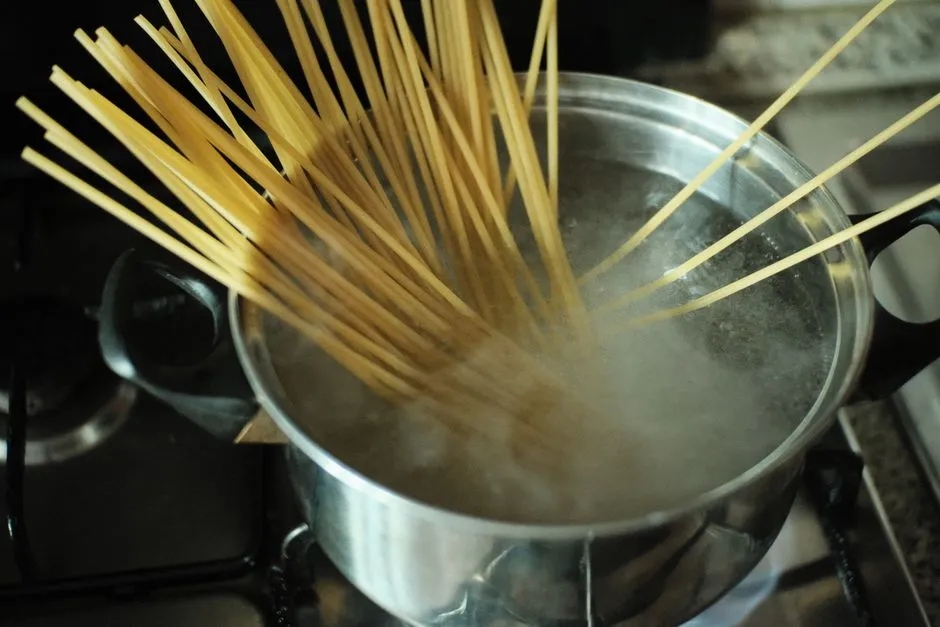
Cooking pasta in salted water has the added benefit of helping the pasta maintain its structure and firmness, the al dente texture, which prevents it from becoming too soft. In a restaurant context, this matters especially because pasta often continues cooking briefly after it leaves the boiling water, either in a hot pan or under a sauce. Adding salt also slightly raises the boiling point of water, allowing the pasta to cook at a higher temperature and maintain a firmer texture. While the difference is slight, just a few degrees, it’s enough to make pasta less gummy and more satisfying to bite.
Getting al dente right is not just an aesthetic preference in professional cooking. It affects how well the pasta absorbs sauce in the final step of preparation, which is where most of the flavor comes together.
Salted Pasta Water Becomes an Ingredient in the Sauce
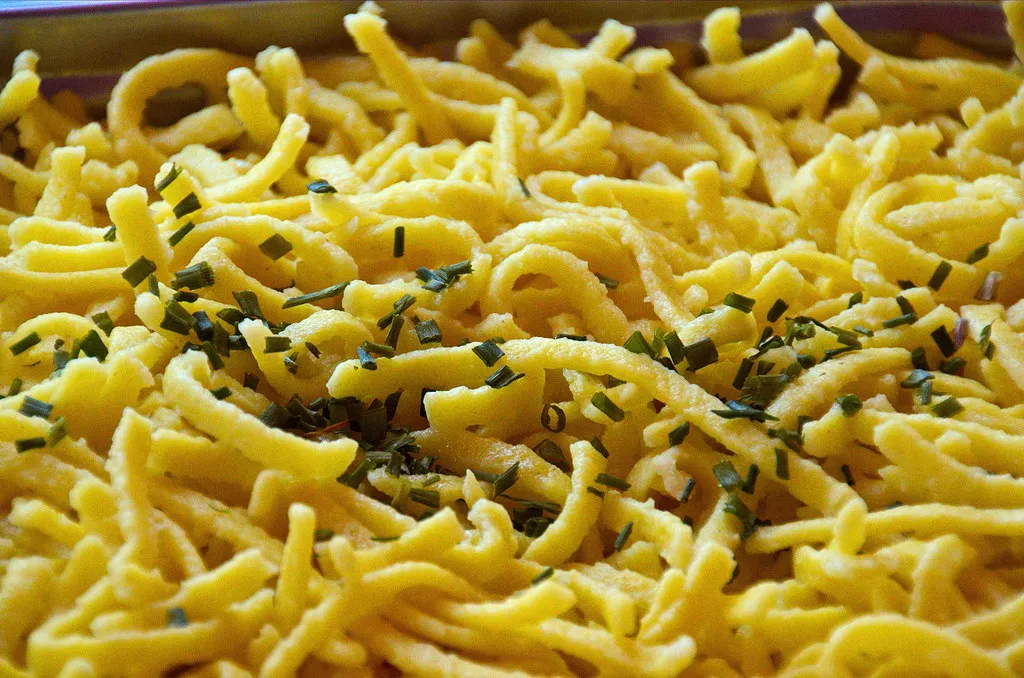
When pasta boils, it releases tiny particles of starch into the water. As pasta cooks, starch granules swell and release into the boiling water. That cloudy, starchy liquid is not waste. Those starch molecules help emulsify sauces, creating a silky, restaurant-style texture. This is why professional kitchens reserve it deliberately before draining.
As pasta cooks, it releases starch into the water, creating a naturally thickened liquid that’s perfectly seasoned, if you salted your water properly. Notice the conditional there. If the pasta water wasn’t salted well, it also fails at this second job. Undersalted pasta water means bland pasta that no amount of sauce can fully fix.
The Mantecatura Technique Relies on It
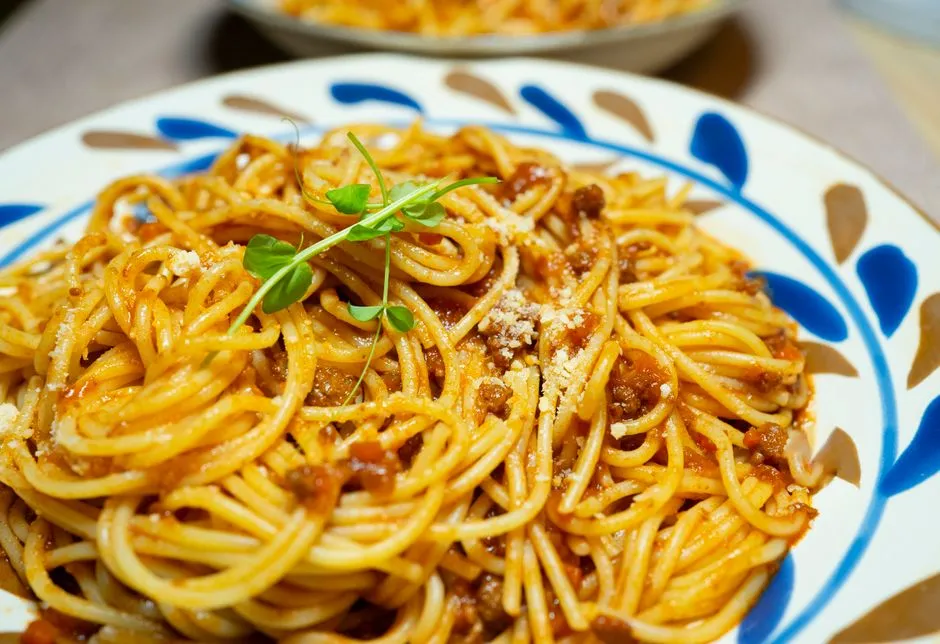
Mantecare is the process of finishing pasta by creating a sauce through emulsifying a fat, typically cheese, extra virgin olive oil, butter, or rendered fat from meat, with the starch-rich pasta cooking water, wherein the starch from the pasta water acts as a natural emulsifier. This technique is at the heart of Italian-style pasta cookery in professional kitchens. Italian cooks almost always finish the pasta in the sauce itself, allowing the starch from the pasta water to bind everything together into a cohesive dish.
Professional chefs use the mantecatura technique to achieve restaurant-quality glossy sauce coating. The whole system only functions properly when the pasta water is well salted, because the starchy water is being added to the sauce directly, shaping its final seasoning. One practical consideration is that if the cooking water is very salty, it can make the resulting sauce salty too, which is why experienced cooks taste as they go and balance salt sources across the dish.
Different Salts Behave Differently in the Pot
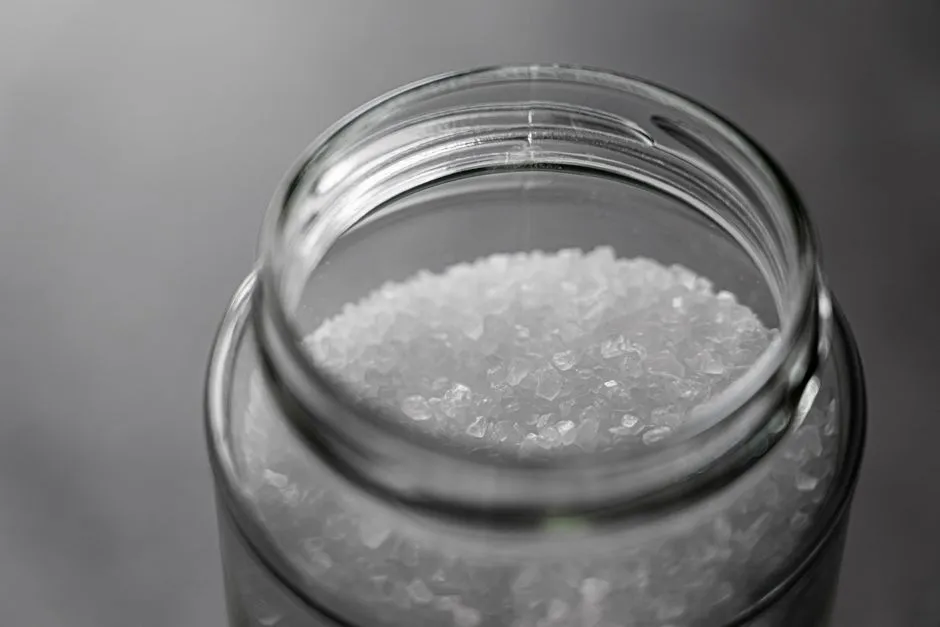
Diamond Crystal kosher salt is the go-to in professional kitchens precisely because its hollow, pyramid-shaped crystals don’t pack tightly. It’s beloved by chefs and cookbook authors for its lighter texture, quick dissolve, and more forgiving seasoning, as it’s harder to accidentally over-salt with it. This is a detail that separates professional kitchens from home ones, where table salt is often used without adjusting for density differences.
Kosher salt is preferred because it dissolves quickly and distributes evenly, giving consistent seasoning. Table salt, by contrast, is denser by volume, meaning the same spoonful delivers considerably more sodium. The kind of salt matters, and many culinary authorities recommend using kosher salt and avoiding iodized table salt.
Fresh Pasta Needs Even More Careful Timing

Fresh pasta requires more salt because it’s in the water for less time. Fresh pasta cooks in a matter of minutes rather than the eight to twelve minutes typical of dried pasta. The window for salt absorption is simply shorter. Its shorter cooking time means salt must be fully dissolved before pasta enters the water, and a concentration of 1.0 to 1.25 percent is optimal.
Restaurant kitchens that serve fresh pasta handle this by keeping the water at a consistent salinity before each batch. The water is not casually eyeballed. It’s calibrated, often by taste, by cooks who have done it enough times that the right level is second nature.
The Takeaway
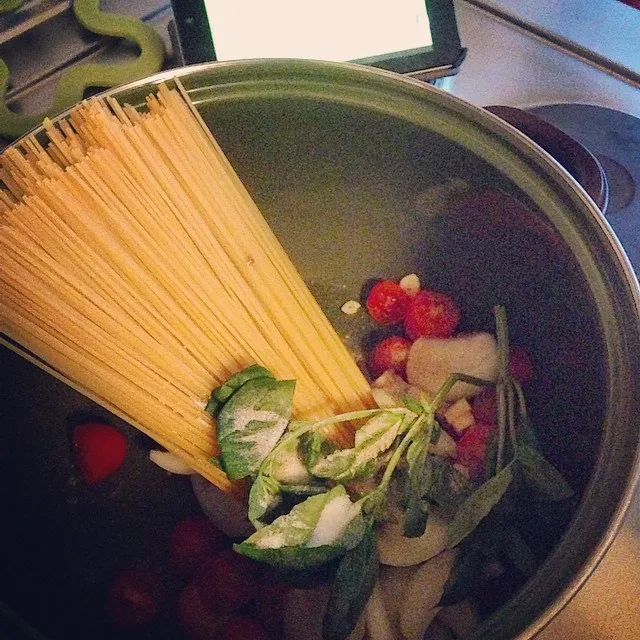
The heavy salting of pasta water in restaurant kitchens is not theater, tradition, or excess. It’s the intersection of food chemistry, texture control, and sauce technique, all working together from the moment the water goes on the stove. Salting pasta water is the single highest-return, lowest-effort technique in the entire pasta-cooking sequence.
What looks like a casual handful of salt from a confident chef is actually a precise act built on a clear understanding of how starch, gluten, and sodium interact under heat. The pasta you’re eating in a good restaurant tastes the way it does because of decisions made before the pasta ever touched the water. That’s the part most people miss.
AI Disclaimer: This article was created with the assistance of AI tools and reviewed by a human editor.