

The Scale of the Problem Is Bigger Than You Think
Nearly ten million cats and dogs are stolen or lost annually in the United States. That is not a statistic to gloss over. It translates to families searching neighborhoods at night, shelters filling up, and animals waiting in kennels that could have been back home within hours.
One in three pets will go missing in their lifetime, and even with effective tools like microchips, the data shows that most lost pets never make it home. The microchip is widely regarded as the gold standard of pet identification, but its track record is complicated by what happens – or more precisely, what doesn’t happen – after the chip is implanted.
Microchipped Pets Really Do Come Home More Often – When Everything Works
Microchipped dogs were returned to their owners at a rate of 52.2%, compared with 21.9% of dogs without microchips, based on a study that followed animals entering 53 US shelters. That is a significant advantage, and it reflects the genuine potential of the technology. The word “potential” matters here, though.
Microchipped pets are three times more likely to be reunited with their owners, according to aggregated shelter data. For cats, the return-to-owner rate jumps from just 1.8% without a chip to 38.5% with one. Those numbers are worth pausing on. The chip, when it works properly, is transformative. When it doesn’t, it’s nearly invisible in the outcome.
The Registration Gap: The Mistake at the Root of Everything
The most frequent issue is an unregistered microchip. Many pet owners assume that microchip implantation automatically includes registration, but these are entirely separate processes. A veterinarian or shelter implants the physical chip, but owners must complete registration separately with a database service. This is the central misunderstanding that derails countless reunions.
Without registration, the microchip is useless. An unregistered microchip is extremely difficult to trace back to the owner, and a busy shelter may not have the time or resources to track down that information. Only about 60% of microchipped pets are even registered at all. That means roughly four out of ten chipped animals are carrying a number that leads nowhere.
Wrong Phone Numbers Are Just as Deadly as No Registration
When owners were found for microchipped animals, the most common reasons reunions failed were incorrect or disconnected phone numbers, accounting for 35.4% of failed cases; owners who did not return calls, at 24.3%; chips registered in a database other than the manufacturer’s, at 17.2%; and chips that were never registered at all, at 9.8%.
Outdated registration information is nearly as problematic as having no registration at all. Many pet recovery failures happen not because pets lack microchips, but because their registration information is years out of date. A lost pet found with a microchip registered to a previous address and a disconnected phone number faces the same outcome as an unregistered pet. Moving, changing carriers, or switching phone numbers without updating the registry quietly disarms the chip.
Adoption Day Creates a Hidden Vulnerability
A common misconception is that because a shelter microchipped a pet at adoption, the chip is automatically registered to the new owner. In fact, the chip may still be registered to the shelter, or even to a previous owner. It could even remain unregistered if the shelter never completed registration on the new owner’s behalf.
For adult dogs adopted from a shelter or rescue, many organizations implant a chip prior to adoption, but the registration is sometimes still listed under the shelter’s contact information rather than the new owner’s, making it essential to transfer registration into the adopter’s name and phone number within the first few days of bringing the dog home. It is the kind of paperwork that feels optional in the excitement of a new pet – and it really isn’t.
The Fragmented Database Problem No One Talks About
There are about 40 companies nationwide that register pet microchips. This is not a unified system. A chip registered with one company may never appear in a search conducted through a different company’s lookup tool. Shelters that stop at one database can easily miss a registration that exists elsewhere.
If a shelter identifies a chip as being from a specific manufacturer and calls only that company, other registrations may never be found. Unless staff use the American Animal Hospital Association’s universal pet microchip lookup tool to expand their search, a pet might never make it home, even when registration was properly maintained. The AAHA lookup tool, available at AAHA.org, searches across most major manufacturer databases simultaneously and is free to use.
When a Registry Company Shuts Down
One of the nation’s largest pet microchip companies, Save This Life, went out of business in January 2024. When the company shut down, its registry of pet owner information also became inaccessible, leaving some microchipped pets effectively unregistered. This was not a theoretical edge case. It happened with real pets and real families.
Cincinnati Animal CARE alone found 65 dogs with chips registered through Save This Life. About half were reunited with their owners, but others remained at the shelter until they were adopted. Pet owners whose animals were registered with Save This Life do not need to have their pets re-chipped, but animal welfare advocates say the most important step is verifying that a chip is currently registered and that contact information is accurate. The lesson here is to verify registration status periodically, not just once.
Scanner Frequency Mismatches: A Technical Fault That Silently Fails
In the U.S., the most common pet microchips operate at one of three frequencies: 134.2 kilohertz, 125 kHz, or less commonly 128 kHz. These are not interchangeable. A scanner tuned to one frequency may simply not detect a chip running on another. The animal gets scanned, the scanner reports nothing, and the chip goes undetected.
This is the central failure in pet recovery, and it is silent: a single-frequency scanner does not warn you it is the wrong tool. It simply returns nothing, and everyone in the room concludes the animal was never chipped. Fortunately, most veterinarians, animal shelters, and animal control agencies now use universal scanners that can detect and read all commonly used microchip frequencies, but not all facilities have made the switch. If there is any doubt, it is worth asking explicitly which scanner a clinic or shelter uses.
Chips Bought Through Third-Party Sellers Create Their Own Problem
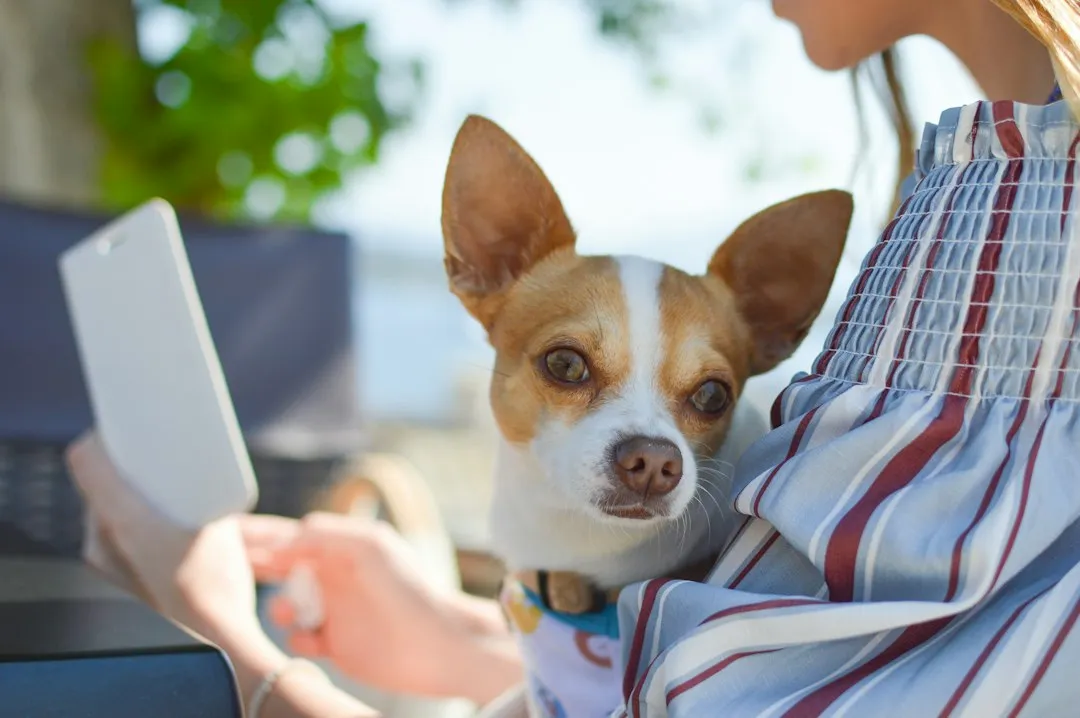
Nearly 20% of “dead-end” microchip cases tracked by Microchip Hunters involved unregistered microchips with no owner information at all, due in part to chips sold by third parties like Amazon. When owners purchase chips outside of a veterinary setting, the implantation sometimes happens without any guidance on registration. The chip goes in, and the paperwork never follows.
In 2025, Microchip Hunters worked through over 1,600 dead-end microchip and tag cases and were able to make contact with 884 families. Roughly one in three of all cases resulted in pets being reunited with their families. When the unregistered cases are excluded, the success rate jumps to 72.5%. That gap tells the story plainly: registration is where outcomes diverge.
What Pet Owners Should Actually Do Right Now
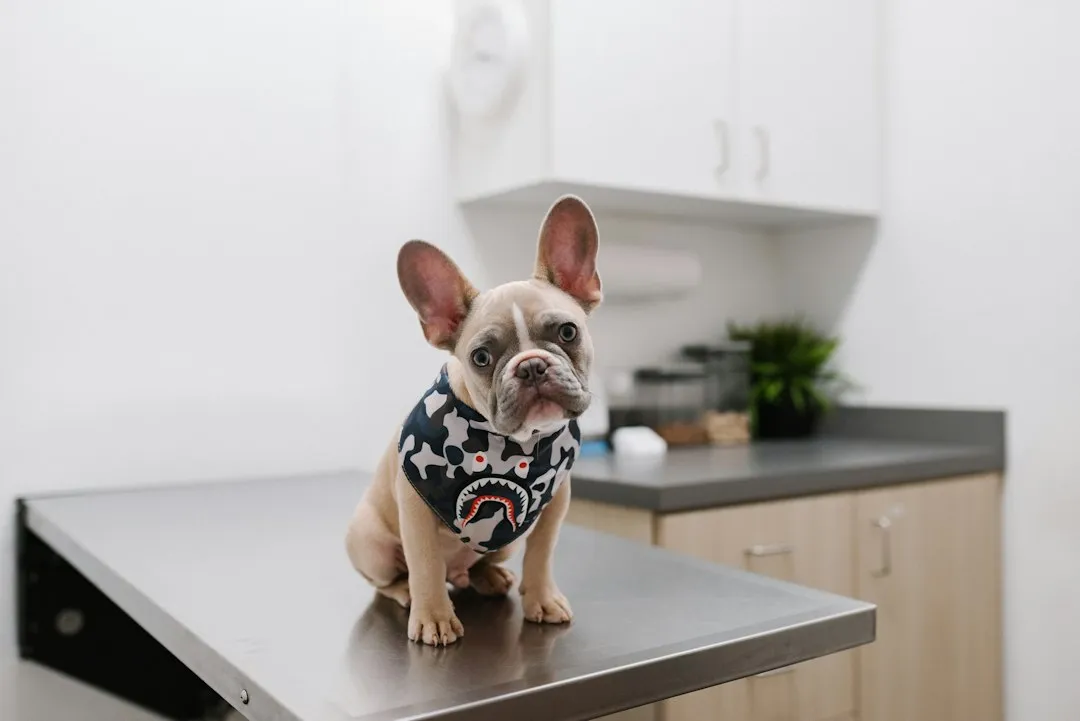
The three essential steps after microchipping are straightforward: make sure the chip is registered, ask a veterinarian to scan the chip at least once a year to confirm it is functioning and can be detected, and keep registration information up to date whenever it changes. These are not complicated tasks. They are simply easy to forget.
The American Animal Hospital Association’s Universal Pet Microchip Lookup Tool is an internet-based application linked to the registries of the majority of microchip manufacturers, allowing owners to quickly access and verify their pet’s microchip data. Registration needs to be updated whenever an owner moves or changes phone numbers. Treat it like a utility bill: set a reminder, check it annually, and update it immediately after any life change.
The Takeaway
The microchip itself is remarkably reliable. It is roughly the size of a grain of rice, it carries no battery, it doesn’t expire, and it very rarely fails on its own. What fails, consistently and at scale, is everything that surrounds it – the registration that never got completed, the phone number that changed years ago, the database that a shelter didn’t search, the registry company that quietly closed its doors.
The technology did its job. The human infrastructure around it didn’t. That is a problem that doesn’t require a new invention to solve. It requires a ten-minute registration check, an updated phone number, and knowing which lookup tool to use. For a lost pet waiting in a shelter kennel, those ten minutes are everything.
AI Disclaimer: This article was created with the assistance of AI tools and reviewed by a human editor.