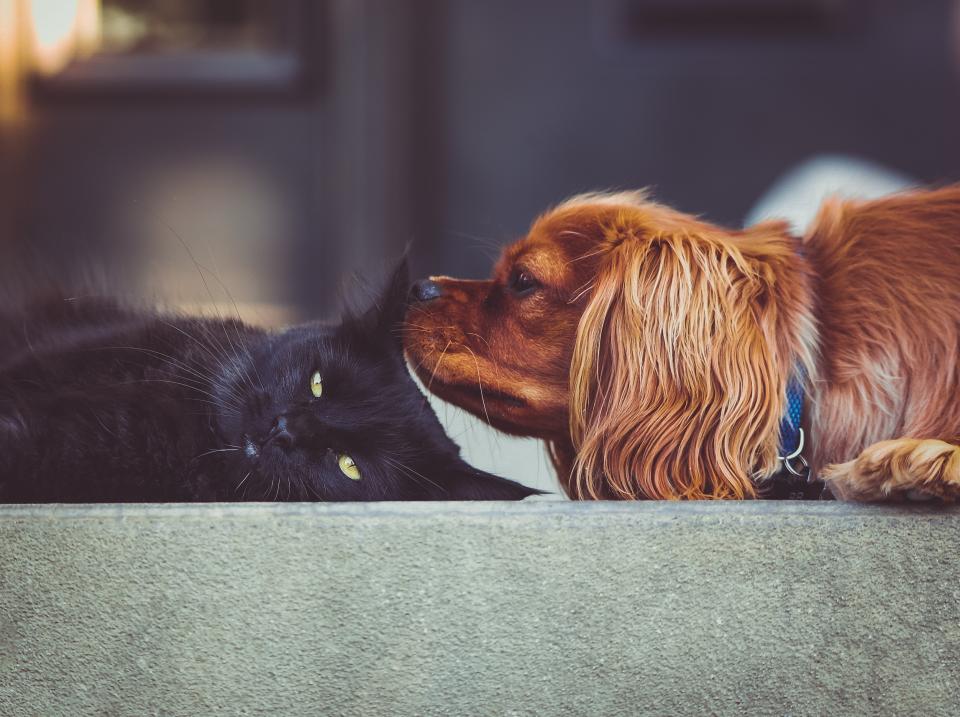

1. Ragdoll: The Laid-Back Companion
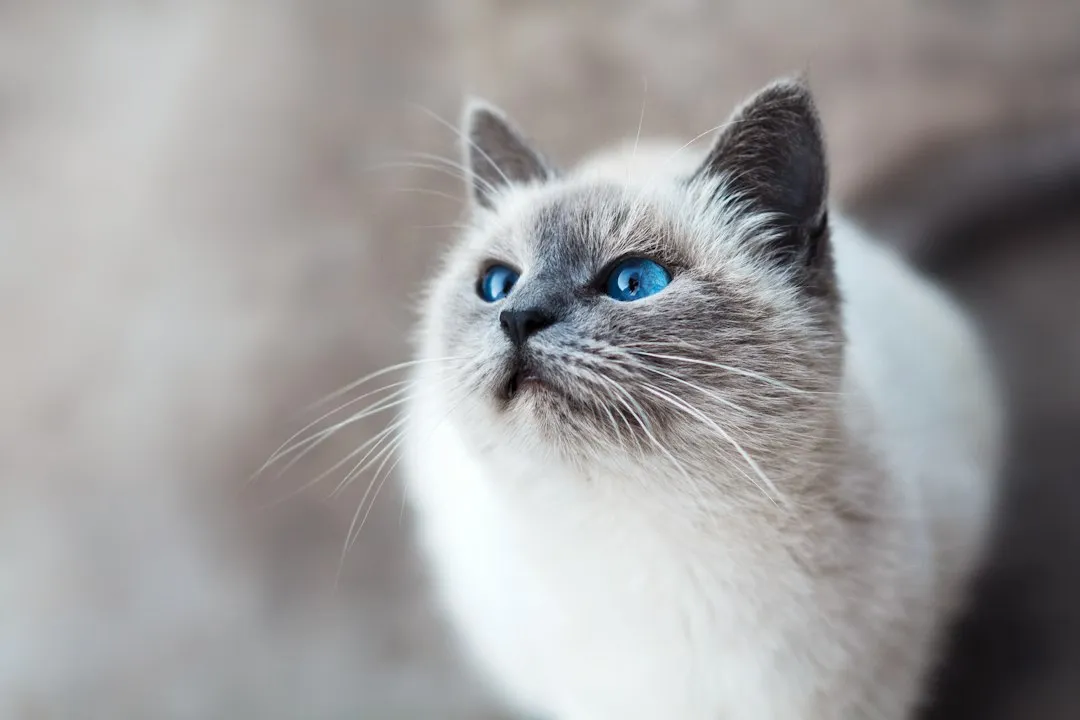
Ragdolls can be a great fit for homes with dogs, thanks to their relaxed and affectionate nature. This breed is known for being people-oriented and social, often seeking out attention rather than avoiding it. That social confidence is exactly what makes them so low-drama around dogs.
Many Ragdolls are less reactive to sudden movement or noise, which can help them stay calm around curious or playful dogs. While they may not actively try to interact with dogs, they’re often comfortable sharing space with them. For households that want a cat who won’t bolt under the bed the moment the dog trots by, the Ragdoll is a genuinely reliable choice.
The Ragdoll cat breed loves to make new friends and has been known to learn how to play fetch, earning it a reputation for having a very dog-like personality.
2. Maine Coon: The Gentle Giant
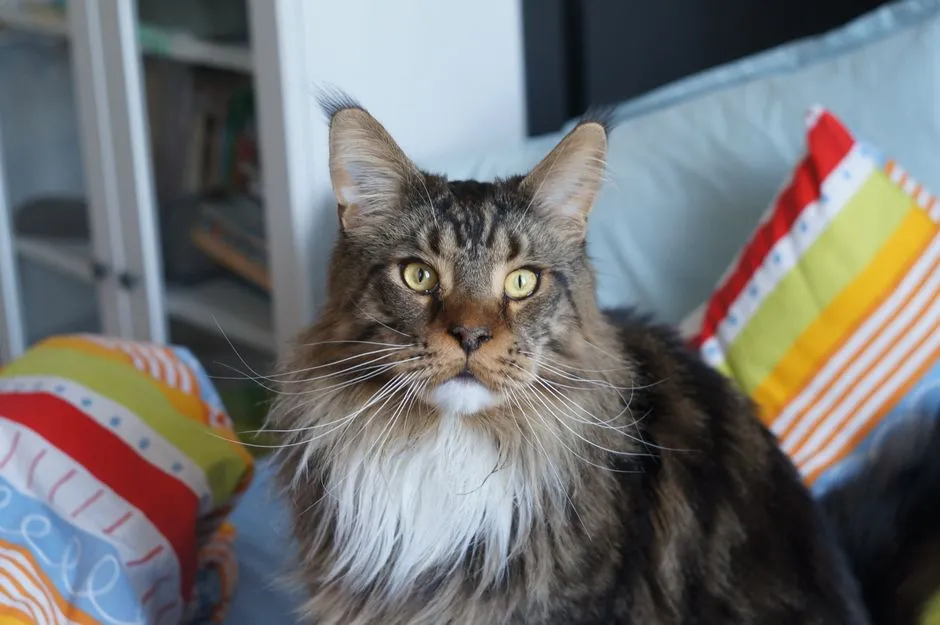
The Maine Coon is a large furry cat with a dog-like personality that makes them great companions for canine family members. Their size alone can be disarming. The Maine Coon is one of the largest domestic cat breeds, with males weighing between 12 and 18 pounds, making them as large as many toy-sized dog breeds.
They’re known to play ball and cuddle up to dogs they’ve been raised around, and they don’t have a strong territorial instinct. Maine Coons are one of the most affectionate cat breeds you can own.
Maine Coon cats are often trainable given their intelligence and affectionate nature. That trainability means they can read and adapt to social situations in a way most cats simply don’t. It’s a trait that makes introductions with dogs smoother than you might expect.
3. Birman: Calm, Curious, and Surprisingly Social
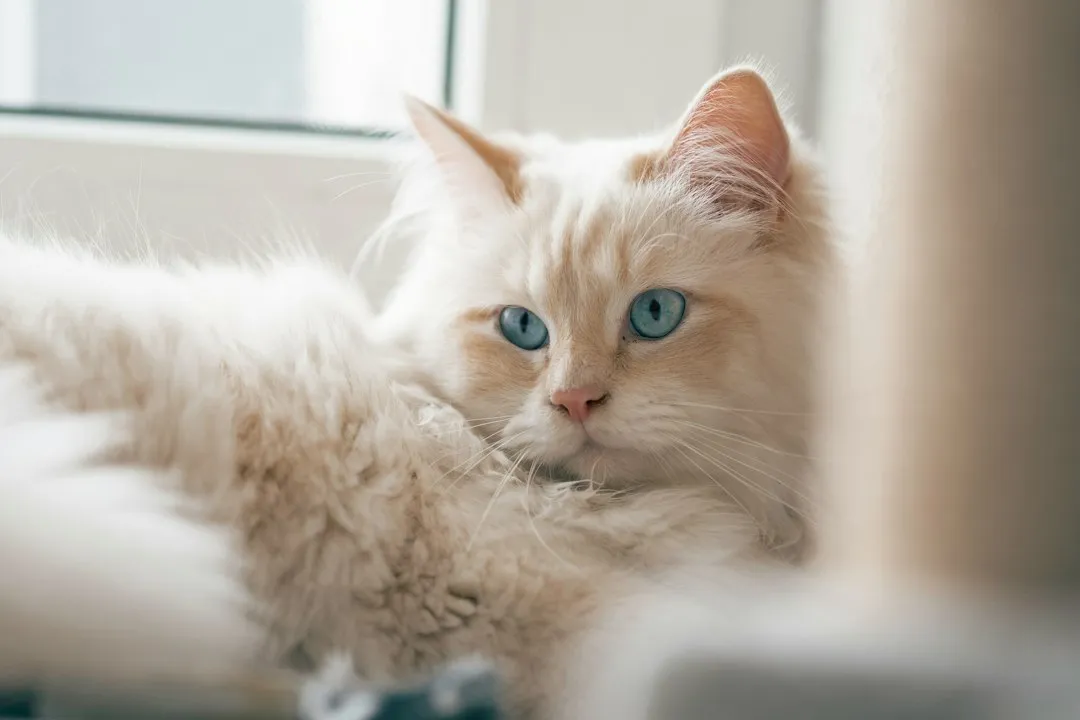
Resembling a more filled-out Siamese, the beautiful Birman is patient, relatively quiet, and very social. These aren’t qualities you always find bundled together in a single breed, and they matter a lot in a multi-pet home.
They love to be involved with everything going on in the house and thrive on company, no matter the kind. That social drive means a Birman is unlikely to withdraw when a dog enters the room. Instead, they tend to get involved.
The Birman comes from Burma, now Myanmar, where they were kept as temple cats. Their outgoing and playful attitude makes them a perfect choice of cat for a home with dogs, and they’re sociable with both people and other animals alike.
4. Abyssinian: High Energy Meets High Adaptability
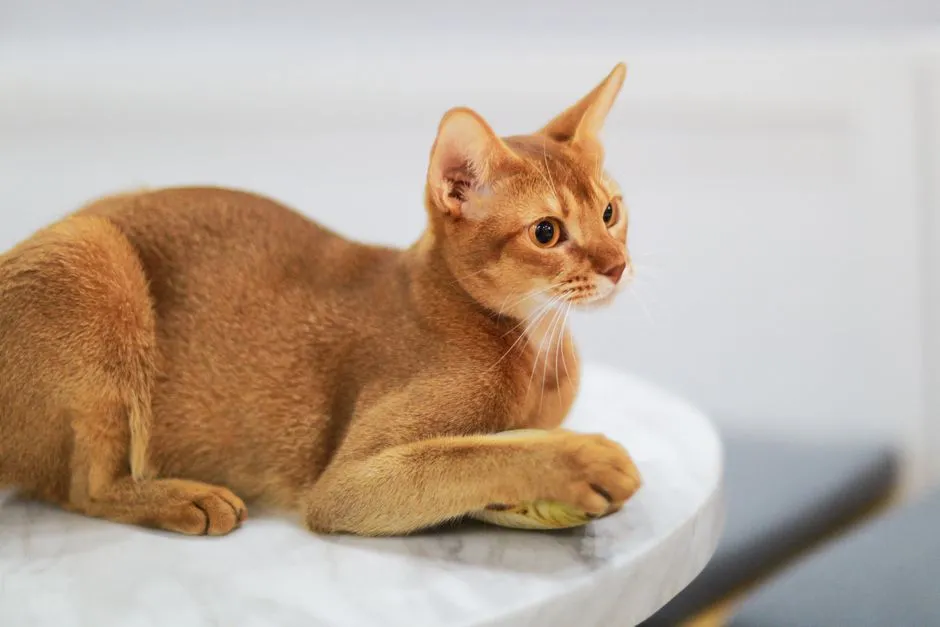
The Abyssinian has a friendly, inquisitive spirit that makes them great companions for other cats and dogs. They’re almost never the cat hiding in a corner. They want to know what’s happening, all the time.
Abyssinians are always in motion when they’re not taking cat naps. That makes them a very engaging playmate for even the most energetic dogs. An Abyssinian paired with an active dog like a Labrador or Border Collie can actually be an ideal match in terms of energy levels.
Abyssinians are fiercely loyal and highly people-oriented, and are often referred to as the cat of the dog world. They respond well to leash training and enjoy following their owners around. It’s hard to imagine a more dog-like cat.
5. Norwegian Forest Cat: Independent but Adaptable
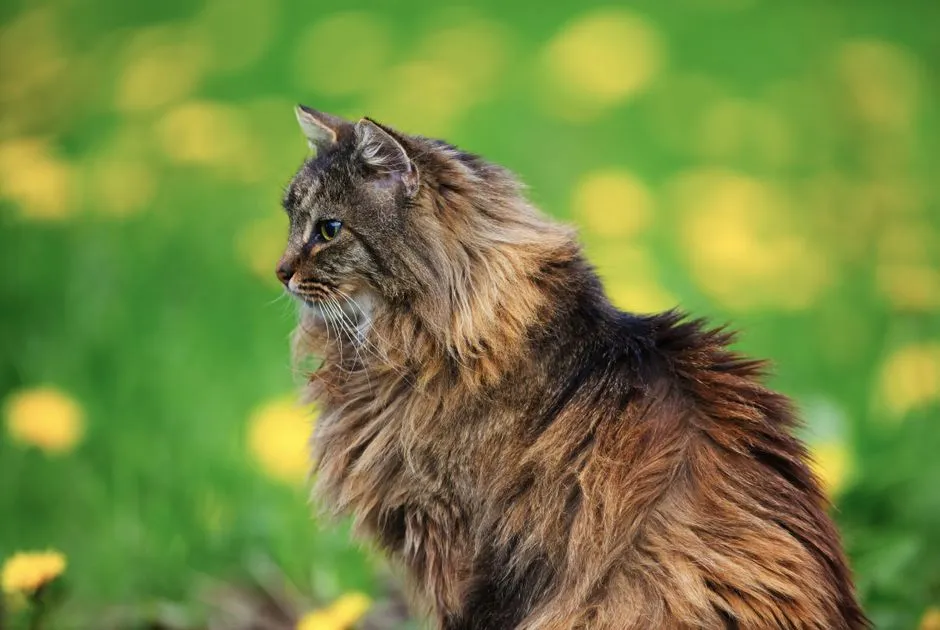
The Norwegian Forest Cat can get along with the entire family, including dogs. It may take time for the Norwegian Forest Cat to get familiar with its canine friend, but once it does, they could become inseparable. Patience during introduction pays off significantly with this breed.
This large and muscular breed gets along well with dogs due to a powerful nurturing instinct and is unlikely to compete for the owner’s affection. That lack of jealousy is actually a meaningful trait in multi-pet households, where tensions often arise from competition for human attention.
The Norwegian Forest Cat is built to survive the freezing conditions of a Norwegian winter, but these days, they’re just as happy soaking up the comforts of a warm home. They love people and other pets, making them a great choice for a home with dogs.
6. Bombay: The Social Butterfly in a Black Coat

The stunning Bombay breed was originally created in the 1950s by crossing black American Shorthairs with sable Burmese cats. These energetic and affectionate cats are adaptable, which makes them the perfect choice for a busy, multi-pet household.
Bombay kitties need companions to play with and cuddle during the day, and cats and dogs are fair game. Their need for companionship actually works in favor of a dog-sharing arrangement. A Bombay left alone all day is an unhappy Bombay.
These cats are highly social and eager to bond not only with the humans in their adopted family but the dogs as well. The typical Bombay loves to play, a trait that makes them ideal siblings for lively dogs. They can even be trained to go for walks in the park alongside the canine members of the family.
7. American Shorthair: The Steady, Reliable Roommate
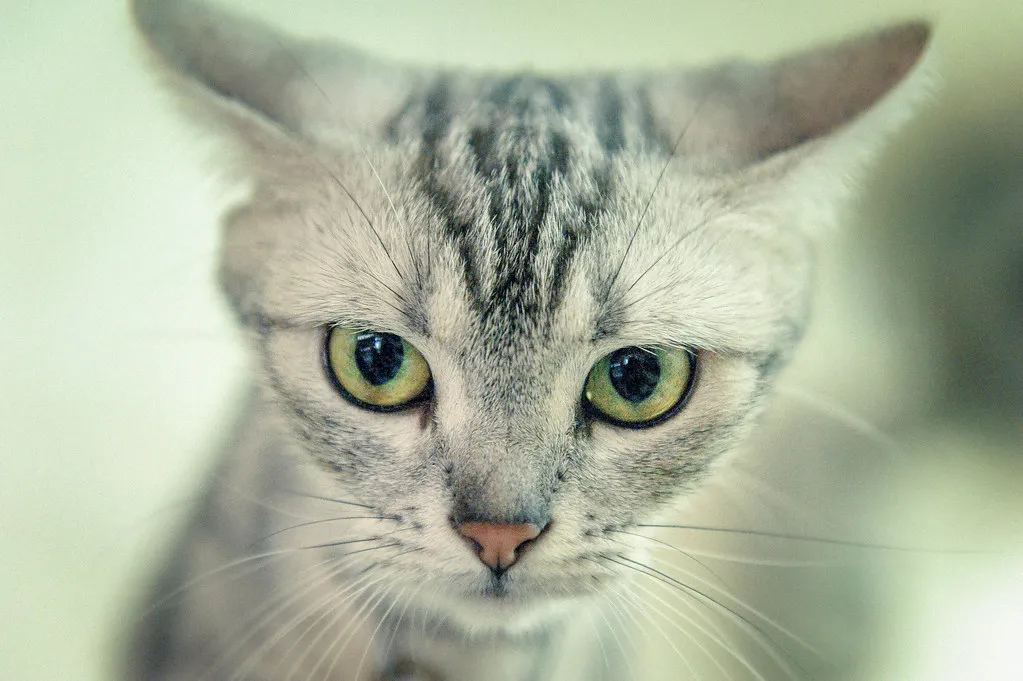
The American Shorthair is a calm and docile cat but also quite confident and intelligent. They get along well with just about anyone, including dogs, once a trusting relationship has been established. That self-assurance is key. Confident cats tend to hold their ground without escalating conflict.
Another one of the best cat breeds for dogs is the American Shorthair. Although this cat comes with a strong independent streak, that doesn’t mean they’ll be standoffish with your dog. In fact, some American Shorthairs get even more playful as they get older.
Most American Shorthairs get along well with dogs. It’s a breed that tends to take life as it comes, and a dog in the house is typically viewed as a neutral or even positive presence rather than a threat.
8. Siberian: Playful, Resilient, and Underrated
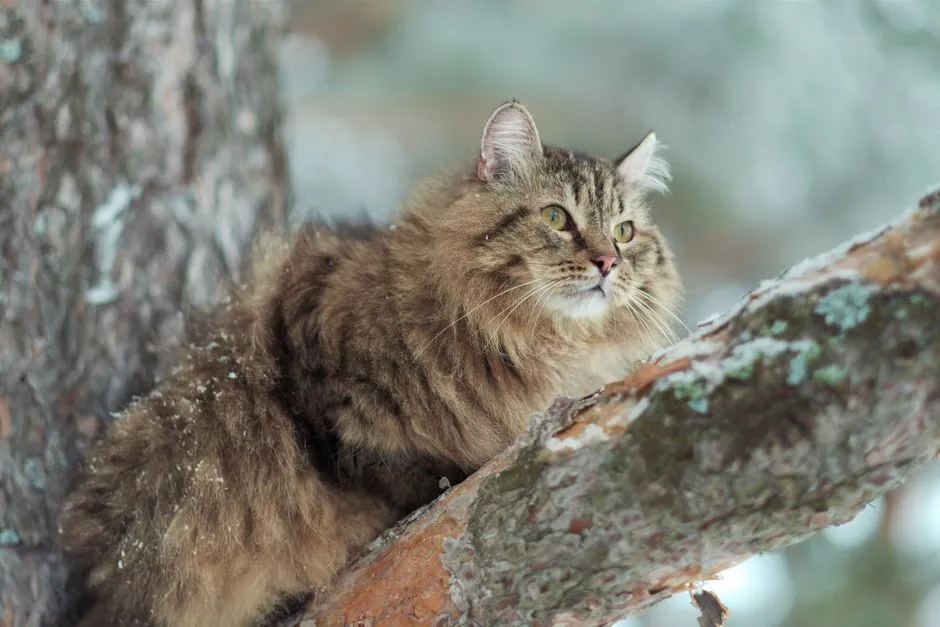
Though Siberian cats may have that serious cat-face, they are very playful and exuberant. Their appearance can be deceiving. These are not aloof, cold-shouldered cats despite what the dense coat and stoic expression might suggest.
The affectionate, curious, and cool Siberian cat loves giving and receiving attention. The Siberian cat breed can bond with a dog if they are introduced properly, due in part to their ability to deal with noise. That tolerance for noise and commotion is a practical advantage in a home with an excitable dog.
Devoted to their families and often cuddly, Siberians are part lap cat, part adventurous explorer. That range of temperament makes them flexible enough to adapt to dogs of varying energy levels, from calm senior dogs to boisterous puppies.
9. Tonkinese: Built for Company
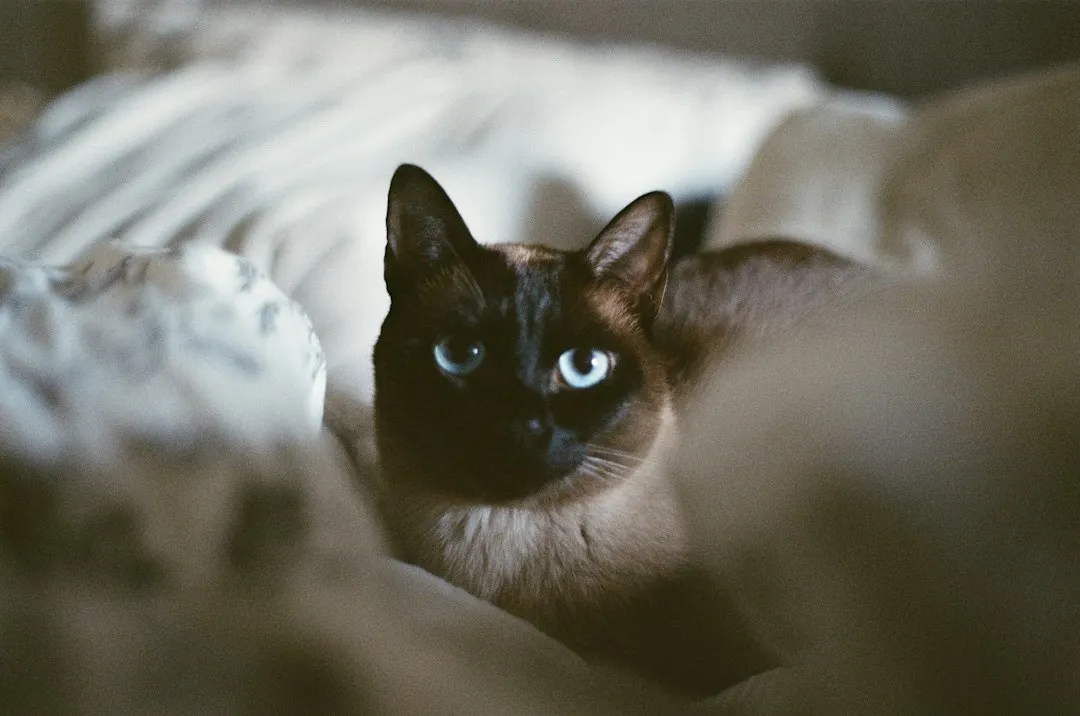
The Tonkinese blends the Burmese and Siamese breeds to create a loving and outgoing cat with plenty to say. This makes them great companions for dogs, as they will always be keeping each other entertained. These are not cats that want a quiet house.
The Tonkinese, a hybrid of Siamese and Burmese cat breeds, is another cat with a dog-like personality that adores the company of other pets. Their chattiness and engagement actually serve them well in multi-pet homes, since they’re always communicating and rarely caught off guard.
The Tonkinese breed is worth considering when bringing a new cat into a home with a dog. Its outgoing personality and love of play make it one of the more underappreciated choices on this list.
10. British Shorthair: Calm Confidence in a Compact Package
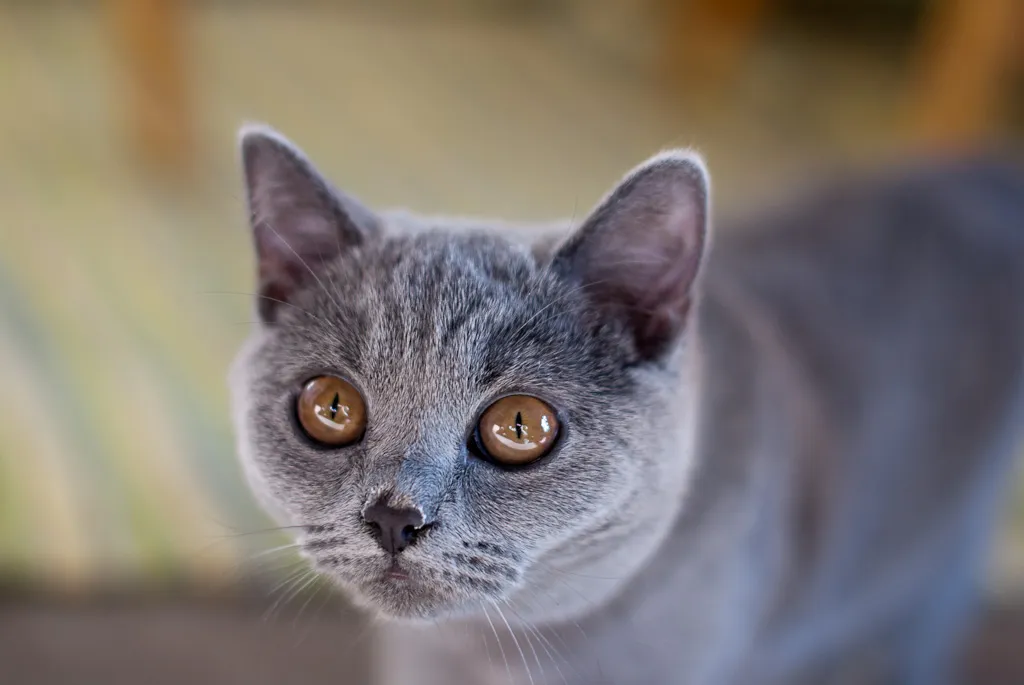
For homes with calm or moderately active dogs, the British Shorthair can be a particularly good match. They’re not an energetic, bounding-around-the-house type of cat, which makes them better suited to households where the dog is similarly laid-back.
Their temperament can make it easier for them to coexist with dogs without feeling overwhelmed. Allowing them to approach dogs on their own terms, rewarding dogs for calm behavior, and maintaining consistent routines can help these cats feel secure in a multi-pet household.
With a dense coat and distinguishable appearance, the British Shorthair is one of the most chill and easy-going cat breeds out there. That easygoing nature tends to translate into a live-and-let-live attitude with dogs, which is often exactly what a peaceful multi-pet home needs.
What the Research Actually Tells Us

Breed tendencies matter, but they’re not the whole story. Dogs and cats living together show different mutual interactions: more dogs lick the cat and more cats ignore the dog, but most dogs and cats sleep at least occasionally together and play together at a rate of roughly three in five households. These numbers are more encouraging than the classic cats-vs-dogs narrative suggests.
Many owners of mixed-species households indicate that both species felt comfortable with each other, with roughly four in five dogs and a similarly high proportion of cats reported as comfortable in each other’s presence. That’s a genuinely positive baseline, especially when breed selection is thoughtful.
Integrating cats and dogs into a harmonious household is entirely possible, especially when selecting feline breeds known for their dog-friendly dispositions. Breeds such as the Birman, Abyssinian, and American Shorthair stand out for their ability to live harmoniously with dogs. That said, successful integration is not just about choosing the right breeds, but also proper introductions, patience, and ongoing supervision.
The Takeaway
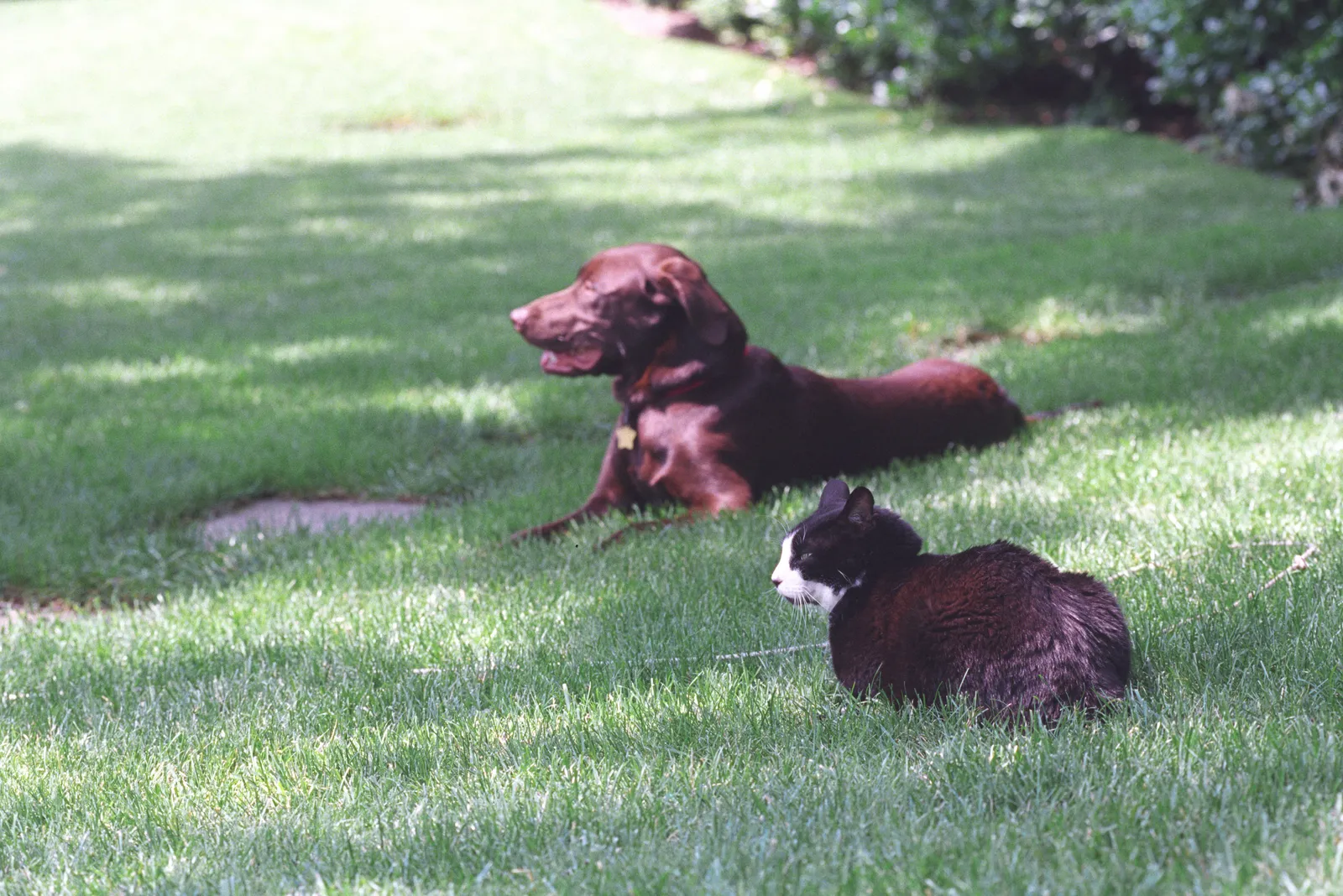
The right cat breed can make the difference between a tense, territorial household and one where a cat and dog genuinely enjoy each other’s company. Understanding breed tendencies can make all the difference when choosing a cat to bring into your dog-friendly home.
None of the breeds on this list come with a guarantee. Individual temperament, the dog’s behavior, and how carefully the introduction is managed all play real roles. Still, starting with a naturally sociable, confident, and adaptable breed gives you a meaningful head start. The science and the lived experience of pet owners both point in the same direction: some cats genuinely like dogs, and choosing wisely matters.
AI Disclaimer: This article was created with the assistance of AI tools and reviewed by a human editor.