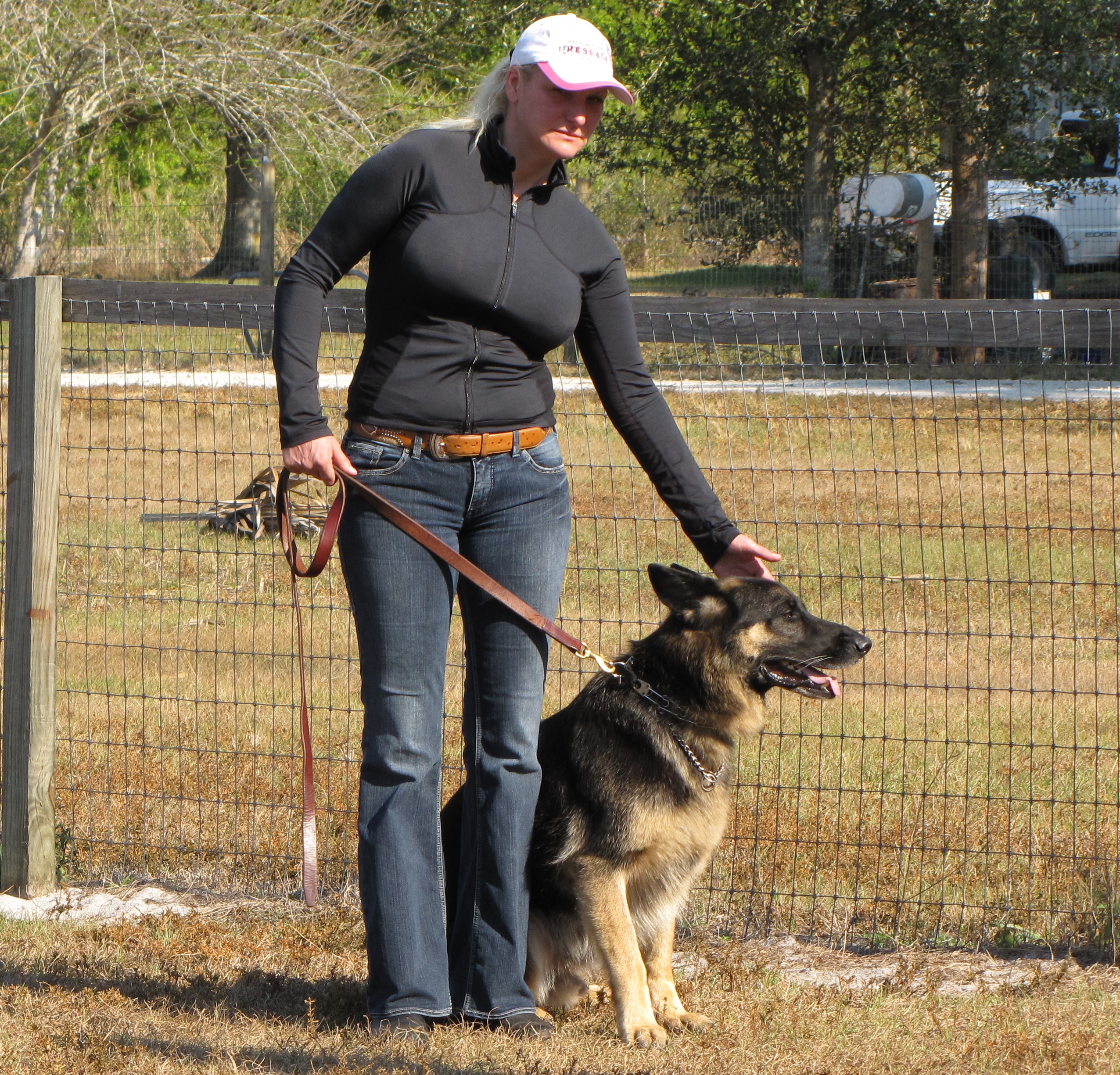

Most dog owners have been there. The dog starts barking at a passing neighbor, a squirrel, or nothing you can even identify, and without thinking, you raise your voice and shout “No!” or “Quiet!” Nothing happens. If anything, the barking gets louder. It feels like your dog is ignoring you, but the science tells a different story entirely.
The reason your command falls flat has nothing to do with stubbornness or defiance. It has everything to do with how dogs process sound, emotion, and communication – areas where human instinct and canine cognition simply don’t line up the way we assume they do.
Your Dog Probably Thinks You’re Joining In

Dogs may interpret yelling as joining in on the barking, leading to a feedback loop that amplifies the issue and increases their stress or excitement. Think about that for a moment. From your dog’s perspective, you’ve just added your voice to the alarm – and that can only mean the threat is real.
The louder you get, the more excited your dog becomes. They hear your raised voice and interpret it as you barking along with them. This is one of the most counterproductive dynamics in dog ownership, and it’s completely natural to fall into it.
Dogs Don’t Process Words the Way You Think

When you yell, your dog doesn’t understand the specific words, but they perceive your tone, body posture, and facial expressions. So “No!” shouted in a frustrated, high-pitched voice doesn’t carry the meaning you intend. It carries the emotion, and that emotion is agitation.
Research shows that the left side of a dog’s brain processes familiar words, while the right side picks up on intonation and emotion. When you yell, the emotional signal dominates. The word itself gets drowned out by the energy behind it.
Stopping a Behavior Is Not the Same as Changing It

It’s critically important to understand that behavior suppression is not the same as behavior modification. Just stopping or interrupting a behavior like barking is not the same as actually changing the dog’s behavior and addressing the underlying reason that is causing it.
If your dog is barking or growling, just yelling at them to stop doesn’t help them feel better about the reason why they were growling in the first place. The trigger remains. The anxiety remains. Only the outward signal gets briefly suppressed, and it will return.
Yelling Can Physically Destabilize Your Dog
A study published in PLOS One found that yelling at a dog has a significant effect on their center of balance. Researchers used a pressure-sensing platform to measure how dogs shifted physically when exposed to angry human voices versus calm ones.
Yelling doesn’t just confuse your dog; it can also cause their center of balance to be totally off. That’s not a metaphor. The physiological response to an angry voice is measurable and real, which helps explain why a yelled command often triggers more chaos rather than less.
The Fear Response Makes Training Harder

When yelled at, a dog’s amygdala, the brain’s fear center, is activated, triggering the fight-or-flight response. A dog in that state cannot absorb instruction. It’s not being difficult; it’s responding to what it perceives as a threat.
Animals develop increased stress responses when exposed to training using positive punishment and negative reinforcement, especially in the hands of people who do not have an advanced understanding of animal behaviour. Repeated yelling doesn’t build discipline. It builds dread.
Punishment Can Make Barking Worse Over Time

If a dog is frequently yelled at for jumping or barking, that dog might start to feel nervous or fearful around people, because dogs learn through associations. The dog might learn that people predict being yelled at, and this could have a fallout effect of increased reactivity, including barking more, lunging, growling, or otherwise trying to make the person go away.
Yelling or punishing a dog that is barking due to anxiety or as a territorial response is only likely to increase the dog’s barking and anxiety. A fearful dog becomes more fearful. An anxious dog becomes more anxious. The barking intensifies rather than diminishes.
Excessive Barking Is Remarkably Common

Roughly two in five dogs exhibit excessive barking behavior, making it one of the most prevalent behavioral concerns among pet owners in the United States, according to the Journal of Veterinary Behavior in 2025. So if this is a problem in your house, you’re far from alone.
According to the Dog Aging Project, which analyzed data from over 43,000 dogs across the United States in 2025, nearly all pet dogs experience at least one moderate to serious behavioral issue, with persistent barking ranking among the most commonly reported concerns. The scale of the problem makes the solution worth getting right.
Aggression Can Follow Persistent Punishment

A study by Porto University showed that dogs trained with punishment were 15 times more likely to show aggression toward strangers than those trained with positive reinforcement. That’s not a minor footnote. It points to a real escalation risk that many owners don’t anticipate.
If warning displays like barking are punished, the animal will cease warning people; however, the underlying fear causing the behaviour remains or may even be increased due to the punishment. In other words, silencing the bark through force doesn’t resolve the problem. It just removes the warning signal.
Calm Tone and Positive Reinforcement Actually Work
Research indicates that dogs respond best to calm, assertive tones rather than high-pitched or loud commands. This means the solution isn’t about finding a louder or more authoritative yell. It’s about shifting the entire energy of the interaction.
Recent studies show that dogs trained with positive reinforcement techniques bark significantly less than those subjected to punishment-based methods, proving its effectiveness. The American Veterinary Society of Animal Behavior’s Position Statement on Humane Dog Training in 2025 recommends pairing any corrective measure with positive reinforcement, rewarding calm and quiet behavior to teach dogs what they should do.
What to Do Instead When the Barking Starts

The honest answer is that addressing barking depends entirely on why the dog is barking. The approach is always the same: identify the root cause, address the unmet need, and build an environment where calm behaviour makes sense to the dog. That reframe alone changes everything.
When your dog pauses between barks, say “Quiet” in a calm but firm tone and reward them immediately with a treat or praise. Dogs respond to your tone and energy. Remaining calm helps your dog feel secure and reduces barking caused by anxiety. Over time, that consistency builds a new pattern, one rooted in trust rather than fear.
The Takeaway

Yelling at a barking dog isn’t just ineffective. For many dogs, it actively makes the problem worse by layering confusion, fear, and additional arousal onto a moment that already needs de-escalation. The instinct is understandable, but the science is clear.
What works is boring by comparison: calm, consistent responses that reward quiet and address the actual trigger. It takes longer than a sharp “No,” but the results stick in a way that raised voices never will. Sometimes the most powerful thing you can do in a noisy room is stay quiet yourself.
AI Disclaimer: This article was created with the assistance of AI tools and reviewed by a human editor.