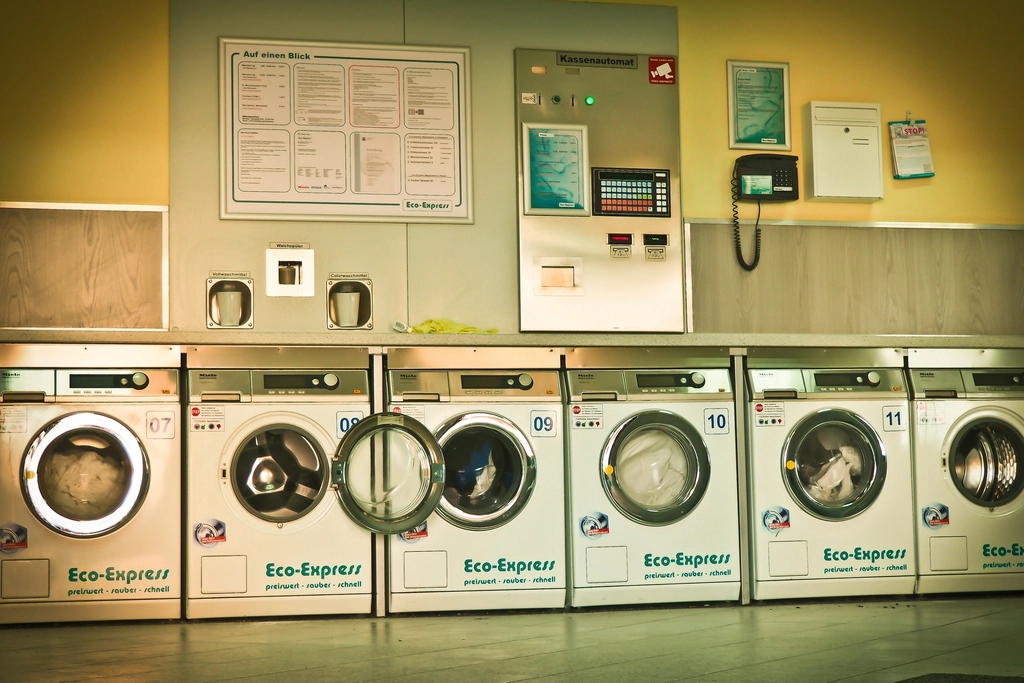

There’s a part of your washing machine that gets used every single cycle, stays damp for hours afterward, and rarely ever gets cleaned. It’s not hidden exactly, but it folds over itself in a way that makes it easy to ignore. That fold is the rubber door gasket, and for a lot of households, it’s the dirtiest spot in the whole laundry room.
The gasket does one specific job: it seals the drum so water can’t escape during a wash. It does that job in silence. When something goes wrong with it, though, the signs are hard to miss. A faint musty smell. A dark ring forming around the door. Clothes that come out smelling less clean than when they went in. What follows explains why this happens, what’s actually growing in those folds, and what you can realistically do about it.
What the Door Gasket Actually Is
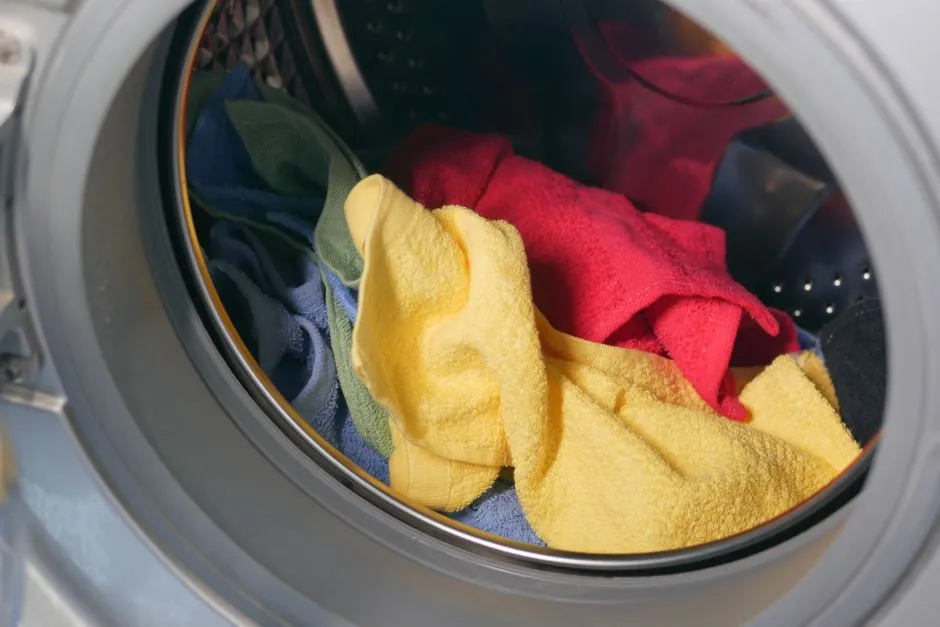
The rubber door gasket, also called the boot seal or bellow, forms a tight, watertight accordion fold around the drum opening. This design is intentional. The door seals with this rubber gasket that folds over on itself, and those folds hold a little pocket of water and gunk after every wash. It’s not a flaw in the design so much as an unavoidable consequence of needing a waterproof seal around a moving drum.
Its folds trap moisture, detergent residue, and lint. Over time, that combination creates something the gasket was never designed to handle on its own.
Why Front-Load Washers Are the Worst Offenders
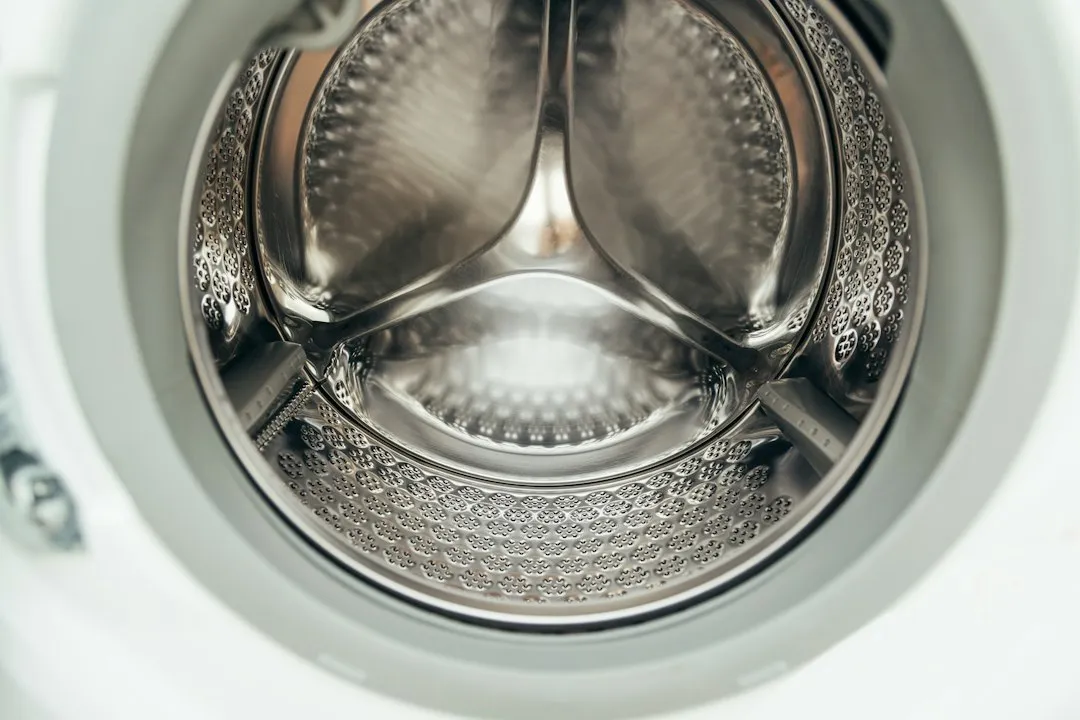
Front-loading washing machines are particularly prone to mold growth because of their rubber door gaskets. The door sits flush and seals tightly, which is exactly what it needs to do, but that also means air circulation after a wash cycle is essentially zero. Water pools inside the gasket folds, doors stay closed between cycles, and excess detergent leaves a residue that mold feeds on.
The scale of this problem across front-load ownership is striking. Roughly 17 percent of people who own a front-load washer report mold or mildew, compared with just 3 percent of those who own top-load washers, according to a Consumer Reports survey of nearly 94,500 members who bought a new washing machine between 2009 and 2019. That’s a substantial gap, and it comes down almost entirely to that sealed rubber fold.
The Mold Living in Your Gasket Right Now
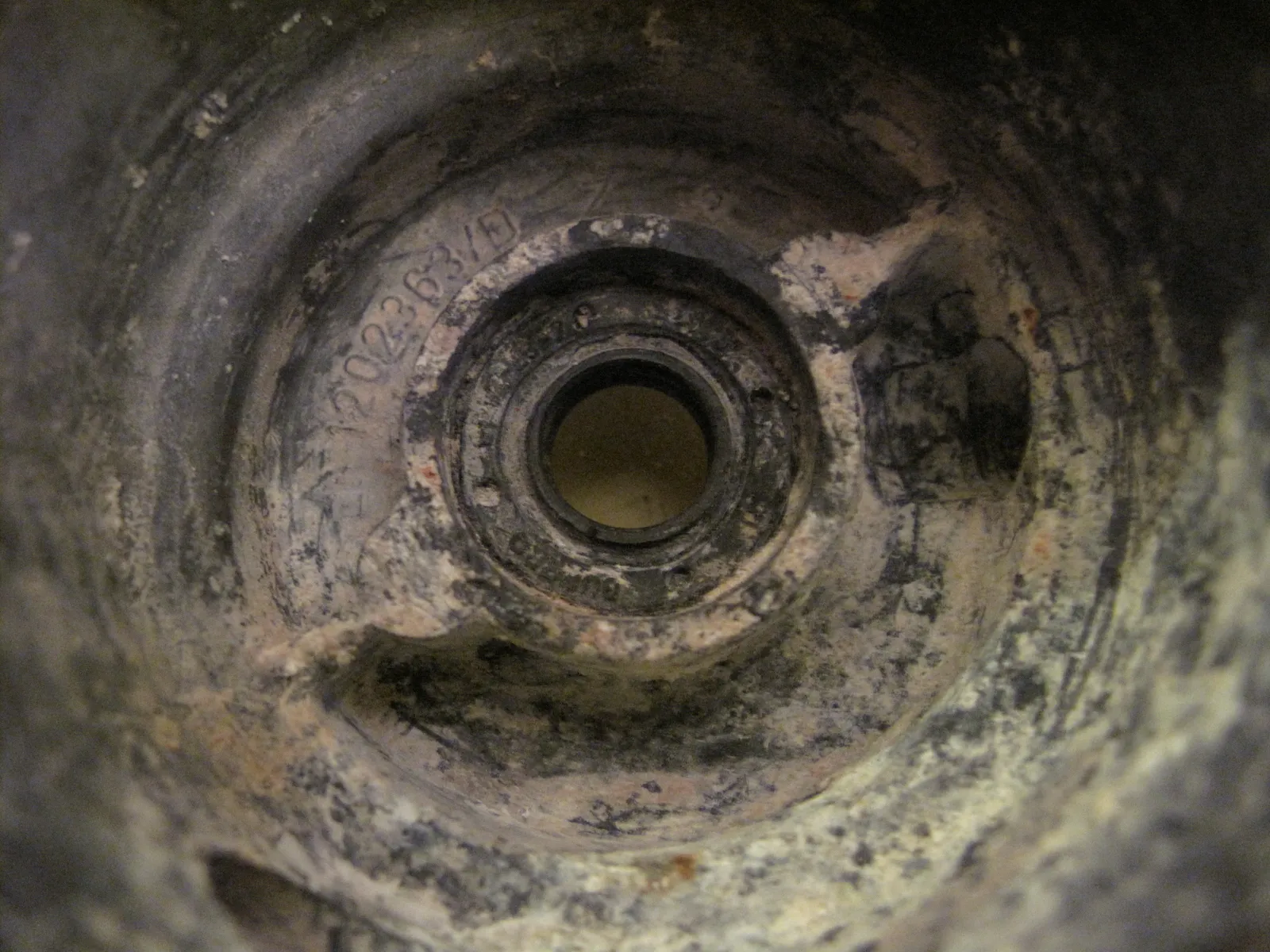
Fungi were detected in 82 percent of sampled appliances in a published study, with the inner rubber door seal being the most frequently colonized area. That figure comes from peer-reviewed research published in Scientific Reports, where 50 building washing machines were swab-tested across multiple sites. The inner parts of the rubber door seals exhibited the highest contamination rate at over a third of all sampled locations.
The most frequently identified fungal genera were Aspergillus and Cladosporium, known to cause health problems, especially in immunocompromised individuals. These are not exotic or rare species. They show up in household environments regularly, and the warm, damp gasket is an almost ideal place for them to settle.
Why the Inner Fold Is Cleaned the Least
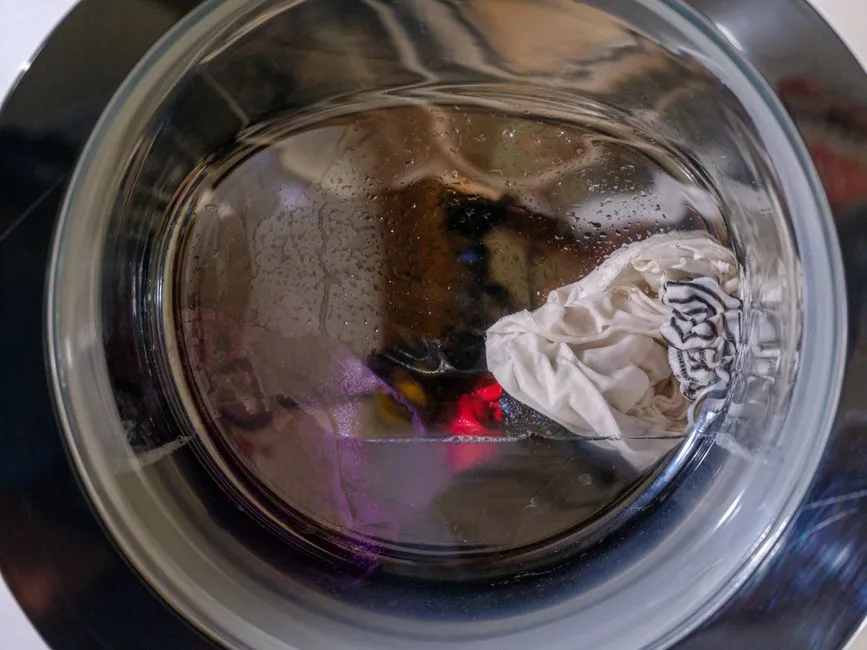
The inner rubber door seal often receives less cleaning attention compared to more visible machine parts, allowing fungal growth to persist and potentially thrive. This is partly an awareness problem and partly a design one. The fold tucks back on itself, so unless you physically pull back the rubber lip, the deepest part stays out of sight. It’s essential to focus on both the apparent upper surface and the underside of the seal, where water drains away, as mold frequently gathers in this unnoticed area, where it later spreads to clothes and the rest of the machine.
It’s worth noting that in the same research, a significant portion of contaminated washing machines were not subject to any regular cleaning routine. Skipping the gasket entirely is more common than manufacturers would like to admit.
The Bacteria Problem Goes Beyond Mold
The detergent drawer and door seal represent important sites for microbial life in domestic washing machines. Mold gets most of the attention, but bacteria settle in these same spaces too. Research has identified the door seal as the site with the highest relative abundance of malodor-forming Moraxella osloensis species, which is a key reason why freshly washed laundry sometimes comes out with a damp, slightly sour smell despite a full wash cycle.
In one particularly striking study, an antibiotic-resistant Klebsiella oxytoca strain was isolated from biofilms of the detergent drawer and door seal of a domestic washing machine used in a pediatric hospital ward, from which it probably had colonized newborns. That’s an extreme case in a clinical setting, but it illustrates what persistent biofilm in a gasket is capable of harboring.
What the Black Ring Actually Means
The dark growth in the gasket gets called “black mold,” but you can’t tell what it is by color alone, and color doesn’t reliably tell you how risky it is. What the black ring does tell you is that the machine has stayed wet long enough for a colony to settle in. The color is a signal about moisture management more than it is a diagnosis of a specific species.
The species most commonly found on washing machine gaskets, including Cladosporium, Penicillium, and Aspergillus, are generally classified as low-to-moderate health risks. That said, low-to-moderate is still a risk worth addressing, particularly in homes with children, elderly residents, or anyone with respiratory sensitivities.
The Health Risks That Come With Ignoring It
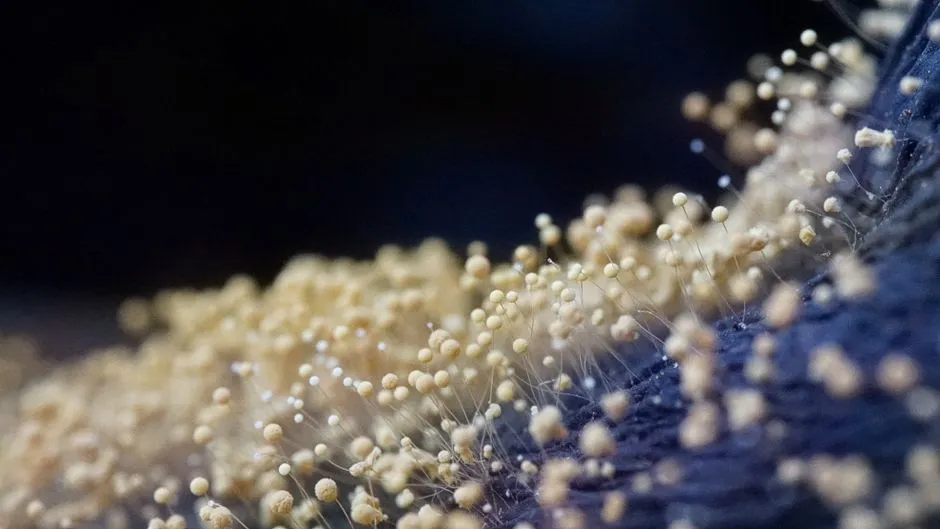
Fungi have the potential to adversely affect health and well-being, particularly through the allergenicity of fungal elements and the presence of toxic secondary metabolites. For most healthy adults, brief exposure from laundry isn’t going to cause a crisis. The concern grows with consistent, low-level exposure over months or years. Spores released into the air may trigger allergies, asthma, or skin irritation, and people with weakened immune systems are at higher risk.
Microbial biofilms may serve as reservoirs of pathogenic microorganisms that can contaminate laundry, potentially endangering the health of susceptible individuals. The clothes going in are clean. The machine delivering them may not be.
How to Actually Clean the Gasket
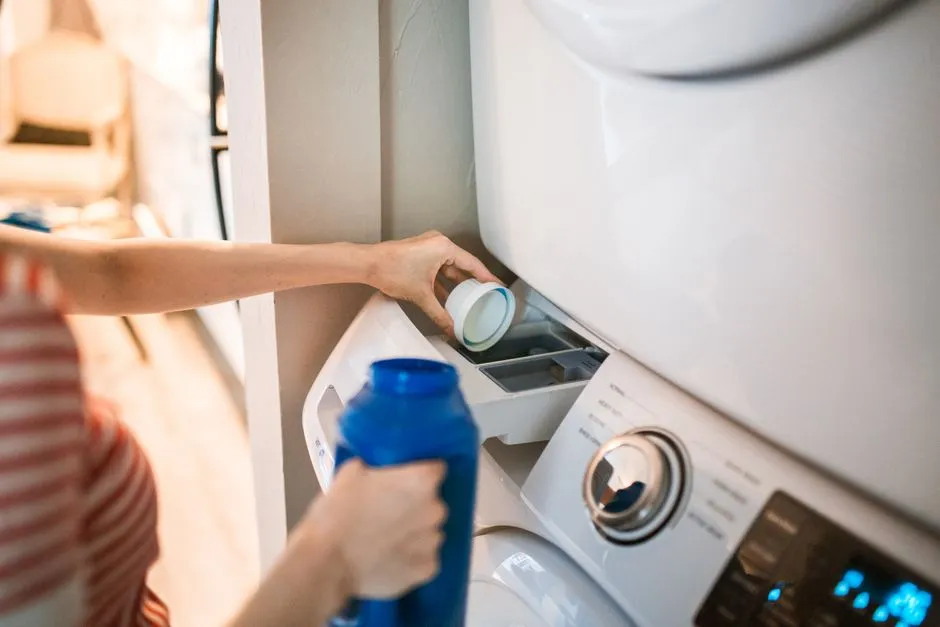
Spraying the gasket folds with a diluted bleach solution or a vinegar and water mix, letting it sit about 10 minutes, then scrubbing with a soft brush and drying it completely is a solid starting point. The key step most people miss is getting fully into the accordion fold, not just wiping the visible front face of the rubber. Gently wiping the entire rubber gasket, including deep folds and crevices, while focusing on blackened or slimy areas is what actually removes the biofilm rather than just smearing it around.
One important caution: never mix bleach and vinegar in your machine. The two react to release chlorine gas, which is genuinely dangerous. Choose one method per cleaning session and stick with it. Cleaning the rubber gasket at least once a month, or more frequently if you notice any mold or unpleasant odors, is the standard recommendation from mold removal professionals.
The Habit That Prevents Most of the Problem
After a wash cycle, keeping the door or lid shut traps moisture inside, which encourages mold growth. Simply leaving the door ajar after every wash is one of the most effective things you can do. It costs nothing and takes no time. Regularly cleaning and drying the washer’s door seal after each wash cycle while leaving the door open provides adequate air circulation, which curtails future growth.
The generation of heat during machine operation, combined with moisture from the washing process, establishes favorable temperature conditions for fungal proliferation, and the porous nature of the rubber seal offers additional surfaces for fungi to attach and form biofilms, rendering them resistant to removal. Drying the seal manually after each wash directly interrupts this cycle before it can begin.
When Cleaning Is No Longer Enough
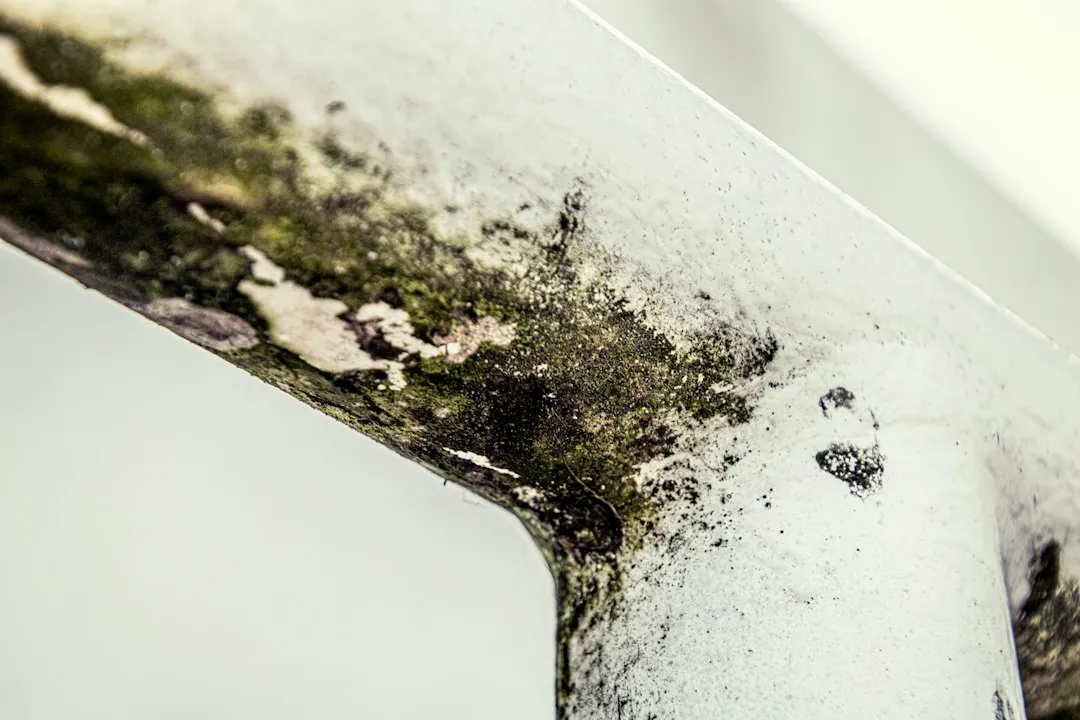
If there’s mold in the washing machine’s rubber gasket, it can cause the gasket to degrade prematurely. Once mold has worked deep into the rubber material itself, surface cleaning stops being effective. The gasket may need to be replaced entirely. Persistent mold odor even after cleaning and a hot cycle, or water leaking past the door seal during a wash cycle, are the clearest signs that replacement, not another cleaning session, is what’s actually needed.
Replacement gaskets are available for most major washing machine brands and are generally a manageable DIY project or a low-cost appliance repair. Catching the problem early, before the rubber has become permanently compromised, is the most cost-effective outcome.
The Bigger Picture: A Clean Machine Isn’t Automatic
Washing machines clean things. That’s the assumption most households operate on, and it’s true for laundry. It’s not true for the machine itself. Even the best washing machines require regular cleaning, otherwise mold, limescale, and soap scum can build up within, making the machine smell musty and potentially spreading to laundry in the long run.
A clean washer is mostly about habits, not products: run a hot clean cycle once a month, wipe the gasket and dispenser, and leave the door open so the drum dries between loads. The gasket is a small piece of rubber doing a thankless job. It doesn’t ask for much, just a quick wipe and some air. That’s a reasonable trade for laundry that actually comes out clean.
AI Disclaimer: This article was created with the assistance of AI tools and reviewed by a human editor.