
The Biology Behind the Bloom Trigger
Orchids don’t flower randomly. They bloom in response to specific signals, including temperature drops, light changes, and watering patterns that mimic seasonal shifts in the wild. In their native tropical and subtropical habitats, nights reliably cool down compared to the heat of the day, and orchids have evolved to read that contrast as a reliable cue that conditions are right for reproduction.
Flowering in Phalaenopsis is mainly temperature-controlled, and temperatures below 25°C induce flowering. When that threshold is not crossed, the plant stays in a vegetative state, quietly producing leaves and roots instead of a flower spike. The biology is surprisingly precise, and the trigger has been confirmed in multiple controlled studies.
Daytime Temperature: The Overlooked Variable
One study looked at growing Phalaenopsis at different temperatures, with no night cooling, and found that a temperature of 29°C prevented the flower spike from forming, while temperatures of 14, 17, 20, or 23°C resulted in flowering. This is a detail that often gets lost in popular advice. Most guides emphasize the cool night, but the daytime temperature is equally critical.
Phalaenopsis grown at 29°C during the day, with a nighttime drop to 17 or 23°C, did not flower. A cool night temperature will not overcome a daytime temperature that is too high. This explains why placing an orchid on a cool windowsill at night sometimes fails to produce results when the room heats up considerably during the afternoon.
The inhibition of flowering when the day temperature was 29°C and the night temperature was 17 or 23°C suggests that a warm day temperature inhibits flower initiation in Phalaenopsis. So both sides of the daily temperature swing matter, not just the low point.
The Specific Numbers That Matter
The American Orchid Society states that winter-blooming Phalaenopsis require a 15°F drop in night temperature for two to three weeks to initiate a flower spike. That is a concrete, well-established benchmark that home growers can actually work toward. It removes a lot of guesswork.
Night temperatures of 55 to 65°F sustained for four to six weeks, alongside a day-to-night temperature drop of at least 10 to 15°F, are the conditions described as most effective for spike initiation. The duration is just as important as the degree of cooling. A single cold night accomplishes little.
The spike-initiating temperature of 55 to 60°F is not the same as a damaging cold temperature. Pushing below 55°F in the hope of a stronger trigger does not speed up spike initiation and can instead cause cold stress and damage. There’s a productive window here, and going colder is not better.
What Happens Inside the Plant
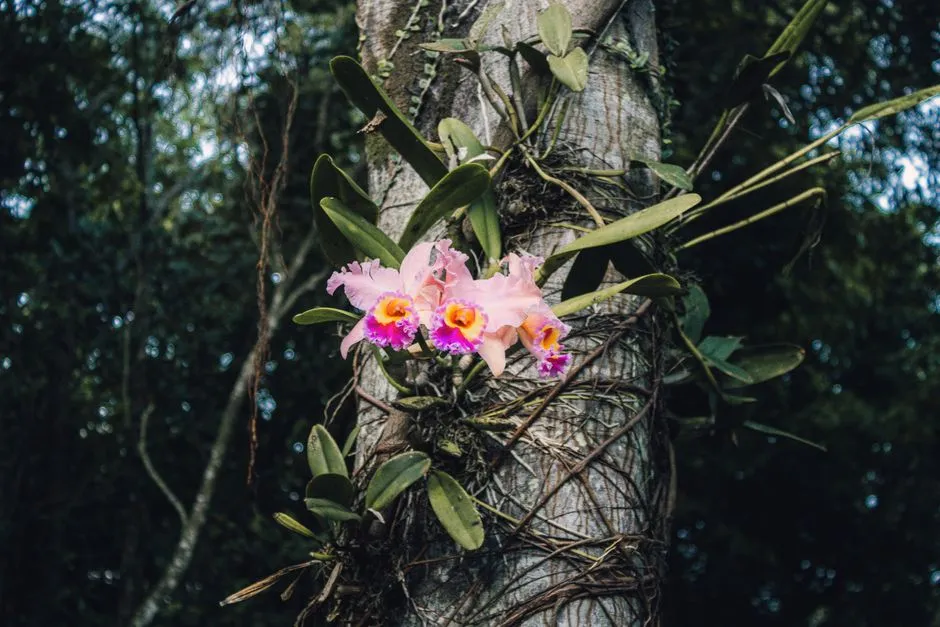
Phalaenopsis amabilis is an orchid that undergoes vernalization and requires low-temperature treatment for flowering. Vernalization is the process by which a sustained period of cool temperatures physiologically prepares a plant for reproduction. It’s the same fundamental mechanism that causes many spring-flowering bulbs to bloom after winter.
Moderate variations of day and night temperatures affect flower induction and flower spike development in Phalaenopsis. At the cellular level, the temperature shift appears to shift the plant’s energy allocation away from leaf production and toward reproductive development. Time to visible flower spike was positively correlated with higher levels of soluble sugars, which suggests that carbohydrates play a role in the number of days to spiking.
How Commercial Growers Use This Knowledge
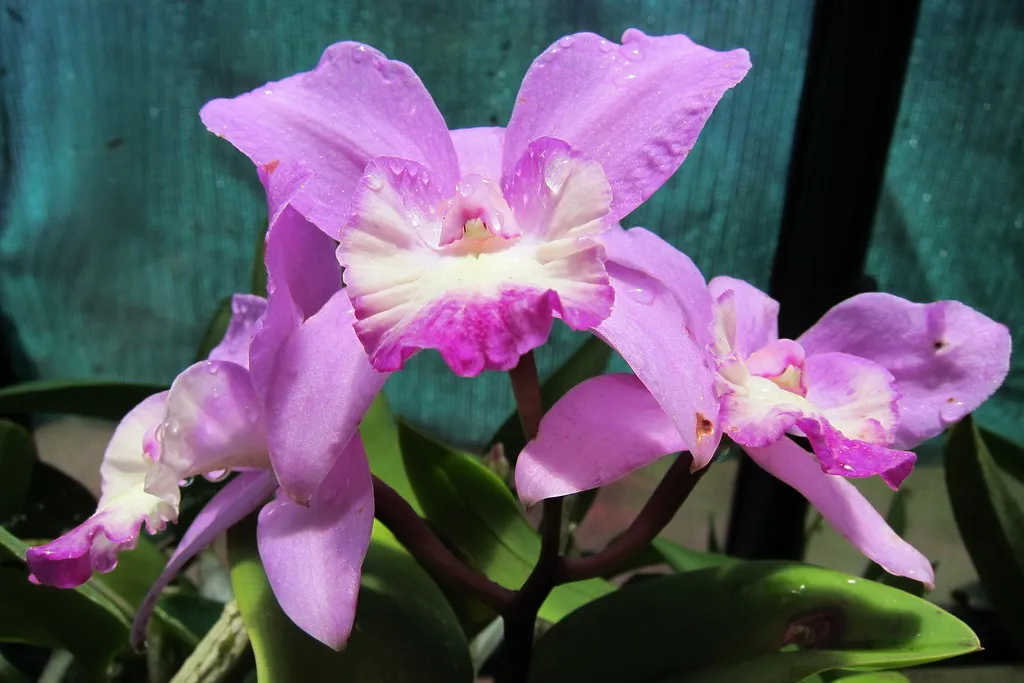
Commercial growers actually prevent orchids from blooming by keeping them at 82°F or higher around the clock, which locks the plant in vegetative growth mode. This is deliberate. Growers want plants to bulk up and develop more leaves before triggering a bloom cycle, because a larger plant can support a more impressive flower spike.
In one study, none of the Phalaenopsis plants spiked while being exposed to a constant 86°F for 27 weeks. Once the plants have reached the right size, growers then reduce temperatures to trigger synchronized flowering across entire production batches. Some Phalaenopsis varieties spike one to two weeks faster at a 77°F day and 68°F night than under cooler conditions, meaning there is no need to use extremely low temperatures at increased cost.
Why Modern Homes Make Reblooming Harder
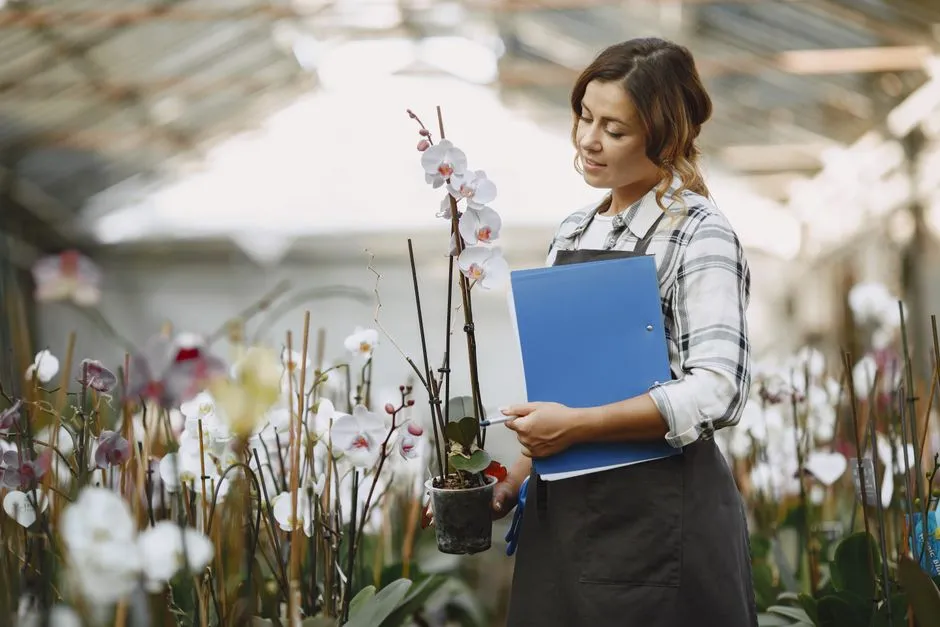
The most common cause of rebloom failure is that the house is simply too warm at night. Modern homes maintained at a constant 22 to 24°C year-round give orchids no seasonal signal. Central heating has effectively eliminated the temperature variation that orchids evolved to rely on. The plants are comfortable, but they’re not receiving the cue they need.
A spot that feels cool near a window may still only be dropping to 20°C at night, which is not nearly cold enough. This gap between perception and reality catches many growers off guard. Using a minimum and maximum thermometer to actually measure overnight temperatures where the orchid is sitting is one of the most practical steps a home grower can take.
Practical Ways to Create the Temperature Drop
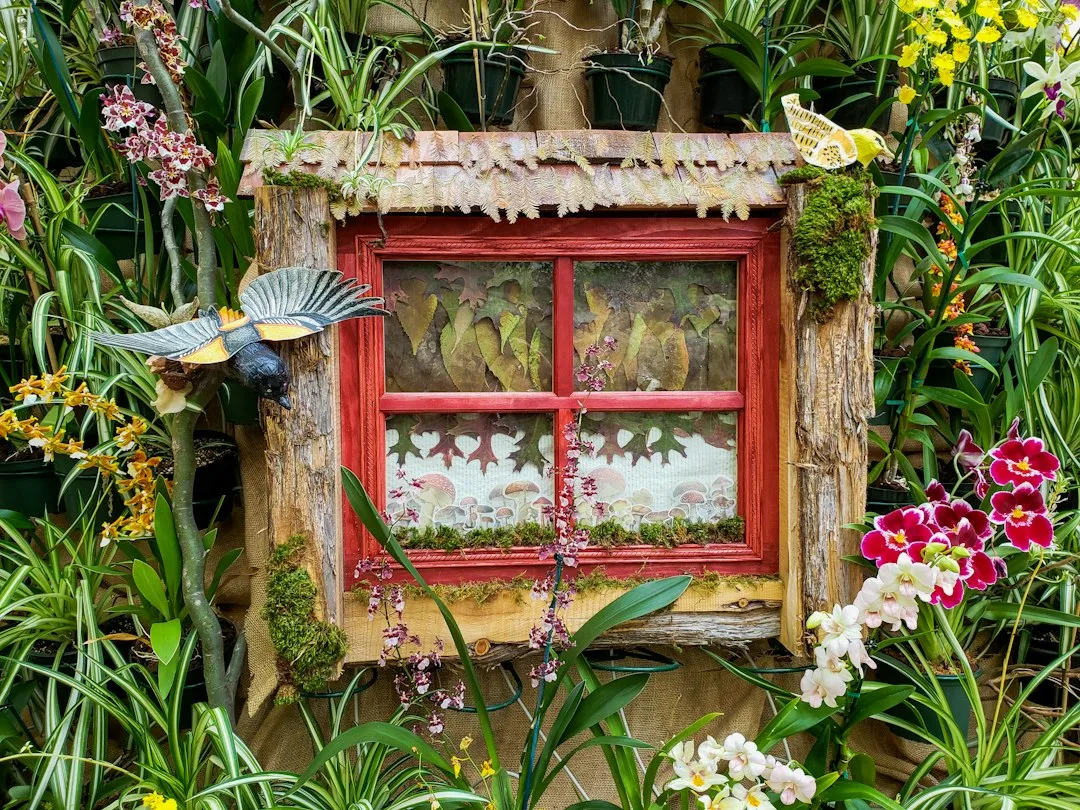
For most home growers, the easiest way to provide this temperature swing is to place orchids near a window in early fall, when nighttime temperatures naturally dip. Glass conducts outdoor cold efficiently, and even a heated room will register several degrees cooler right against a window once temperatures outside fall. Early autumn is the ideal time to start this process.
If your home stays warm year-round, even setting the thermostat back at night or placing orchids in an unheated room can be enough. An unheated spare bedroom, a cool enclosed porch, or even a basement with some natural light can serve the purpose. The key is consistency over several weeks, not a single dramatic temperature event.
The Role of Light Alongside Temperature
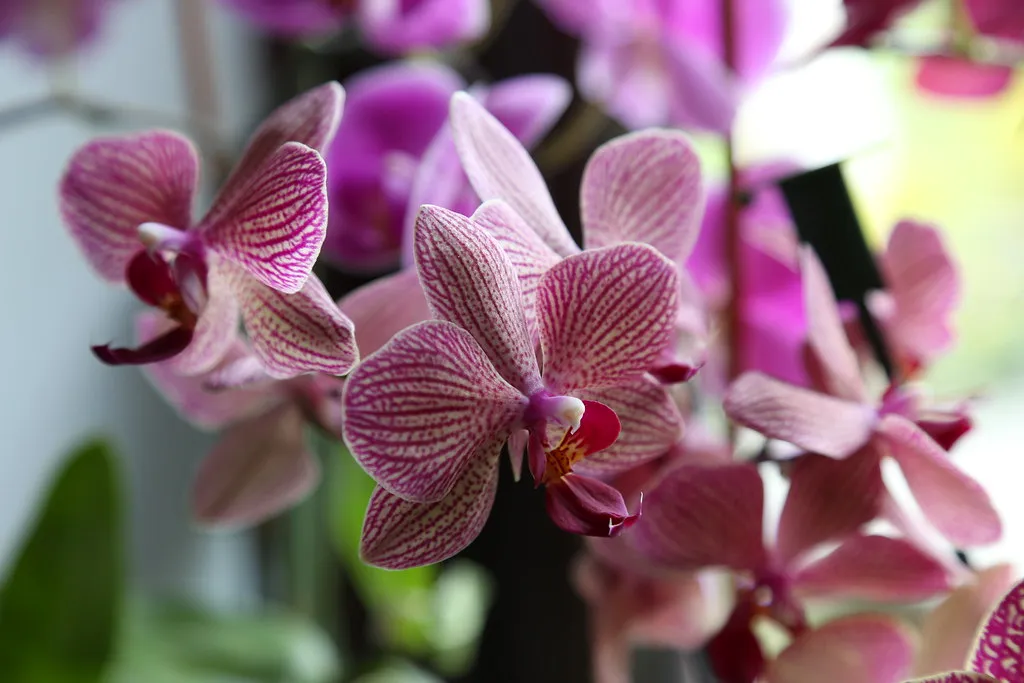
The University of Maryland Extension is clear that insufficient light is the most common reason a Phalaenopsis fails to rebloom. Temperature gets most of the attention in orchid advice, but light is an equally necessary partner. A cool, dark spot will not produce flowers either.
Higher light intensities in the flowering phase resulted in a reduced time to visible flower spike, a higher number of flower spikes, and a higher number of flowers. So light intensity doesn’t just support the process, it actively accelerates it and improves the quality of the bloom. In a 2005 study conducted in growth chambers, Phalaenopsis species all spiked under a 14-hour period at 77°F day and 68°F night conditions.
Different Orchids, Different Temperature Needs
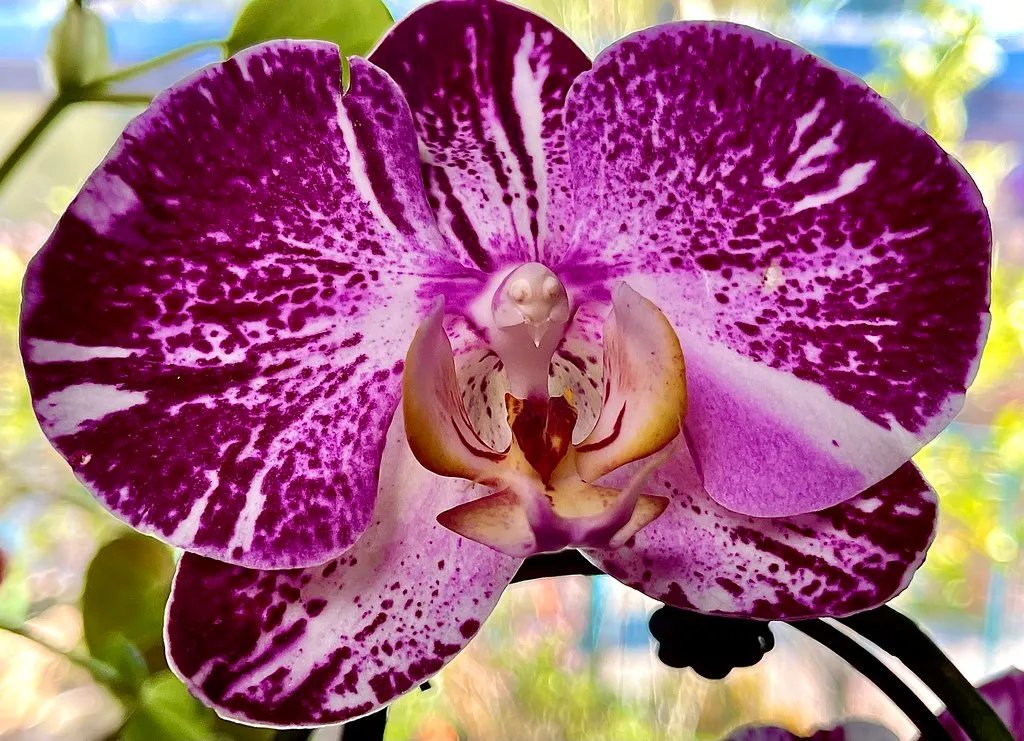
Certain Dendrobium require a dormant period involving reduced water, fertilizer, and temperature before they flower. Other orchids, such as Cymbidium, need a substantial drop in temperature to induce flowering. There is no single formula that covers all orchids. Getting the requirements wrong for a particular genus is a frequent source of frustration.
Cymbidiums and dendrobiums need an even larger temperature difference to trigger blooming, and they may benefit from spending late summer and early fall outdoors where nighttime temperatures can drop into the 50s. Cymbidiums require a low nighttime temperature of at least 10 to 15 degrees Celsius to start the flowering process. For growers in warm climates, this can require genuine effort to achieve indoors.
A small number of orchids, particularly some warm-growing species, will bloom on a consistent 12-hour light cycle without temperature variation, but these are the exception rather than the rule. Knowing which category your orchid falls into saves a lot of wasted effort.
When the Temperature Drop Doesn’t Work
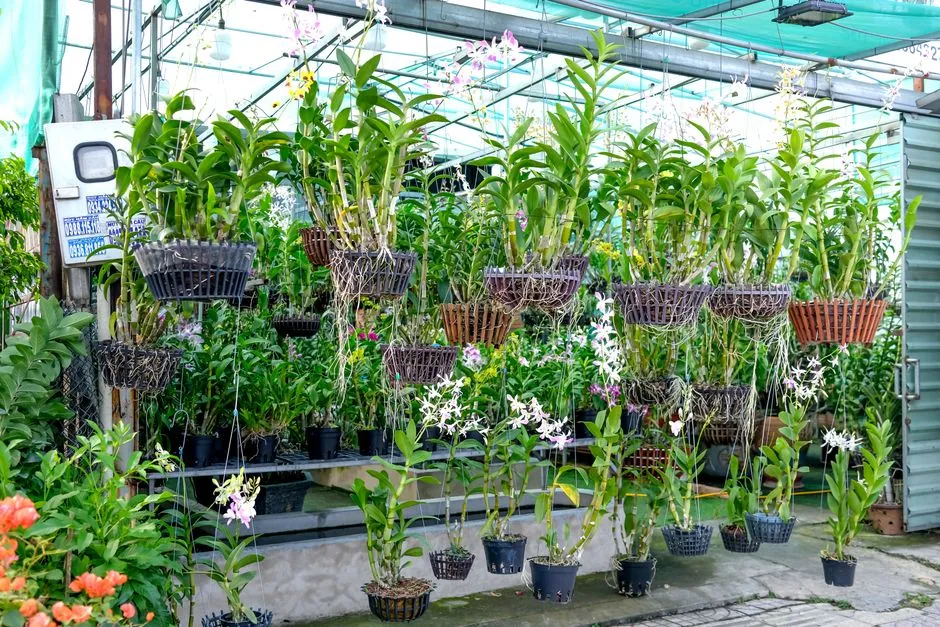
The most common reason a temperature drop fails to trigger reblooming is that the temperature drop wasn’t sustained long enough or wasn’t cool enough. Many growers give up after two weeks near a cold window, not realizing that the threshold period for spike initiation can extend to six weeks or more. Patience is genuinely part of the method.
High temperature stress prior to the induction phase delays flowering initiation and flower spike development in Phalaenopsis. If the plant spent the summer in a very hot location, it may take longer to respond to cooling than a plant that was kept at moderate temperatures throughout. The growing history of the plant shapes how quickly it responds.
Growers also routinely use a nitrogen reduction approach in the weeks before and during temperature treatment, reducing or eliminating nitrogen inputs to prevent vegetative dominance. This, combined with the temperature differential, has been shown to increase spike initiation rates by roughly 40 to 60 percent compared to continuous fertilization protocols in controlled trials. The temperature drop works best as part of a broader shift in care, not as an isolated intervention.
The Takeaway
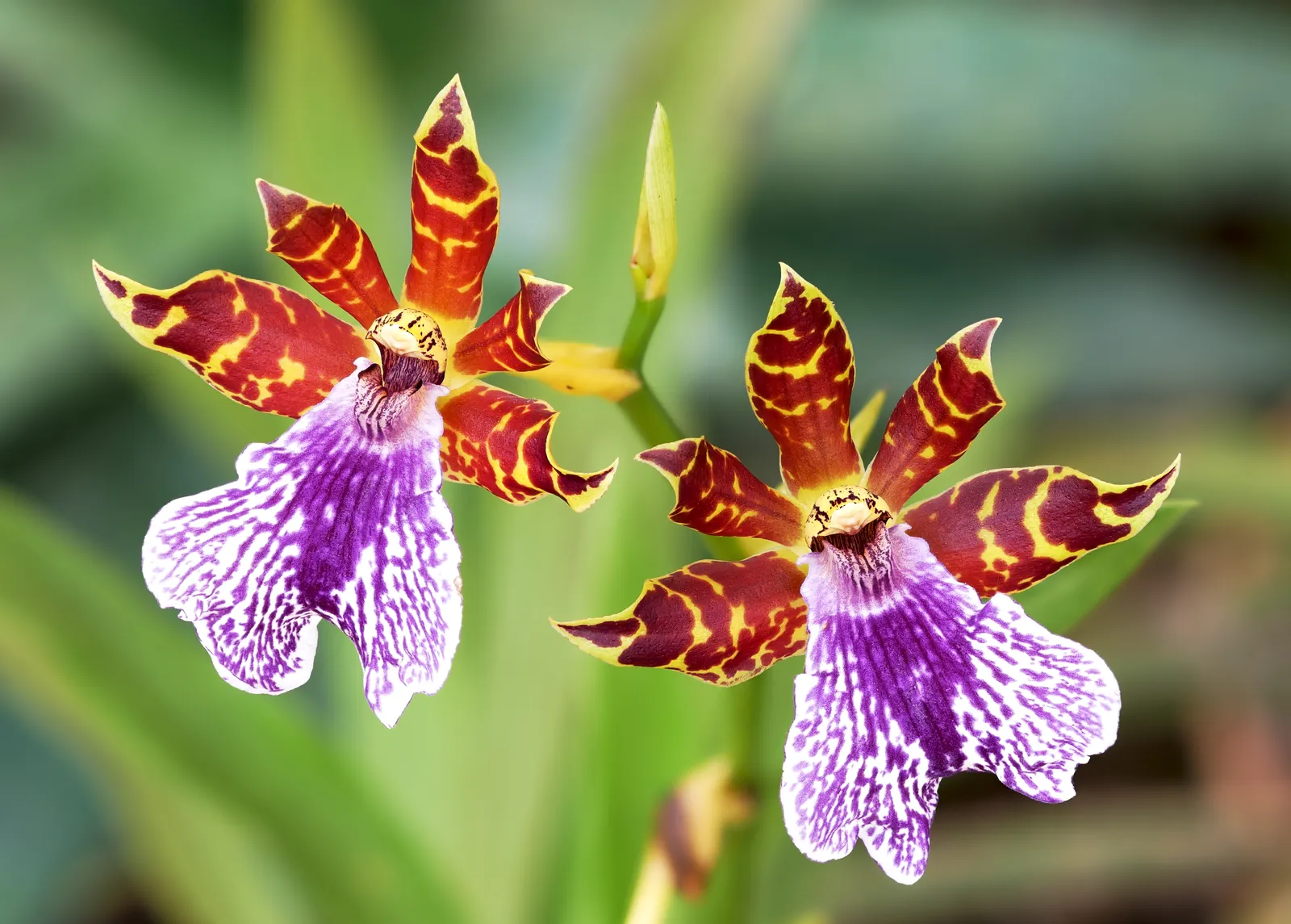
The relationship between cool nights and orchid reblooming is not folk wisdom. It’s a well-documented physiological response rooted in how these plants evolved across seasonally variable environments. The temperature drop is a signal, and the plant is listening for it.
What makes this particularly interesting is the nuance involved. It’s not just about cold nights; daytime temperatures, light levels, fertilization habits, and the duration of the cool period all interact. Give each plant the temperature drop it needs, enough light and water to support flowering, and the patience to let it rest, and you’ll rarely look at an empty windowsill. That’s not a promise of instant results, but it is an accurate description of what the science actually supports.
AI Disclaimer: This article was created with the assistance of AI tools and reviewed by a human editor.