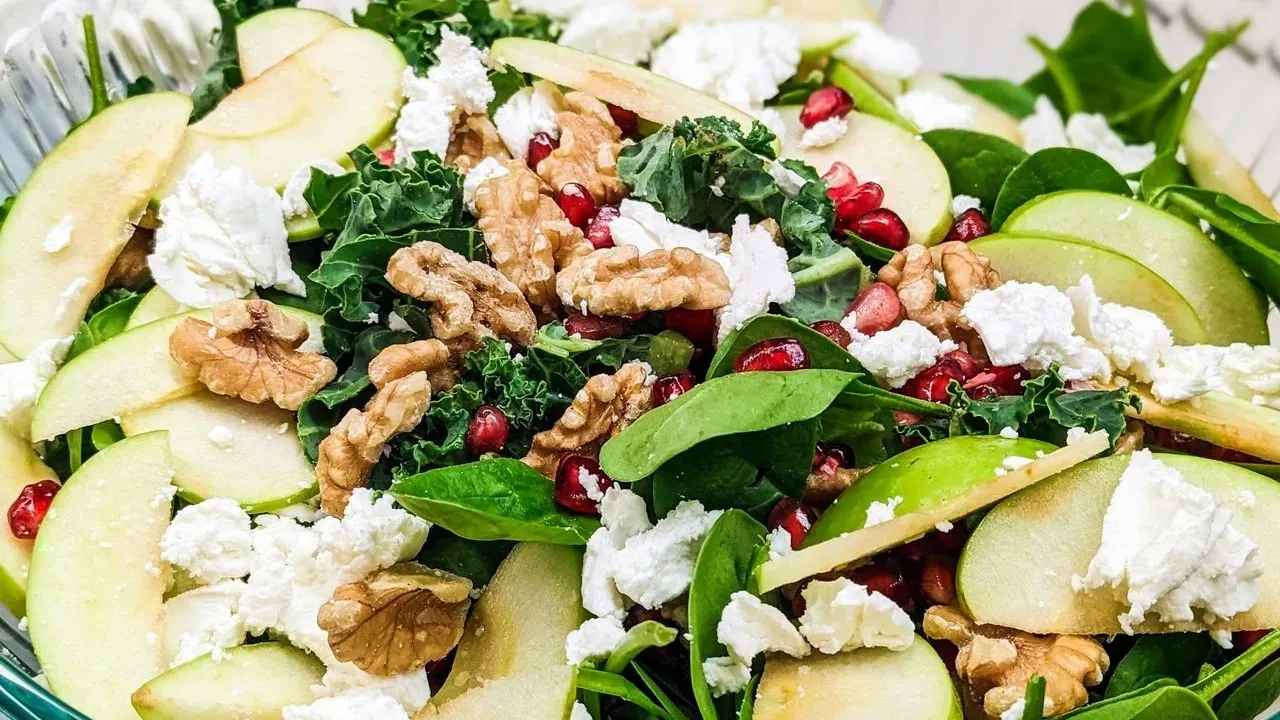

As November settles in, kitchens across the country are turning to orchard fruit in unexpected ways. Apples and pears, long associated with pies and crisps, are finding their way into savory preparations that highlight their natural sweetness against salty, tangy, and herbal notes. This shift marks what some cooks are calling savory fruit season, a brief window when harvest produce lends itself to salads and baked dishes that feel both fresh and substantial.
Why Savory Fruit Resonates Now
The timing aligns with peak apple and pear availability in many regions. Cooler weather encourages heartier meals, yet the lingering brightness of late-season fruit offers a welcome contrast to richer ingredients. Cooks are discovering that a crisp apple slice or a ripe pear wedge can cut through cheese, nuts, and greens without overpowering them. The result is a lighter approach to fall cooking that still satisfies. This approach also reduces waste. Fruit that might otherwise soften before it reaches dessert status can be incorporated into everyday lunches or weeknight dinners. The practice draws on longstanding traditions in European and Middle Eastern cuisines, where fruit and savory elements have long shared the plate, now gaining renewed attention in American home cooking.
Apple Salads That Define the Season
Apple salads have emerged as a straightforward entry point. Thinly sliced apples pair naturally with bitter greens, toasted nuts, and sharp cheeses. A simple vinaigrette made with cider vinegar or mustard ties the components together while letting the fruit’s acidity shine. Variations often include celery for crunch or dried cranberries for added chew, creating a dish that feels both familiar and updated. These salads travel well for lunches or potlucks and require little advance preparation beyond slicing the fruit at the last moment. The balance of sweet, tart, and savory elements makes them versatile enough to accompany roasted meats or stand alone as a light main course. Many home cooks report returning to the same basic formula week after week because it accommodates whatever greens and cheeses are already on hand.
The Cheesy Pear Galette as a Showpiece
For something more composed, a cheesy pear galette offers a rustic yet elegant option. Ripe pears are arranged over a layer of creamy cheese, often goat cheese or a mild blue, then folded into a free-form crust. The baking process softens the fruit while the cheese melts into a savory base that offsets the pear’s sweetness. A scattering of thyme or cracked black pepper adds depth without complicating the assembly. The galette bakes quickly and requires no special equipment beyond a sheet pan. It can be served warm or at room temperature, making it suitable for both casual gatherings and more formal meals. Leftovers, if any remain, reheat nicely and retain their texture better than many fruit desserts. The dish captures the essence of savory fruit season in a single, shareable form.
Putting the Trend Into Practice
Home cooks experimenting with these ideas often start small, adding a few slices of apple to an existing salad recipe or testing a simple galette dough. The learning curve is gentle because the fruit itself carries much of the flavor. Success depends more on choosing fruit at the right stage of ripeness than on precise measurements. As the season progresses, these preparations are likely to appear on more tables. They offer a practical way to celebrate the harvest while moving beyond the expected sweet applications. For those seeking variety in November menus, apple salads and a cheesy pear galette provide an inviting starting point that feels both timely and timeless.
AI Disclaimer: This article was created with the assistance of AI tools and reviewed by a human editor.