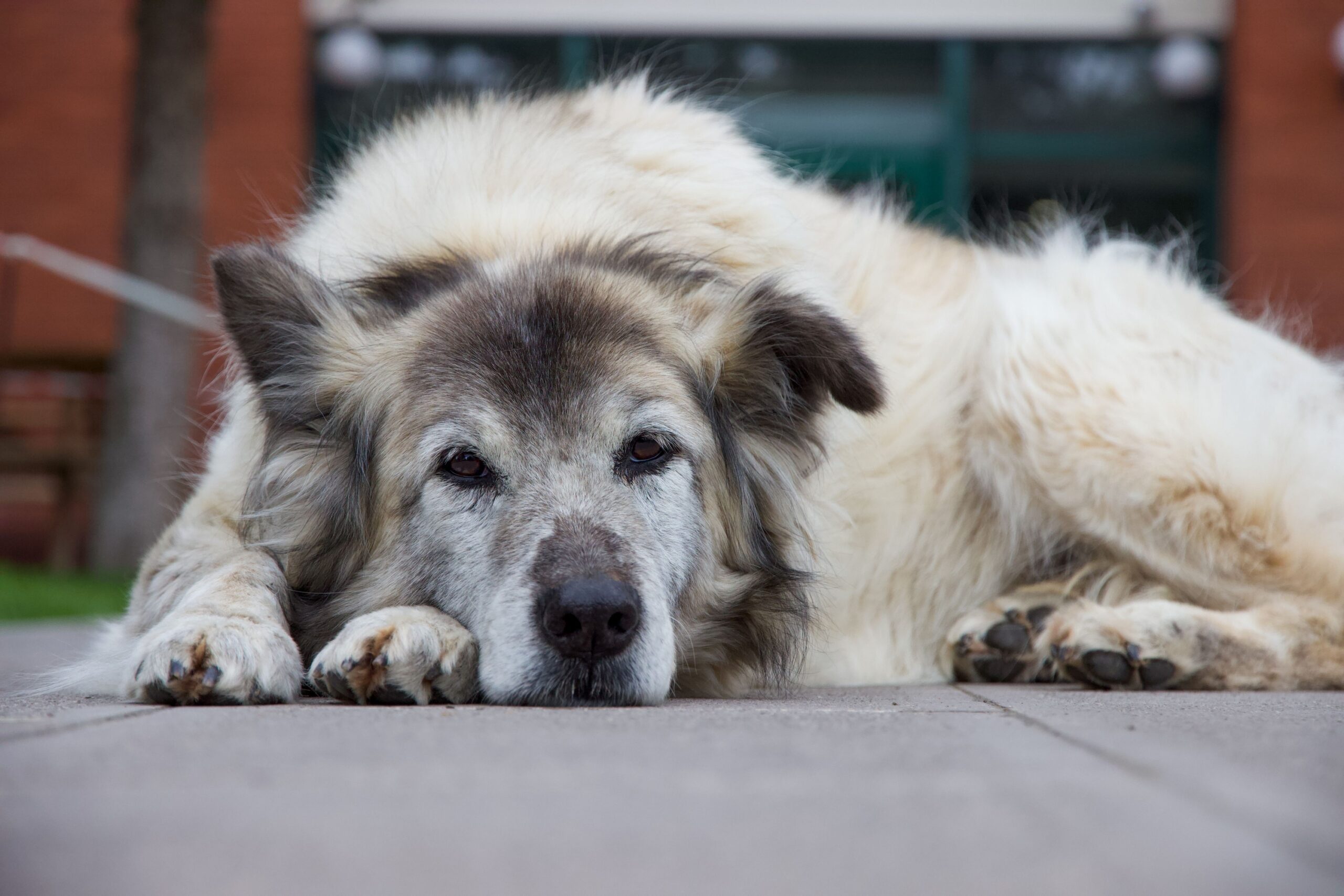

Most dog owners have been there: it’s after eight o’clock, the house is winding down, and your senior dog is suddenly walking in circles, unable to settle. During the day, he seemed perfectly calm. Now, he’s pacing from room to room as if he’s forgotten where he was going. It’s disorienting to watch, and exhausting to live with night after night.
Evening pacing in older dogs is not simply “being old.” It almost always has a specific cause, and many of those causes are treatable. Understanding what’s driving the behavior is the first step toward helping your dog – and getting your household some sleep.
The Scale of the Problem Is Larger Than Most People Realize

Veterinary literature estimates the prevalence of canine cognitive dysfunction ranging from roughly fourteen to thirty-five percent among dogs older than eight, with rates increasing considerably in advanced age. In one study, twenty-eight percent of owners of dogs aged eleven to twelve reported at least one sign of cognitive decline, rising to sixty-eight percent for dogs aged fifteen to sixteen.
Equally striking is how many cases go undiagnosed. In a group of dogs at least eight years of age, the incidence of cognitive dysfunction is expected to be around fourteen percent, yet less than two percent have actually been diagnosed with the condition. That gap tells you something important: a lot of families are watching their dogs pace in the evening and chalking it up to old age, without realizing a treatable condition may be at the root of it.
Canine Cognitive Dysfunction: The Closest Thing Dogs Have to Alzheimer’s
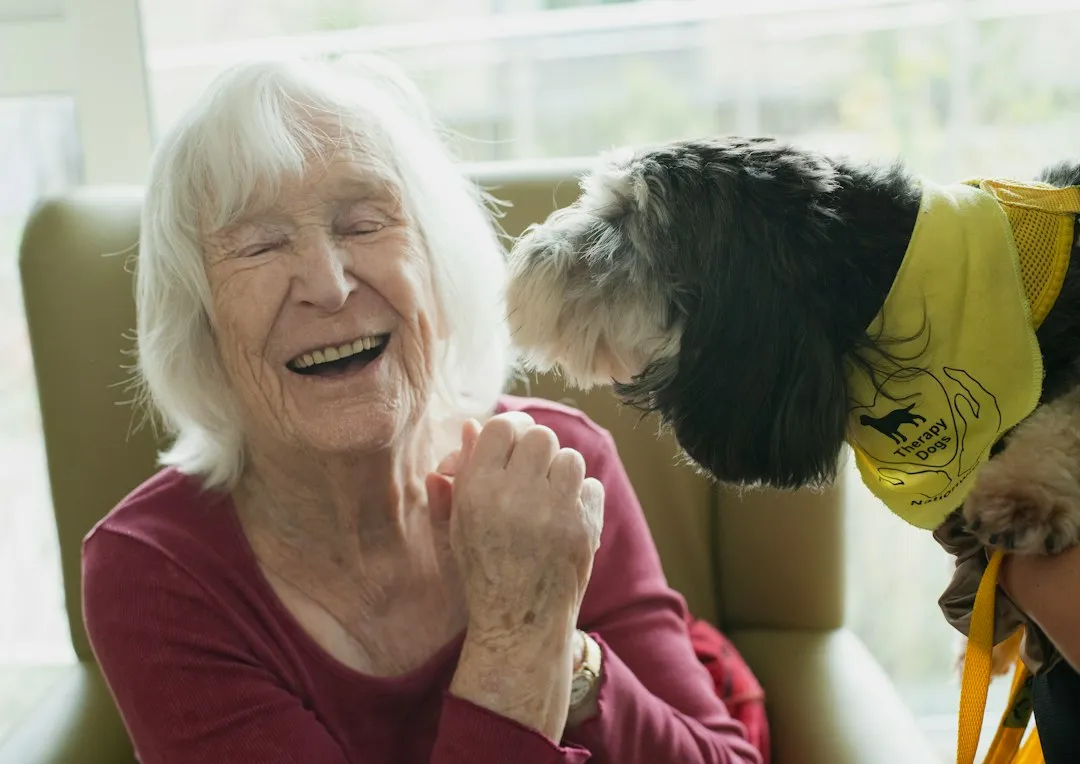
Canine cognitive dysfunction, also known as canine cognitive dysfunction syndrome, refers to a degenerative disease process occurring in the aging canine brain. The clinical and histological presentation is similar to human Alzheimer’s disease, and as with humans, canine cognitive function declines throughout the course of a dog’s lifespan.
The prevalence of the syndrome increases with age, affecting fourteen to thirty-five percent of dogs over eight years and up to seventy percent beyond fifteen years. In the Dog Aging Project, a study of more than fifteen thousand dogs, the odds of cognitive dysfunction rose fifty-two percent with each additional year of age. Those are significant numbers for anyone with a senior dog showing changes in behavior.
Sundowning: When Confusion Peaks as the Light Fades
Sundowning, the worsening of confusion and anxiety in the late afternoon and evening, occurs in both human dementia and canine cognitive dysfunction. Sundowning is the name for a senior dog whose confusion gets worse as the light fades. Settled all day, then pacing, panting, and circling from about eight o’clock. It’s the evening pattern of canine cognitive dysfunction, and it’s the part that wears families down fastest, because it happens when everyone is trying to sleep.
Daytime sleeping and nighttime restlessness are the most common signs of cognitive dysfunction in dogs. One long-term study of affected dogs found it was the single most reported sign, in more than half of affected animals. At night, symptoms often intensify, with dogs pacing in circles or back and forth, vocalizing with monotone barking or howling, becoming disoriented and getting stuck in corners or behind furniture, or showing anxiety with panting and an inability to settle.
Arthritis Pain: The Quiet Culprit That Shows Up After Dark
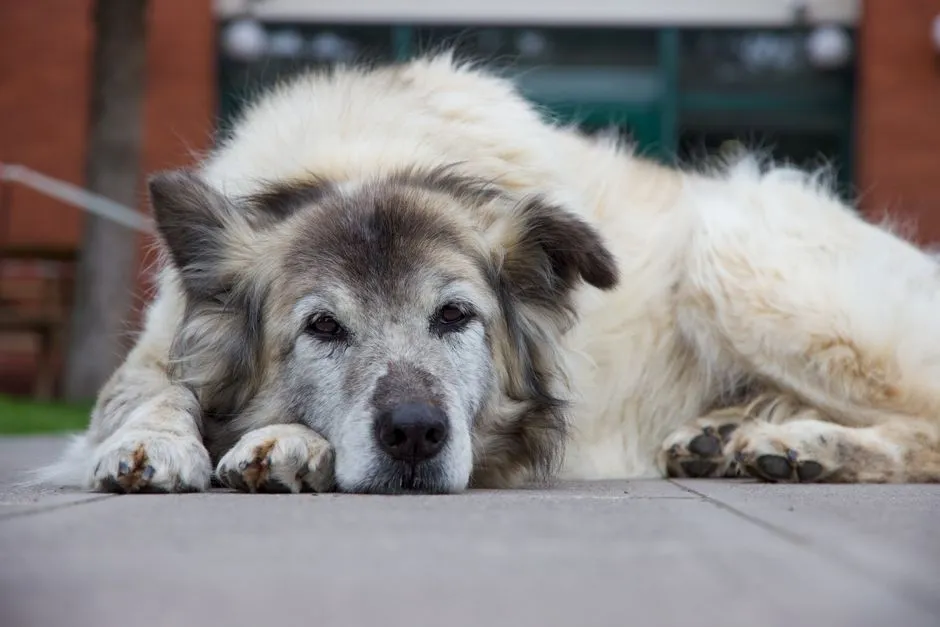
Arthritis is the classic quiet culprit in older dogs, and night is when it shows, after a day’s activity stiffens the joints. Pain peaks at night when a dog lies still for extended periods, causing stiffness and discomfort that drives pacing and position-shifting. This is why a dog can seem reasonably comfortable in the afternoon and fall apart by evening.
In senior dogs, pain and anxiety frequently co-exist and reinforce each other. A dog who starts out with arthritis pain may develop anxiety-driven sleep disruption on top of it, and by the time the pacing is noticeable at night, it can be genuinely hard to tell where one ends and the other begins. Many senior dogs have both conditions, and treating the pain often improves dementia symptoms as well.
Vision and Hearing Loss: Disorientation After Dark

Senior dogs commonly lose vision and hearing gradually. Dogs that cannot see or hear well in low light become disoriented at night, leading to pacing and anxiety. This is distinct from cognitive dysfunction in an important way: the dog’s brain may be functioning reasonably well, but the reduced sensory input at night leaves it unable to orient properly.
Vision loss is one of the common reasons senior dogs pace and become restless at night, alongside cognitive dysfunction, pain, and stress. For anxious older dogs who may also be coping with impaired hearing or vision, regular exercise is a critical part of maintaining stability. Nightlights in key areas of the home can make a noticeable difference for dogs with deteriorating eyesight.
Underlying Medical Conditions That Mimic Cognitive Decline
Not every senior dog pacing at night has dementia. Similar signs can be caused by arthritis pain that worsens at night, urinary tract infections leading to frequent urges to urinate, or hypertension causing restlessness and anxiety. This is a crucial distinction, because each of those conditions has its own treatment path.
Cushing’s disease is a hormonal condition of middle-aged and older dogs that vets check for when pacing comes alongside other signs: drinking and urinating much more, a pot-bellied look, hair thinning, constant hunger, and panting. Less common but important causes include heart disease, respiratory distress, metabolic conditions, and side effects from medications such as steroids. A proper veterinary workup, including bloodwork, is the only reliable way to separate these possibilities.
The Sleep-Wake Cycle: When the Body Clock Stops Working Properly
Aging affects melatonin and the body’s other sleep signals, the cues that tell a dog that it is night. In senior dogs, nighttime pacing can occur alongside changes in the sleep-wake cycle associated with cognitive dysfunction. A recent review of lifestyle and aging research noted that reduced daytime activity and increased nighttime pacing have been associated with cognitive decline in senior dogs.
Aging dogs can experience changes in brain function comparable to dementia in people, and cognitive dysfunction syndrome is a common concern for senior dogs that can cause unusual behaviors like restlessness and pacing. When the internal clock stops signaling clearly that night means rest, the result is a dog who sleeps too much during the day and simply cannot settle after dark.
Anxiety and Stress as Evening Triggers

Sometimes the cause of pacing in an otherwise healthy senior dog is stress, such as a new home, a new baby or puppy in the house, a major change in routine, or extreme noise sensitivity. Older dogs are more vulnerable to being frightened or unsettled by environmental changes that a younger dog might take in stride. The evening, when household activity drops and familiar noise levels change, can amplify that vulnerability.
Anxiety-driven pacing often has a trigger you can identify: a thunderstorm, a houseguest, separation from an owner, or even a new piece of furniture. Dogs with anxiety frequently shadow their owners more closely than before. Research into repetitive canine behavior suggests that behaviors such as pacing can be associated with stress and frustration and, when severe, may become increasingly difficult to interrupt.
Physical Activity Levels and Cognitive Risk
In the Dog Aging Project, the odds of cognitive dysfunction rose fifty-two percent with each additional year of age. Dogs that were not active had six and a half times the odds of very active dogs, though the researchers note that dementia itself can make dogs less active. The direction of that relationship isn’t entirely settled, but the association is strong enough that keeping senior dogs moving during the day remains a consistent recommendation from veterinarians.
In cases where pacing is related to cognitive dysfunction or neurological issues, dogs may exhibit changes in their sleep patterns. Ensuring a dog receives adequate physical and mental exercise is important for reducing boredom-related pacing. Even short, gentle walks in the late afternoon can help reset energy levels before the evening begins.
What Veterinary Treatment Actually Looks Like
Selegiline, sold under the brand name Anipryl, addresses the cognitive decline itself and is the only drug ever approved for canine cognitive dysfunction in dogs. Melatonin is also commonly used to help senior dogs settle at night, as sleep and melatonin signaling change with age. Both require veterinary guidance to dose safely and effectively.
Trazodone or gabapentin can be prescribed for night-time agitation and anxiety, rather than the dementia itself, and gabapentin also helps arthritis pain. Specialized diets such as Purina NeuroCare or Hill’s b/d, which contain MCT oils and antioxidants, have shown evidence of slowing cognitive decline over eight weeks to eight months. The best outcomes tend to come from combining environmental changes with targeted medication, rather than relying on any single approach.
Practical Steps That Help at Home

Sundowning in dogs responds well to targeted interventions like consistent evening routines and pheromone diffusers. Maintaining a consistent routine, keeping lights dim at night, and playing soft music for comfort are practical measures that support a more settled evening for affected dogs. Small environmental adjustments can reduce the sensory confusion that tends to peak when daylight fades.
Establishing a strict routine, using nightlights, and consulting a vet for supplements such as MCT oil and antioxidants, or sleep aids like melatonin, can help restore peace to the household. The important thing is not to assume nighttime pacing is simply old age. Many of its causes are treatable, and pain in particular is often fixable. The earlier a veterinarian is involved, the more options remain on the table.
When to See a Vet Without Delay
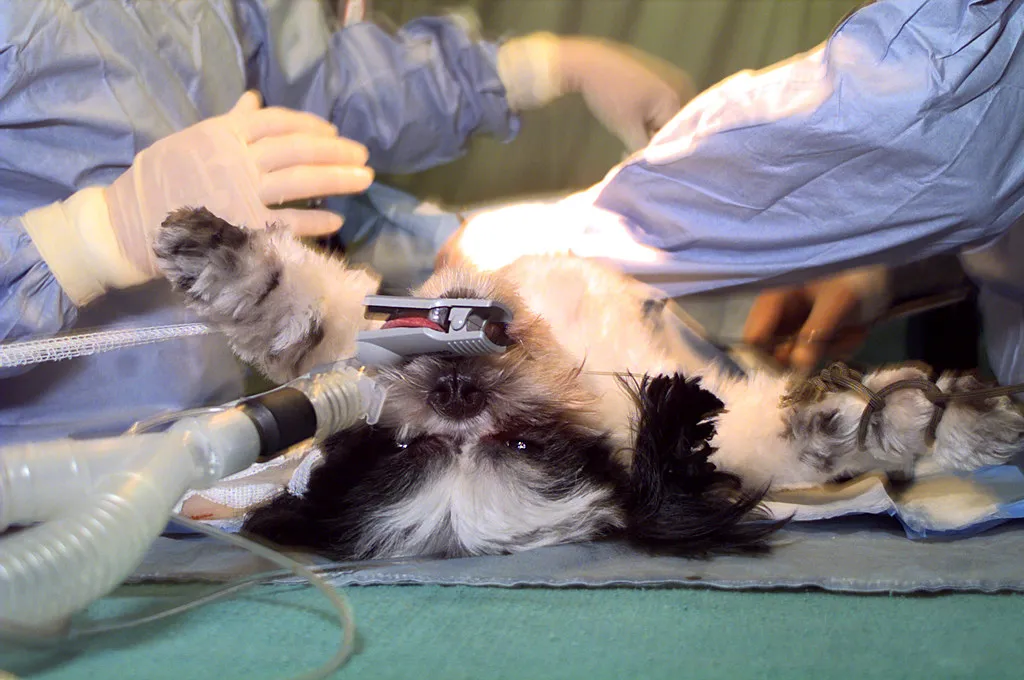
If your senior dog is pacing and restless, especially at night, it could be due to any number of issues including stress, cognitive decline, vision loss, or an underlying medical problem. Research shows that roughly half of dogs aged eleven to fourteen who show signs of impairment in one behavioral category develop impairment in two or more categories within six to eighteen months without treatment. Early diagnosis genuinely matters here.
A vet can examine for arthritis, do bloodwork, and assess cognitive signs. The disease may be underdiagnosed, as many symptoms are mistaken for normal signs of aging by pet owners. If you’ve been watching your dog pace for weeks and assuming it’s just age catching up, it’s worth having that conversation with your vet sooner rather than later.
The Takeaway
Evening pacing in older dogs is one of those behaviors that tends to creep up gradually, until one night it’s impossible to ignore. It’s rarely random, and it’s rarely untreatable. Whether the cause turns out to be cognitive dysfunction, arthritis, sensory loss, or something metabolic, the common thread is that your dog is communicating something specific through that relentless movement.
The research is clear that most of these conditions are significantly underdiagnosed, with far more dogs affected than ever receive a formal evaluation. Getting to the root cause, with a vet’s help, is almost always more productive than waiting to see if things improve on their own. Your dog’s restless evenings are a signal worth taking seriously.
AI Disclaimer: This article was created with the assistance of AI tools and reviewed by a human editor.