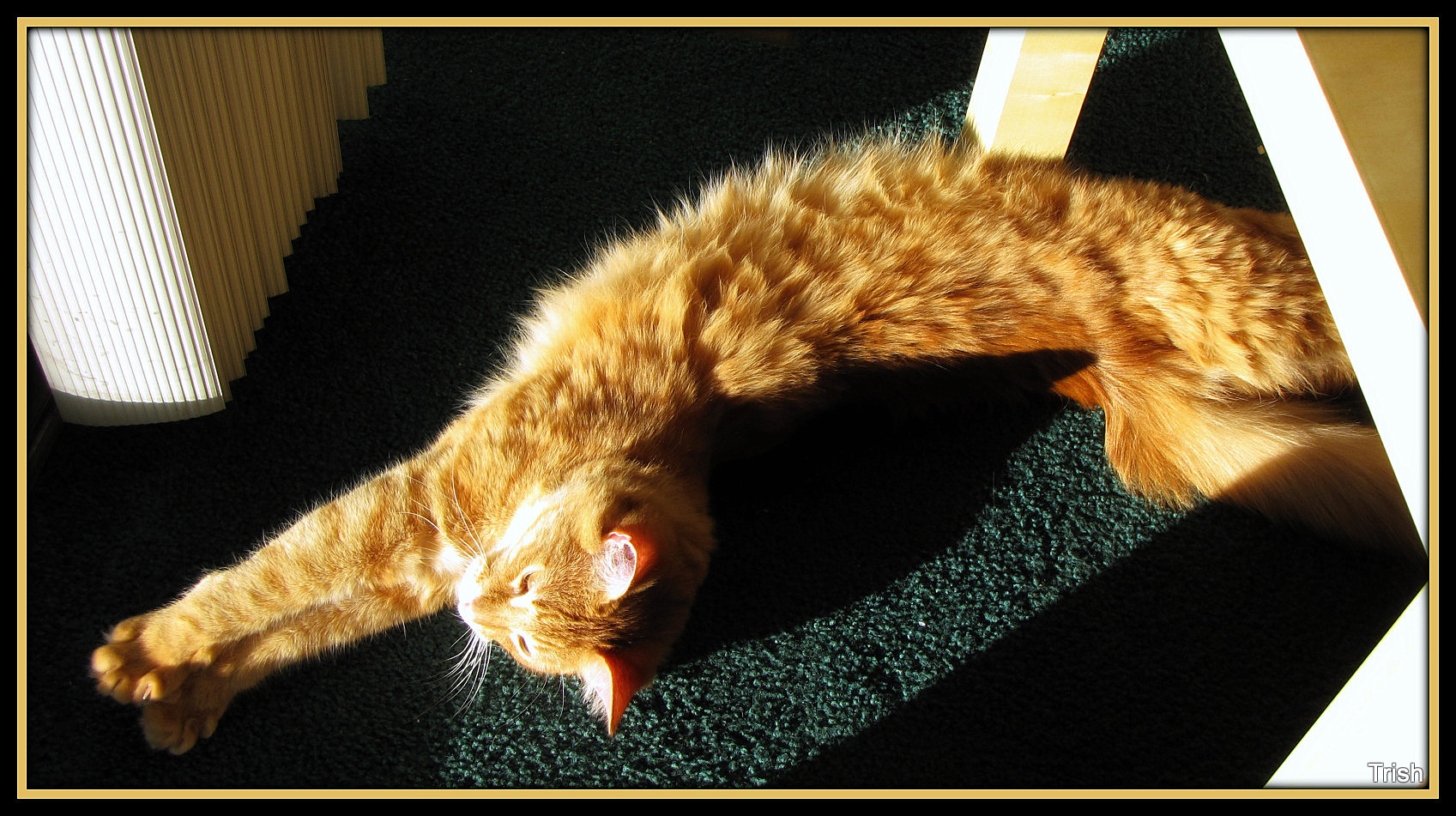

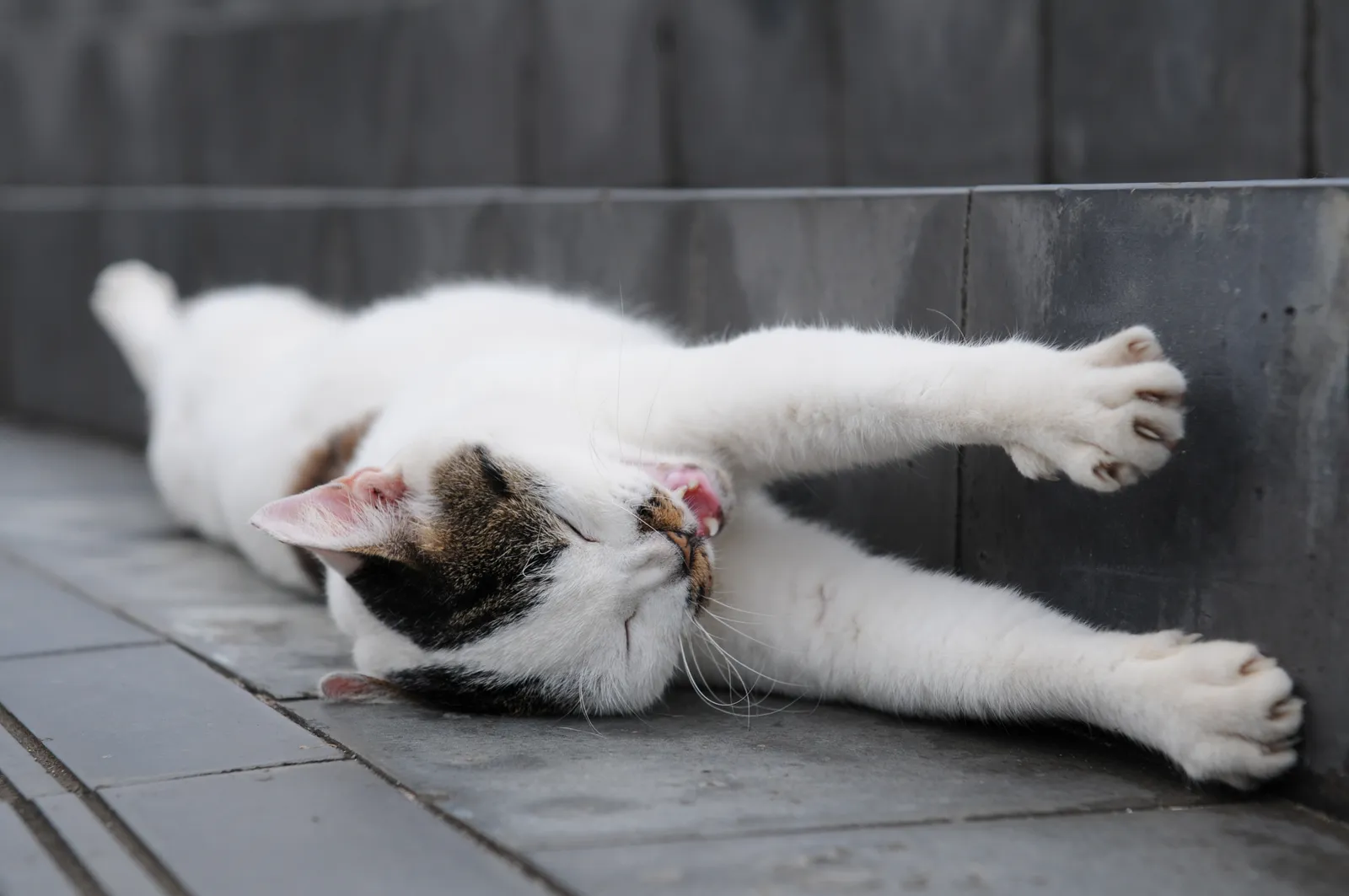
Watch a cat wake up from a nap and you’ll almost always see the same thing: a slow, dramatic full-body extension, paws stretched forward, back arched, hips pressed back, followed by a yawn. It’s one of those behaviors so ordinary it barely registers. Yet the reasons behind it are genuinely interesting, rooted in deep biology, evolutionary instinct, and the specific demands of a predator’s body.
The stretch isn’t random, and it isn’t just a quirky feline habit. It’s a precisely coordinated physical response that serves several real purposes. Here’s what science and veterinary research tell us about why cats do it every single time.
Cats Sleep a Staggering Amount, Which Makes Stretching Essential
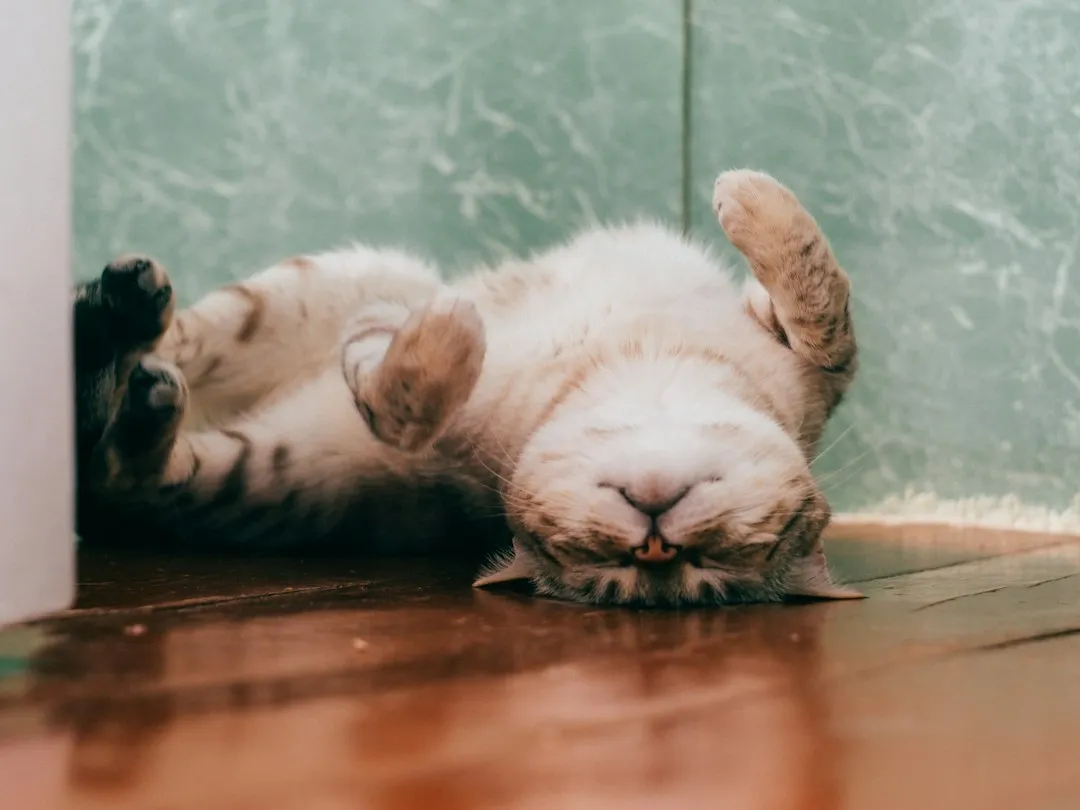
Healthy adult cats sleep anywhere between 12 to 16 hours a day, while senior cats and kittens can sleep up to 20 hours. That’s not a minor detail. It directly explains why stretching is so frequent and so necessary for them.
All that stillness causes muscles to tighten and blood flow to slow down. For an animal built to move in explosive bursts, sitting still for hours at a time creates real physiological challenges that need to be reset. Cats naturally sleep in a series of naps rather than one long stretch, which means this reset happens multiple times throughout the day.
It’s a Hardwired Biological Reflex Called Pandiculation
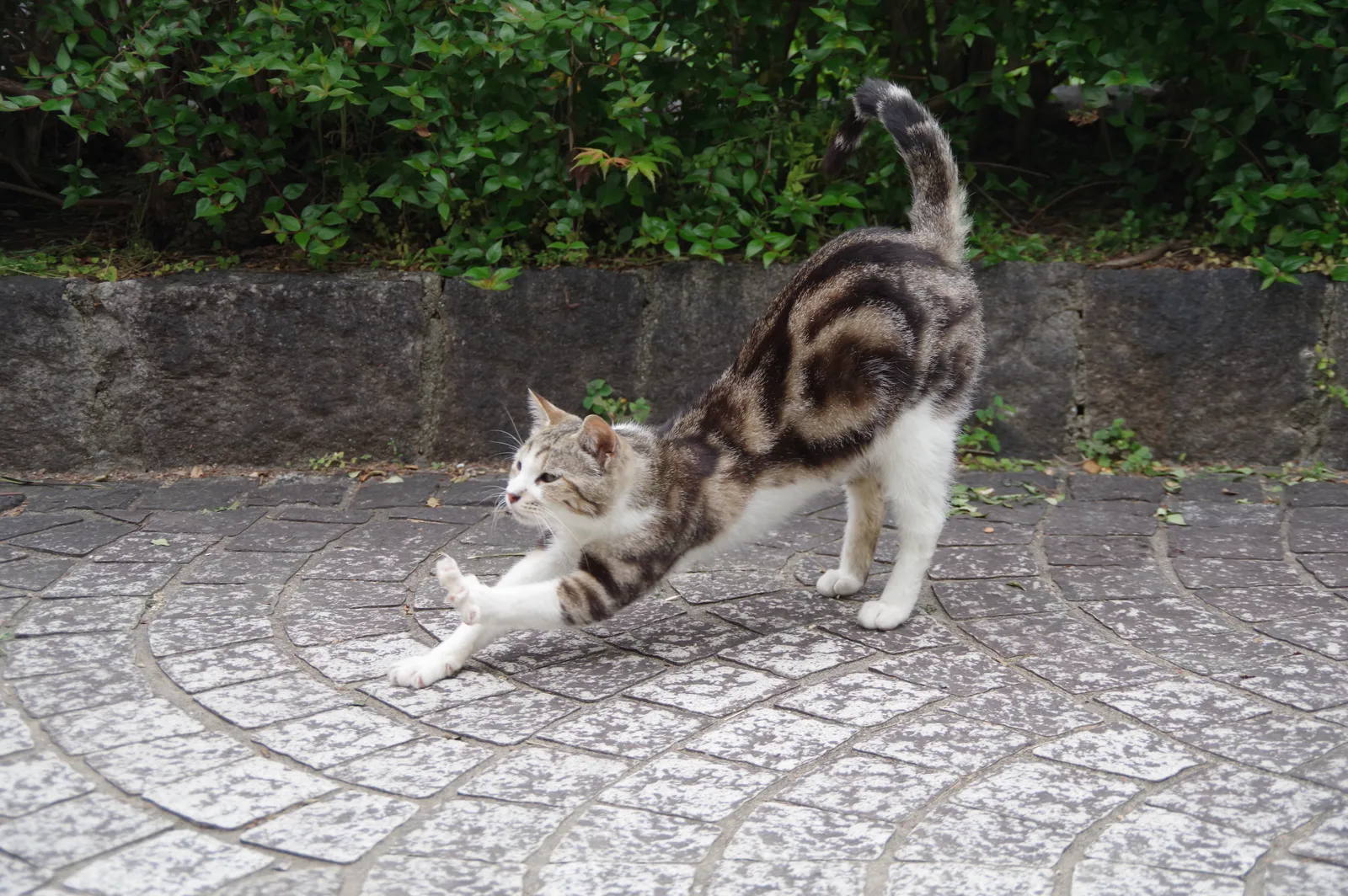
This is not a learned behavior. It is a hardwired biological reflex called pandiculation. The term is unfamiliar to most people, but the action is universal across mammals.
Pandiculation is the scientific term for the act of stretching and yawning simultaneously upon waking. Observe any cat, dog, lion, bear, or horse coming out of rest and you will see the same sequence: a slow, deliberate extension of the spine, a reach through the front legs, a press back through the hips, a yawn. This is not a habit they learned. It is a reflex encoded in the nervous system.
Muscles Need to Be Reactivated After Inactivity
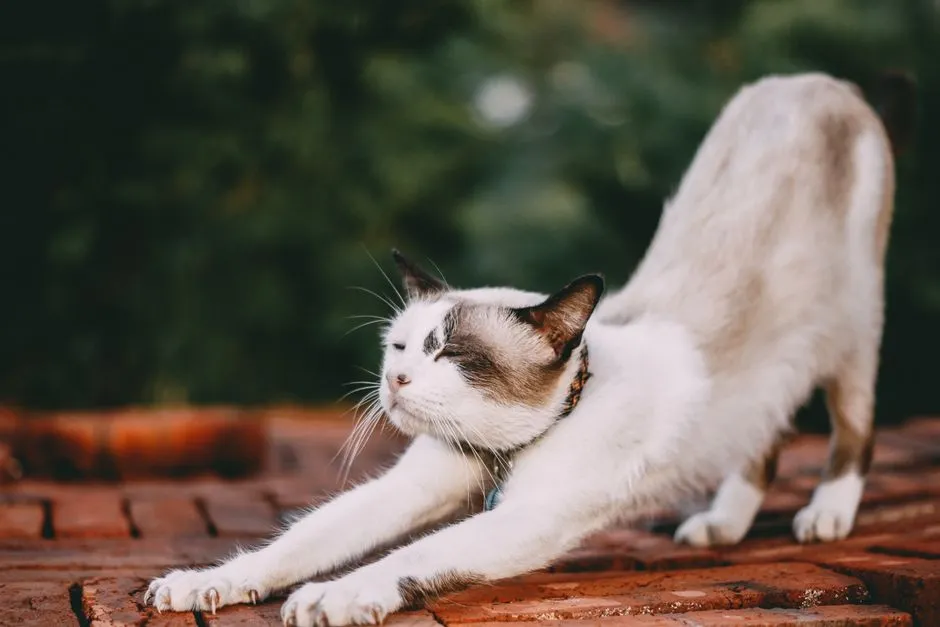
Cats stretch to get their muscles moving again after periods of inactivity, whether they’ve been sitting still or sleeping, according to Andrew Cuff, a postdoctoral researcher of anatomy at the Royal Veterinary College in London.
If you go long periods of time without stretching and moving your body, you’ll end up feeling stiff and your range of motion could become limited. The same is true for cats. Frequent stretches make muscles pliant and the joints lubricated so that they do not stiffen, which facilitates the fast, agile movements that cats are known to excel in.
Stretching Activates Deep Internal Body Sensors
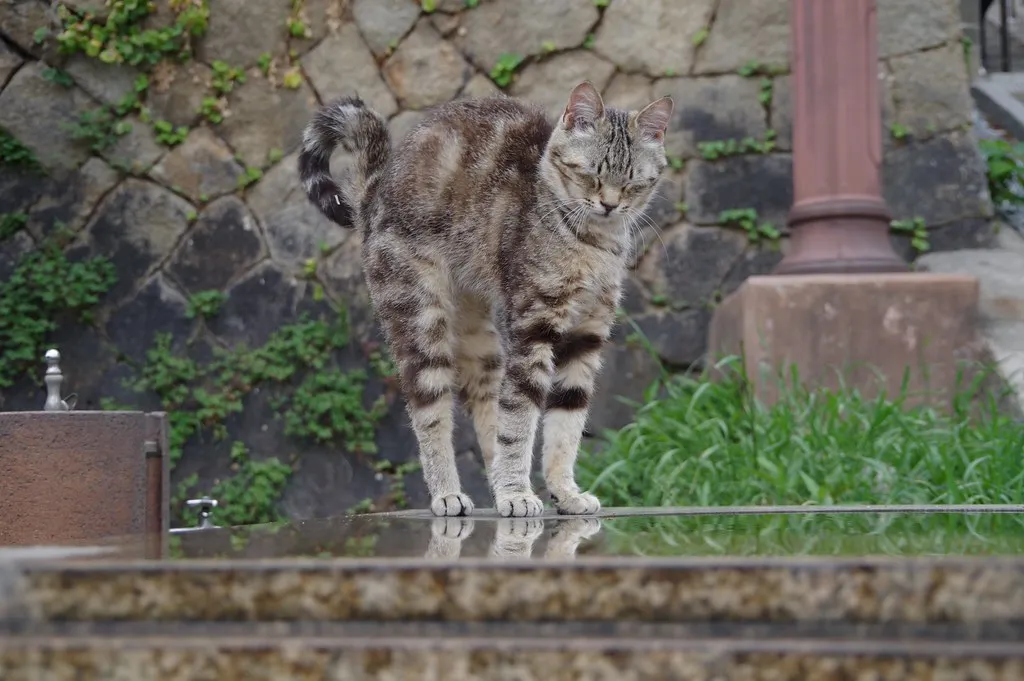
Stretching in cats activates deeply embedded body sensors: muscle spindles and Golgi tendon organs. Muscle spindles detect how much and how fast a muscle is stretched, while tendon organs monitor the tension generated during that stretch.
Research confirms that these stretch sensors in cats respond within the natural range of movement and are likely engaged during waking stretches. In a foundational study, Goslow et al. (1973) showed that stretching feline muscles activates muscle spindles and tendon organs, providing feedback essential for coordinated movement. These sensors essentially recalibrate the body’s sense of where it is in space, which is critical for precise, controlled motion.
It Increases Blood Flow and Boosts Alertness
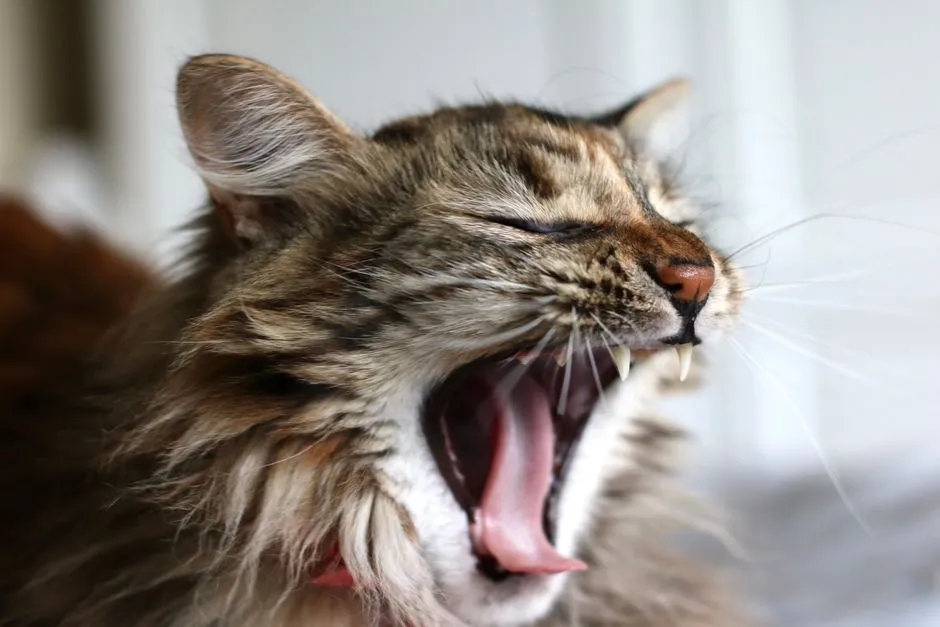
Stretching activates all of the muscles and increases blood pressure, which increases the amount of blood flowing to the muscles and also to the brain. This helps wake the cat up and make it more alert, as explained by researcher Andrew Cuff of the Royal Veterinary College.
Stretching could help boost blood flow throughout the body, which is important since cats love to spend up to 16 hours of their day asleep. Without that circulatory kick-start, a cat would transition from sleep to action in a sluggish, compromised state.
It Flushes Out Waste Products That Build Up During Sleep
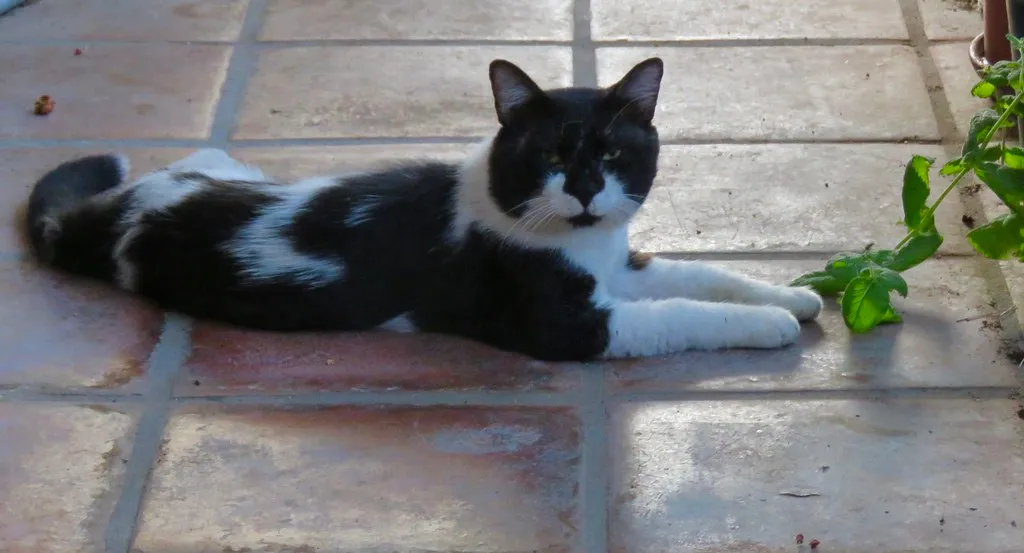
After being inactive for a while, toxins and waste, such as lactic acid and carbon dioxide, may build up within a cat’s body. The stretch is part of the mechanism that clears those byproducts out.
The increased circulation, which results from stretching, helps eliminate lactic acid and carbon dioxide buildup in the body. As the muscles start moving with each stretch, they also flush out the toxins and waste byproducts that build up during periods of inactivity. It’s a cleaning cycle as much as a warm-up.
It Keeps Them Ready to Hunt at a Moment’s Notice
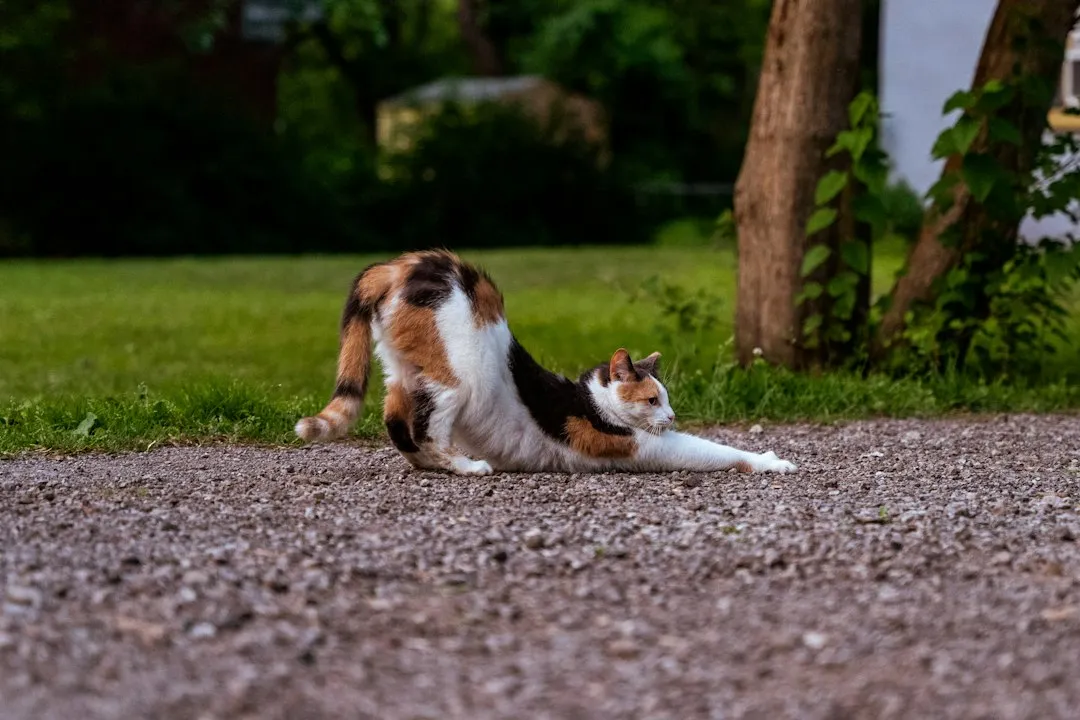
These predators are built for brief, explosive action, not sustained activity. They nap deeply, conserve energy, and awaken with one remarkably consistent behavior: a stretch. This pattern is directly tied to their nature as ambush hunters.
By moving their joints and stretching their muscles, cats keep their bodies flexible so they can jump high, tackle prey, and run with speed and agility. By keeping the muscle fibers elongated with the help of various stretches, cats can ensure that they are always ready to spring into action whenever necessary. Importantly, this stretch costs no extra energy, requires no special conditions, and uses the cat’s own anatomy: muscles, nerves, tendons, and gravity.
Stretching Releases Feel-Good Hormones
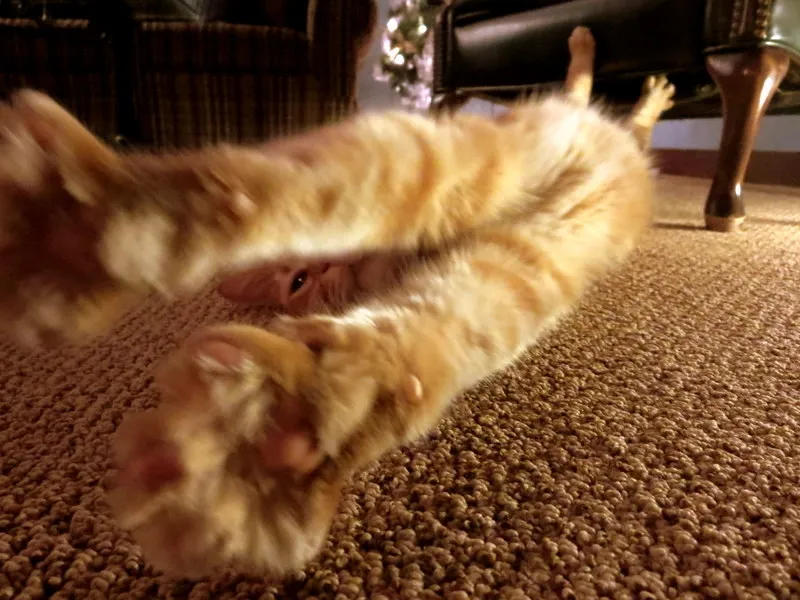
Stretching releases endorphins in cats, relieving any stress and improving their overall mood. This is part of why the post-nap stretch looks almost theatrical in its satisfaction.
Stretching stimulates the release of endorphins, the body’s natural painkillers and mood elevators. These endorphins give cats an overall sense of well-being and pleasure. That blissed-out look with half-closed eyes and fully extended paws isn’t performance. It’s a genuine biochemical response.
Stretching Doubles as a Territorial Signal
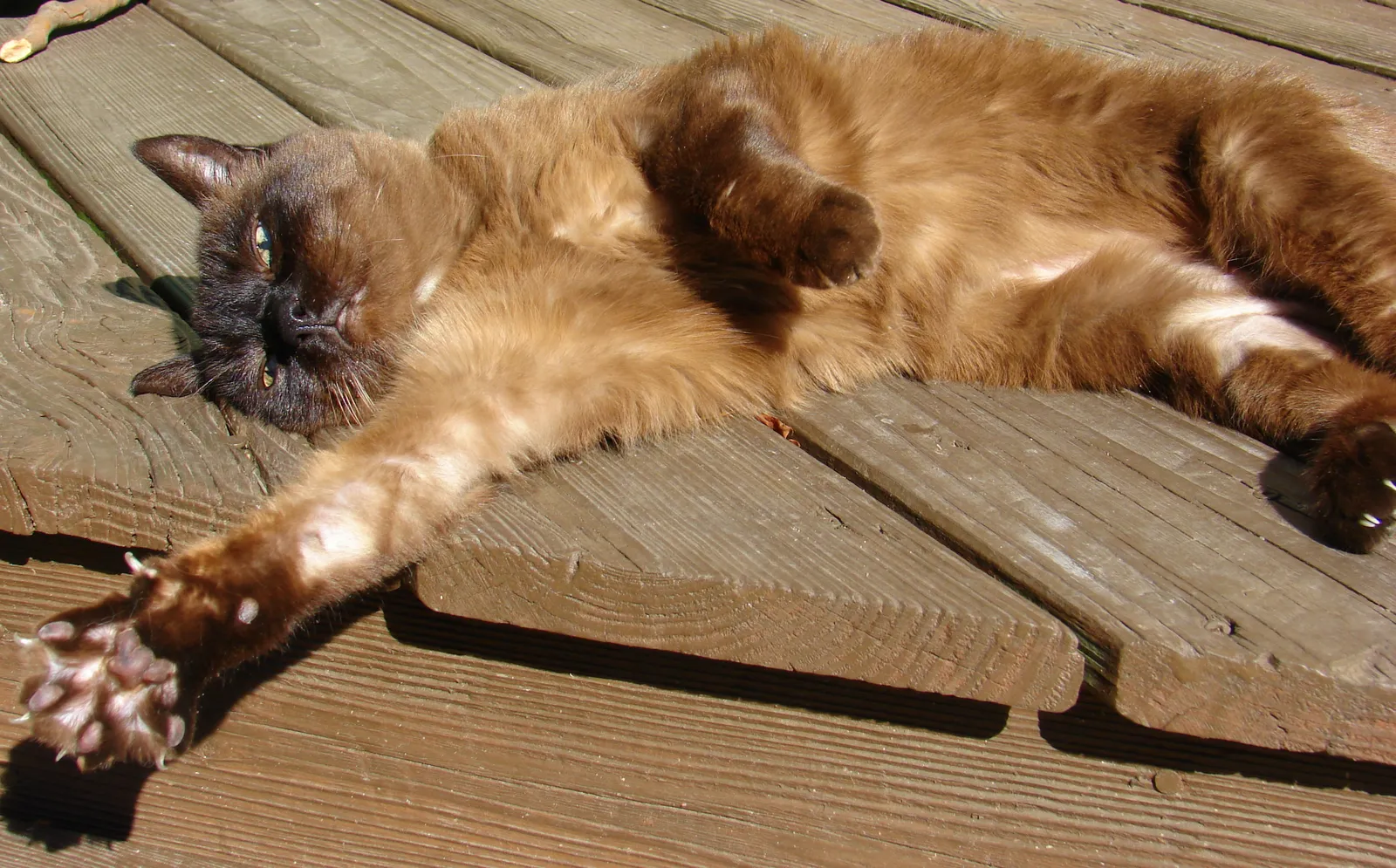
Cats engage in various behaviors to mark their territory, and that includes stretching. The reason cats stretch their paws is because they have scent glands there. By stretching their paws and scratching a surface, cats can leave their scent behind, establish their territory to other cats, and create a safe and familiar environment for themselves.
Cats are territorial creatures, and vertical stretching can also be an expression of dominance and confidence. When a cat stretches upright, they appear taller and more imposing. The simple act of waking and stretching near a wall or doorframe therefore carries social meaning beyond the purely physical.
Age Changes How and How Much a Cat Stretches
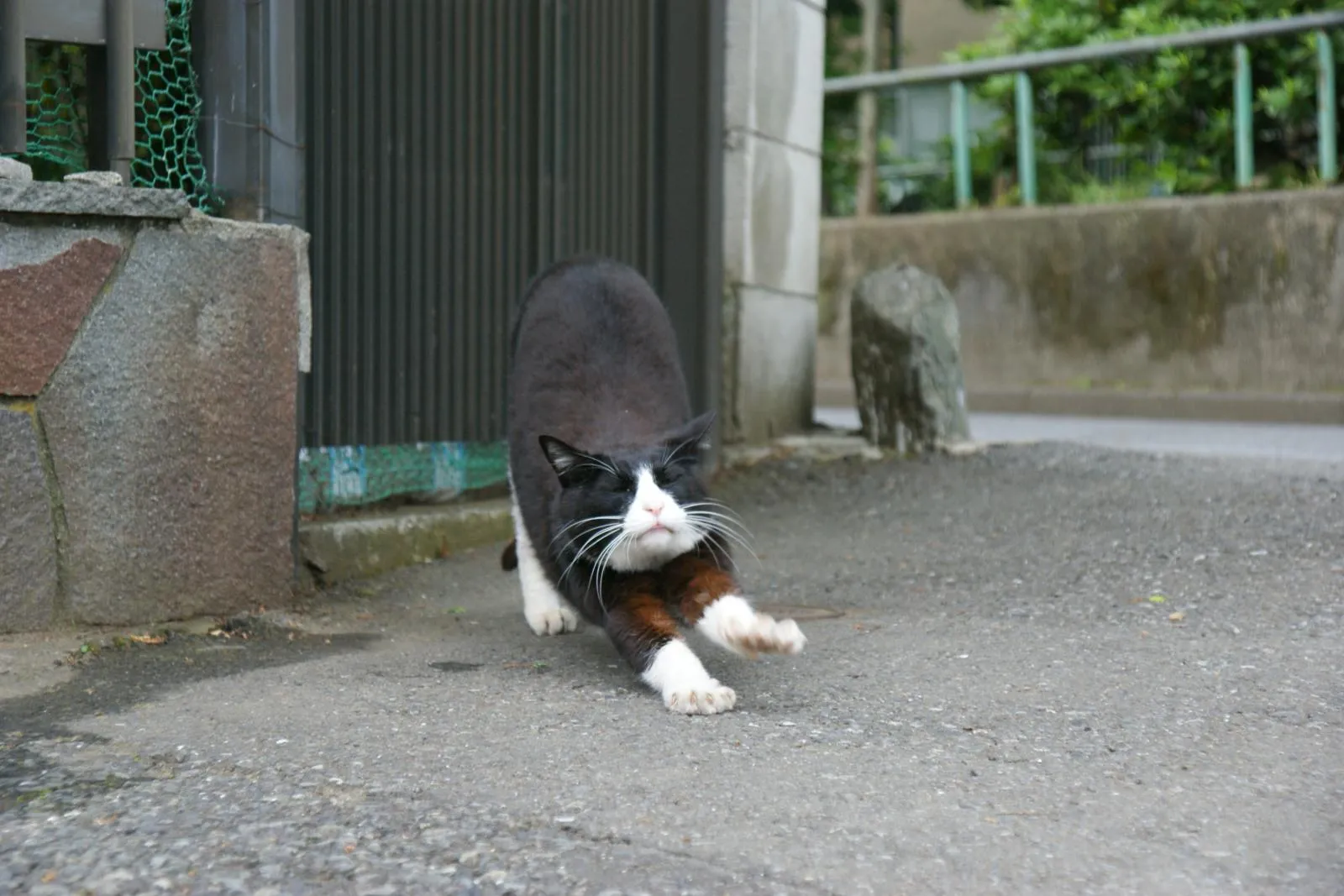
Adult cats stretch more completely with a steady rhythm. Senior cats may stretch more slowly and cautiously, or even stop partway through certain directions. This mirrors the broader changes in joint flexibility and muscle recovery that come with age.
Kittens have tons of energy and sleep deeply, so they stretch frequently to wake up their growing muscles for the next round of play. Kittens are more active than adult cats, and sleep more. Senior cats sleep more hours each day than they might have done as younger adult cats. More sleep across all life stages simply means more stretching.
It’s a Sign of Security and Comfort
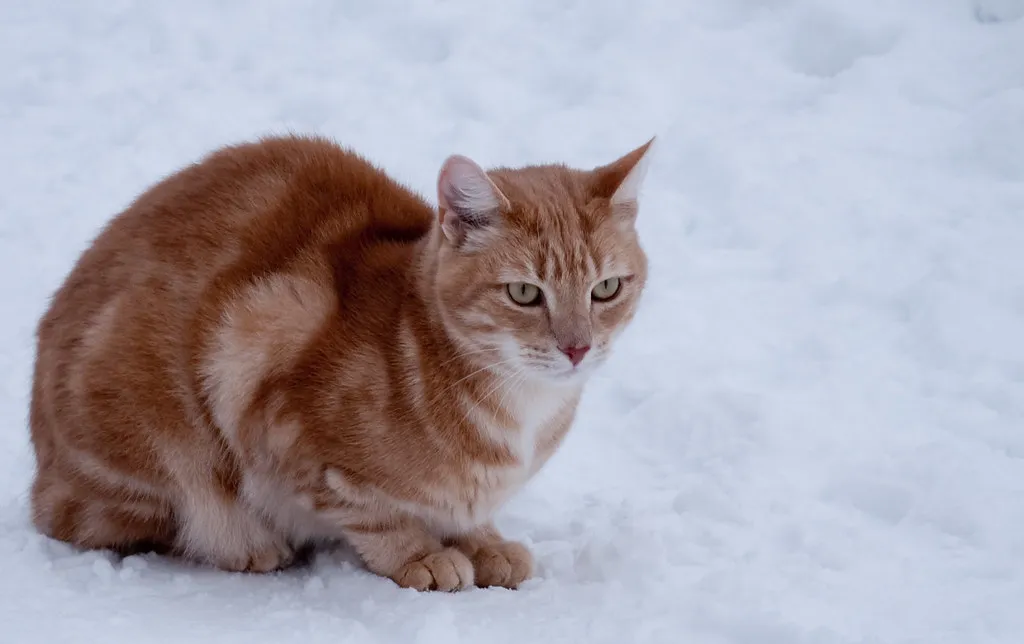
A cat stretching long after waking up is usually just completing its body’s boot-up sequence in a place where it feels safe. Cats don’t stretch fully and openly in environments where they feel threatened.
When cats stretch and reveal their belly, they are showing their total safety. Stretching puts them in a momentarily less defensive pose, and doing this near you means they are certain they are completely safe. Stretching is not just a physical activity for cats. It also plays a vital role in their emotional well-being. Cats are prone to stress and anxiety, and stretching can be an instinctive way for them to release tension and relax.
The Takeaway
What looks like simple laziness is actually a sophisticated biological protocol. Each stretch reactivates muscles, flushes metabolic waste, stimulates sensory feedback systems, boosts circulation, releases mood-regulating hormones, and signals readiness for action, all in roughly five to ten seconds. It’s efficient in a way that feels almost engineered.
The next time your cat rises from a nap and pulls off that slow, full-body extension, it’s worth a moment of quiet appreciation. The behavior is ancient, shared across nearly every mammal on earth, and it works remarkably well. Cats just happen to do it with more visible satisfaction than most.
AI Disclaimer: This article was created with the assistance of AI tools and reviewed by a human editor.