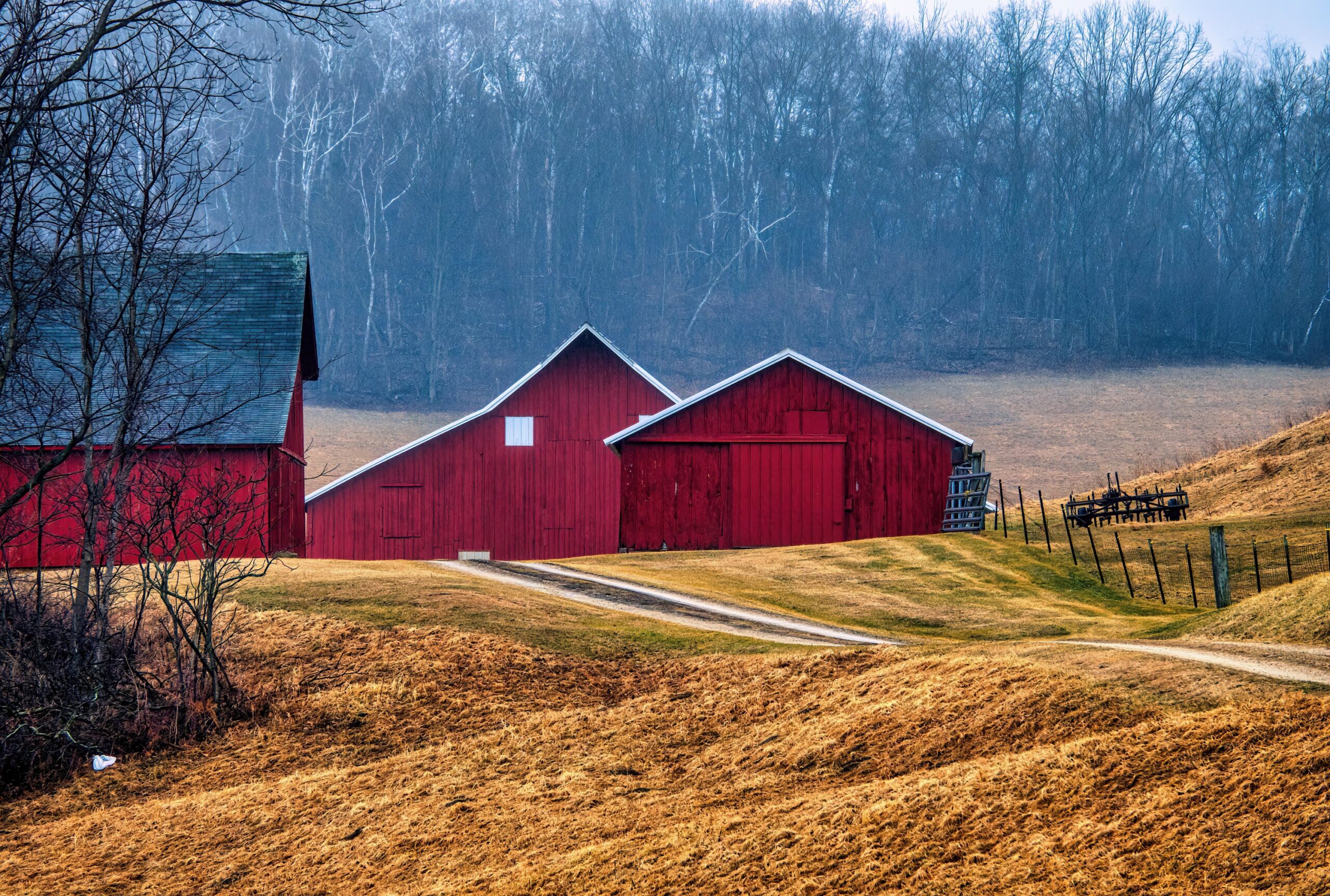

Drive through almost any rural stretch of America, Scandinavia, or Canada, and the sight of a barn feels almost inevitable. It’s one of those details so familiar that most people never stop to question it. The color isn’t random, though. It carries a surprisingly laye story, one rooted in chemistry, economics, immigration, and pride.
The full picture involves centuries of practical problem-solving on farms where resources were scarce and wood needed protecting. What began as a purely functional coating eventually became one of the most enduring visual symbols in agricultural history.
It Started Long Before Modern Paint
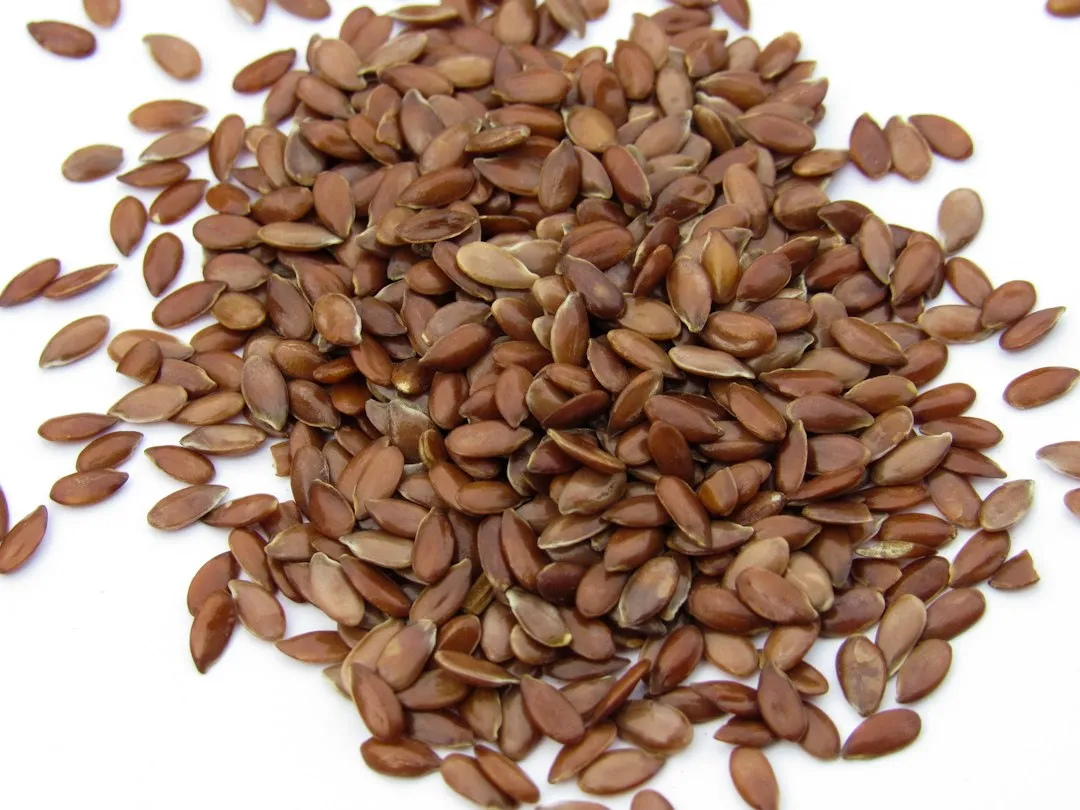
Centuries ago, European farmers would seal the wood on their barns with an oil, often linseed oil, a tawny-colored oil derived from the seed of the flax plant. They would paint their barns with a linseed-oil mixture, often consisting of additions such as milk and lime, and the combination produced a long-lasting paint that dried and hardened quickly.
Toward the end of the 1700s, older methods of barn preservation fell by the wayside, and people sought a quicker, easier fix for preserving their barns, a way to coat and seal the wood to protect it from sunlight and moisture damage. The linseed oil mixture was that fix, and it worked well enough to spread across entire farming communities.
The Swedes Were First: The Story of Falu Red

Falu red paint originates from the Falun copper mine in central Sweden, a UNESCO World Heritage Site. The paint is made from a byproduct of copper mining: iron-rich slag, and when mixed with water, linseed oil, and rye flour, it forms a durable, protective paint.
The deposits from the mines were rich in minerals like copper, zinc, and iron oxides, and in the 16th century, the people of Falun began mixing these deposits with linseed oil to create a red stain. Falu red gained popularity in the 16th century when Swedish nobility began painting their homes with it to emulate the red brick facades of European manor houses.
The Great Copper Mine in Falun has been operating since the 7th century, and Falu Rödfärg has had industrial production there since 1764, more than 250 consecutive years without interruption. That is a remarkable run for any manufactured product, let alone a barn paint.
Iron Oxide: The Ingredient That Made It Red
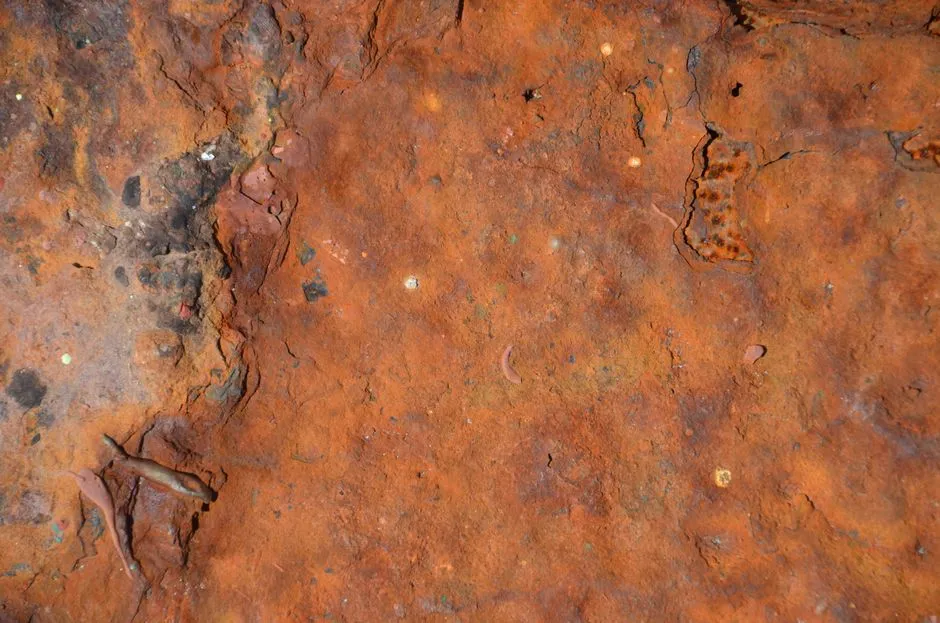
The striking red color came from the addition of reddish iron oxide, also known as rust, which acts as a natural poison for any fungi, mold, moss, or other similar growths that could cause wooden barns to decay. Iron oxide, also known as rust or ferrous oxide, was very easy to find on any farm. It was essentially a free resource sitting in every field.
Rust kills mold and other types of fungi, so farmers began adding ferrous oxide to the linseed oil mix, and a little bit of rust went a long way in protecting the wood while giving the barn a nice red hue. Iron oxide not only made the paint dry faster, but it also gave the paint its signature red hue.
The Original Recipe Was Remarkably Simple
A proper mixture of skimmed milk, lime, red iron oxide, and linseed oil would protect barn wood from rotting due to exposure to moisture. Farmers figured this out through trial and error, not through any scientific process.
The general recipe used linseed oil as an inexpensive sealant, milk and lime for texture and thickness, and ferrous oxide to kill fungi and as an extra sealant. A farmer discovered that skimmed milk, lime, and red iron oxide made a plastic-like coating that hardened quickly and lasted for years, with linseed oil subsequently added to the recipe to provide the necessary soaking quality.
Dutch Settlers Brought the Tradition to America
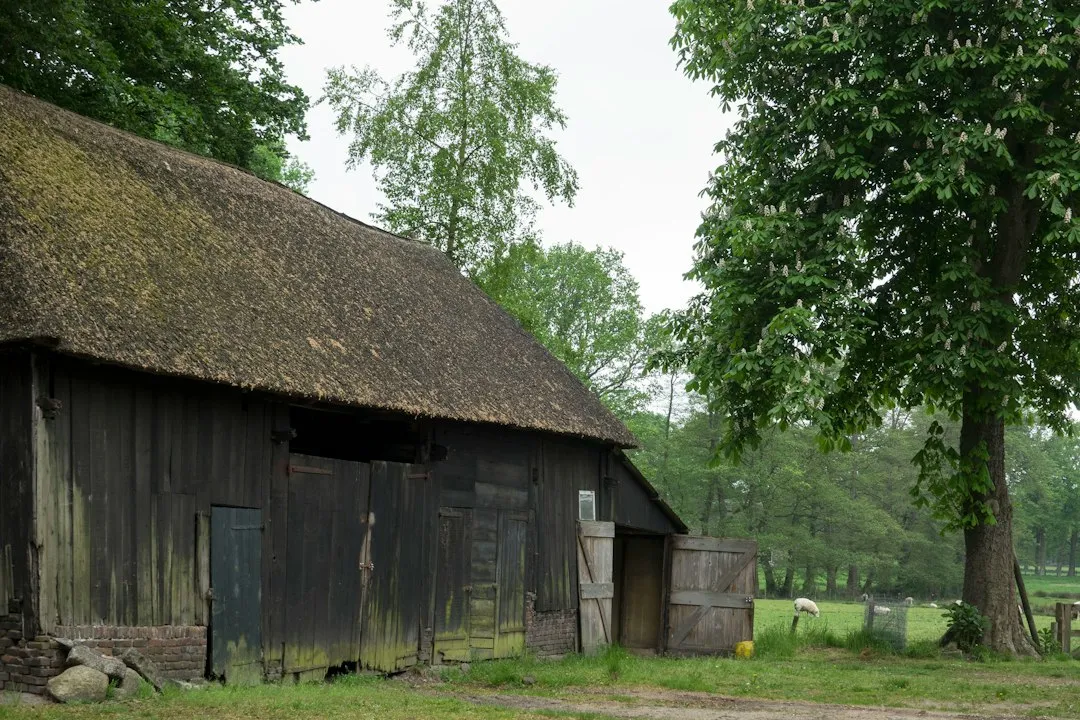
One popular theory suggests that the practice of painting barns red began with Dutch immigrant farmers. The first Dutch settlers in Pennsylvania brought their tradition of painting barns red, planting red flowers, and even breeding red-colored cattle, and other early American farmers might have started painting their barns red to imitate these Dutch settlers’ russet-colored farm buildings.
The color of Dutch barns, some of the oldest barn constructions in the world, eventually caught on in New England, and the practice of coating barns in the red protective mixture spread across the United States. From there, the tradition took on a life of its own.
Economics Sealed the Deal
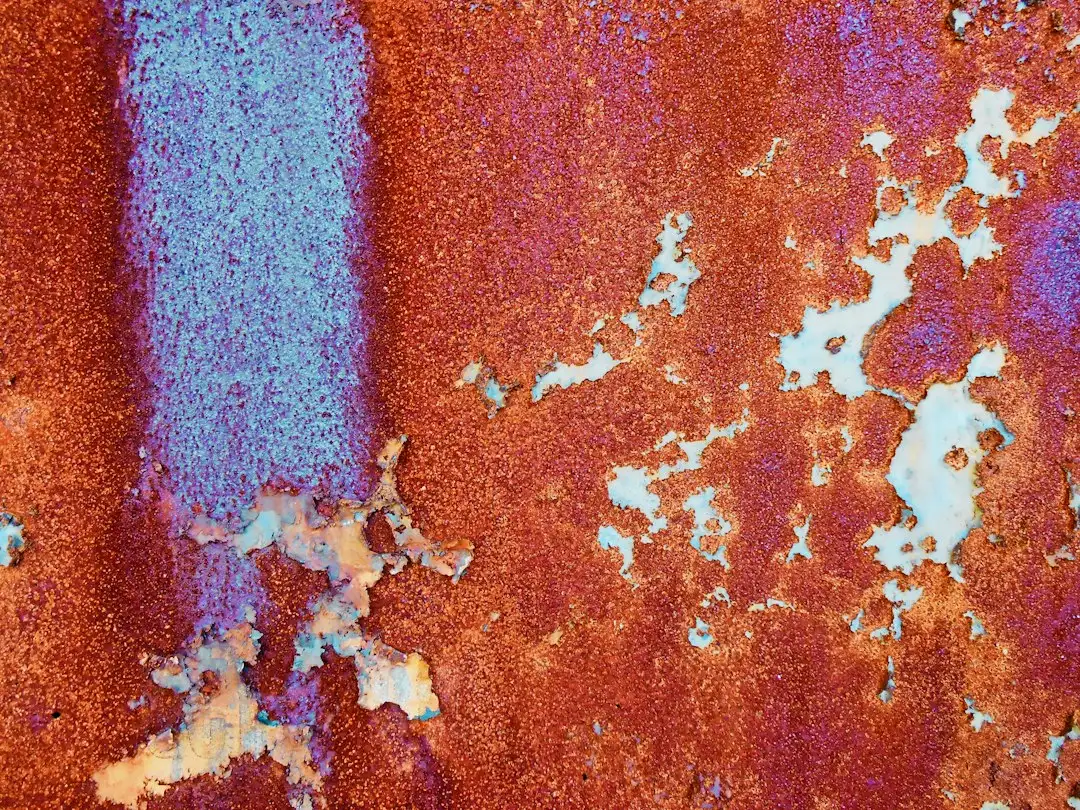
In 1800s rural America, farmers needed to protect wooden barn siding from rot but commercial paint was expensive. Iron oxide was the cheapest available pigment, and mixed with linseed oil and milk it made a durable wood preservative for outbuildings.
In the mid to late 1800s, as paints began to be produced with chemical pigments, many paint manufacturers prepared a special paint compound from metallic oxides offered in a limited range of colors, with red being the most popular. These paints sold at a much lower price per gallon than house paint, hence attracting the thrifty farmer.
White Barns Were a Status Symbol
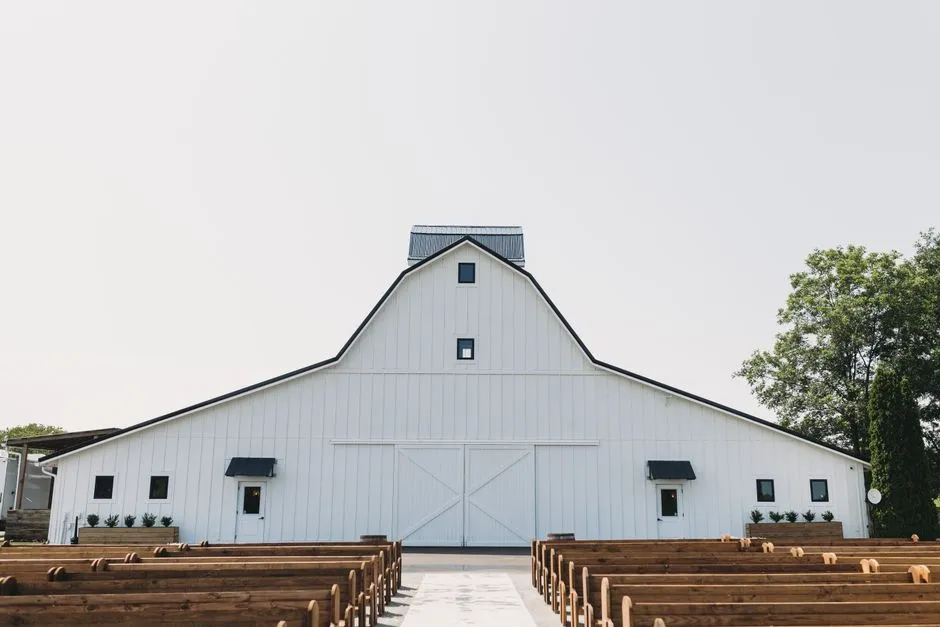
When paints were being widely manufactured, red paint was often the cheapest to produce, and thus red continued to be the most common color for barns. During this period, a barn painted some other color, typically white, was considered a sign of economic status.
Over time, as whitewash became cheaper, white barns started to appear, but the tradition of red barns persists. The brief era of white barns was really less about aesthetics and more about farmers quietly announcing that they could afford something other than the cheapest option.
The Color Had a Practical Heating Benefit Too
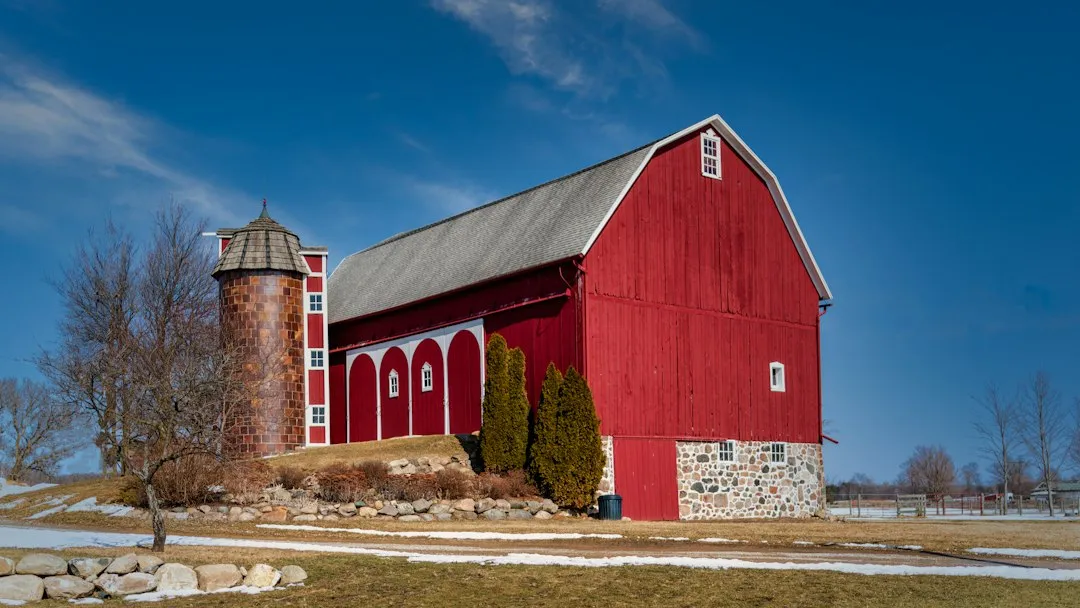
Farmers realized that due to the dark nature of the red paint they were making, their barns stayed warmer during the cold winter months. This was not the original motivation, but it was a welcome bonus, especially in the harsh New England winters.
It was soon discovered that the red barn color was warmer in winter since it absorbed the sun’s rays. In a time before insulated construction materials, every bit of passive heat retention mattered for the livestock sheltering inside.
Red Barns Became a Cultural Symbol
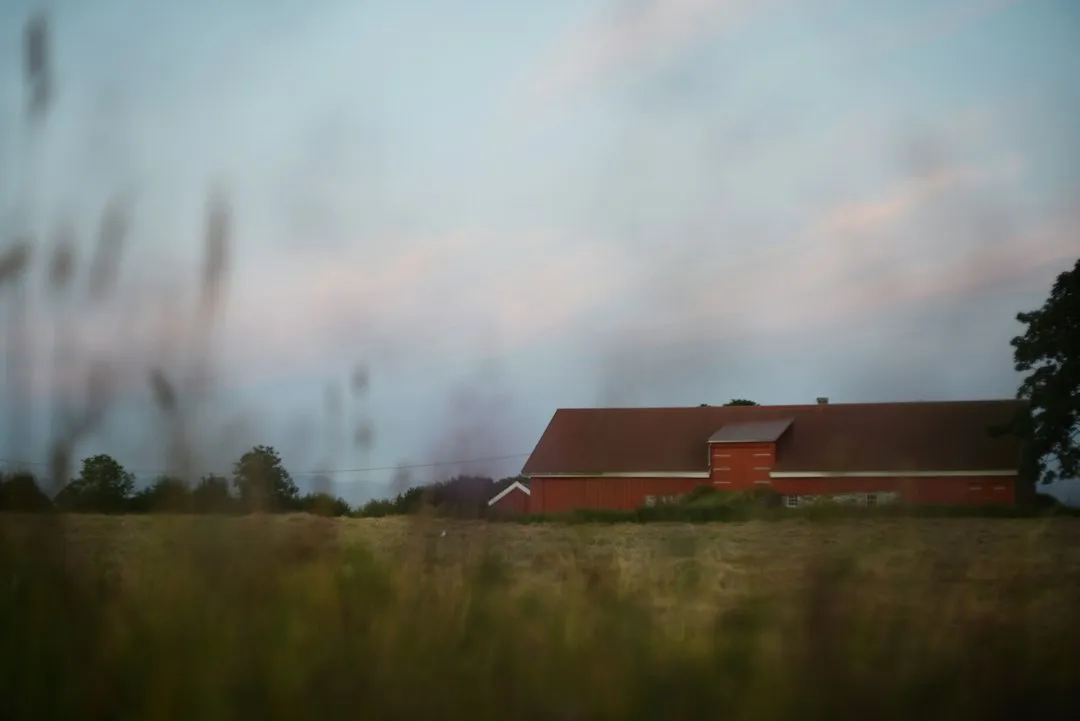
Though preventing decay and keeping costs low were top of mind, farmers discovered painting their barns red came with other benefits. Many farmers view red-colored barns as a proud symbol of their heritage and the many hardworking individuals who preceded them.
Mixed with linseed oil and skim milk it made a durable wood preservative paint for almost no cost. By the time commercial paint became affordable, the red barn had become a cultural symbol too strong to give up. The tradition outlasted the necessity, which is often how the most enduring customs work.
Modern Barn Red Still Relies on Iron Oxide
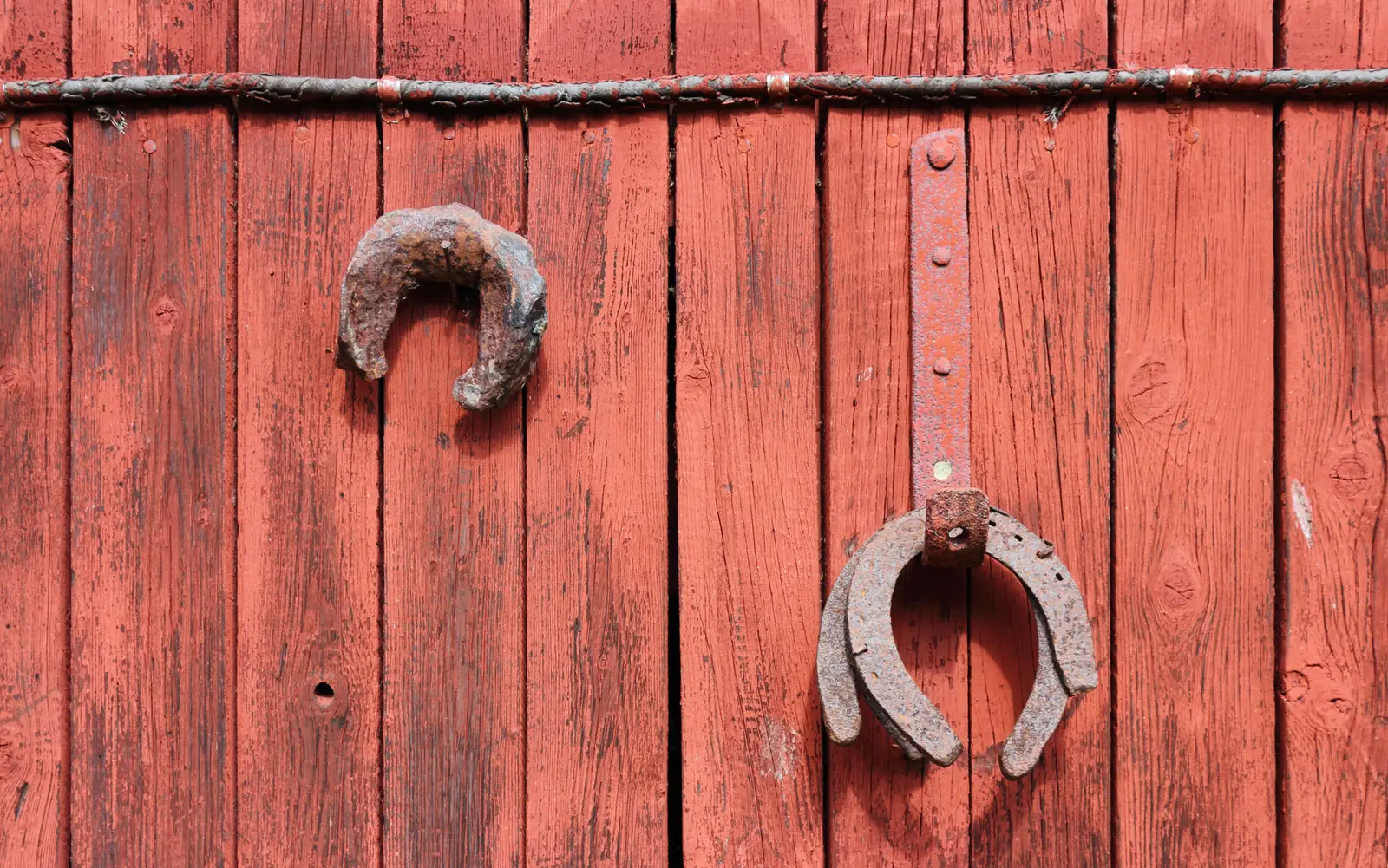
Modern barn red is still iron-oxide based for the most part, still durable, and still relatively inexpensive. Falu red is still produced at the mine with reserves projected for the next hundred years. The connection between the original recipe and what goes on barns today is more direct than most people realize.
Today, most barns are painted rather than stained. Even so, red is more popular than any other color for painting barns. The formula has modernized, but the color and its underlying chemistry remain largely the same as they were three centuries ago.
Final Thoughts
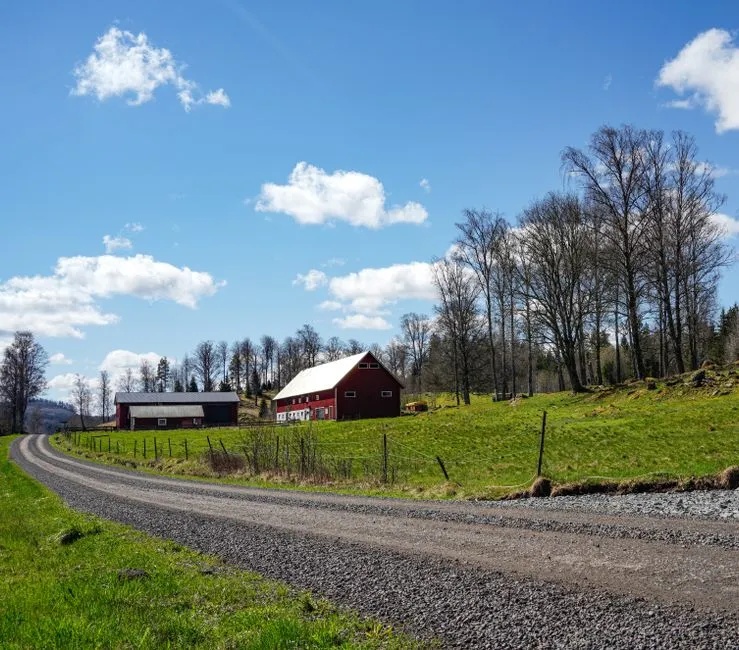
The red barn is one of those rare things that looks like a purely aesthetic choice but turns out to be almost entirely practical in its origins. Farmers weren’t trying to create a visual icon. They were just trying to keep the wood from rotting without spending money they didn’t have.
What’s striking is how a solution born of pure necessity, rust mixed with oil and milk, managed to leave such a deep mark on the cultural landscape of entire continents. Today, red barns symbolize rural America, reflecting both practicality and tradition. Sometimes the most enduring things are simply the ones that worked.
AI Disclaimer: This article was created with the assistance of AI tools and reviewed by a human editor.