

The Numbers Are Harder to Ignore Than Most People Think
According to the American Red Cross, roughly three quarters of families do not have a fire escape plan in place at all, and of those who do, the vast majority have never practiced it. That’s not a minor oversight. That’s the baseline most households are starting from.
According to an NFPA survey, only one of every three households has developed and practiced a home fire escape plan, with only eight percent stating that their first thought on hearing a smoke alarm would be to get out. That eight percent figure is striking. The instinct to investigate before evacuating is common, and in a fast-moving fire, it can cost lives.
Almost three quarters of Americans do have an escape plan of some kind, but more than half have never practiced it. Additionally, roughly one third of respondents estimated they would have at least six minutes before a fire became life-threatening. That estimate is dangerously off.
How Fast a Fire Actually Moves in 2026
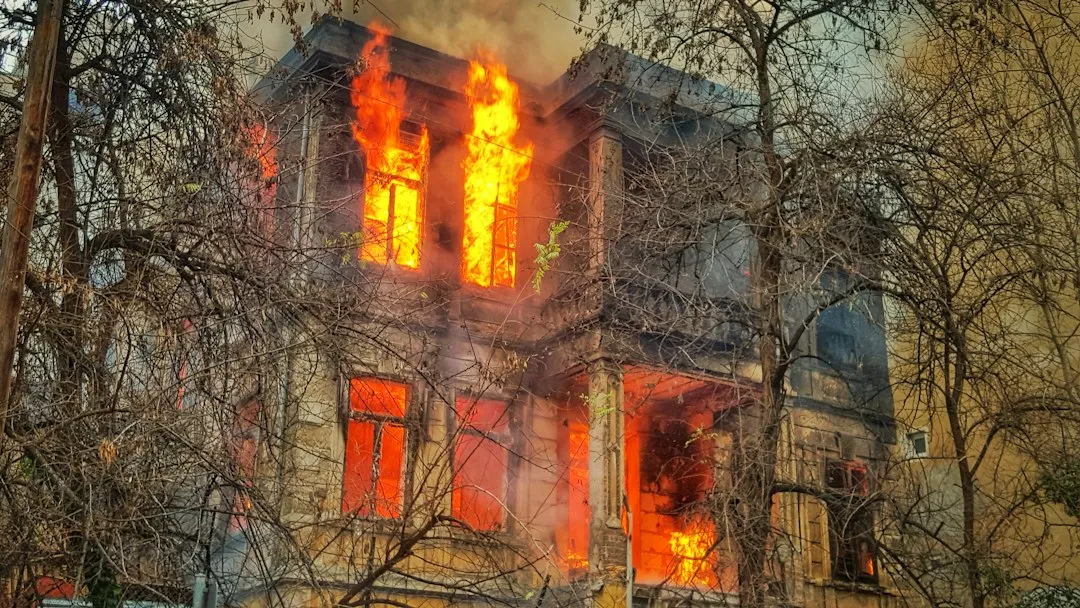
About forty years ago, occupants had roughly seventeen minutes to escape a house fire after it started. Today, that window is down to just three or four minutes. That reduction changes everything about how escape plans need to be designed and practiced.
Fire officials say the drastic reduction is the result of changes in modern construction and home furnishings. Newer materials ignite faster, burn hotter, and produce more toxic smoke. Open floor plans accelerate the spread, and synthetic fabrics in furniture and bedding fuel the combustion with far more intensity than older natural materials did.
Fire can spread rapidly through a home, leaving as little as one to two minutes to escape safely once the smoke alarm sounds. For a family sleeping on a second floor with no practiced window exit strategy, that timeline is not just tight. It’s nearly impossible to meet without prior rehearsal.
Why Windows Get Overlooked in Escape Planning

The front door is intuitive. Windows feel like a last resort, something for emergencies in movies rather than a tool you’d actually need. That mental framing is part of what keeps families from treating window exits as a primary planning priority.
A fire ladder for window escape is one of the few tools that can mean the difference between a safe exit and being trapped upstairs when the staircase fills with smoke. Fire safety experts and the NFPA recommend two ways out of every room, and for second or third story bedrooms, that second way is almost always the window.
A fire on an upper floor can quickly turn stairs and hallways into choke points. If smoke or flames block the main exit, a properly selected and installed home fire escape ladder can provide a critical second way out. Knowing this intellectually and having practiced it at two in the morning are very different things.
Children Are the Most Vulnerable Variable

Children and older adults are twice as likely to die in a home fire. The reasons include slower reaction times, disorientation from deep sleep, and in many households, the assumption that a parent will simply come and get them. That assumption can fail when smoke fills a hallway first.
The NFPA specifically notes that in two story homes, every family member including children must be able to escape from the second floor. That means children need to know the route, know how to open the window, and in many cases, know how to use a ladder on their own or with minimal help.
Children and older adults can use a fire escape ladder safely if it has stable, slip-resistant rungs and if they receive training and practice. The training piece is what most families skip entirely, often because it feels uncomfortable to put a child on a ladder hanging outside a second story window during a calm Sunday afternoon drill.
What a Window Escape Plan Actually Requires

Draw a floor plan of the home, marking two ways out of each room, including windows and doors. This step forces families to look at every bedroom realistically and ask which window could actually be used and whether the drop below is safe or obstructed.
When walking through the plan, check to make sure the escape routes are clear and that doors and windows can be opened easily. Windows that have been painted shut, screens that can’t be removed quickly, or sills blocked by furniture become problems that only surface during a drill, not during an actual emergency.
Open the window fully and remove the screen by pushing it out or pulling the tabs. Hook the ladder’s arms over the windowsill, making sure both hooks seat firmly. Drop the rung section out the window and let it unfurl down the wall. Descend slowly and steadily, helping children down ahead of you when possible. Each of those steps takes time and muscle memory that only practice builds.
The Escape Ladder Question Every Household Needs to Answer
If anyone in a household sleeps above the first floor, a hook-style fire escape ladder stored in that bedroom is one of the cheapest, highest-impact safety purchases that can be made. The price point for most standard models is modest compared to other home safety investments, yet ownership rates remain low.
A portable fire escape ladder for a standard second floor window typically needs to be thirteen to fifteen feet long. Measuring correctly matters. A ladder that’s too short leaves a dangerous gap, and in a panic, that gap tends to get misjudged badly.
Keep each escape ladder within reach of the window it serves, in an easy-to-grab spot, so it can be found instantly when needed. Buy a separate ladder sized for each upstairs bedroom rather than expecting to carry one between rooms during an emergency. That’s the detail most families miss: one ladder for one room, not one ladder for the whole house.
Smoke Behavior and Why Low Is Life

In less than thirty seconds, a small flame can turn into a major fire. Smoke typically fills a room from the ceiling downward, which means the cleaner air stays closest to the floor. Knowing this in advance changes how a person moves through a burning home.
Teach children the basics early: stay low under smoke where the air is cleaner, feel a closed door with the back of the hand before opening it, and never hide in a closet or under a bed. These behaviors run counter to panic instincts, which is exactly why they need to be practiced, not just explained once.
A closed door may slow the spread of smoke, heat, and fire. If the hallway outside a bedroom door is impassable, closing the door and moving to the window becomes the plan. If a door is hot, use the window exit instead. Children who understand this distinction before an emergency are far better positioned than those who are hearing it for the first time while frightened.
The Meeting Point That Most Plans Forget
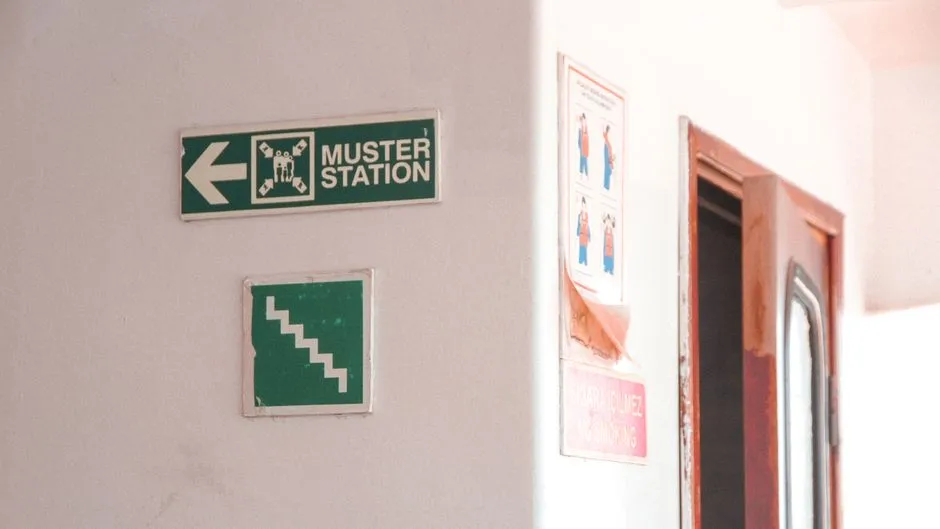
Choose a safe meeting place outside the home, like a neighbor’s house or a mailbox, and make sure it’s far enough away in case the fire spreads. This detail seems minor but it’s actually critical. Without a designated spot, people re-enter burning buildings to look for family members they assume are still inside.
Having an outside meeting place a safe distance from the home where everyone should meet is part of every credible escape plan framework, yet it’s one of the steps most households either skip or leave vague. “Meet outside” is not the same as “meet at the oak tree at the end of the driveway.”
Once everyone reaches the meeting point, that’s where 911 gets called, not before. Getting out comes first. Accountability at the meeting point is what tells everyone whether a family member is actually still inside before firefighters risk their lives going in to look.
How Often Families Should Practice and Why Twice a Year Is the Floor
Fires can start anywhere in the home and at any time, so running through the plan at different times of the day or night, and practicing different ways out, twice a year, is recommended. Nighttime drills matter specifically because the conditions during sleep, disorientation, low visibility, and groggy reaction times, are very different from a calm daytime walkthrough.
The NFPA suggests practicing the escape plan during which the smoke alarm is activated, so all family members know its sound. Some family members, especially heavy sleepers or young children, may not reliably wake to an alarm they’ve never heard tested. Finding that out during a drill is far better than finding it out during an actual fire.
Every home fire escape plan is different, and every family should know who will and who won’t awaken at the sound of the smoke alarm. If someone doesn’t wake up when the alarm sounds during a drill, the family should design an escape plan that assigns a grown-up who is easily awakened to wake the sleepers. That kind of specificity is what separates a plan that works from a plan that simply exists on paper.
Smoke Alarms Are Not Optional, They’re the Trigger for Everything Else
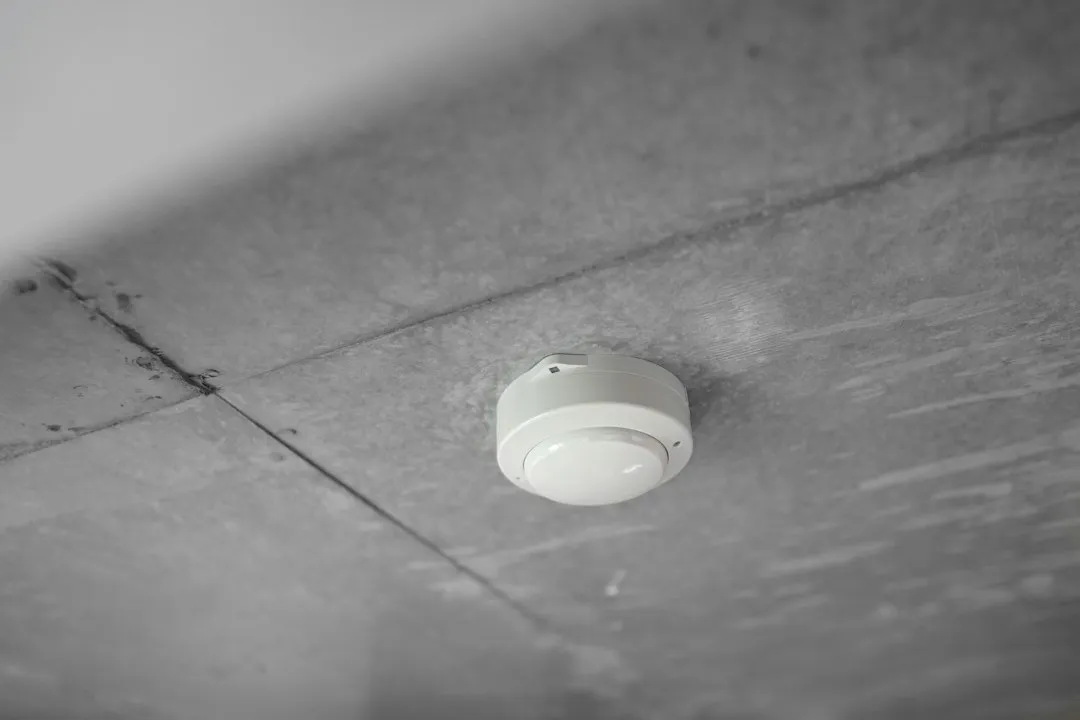
Having a working smoke alarm reduces the chance of dying in a fire by nearly half. Every window escape plan, every ladder, every drill assumes that someone in the household wakes up in time to use them. A smoke alarm is what creates that window of opportunity.
A ladder only helps if the occupant wakes up in time to reach it. Smoke alarms should be installed in every bedroom, outside each sleeping area, and on every level of the home, and interconnected if possible so they all sound together. Interconnected alarms mean that a fire starting in the kitchen triggers the alarm in every upstairs bedroom simultaneously.
NFPA 72 requires smoke alarms inside every bedroom, outside each sleeping area, and on every level of the home including the basement. Meeting the minimum requirement is a starting point, not a finish line. Testing those alarms monthly, as most fire safety organizations recommend, is what keeps them functional when they’re actually needed.
The Takeaway That Keeps Getting Deferred
The gap between knowing what to do and having practiced it isn’t unique to fire safety. But in this context, the consequences of that gap are measured in minutes, sometimes less. The window escape plan doesn’t require expensive equipment or hours of training. It requires a floor plan, a conversation, a ladder in the right bedroom, and a drill twice a year.
What most families never do is the drill. Specifically, the one where everyone climbs out the bedroom window, not just talks about which window they’d use. That’s the version that actually builds the muscle memory required to move calmly under pressure, in the dark, with smoke in the air.
The statistics that fire safety organizations have been publishing for years all point to the same gap: most families know a plan is important, most haven’t practiced one, and the escape window in modern homes is narrower than almost anyone assumes. Closing that gap doesn’t take a lot. It mostly takes doing the uncomfortable thing of treating the drill as if it were real.
AI Disclaimer: This article was created with the assistance of AI tools and reviewed by a human editor.