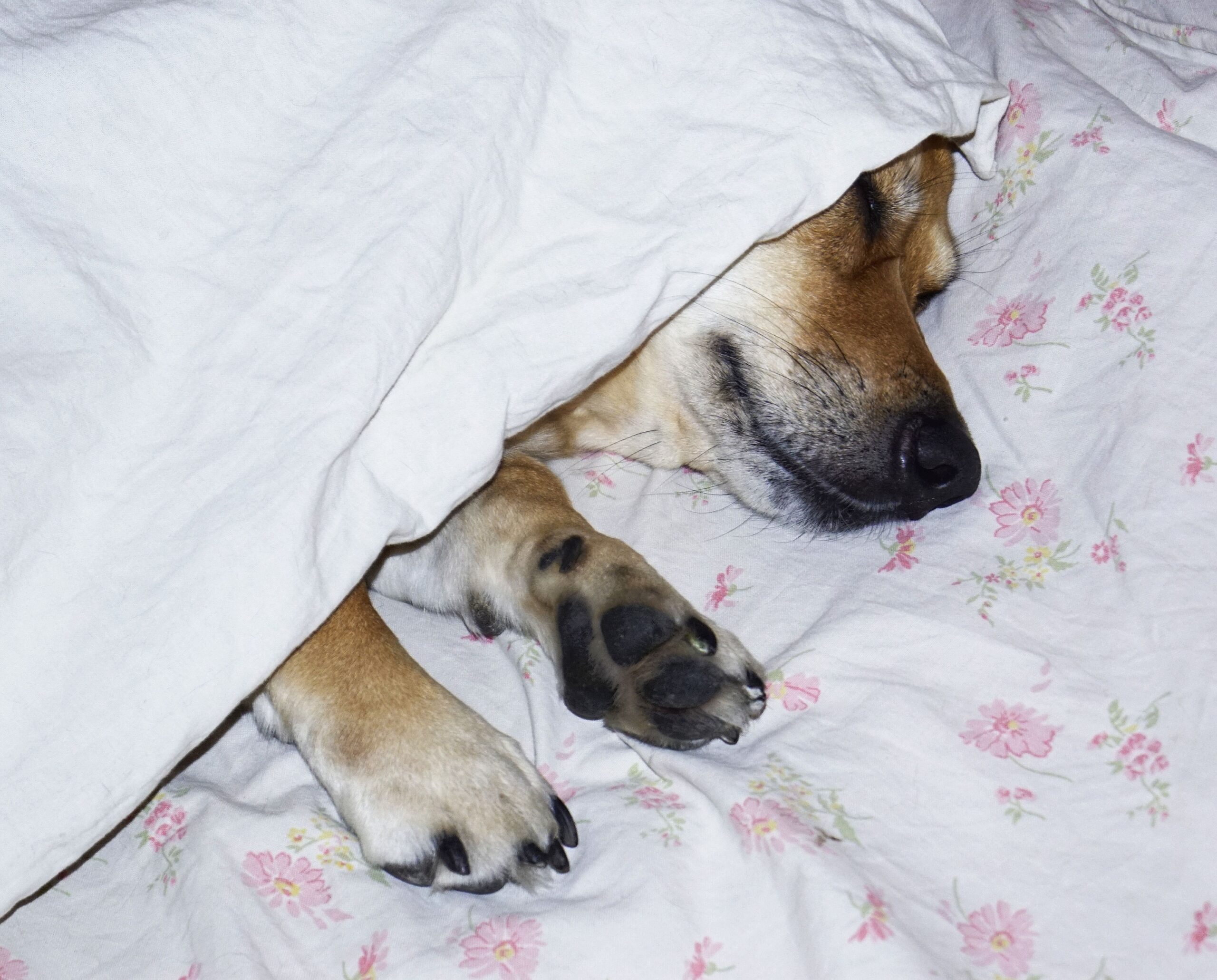

Most dog owners have noticed it at some point. You wake up in the middle of the night, and there’s your dog, curled up at the foot of the bed, nose pointed straight toward the door. It looks almost deliberate, because it is. This isn’t a quirk or an accident of comfort seeking. It’s a behavior with deep roots, and once you understand what’s driving it, you’ll see your dog differently during those quiet nighttime hours.
The science of canine sleep behavior has gained real attention in recent years, and what researchers and veterinarians are finding is both fascinating and practical. From ancient pack instincts to temperature regulation, the reasons behind this specific sleeping position reveal just how much thought, in a very biological sense, goes into where and how your dog chooses to rest.
It Starts with Pack Instinct
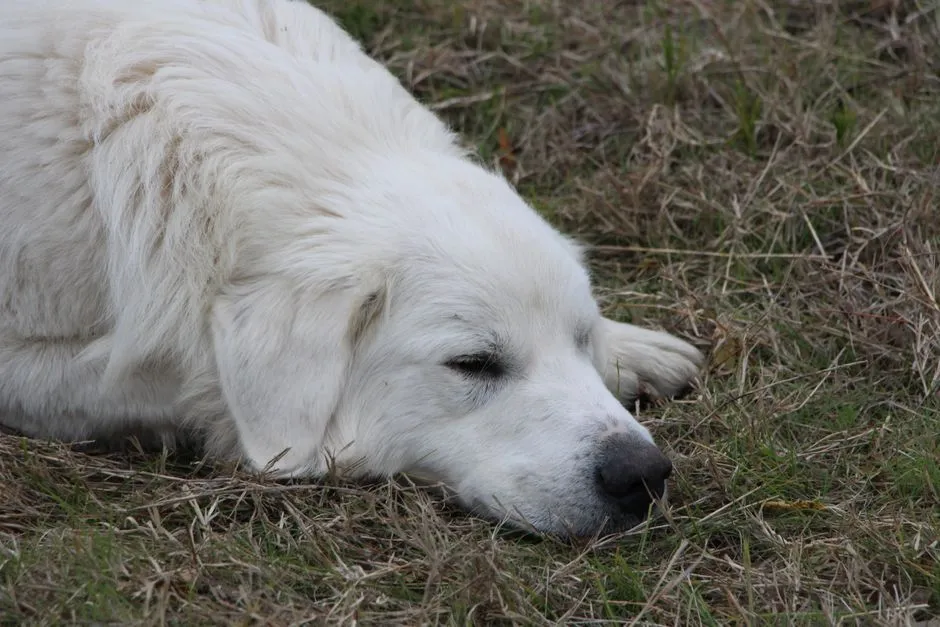
Dogs often choose to sleep between their owner and the door, or at the foot of the bed facing outward, acting on ancient pack instincts that position sleep-time proximity as a survival mechanism. This drive goes back thousands of years, long before dogs had memory foam beds and central heating. In the wild, sleeping with awareness of entry points wasn’t optional. It was survival.
This behavior likely comes from wolf ancestors, who always kept an eye on their surroundings to ensure their pack was safe. Modern domestic dogs have retained this wiring, even when the biggest threat in the house is the mailman. The foot-of-the-bed position, combined with the door-facing orientation, is essentially the optimal guardian post inside a bedroom.
The Door Is the Most Important Point in the Room
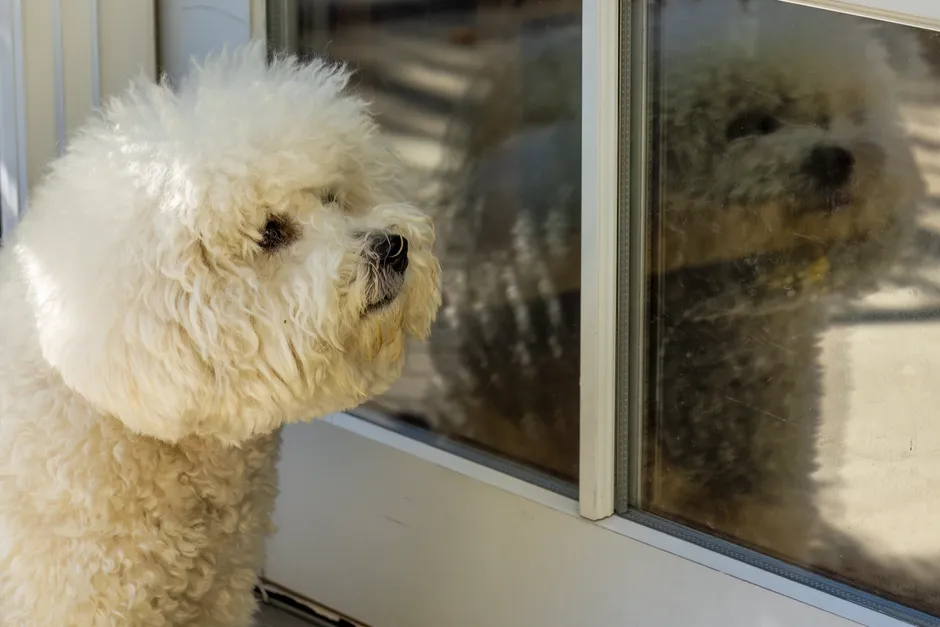
Dogs like to keep watch over their territory, and the door is the main entrance and exit point. From a dog’s perspective, the door is where everything happens. Strangers enter. Familiar people return. Sounds from other rooms filter in. It’s the single most information-rich feature of any bedroom, and dogs instinctively know it.
This common behavior is evolutionary. Facing the door allows dogs to monitor the most likely entry point for potential threats or new arrivals, an instinctive behavior rooted in self-preservation and group protection. This behavior isn’t necessarily about guarding, though. It might be more about awareness. The distinction matters, because not every dog facing the door is anxious. Many are simply tuned in.
Protective Instinct, Even in Deep Sleep
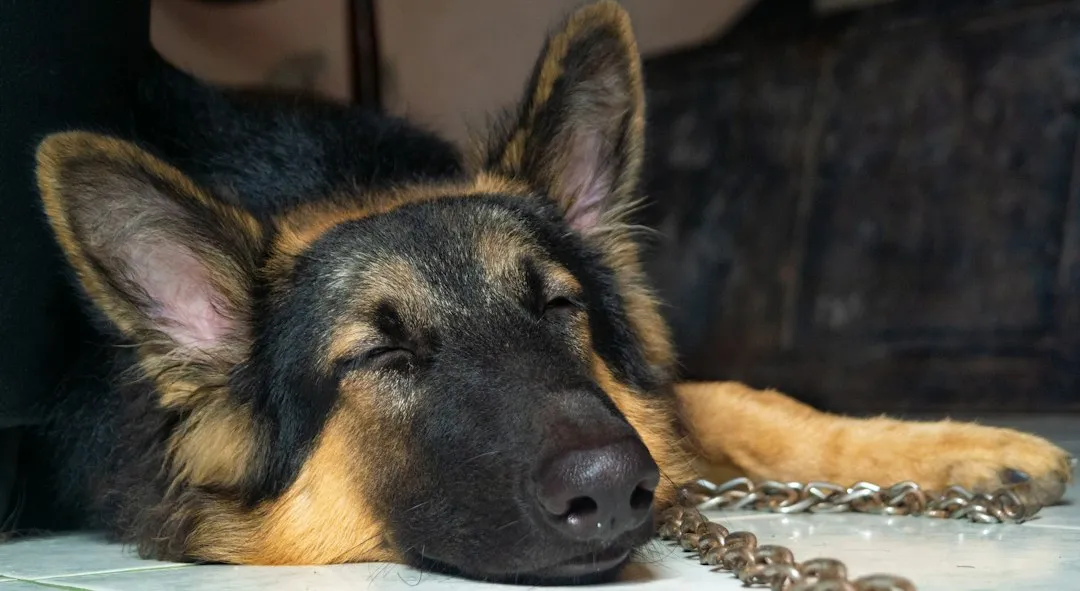
Dogs have strong protective instincts, and sleeping facing the door is one way they keep watch over their family. Even in deep sleep, their ears stay alert, ready to pick up on the slightest sound of an approaching visitor or potential intruder. A dog’s hearing is far more sensitive than a human’s, which makes this light-sleeping vigilance genuinely effective, at least by their own instinctual standards.
Foot positioning in dogs is a classic pack guardian behavior. By sleeping at your feet, typically facing outward toward the door, your dog is positioning themselves to detect and respond to any approaching threat before it reaches you. Whether the household truly needs guarding is beside the point. The instinct fires regardless.
The Strategic Advantage of the Foot of the Bed
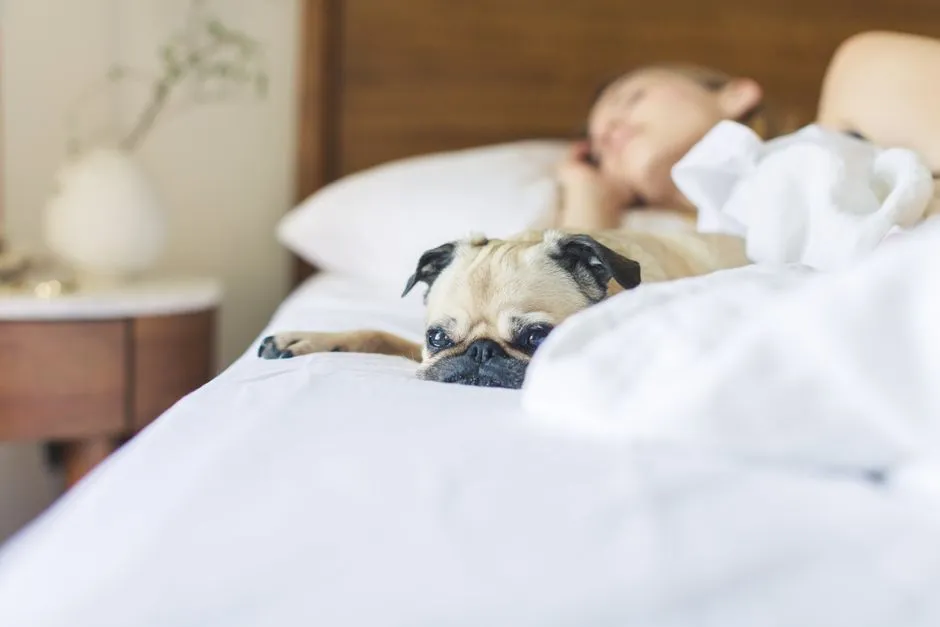
Dogs are instinctively alert, even while asleep. Positioning themselves at the foot of the bed gives them a clear, often unobstructed view of the room and any movement around them. This dog behavior is rooted in natural protective instincts. Think of it as occupying the best seat in the house from a tactical standpoint. The foot offers sightlines that the pillow area simply doesn’t provide.
The foot of the bed is a strategic position. It keeps dogs close enough to monitor their owner without competing for space near the body. This balance of proximity and positioning is something dogs seem to work out on their own, often without any training involved. It’s an instinctive calculation.
Temperature Plays a Bigger Role Than You’d Think
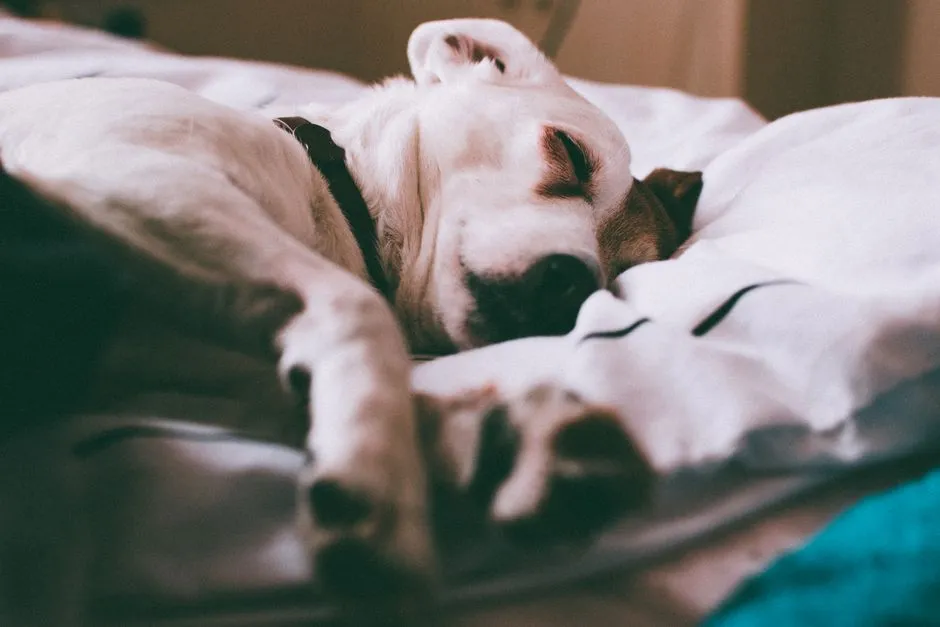
Temperature regulation is another major factor that dictates where dogs sleep. Many dogs will lie at the foot of the bed to keep cool. If a dog is actually lying on the bed, the foot area of the bed offers the most airflow to help regulate body temperature. Heat rises toward the headboard where bodies and pillows cluster, so the foot of the bed is naturally cooler and more ventilated.
Dogs are more sensitive to heat than people assume. In colder months, the same logic applies in reverse. Smaller dogs and short-coated breeds press against your feet specifically for the warmth. So the foot-of-the-bed preference isn’t fixed. It shifts seasonally based on what the dog’s body actually needs, which is a surprisingly practical form of self-regulation.
Breed and Personality Shape the Behavior
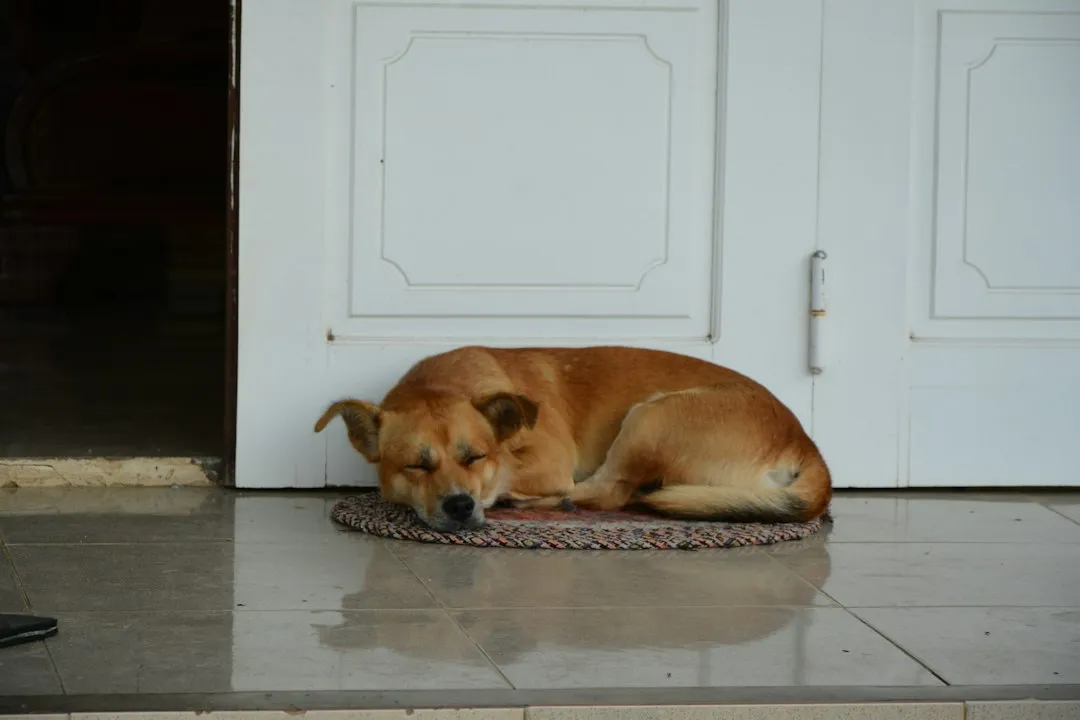
Dogs that sleep facing the door often take on a protective and guard dog role, especially personal protection breeds like Dobermans and Cane Corsos. That said, the behavior isn’t exclusive to working breeds. Many companion dogs and even small lap breeds adopt the same position for the same underlying reasons.
Small dogs do it just as readily as large ones. A Chihuahua sleeping at your feet is not guarding you in any practical sense, but the instinct driving the behavior is the same as the one that drives a German Shepherd to sleep facing the door. Size doesn’t dilute the drive. What differs across breeds is mostly how intensely and consistently the behavior shows up.
It’s Also About Anticipating Your Return

Dogs that sleep facing the door may be subconsciously waiting for their favorite person to walk in. Since they can recognize the sound of your footsteps, your car, or even keys jingling from a distance, being near the door gives them the best chance to greet you the moment you arrive. This is a quietly touching detail. The guardian posture and the eager-greeter posture are, for many dogs, the same posture.
Facing the door could mean the dog is more wary about who’s coming in, but it could also mean they’re anticipating the return of a person. Both motivations can coexist. Dogs don’t necessarily separate threat-monitoring from reunion-anticipating. They’re watching the door either way.
The Emotional Dimension: Anxiety and Security
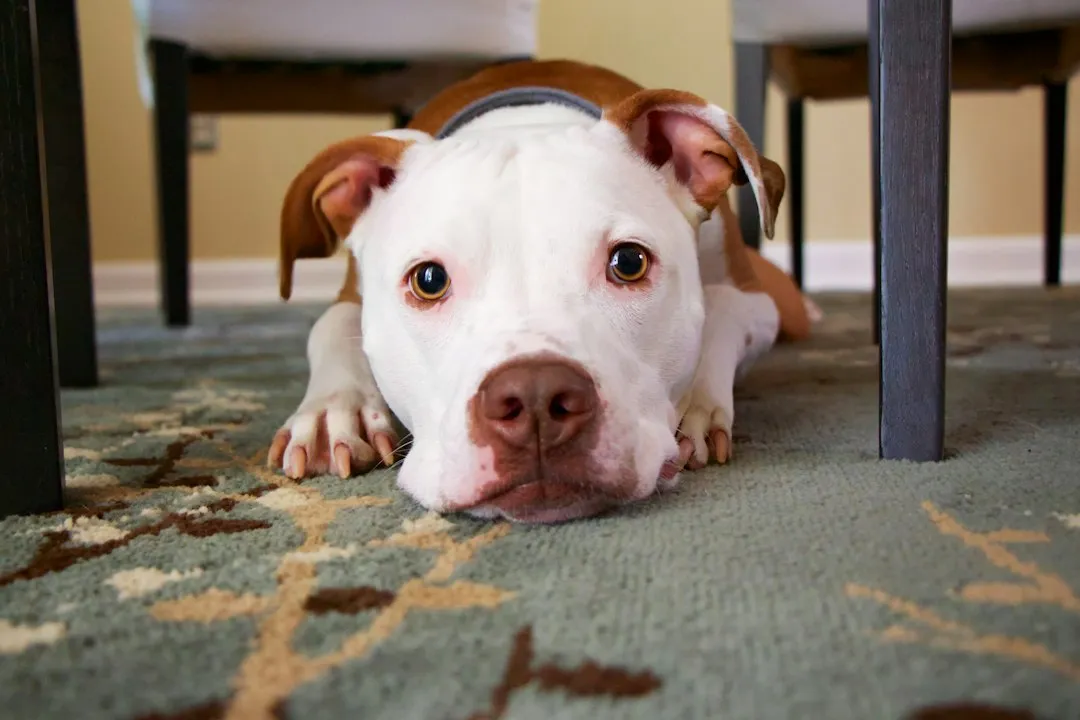
This habit is especially common in dogs who have experienced stressful environments or uncertainty in the past. For dogs with any background of instability or rehoming, being able to see the door while resting is a form of reassurance. It removes the fear of being surprised.
Dogs who feel fully safe in their environment are more likely to spend longer periods in deep sleep, regardless of position. However, if a dog consistently startles awake, refuses to settle unless facing the door, or paces instead of resting, sleeping while facing the door could show some anxiety about what’s about to happen. There’s an important distinction between calm vigilance and anxious hyperawareness, and the dog’s overall demeanor during the day usually helps clarify which one is at play.
How Common Is Sleeping Together, Really?
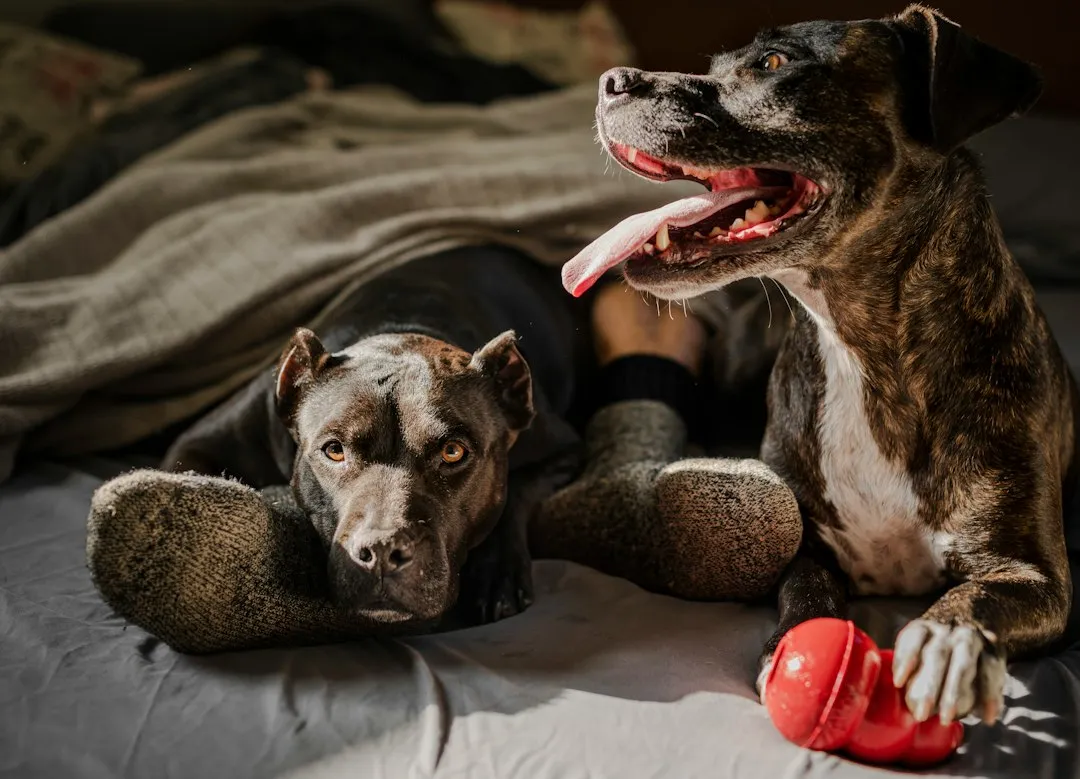
According to a survey by the American Academy of Sleep Medicine, nearly half of pet owners share beds with their furry friends. Dogs have shorter sleep cycles than humans and often experience active rapid eye movement sleep. So the foot-of-the-bed dynamic is far from a minority experience. Millions of households navigate it every night.
Large dogs are the least likely to make it into their owner’s bed but still managed a solid proportion. About a third of big dogs slept in their owner’s beds, while roughly two in five medium-sized dogs enjoyed the privilege, and nearly two in three small dogs snuck onto their owner’s mattresses. These days, letting dogs into the bed is more about them having become valuable family members, and there has been a noticeable spike in bed-sharing with pets since the pandemic.
Should You Encourage or Redirect the Behavior?
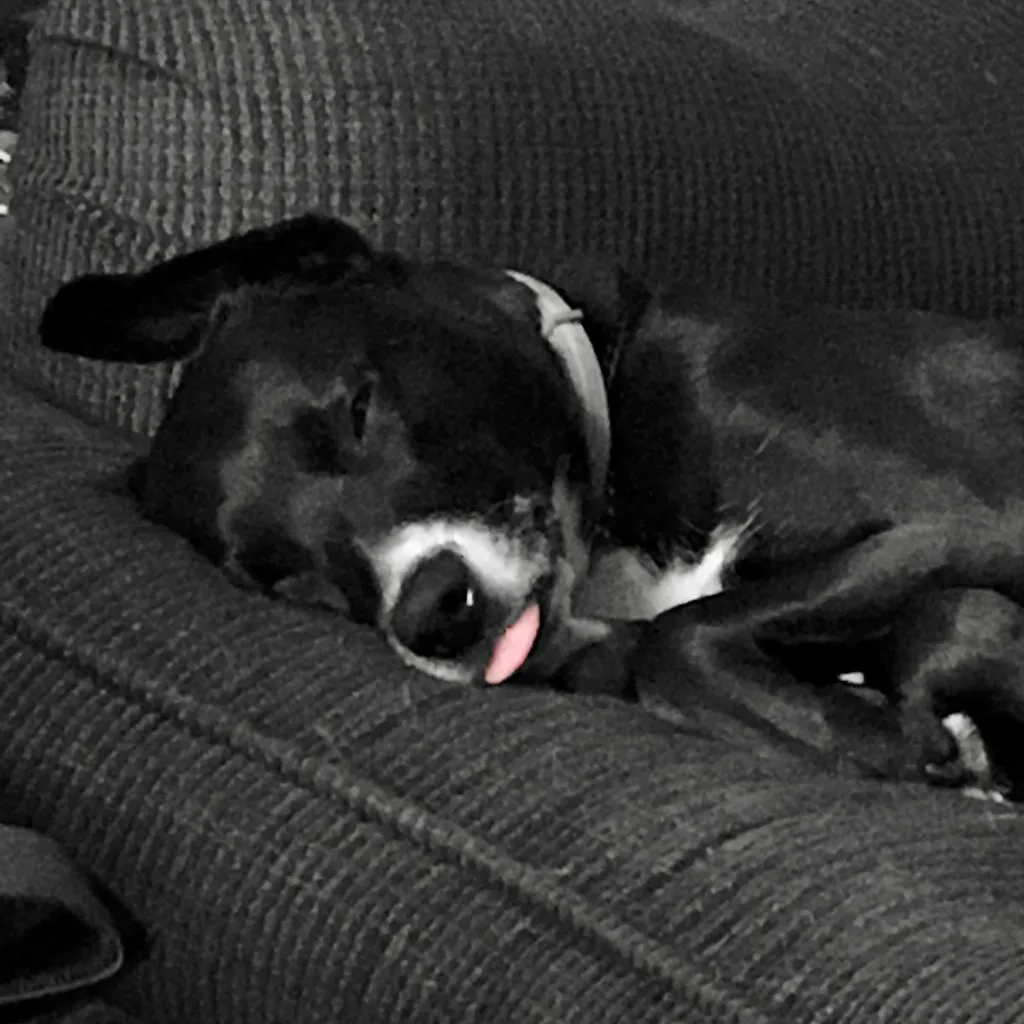
When your dog chooses to sleep facing the door, it’s not just about instinct. This behavior can be a blend of protection, awareness, and love. It’s one of the many ways dogs remind us that their loyalty runs deep. From that perspective, the behavior is worth appreciating rather than immediately redirecting. It’s your dog doing what dogs have always done for the people they’re bonded to.
For a dog prone to anxiety, that proximity is what allows them to sleep at all. If the behavior seems calm and consistent, most veterinarians see no reason to change it. What to watch for is a change in sleeping patterns, which usually means being awake at unusual times, but could also mean sleeping in strange positions or places. Any sudden shift from an established pattern is worth noting, especially as dogs age.
The Bond Behind the Position
Research from Arizona State University’s Canine Science Collaboratory found that dogs increase stress behaviors and protective responses when their owner is in distress, showing emotional contagion between dogs and their humans. The foot-of-the-bed position is a physical expression of this connection. Your dog isn’t just occupying space. They’re staying close to the person who matters most to them.
Your dog’s own bed, no matter how comfortable, cannot replicate the neurological safety signal that your proximity provides. That’s worth sitting with for a moment. The strategic position facing the door, the light alertness even during sleep, the deliberate placement at the foot rather than sprawled across the middle of the mattress. It all points to the same thing: a dog that has quietly made you their priority, even at rest.
Final Thoughts
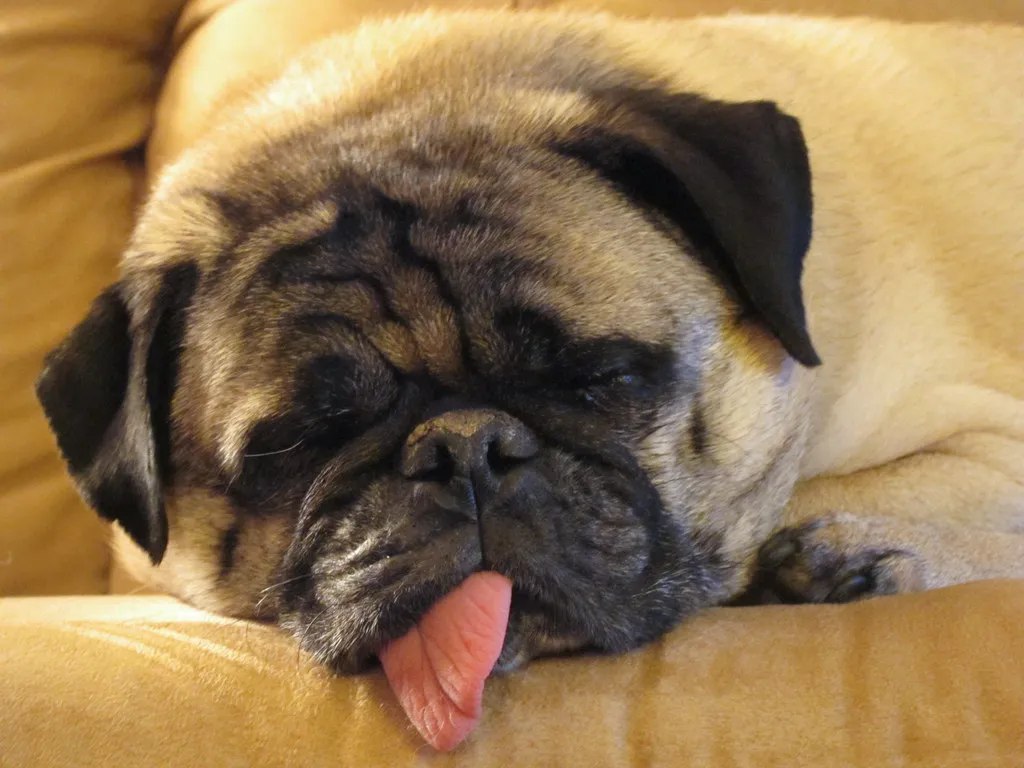
What looks like a simple sleeping preference turns out to be a layered mix of evolutionary instinct, thermal comfort, emotional security, and genuine affection. Your dog isn’t randomly landing at the foot of your bed each night. The position, the orientation toward the door, the light half-sleep that keeps one ear always listening. All of it is purposeful.
Understanding the why doesn’t change the behavior, but it does change how you see it. That warm weight at the end of your mattress, facing the door while you sleep, is one of the quieter forms of loyalty that dogs offer. It’s been there since humans and dogs first started sharing sleeping spaces, and it doesn’t seem to be going anywhere.
AI Disclaimer: This article was created with the assistance of AI tools and reviewed by a human editor.