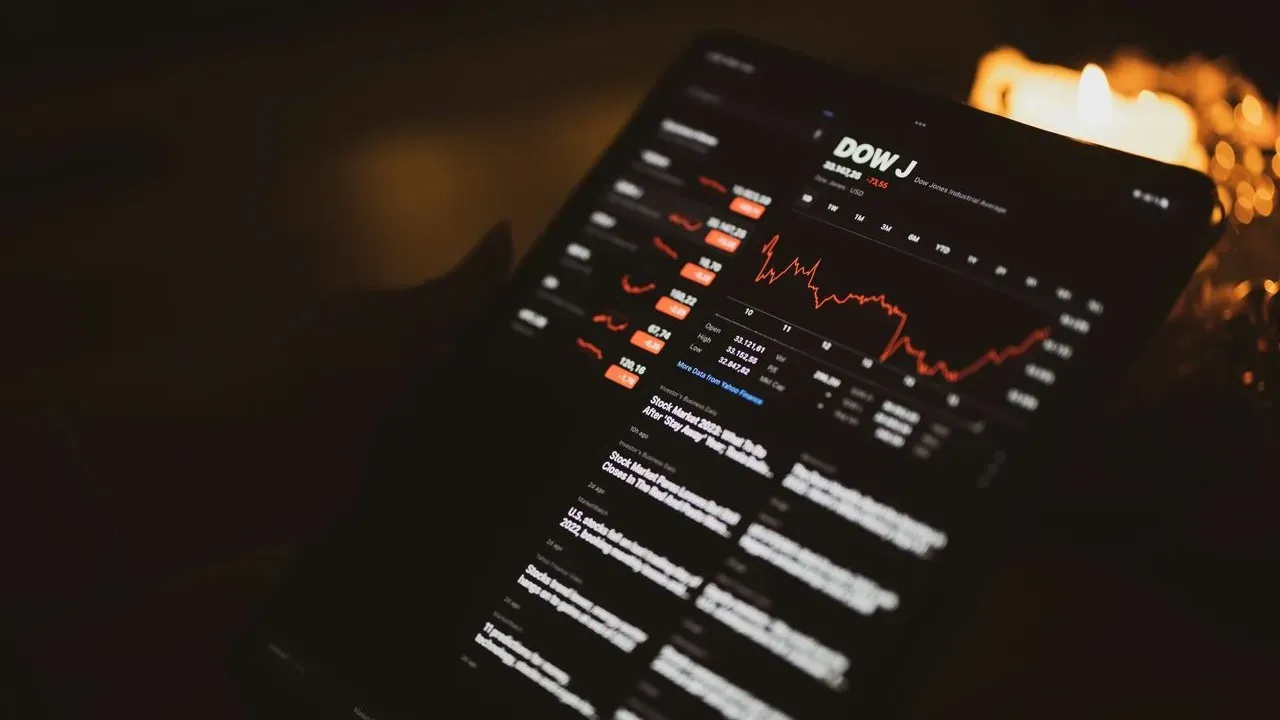

Wall Street registered a sharp rally on the day after the 2026 midterm elections, with the Dow Jones Industrial Average climbing roughly 1,500 points. The advance came as results showed Democrats securing control of Congress, setting up a divided government in Washington. Analysts pointed to the likelihood of legislative gridlock as the main driver behind the market move.
Market Reaction to the Midterm Results
The surge unfolded quickly once vote counts confirmed the shift in congressional power. Traders appeared to price in a period of limited new legislation rather than any single policy victory. Major indexes across the board posted gains, reflecting broad investor relief over the outcome. The move reversed some of the volatility that had marked trading in the weeks leading up to the election.
Why Gridlock Drew Investor Support
Wall Street analysts noted that divided government tends to reduce the chance of large-scale tax or spending initiatives. Such packages can introduce uncertainty for corporate earnings and long-term planning. With both parties holding meaningful leverage, the prospect of sweeping changes faded, which many investors viewed as a stabilizing factor. Historical patterns show similar market responses after past midterms that produced split control of government.
Practical Effects on Policy and Households
A gridlocked Congress is expected to slow or block major new fiscal measures in the near term. That outcome could keep existing tax rules and spending levels largely intact for the next two years. Businesses and households may face fewer abrupt shifts in rates or regulations as a result. The market reaction suggests investors see continuity as preferable to rapid policy swings in either direction.
Outlook for Savings and Spending
The rally offers a reminder that markets often respond to political stability more than to any one party’s agenda. Retirement accounts and other investment portfolios tied to major indexes saw immediate gains from the move. Still, analysts caution that future performance will depend on how lawmakers navigate the divided landscape. The episode underscores how election results can influence household finances even when no new laws are passed.
AI Disclaimer: This article was created with the assistance of AI tools and reviewed by a human editor.