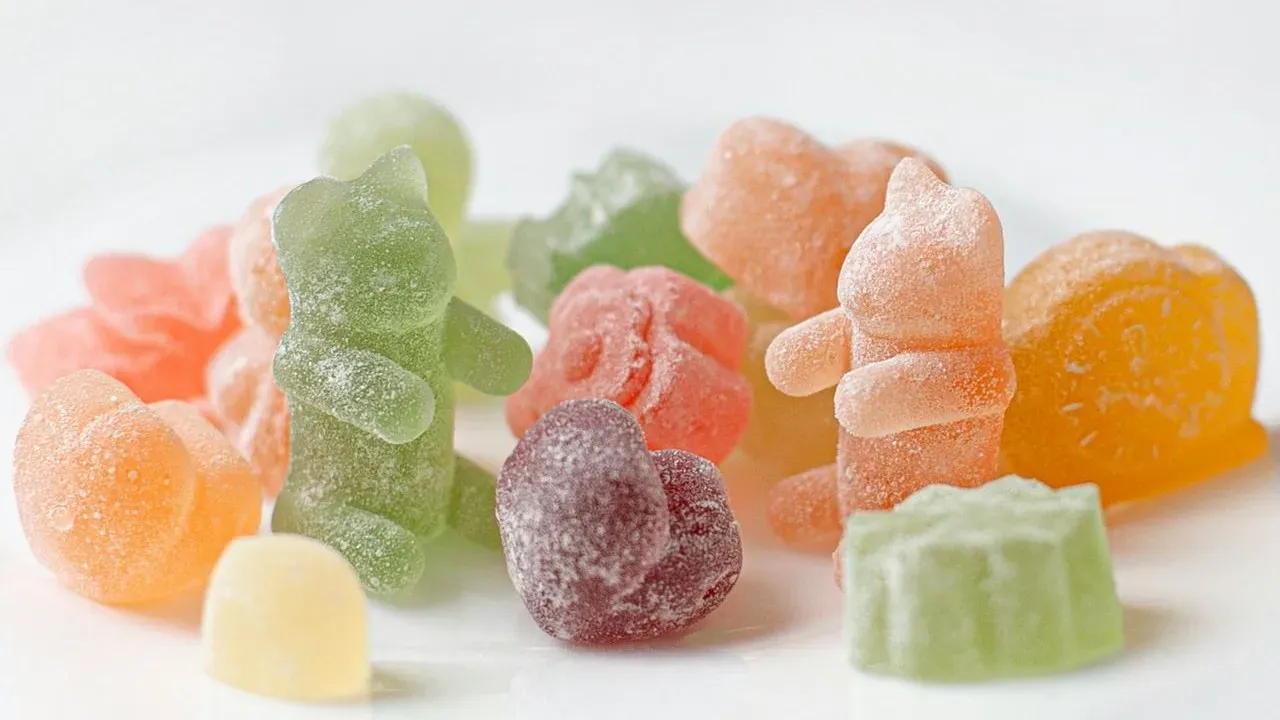

Mondelēz International has filed a federal lawsuit against Joyride Sweets, the candy company co-owned by YouTube creator Ryan Trahan. The complaint alleges that Joyride’s Sour Smacks gummies copy the look and packaging of Sour Patch Kids too closely. The case was filed Monday in the U.S. District Court for the Northern District of Illinois Eastern Division. ([1])
Claims of Design Copying
The complaint states that Sour Smacks features nearly identical kid-shaped gummies and uses yellow and green packaging that Mondelēz says is meant to copy its brand. Mondelēz argues these similarities create consumer confusion and allow Joyride to profit from the established goodwill of Sour Patch Kids. The company notes that the products often sit side by side on store shelves, increasing the chance that shoppers might pick the wrong item. Mondelēz further claims it contacted Joyride multiple times before filing suit to request that the alleged infringement stop. According to the filing, Joyride declined to make changes. The snack maker says it turned to litigation only after those efforts failed.
Timeline of the Products
Joyride began selling sour gummy bears in 2020 under a generic name. The company introduced the Sour Smacks line with its current humanoid-shaped gummies and updated packaging in 2025. Mondelēz contends that this redesign crossed into direct imitation of its Sour Patch Kids mascot and color scheme. The lawsuit describes the move as a deliberate strategy to ride on the popularity of the established brand. It asks the court to halt the alleged infringement and award monetary damages for the claimed harm.
Broader Context in Food Packaging Disputes
Packaging plays a major role in consumer choices. Studies have shown that design elements influence purchase decisions for a large majority of shoppers. Food companies have pursued similar legal actions in recent years to protect brand identity. Earlier in 2025, Mondelēz pressed Aldi to alter packaging for several private-label items that resembled Oreos and other company products. J.M. Smucker also sued Trader Joe’s that year, alleging copycat versions of its Uncrustables sandwiches. These cases reflect a pattern of manufacturers defending distinctive visual elements against perceived knockoffs.
Next Steps in the Case
Joyride has not yet responded publicly to the filing. A company spokesperson did not reply to requests for comment at the time the suit was reported. Mondelēz stated it has received no communication from Joyride since the complaint was lodged. The court will now consider the request for an injunction and any potential compensation. The outcome could influence how closely new candy products can mirror established designs without triggering legal challenges.
AI Disclaimer: This article was created with the assistance of AI tools and reviewed by a human editor.