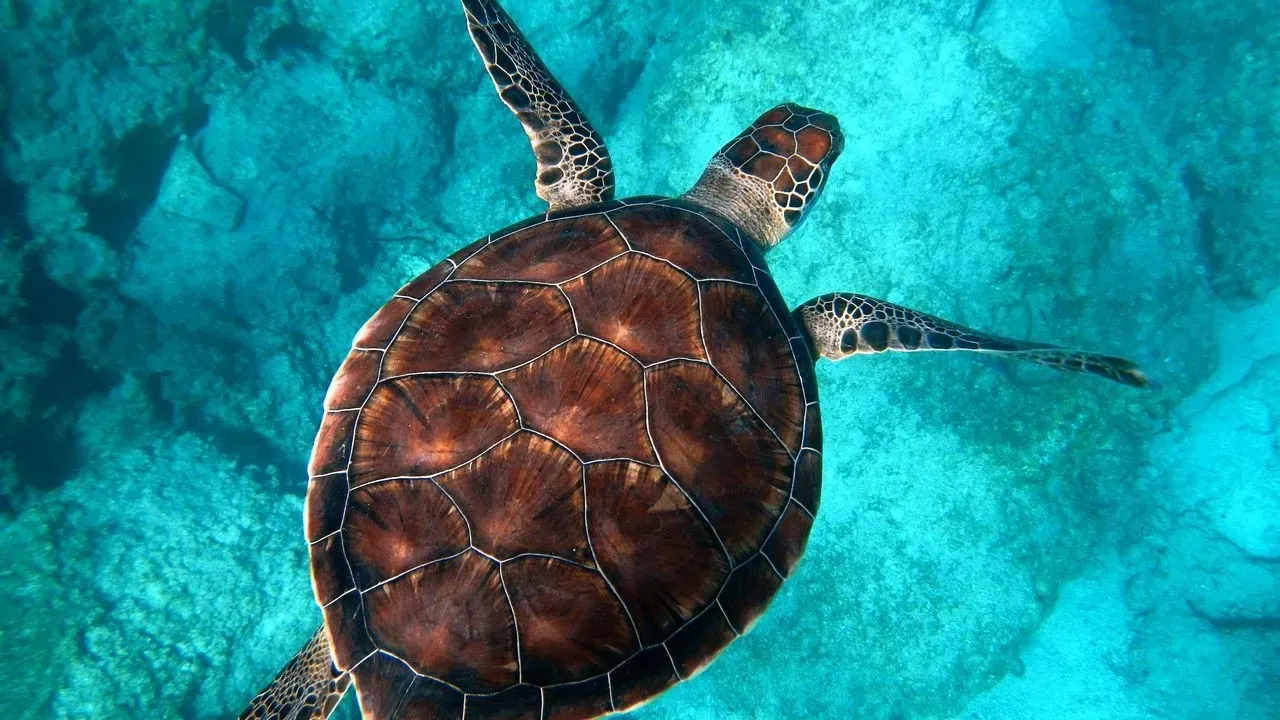

Ventura, California – A quiet stretch of beach near the Ventura Pier became the site of an uncommon wildlife event over the weekend when an olive ridley sea turtle nest was confirmed there. The find marks only the third documented case of this species nesting along the Southern California shoreline. Experts and residents alike are watching closely as the eggs develop in an environment far from the turtle’s typical tropical range. ([1])
Discovery Details and Local Reaction
The nest was located on Sunday, drawing immediate attention from wildlife officials who secured the area. Olive ridley turtles usually nest in warmer waters farther south, so the appearance here stands out as unusual. Residents expressed a mix of wonder and concern over whether the clutch will succeed in cooler conditions.
One local, Natalie Sieman, described the sight as neat and beautiful yet worrisome because the habitat is not normal for these animals. She urged visitors to keep their distance and follow posted rules so the turtles can proceed without interference. Such respect helps give the eggs the best chance in an unfamiliar setting.
Context From Earlier Nests
Just weeks before this Ventura discovery, two additional olive ridley nests appeared on Orange County beaches in Huntington and Seal. Those clutches were carefully relocated to the Aquarium of the Pacific in Long Beach for protected incubation. The quick succession of finds has prompted questions about whether shifting ocean patterns are influencing turtle behavior along the coast.
Wildlife specialists point to El Niño conditions as a likely driver, noting that warmer waters can draw the animals northward. This environmental shift creates temporary opportunities but also raises survival challenges for eggs laid outside traditional ranges. The current nest remains in place for now, with monitoring underway to track its progress.
Legal Protections and Survival Odds
Olive ridley sea turtles fall under the Endangered Species Act, which carries strict penalties for any disturbance. Interfering with a nest can lead to fines reaching $50,000 or even prison time. These measures aim to safeguard a species already facing significant pressures in the wild.
Data from the National Oceanic and Atmospheric Administration underscores the steep odds: only one in 1,000 hatchlings typically reaches adulthood. Ventura residents are nevertheless hopeful that this clutch can beat those statistics. The incubation period spans 45 to 60 days, placing a possible emergence around the start of the new year.
Practical Steps for Observers
Anyone near the site should prioritize the turtles’ space above all else. Simple actions make a difference in supporting the nest through its vulnerable stages.
- Stay well clear of marked zones and avoid any contact with the sand around the nest.
- Follow all posted guidelines and report suspicious activity to authorities promptly.
- Limit nighttime visits, as artificial lights can disorient emerging hatchlings.
These measures help reduce human impact while the eggs develop naturally under observation.
Looking Ahead for Coastal Wildlife
The string of recent nests highlights how ocean conditions can bring unexpected visitors to California shores. Continued monitoring will reveal whether this pattern persists or remains an isolated response to current weather patterns. For now, the focus stays on giving these eggs every possible advantage in an unfamiliar stretch of sand.
AI Disclaimer: This article was created with the assistance of AI tools and reviewed by a human editor.