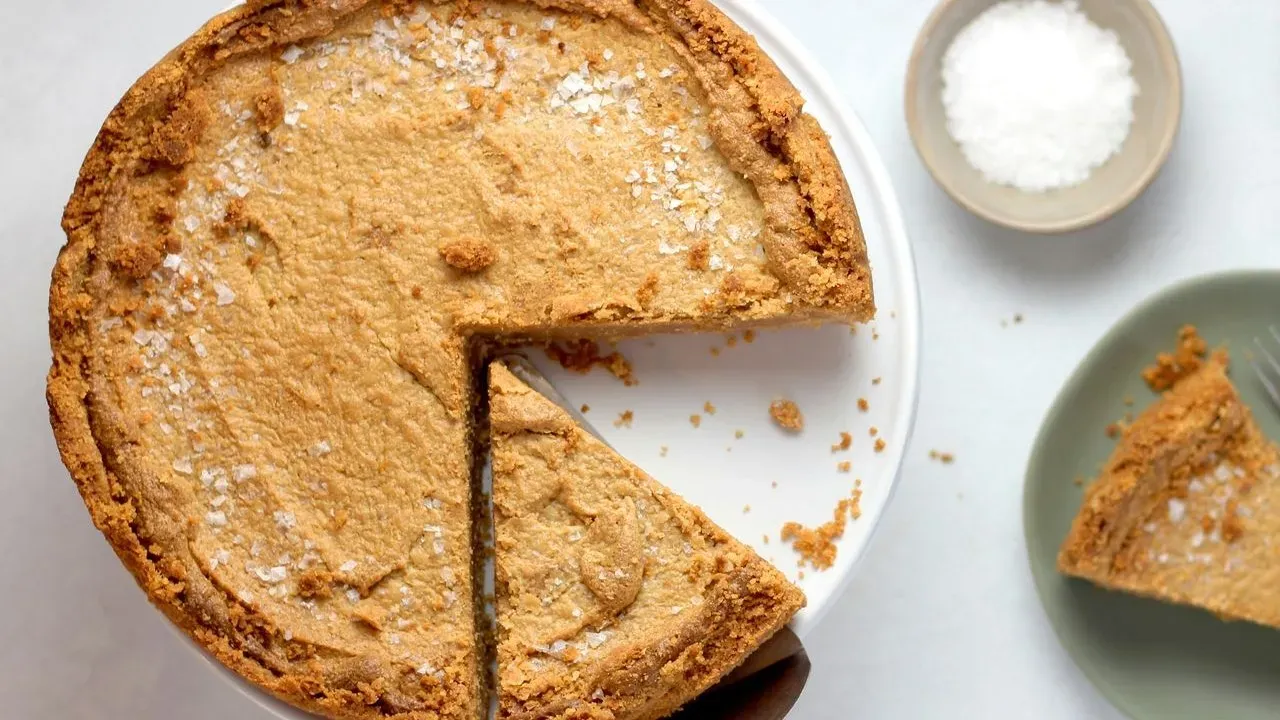

In South Louisiana, sweet potato pie remains a Thanksgiving staple that often arrives from a neighbor’s kitchen rather than a store shelf. Many of those bakers now accept orders through websites and social media, complete with menus and deposit policies that mirror small businesses. The practice operates under clear state rules that set boundaries on who can sell and how the transactions must occur. Those rules protect both the baker and the buyer while preserving a direct, small-scale tradition.
Louisiana Statute Permits Direct Home Sales
State law allows certain low-risk foods, including pies, to be prepared in home kitchens and sold to the public. The exemption covers baked goods such as breads, cakes, cookies, and pies along with candies, jams, and similar items. It removes the requirement for a commercial kitchen that meets the full Sanitary Code. The statute limits sales to direct transactions between the baker and the customer. Home bakers cannot sell to retail stores or anyone who plans to resell the items. Most operations remain one-person efforts because the exemption does not extend to businesses that employ additional help in food preparation. Annual gross sales also cannot exceed $30,000 without losing the home-kitchen allowance. Every item must carry a label stating that the food was not produced in a licensed or regulated facility. Many bakers repeat the same disclosure on their websites and order pages so customers understand the production setting before they buy.
Order Windows Close Weeks Before the Holiday
Timing differs sharply from a grocery purchase. A single baker has a fixed number of oven hours available before Thanksgiving, and once those slots fill, additional orders stop. Most home bakers announce a specific order period and separate pickup dates well in advance. Customers benefit from asking a few practical questions early. What is the final day to place an order? Which pickup days remain available? Is a deposit required, and how much? Will the pie be available for pickup or delivery, and what are the associated costs? How should the finished pie be stored until serving? Sweet potato pies in particular often need refrigeration or a cool spot rather than freezing, though exact instructions vary by recipe. Following the baker’s guidance helps ensure the pie arrives ready for the table on Wednesday evening.
Sweet Potato Breeding Ties Run Deep in the State
Louisiana’s connection to sweet potatoes extends beyond the kitchen. The LSU AgCenter has operated a Sweet Potato Research Station in Chase since 1949. The facility spans 308 acres and maintains one of only three active sweet potato breeding programs in the United States. The Beauregard variety originated from that program and is now grown across the country and internationally. Newer releases such as Orleans, Bayou Belle, and Avoyelles continue the work. As a result, the sweet potatoes featured in many local pies trace their lineage to Louisiana research efforts that have spanned more than seven decades.
Locating a Reliable Home Baker
Home bakers typically reach customers through word of mouth, church and school networks, and online platforms. Those who maintain websites usually post menus with prices, order deadlines, and the required home-kitchen disclosure. A clear menu, published holiday dates, and direct contact information signal a professional approach. Comparing a few options allows buyers to match preferences for flavor, size, and pickup convenience while staying within the baker’s stated limits. Planning ahead turns the purchase into one of the simpler elements of the holiday.
AI Disclaimer: This article was created with the assistance of AI tools and reviewed by a human editor.