
What Is Actually Happening in Your Heel

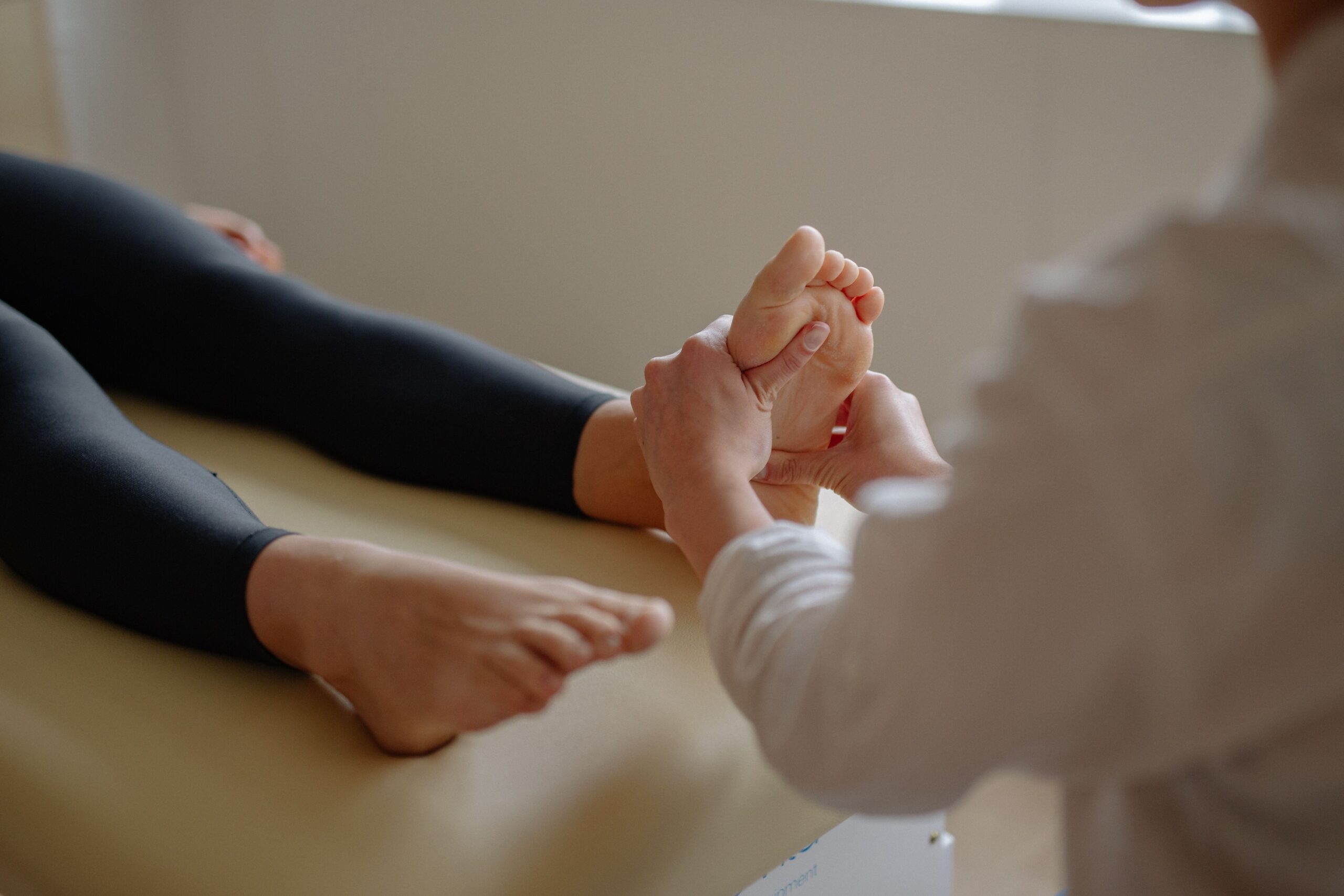
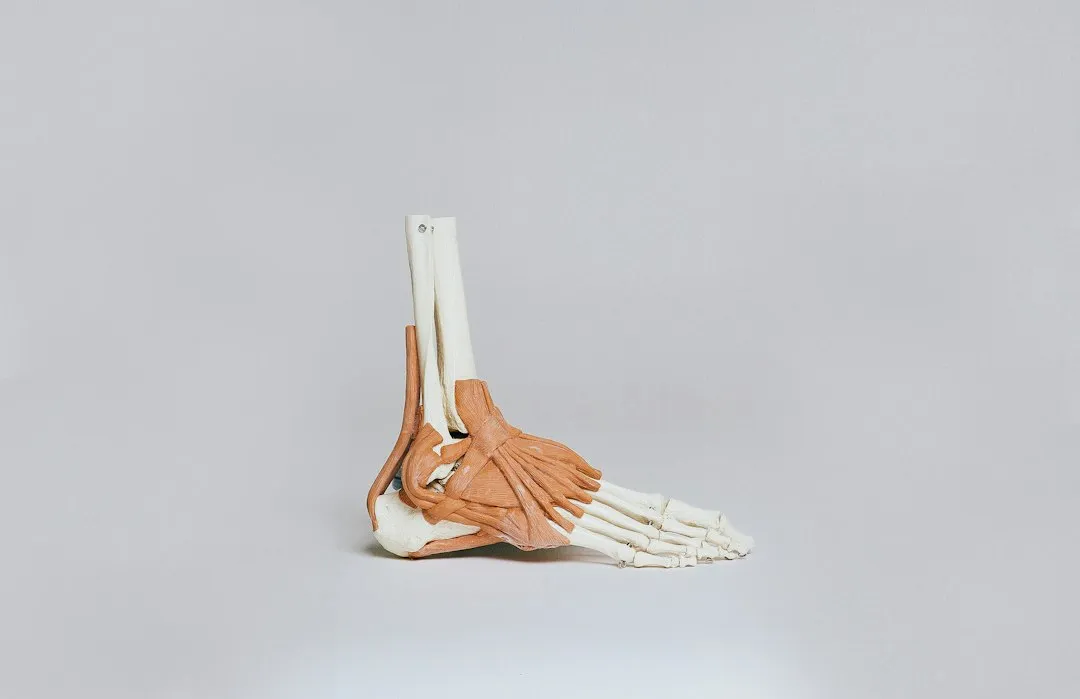
Plantar fasciitis is a degenerative syndrome that occurs due to repetitive trauma at the attachment point of the plantar fascia to the calcaneus, the large bone that forms the base of your heel. The plantar fascia itself is a thick band of connective tissue that runs along the sole of your foot, linking the heel bone to the base of the toes. When this tissue is repeatedly stressed, it breaks down at the microscopic level, causing inflammation and pain.
The main symptom manifests as heel pain that feels sharp, burning, or stabbing. It reaches its highest intensity during the morning after waking up because of the initial foot movements, then tends to subside somewhat as the person becomes more active. That brief window of relief is misleading. The underlying tissue damage is still there.
Why Mornings Are So Much Worse

Most people sleep with their feet pointed down, which relaxes the plantar fascia overnight. This is one of the primary reasons for morning heel pain. During those hours of rest, the fascia shortens and tightens. The moment you load your full body weight onto it with that first step, the tissue is suddenly stretched from a contracted state, and that’s when the sharp pain fires.
The persistence of heel pain upon waking up in the morning or after sitting for a long time, combined with tenderness on examination, is a hallmark indicator of nociceptive pain in plantar fasciitis patients. This is why the pain also tends to flare after you’ve been seated at a desk for an extended stretch, then stand up again. Any prolonged period of rest triggers the same cycle.
Just How Common Is This Condition
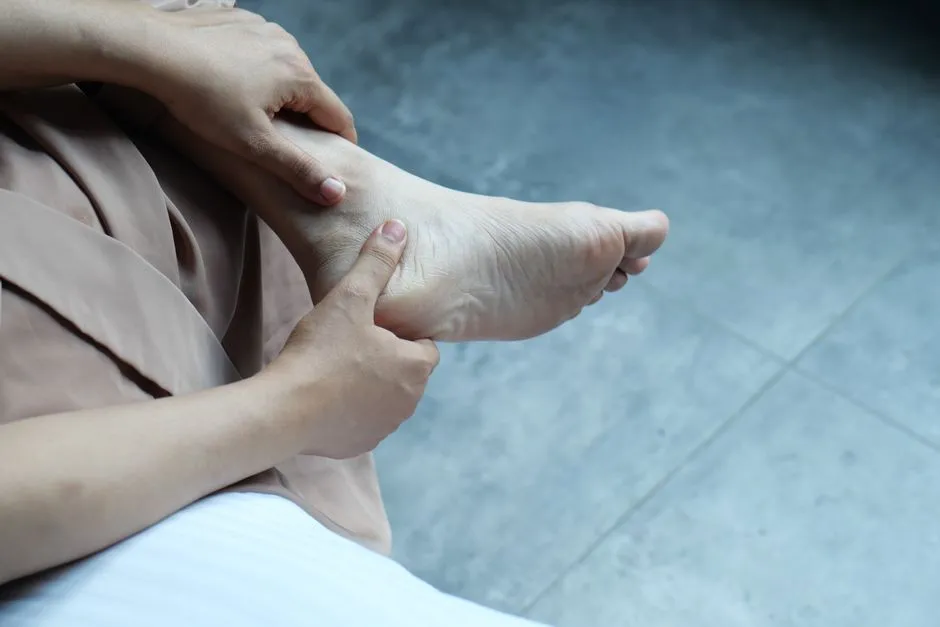
A 2024 study using National Health and Nutrition Examination Survey (NHANES) data found that 11.1% of U.S. adults report plantar heel pain. That’s more than one in ten Americans. Plantar fasciitis is also a frequent problem globally, affecting roughly 10% of people worldwide at some point during their lifetimes.
Plantar fasciitis occurs in approximately 10% of the general population, with 83% of these patients being active working adults between the ages of 25 and 65. It’s not just a condition for older adults or elite athletes. Research highlights a significant prevalence among university students aged 20 to 30, emphasizing that plantar fasciitis is increasingly affecting younger populations, particularly those engaged in activities that place repetitive stress on the feet.
The Morning Pain Statistic That Should Surprise You

About 94% of those with plantar fasciitis experience pain during their first few steps in the morning. That figure is remarkably consistent and makes morning pain almost a defining feature of the condition rather than just a common symptom. Similarly, about 92% of people with plantar fasciitis experience pain when standing after a period of sitting.
Among those diagnosed, 45% report moderate pain, 28% report mild pain, and 25% report severe pain. That last group, one in four people with plantar fasciitis, is dealing with something genuinely disruptive to daily life. Almost 54% of those with plantar fasciitis report that their pain at least moderately interferes with their work.
Who Is Most at Risk
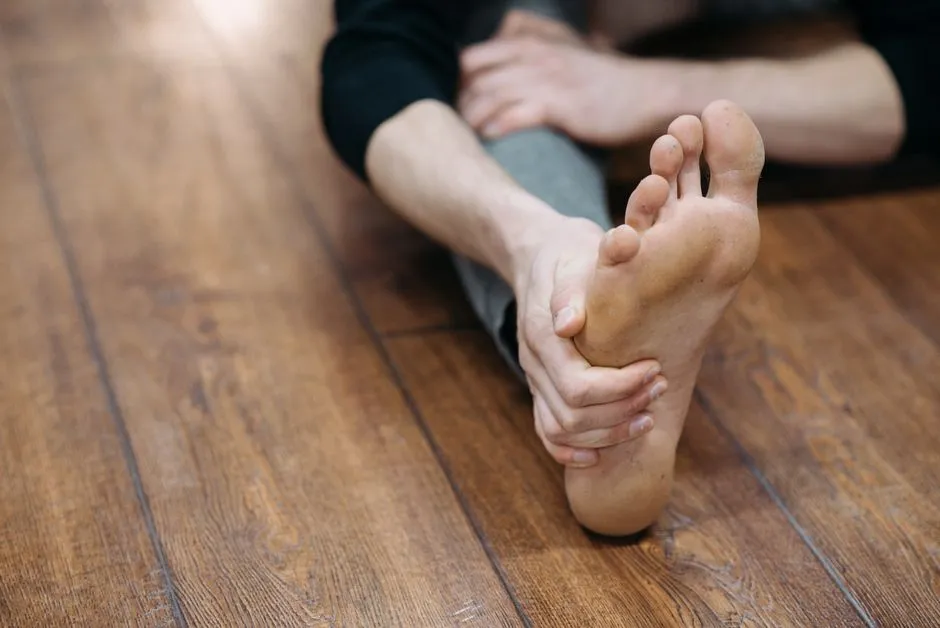
Plantar fasciitis affects approximately 10% of the population, occurs more frequently in women, and typically presents between 45 and 60 years of age. However, age is only one part of the picture. Females are 2.5 times more likely to report plantar fasciitis than males.
Factors such as excessive physical activity, improper footwear, and biomechanical abnormalities are recognized contributors to the development of plantar fasciitis. Obesity, sedentary lifestyle, wearing inappropriate shoes, frequent running, and long periods of standing are also significantly associated with the condition. Occupations that keep people on their feet all day are particularly relevant, with one 2024 study finding that 30.3% of sales promotion workers in a cross-sectional study were diagnosed with plantar fasciitis.
The Role of Stretching, and Why It Matters Most

Daily plantar fascia-specific and calf stretches reduce pain and speed recovery. This is consistently the most evidence-supported self-care approach available. The 2023 updated clinical practice guidelines from the Academy of Orthopaedic Physical Therapy specifically recommend plantar fascia-specific stretching and calf stretching as first-line treatment.
Plantar fasciitis is aggravated by tight muscles in the feet and calves, and stretching those muscles is the most effective way to relieve the associated pain. Doing a short stretching routine before your very first step out of bed, while still seated, is one of the simplest and most practical interventions there is. It prepares the tissue before it’s suddenly loaded with body weight.
Night Splints: The Evidence Is Stronger Than You Might Expect
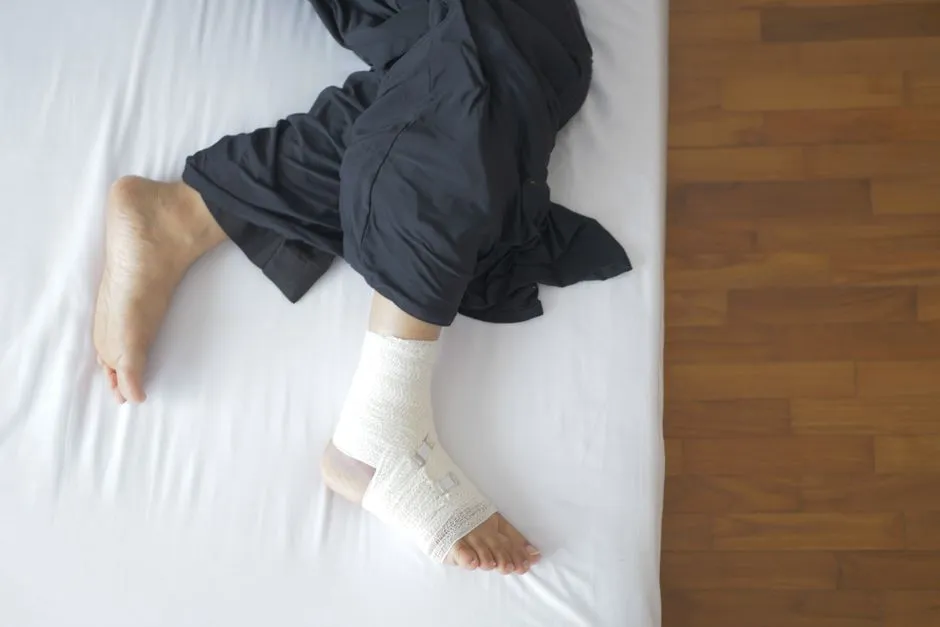
Night splints are particularly helpful for patients with morning pain or stiffness, as they maintain the plantar fascia in a lengthened position overnight. Instead of the fascia contracting while you sleep and then being violently stretched with your first step, a splint keeps it gently extended the whole time. The evidence base for night splints is strong, with multiple randomized controlled trials and systematic reviews supporting their effectiveness. A landmark study found that 80% of patients who used night splints reported significant improvement in morning pain after 12 weeks, compared to 60% of patients using stretching exercises alone.
A Cochrane review of conservative treatments for plantar heel pain concluded that night splints provide clinically meaningful improvement in pain and function, particularly for patients who have not responded to initial treatment with stretching and insoles alone. The review noted that night splints are most effective when used as part of a multimodal treatment program rather than as standalone therapy. That last point is worth remembering: combination approaches consistently outperform any single intervention.
What About Orthotics and Footwear

Biomechanical support, including taping or strapping, over-the-counter insoles, custom foot orthoses, and weight management, is considered safe and effective in the treatment of plantar fasciitis. Footwear is one of the more underappreciated factors. Walking barefoot on hard floors first thing in the morning is one of the worst things you can do when the fascia is already inflamed and stiff.
Research concludes that the prevalence of plantar fasciitis is high in females wearing high heels, and an increase in the total duration of wearing high heels with hard soles increases the symptoms of plantar fasciitis. Footwear choices, whether high heels or unsupportive flat shoes, can quietly worsen the condition over months before the connection becomes obvious.
When Conservative Treatment Isn’t Working
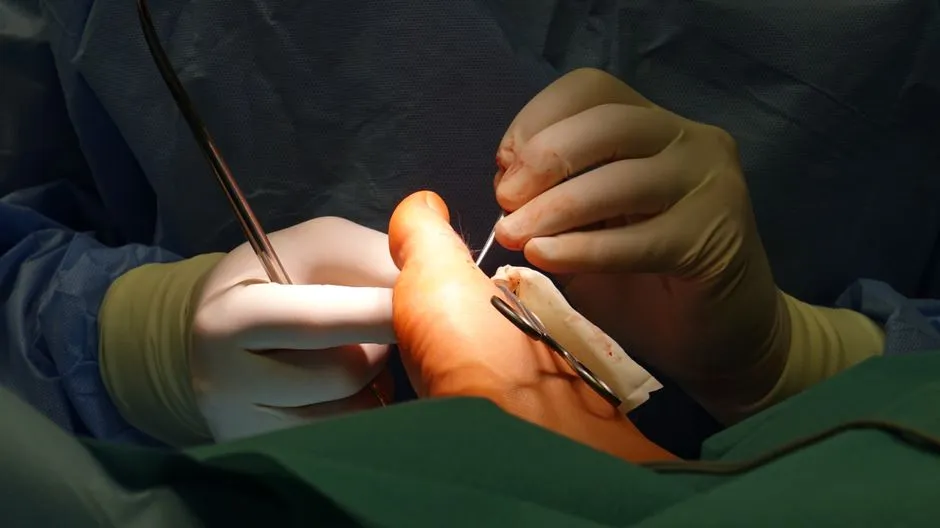
A comprehensive 2025 review developed through a rigorous literature review using PubMed and Cochrane integrates high-quality evidence and categorizes 30 plantar fasciitis treatments into four phases: initial therapies, intermediate therapies, specialized therapies, and last-resort surgical therapies. For most people, surgery never enters the picture.
A wider set of treatment options includes stretching, strengthening exercises, taping, footwear modifications, orthotic support, corticosteroid injections, shockwave therapy, dry needling, night splints, low-light laser therapy, and electrotherapy. Each of these has a specific evidence profile, and the right combination depends on how long symptoms have been present and how severe they are. A podiatrist or musculoskeletal physiotherapist can map out that path with some precision.
The Genuinely Good News About Recovery
Roughly 80 to 90% of plantar fasciitis cases resolve without surgery within 10 months. That’s a genuinely encouraging figure, though it can feel cold comfort when you’re hobbling through your morning routine. The disorder typically follows a cyclical course and resolves favorably in 80 to 90% of cases within 6 to 12 months after onset.
The key variable in that timeline is usually consistency. People who stretch regularly, address their footwear, and use night splints when recommended tend to recover faster than those who simply wait it out. The condition rewards steady, unglamorous effort far more than dramatic one-off interventions.
Final Thoughts

Morning heel pain has a way of turning something as simple as getting out of bed into something you dread. The good news is that plantar fasciitis is one of the more thoroughly understood and treatable musculoskeletal complaints, with a growing body of research pointing clearly toward what actually works.
Most people get better. The process takes patience, consistency, and a willingness to make small adjustments, to how you sleep, what you wear on your feet, and how you move in those first minutes of the day. Those first steps don’t have to be the worst part of your morning.
AI Disclaimer: This article was created with the assistance of AI tools and reviewed by a human editor.