

How Common Hearing Loss Really Is Among Older Adults
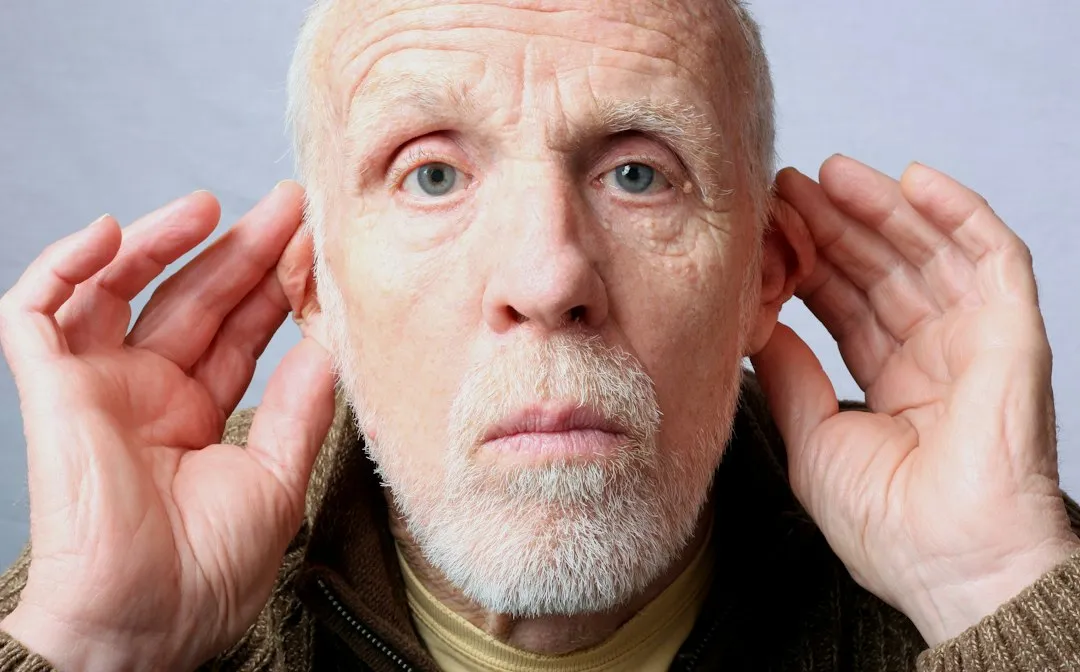
Before getting into the practical tips, it helps to understand just how widespread this issue is. One in three Americans aged 65 to 74 has hearing loss, and nearly half of those over the age of 75 have trouble hearing. These are not small numbers.
In a nationally representative study of adults aged 71 years or older, 65.3 percent, representing 21.5 million individuals, had hearing loss. That covers a large proportion of grandparents in the United States today.
Hearing loss is the third most common health condition in older age, after arthritis and heart disease. It affects how people communicate, how they feel at social events, and even how their brains function over time. Treating it as a minor inconvenience misses the full picture.
The Core Tip: Seat Your Grandparent in the Right Spot
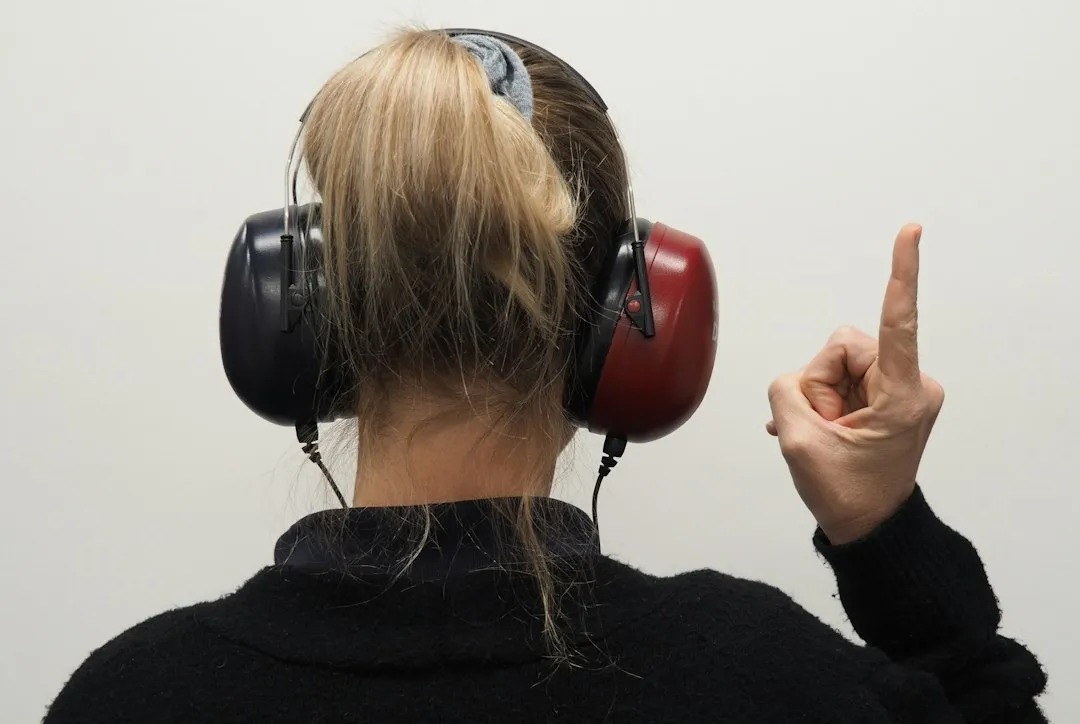
When it comes to holiday meals, seating those with hearing loss where they’re most likely to have the best experience matters greatly, and a middle seat at the table can make it easier for them to hear everyone around them. This single adjustment is one of the most impactful things a host can do.
Group conversations are the most challenging listening environment for most people with hearing loss, and families can help by establishing some informal norms, including choosing seating arrangements that position the family member with hearing loss at the end of the table rather than the middle of a long bench.
Seat loved ones wearing hearing devices as far away from the kitchen as possible, where loud bangs and clangs can occur during meal prep and serving, and position them so they can see everyone’s faces to help with reading lips and following conversations. Even a shift of two seats can make a real difference.
Round Tables Are Genuinely Better
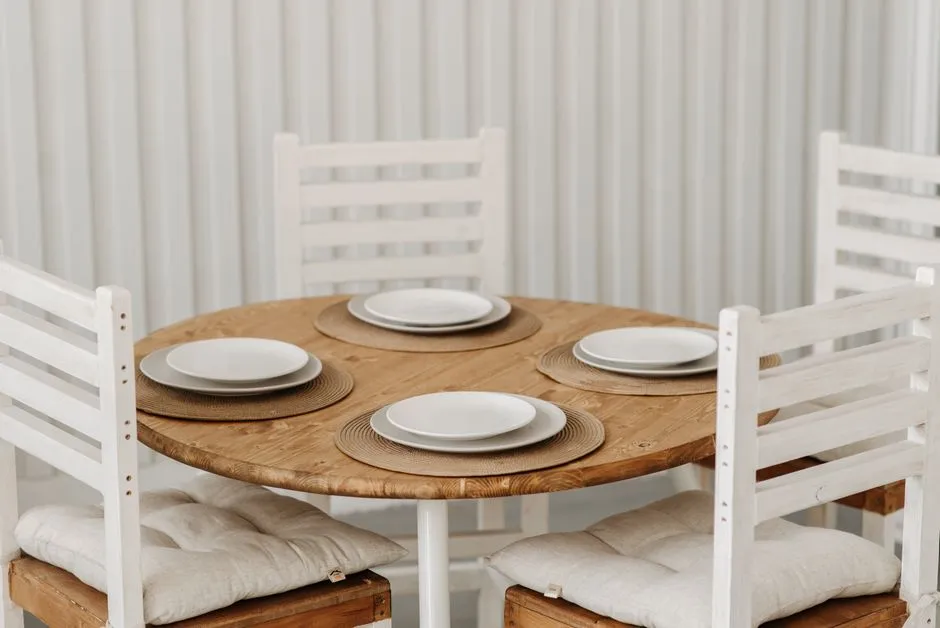
Round tables make it easier for someone with hearing loss to both see and hear everyone they’re sitting with. If you have the option, this is worth considering when setting up your holiday dining space.
Round tables promote inclusive conversations, making it easier for those with hearing loss to participate. The geometry matters because it removes the problem of long rectangular tables where voices at one end simply cannot reach the other.
If your household only has a long rectangular table, asking a hard-of-hearing guest to be placed at the head of the table can help, because from this position they can see everyone’s faces better and follow the many discussions around the table.
Lighting Matters More Than Most People Realize

The single most consistently effective communication strategy is face-to-face positioning with adequate lighting, because the human visual system provides a substantial supplement to degraded auditory information through lip-reading, and making sure your face is well-lit and visible before speaking meaningfully improves intelligibility.
Always turn on extra lights to make the season bright, as dim lighting makes it hard for guests to follow and fully participate in family conversations. Candles and soft ambient lighting may look festive, but they work against a grandparent who relies on reading lips and facial expressions.
Clear sightlines, minimal background noise, and ample lighting allow guests with hearing loss to see and hear more, as well as use techniques like lip-reading. Think of lighting as a hearing aid you don’t have to buy.
Turn Down the Background Music

Background noise management is another high-impact strategy, and turning off the television before beginning a conversation, choosing seating away from speakers, and reducing competing audio sources in the home are all practical steps.
Hearing loss often manifests itself as a struggle to perceive conversations in the presence of noise, and you don’t have to eliminate background sound, but keeping holiday music or games on TV to a lower volume with captions on means chances are everyone will appreciate it.
Once everyone is seated at the dinner table, lower the volume or turn off the music completely to facilitate socializing and conversation. It’s a small ask that pays off across the entire meal.
Remove Visual Obstacles From the Table
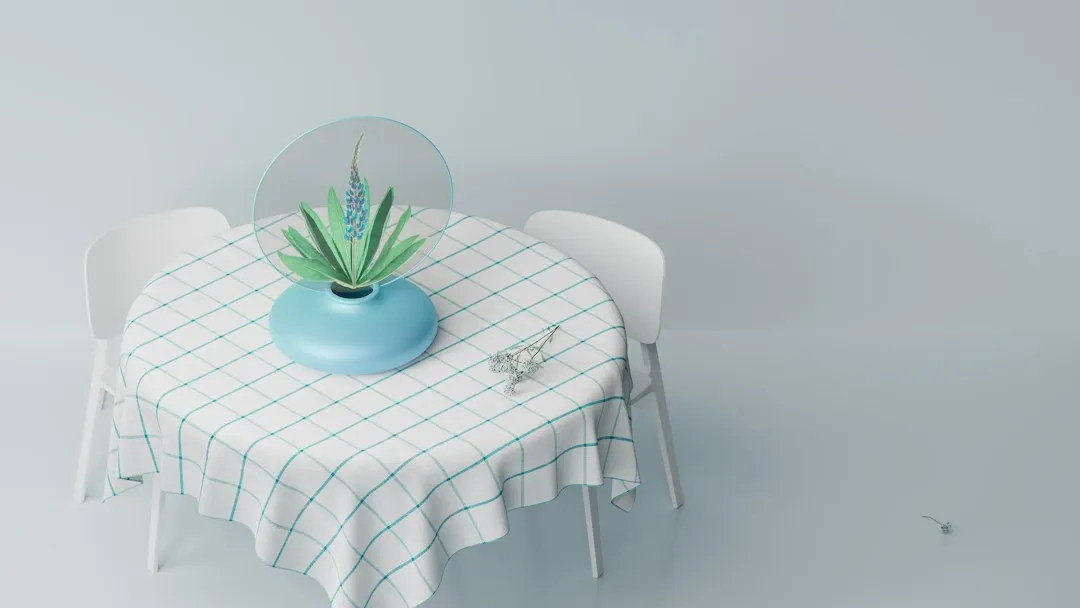
You’ll also want to lower the music volume, switch off the TV, and remove any visible obstructions from the table, like tall centerpieces or candles, before mealtime. A tall floral arrangement or a multi-tiered centerpiece can cut off a grandparent’s line of sight to other guests across the table.
Face the person directly so that your face is in plain sight, and do not block your mouth with your hands or eat while trying to communicate. These habits are easy to overlook but they matter a great deal during busy holiday meals.
The goal is to keep the table visually open. What looks elegant in a centerpiece can function as a wall for someone who depends on seeing faces to follow the conversation.
Designate a “Hearing Helper” at the Table
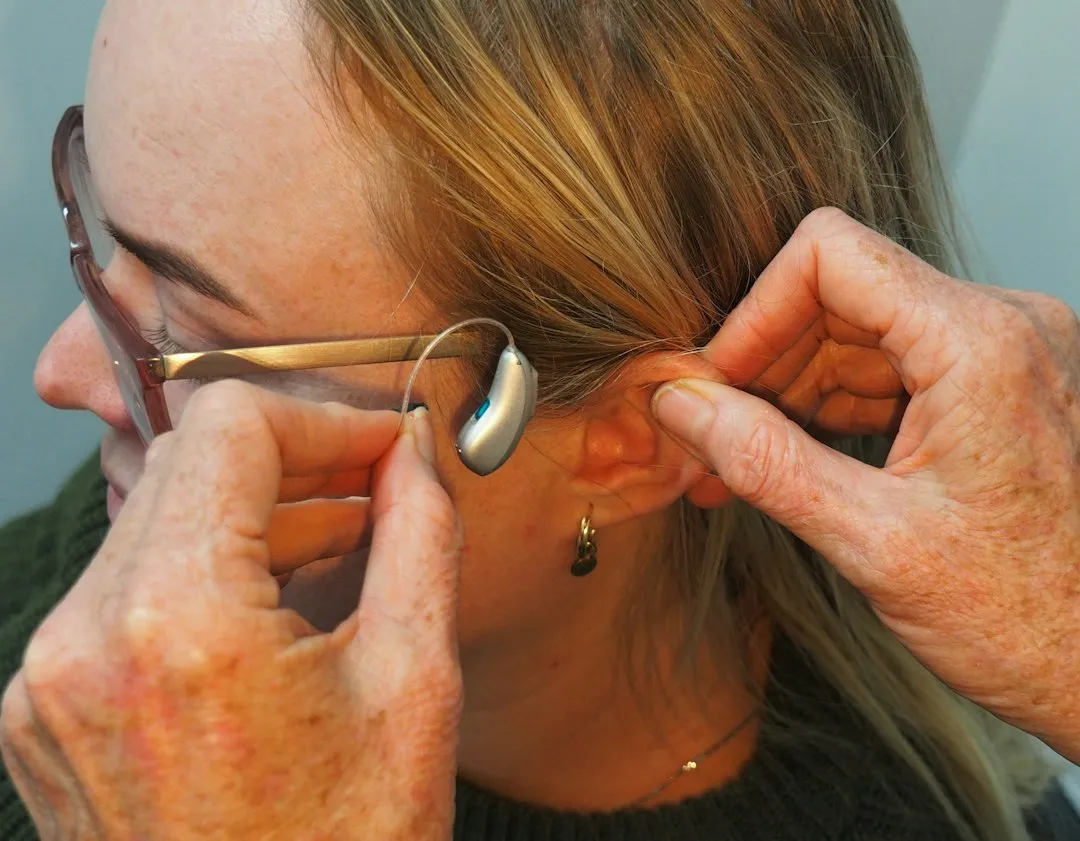
Designating a hearing helper is worth considering, because if the conversation at the table jumps around and gets complex, this person can help their loved one by repeating important talking points so no one gets left behind. It’s a simple role that any family member can fill.
Family members can help by avoiding several people speaking simultaneously to a parent at once. This is one of the most common ways a hard-of-hearing person gets lost at a large table, and it can be gently managed with just a little awareness.
It doesn’t take a formal announcement to make this work. One trusted family member who naturally monitors whether Grandma or Grandpa is keeping up, and quietly summarizes when needed, can make the difference between a grandparent feeling included and feeling invisible.
Face-to-Face Communication Is Non-Negotiable

For many hard-of-hearing individuals, reading lips is an important part of their communication, and if they don’t exactly hear what was said, they can often use lip-reading to fill in the blanks. This is why face-to-face positioning is emphasized by audiologists so consistently.
Before speaking, say their name or gently touch their arm, and make sure they’re looking at you and the lighting is good so they can see your facial expressions and lips. Getting their attention first avoids the confusion of someone responding to words they only partially heard.
Shouting or speaking too loudly can distort your words and make it harder for someone with hearing loss to understand you. Clear, moderately paced speech at a face-to-face distance is far more effective than volume alone.
Talk to Your Grandparent Ahead of Time
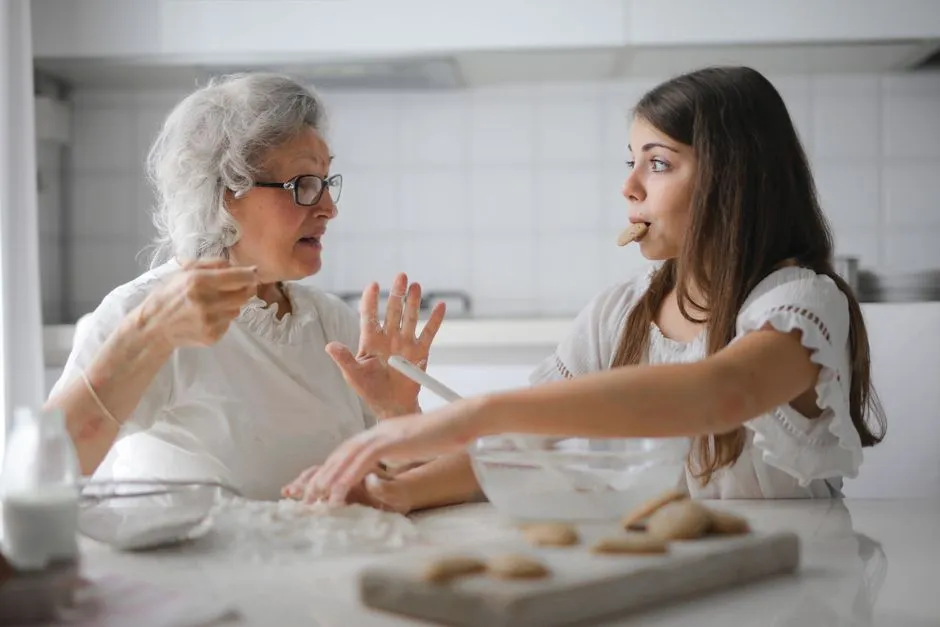
If heading to a family dinner or reunion, trying to reach out in advance helps greatly, by letting a close family member know about the hearing loss, how it presents problems in conversation, and the steps everyone can take to make communication successful.
Contacting the host before the event to make any special requests, like a particular seat at the table or a reserved area for quiet conversation, is a practical and low-pressure approach, and alternatively, you may consider hosting yourself so you can more easily control the seating arrangement, the lighting, the soundscape, and the size of the gathering.
Giving someone permission to share information about hearing loss with others helps remove the pressure of having to explain yourself repeatedly, and when people understand how to support you, conversations feel more natural, not more effortful. Planning ahead turns the holiday table from a challenge into something to look forward to.
The Emotional Toll of Being Left Out

Hearing loss can have a profound effect on a person’s life and can cause frustration, social withdrawal, and depression. These are not dramatic outcomes. They build quietly, gathering over the course of months and years of missed conversations.
The social withdrawal that frequently accompanies untreated or poorly managed hearing loss can create a self-reinforcing cycle. A grandparent who struggles at one family dinner may begin to avoid the next one.
In older adults, hearing loss is associated with an increased risk of cognitive decline. Research has found that hearing interventions can reduce cognitive decline in cognitively healthy older adults with hearing loss, and one study found that the provision of hearing aids would have a meaningful protective effect on cognitive changes compared to a control group over three years. Staying in the conversation is not just about comfort. It matters for long-term health.
The Takeaway

None of this requires a major renovation of how your family celebrates the holidays. It starts with something as practical as where you pull out a chair. Seating arrangements, music choices, acoustics, and practicing effective communication strategies can make parties and holiday gatherings more welcoming for people with hearing loss.
A grandparent who can see the faces around them, hear the conversation without competing noise, and follow along without constantly asking for repeats is not just more comfortable. They’re more themselves. And that’s what the holidays are really for.
AI Disclaimer: This article was created with the assistance of AI tools and reviewed by a human editor.