

It’s Far More Common Than You’d Expect

The habit is remarkably widespread. An online survey of over 1,000 American adults found that roughly six in ten people self-identify as mouth breathers. That’s not a niche problem – that’s a majority of the population spending their nights breathing in a way that doesn’t serve them well.
The same survey found that mouth breathing impacts sleep quality nearly as much as stress does, and more than a partner’s snoring, ambient noise, or an irregular sleep schedule. When you consider how much attention those other factors get, it’s striking that breathing route gets so little.
Research also suggests that people over the age of 40 are approximately six times more likely than younger adults to spend a significant portion of sleep epochs using mixed oral and nasal breathing. In other words, the habit tends to worsen, quietly, with age.
Why the Nose Was Built for the Job
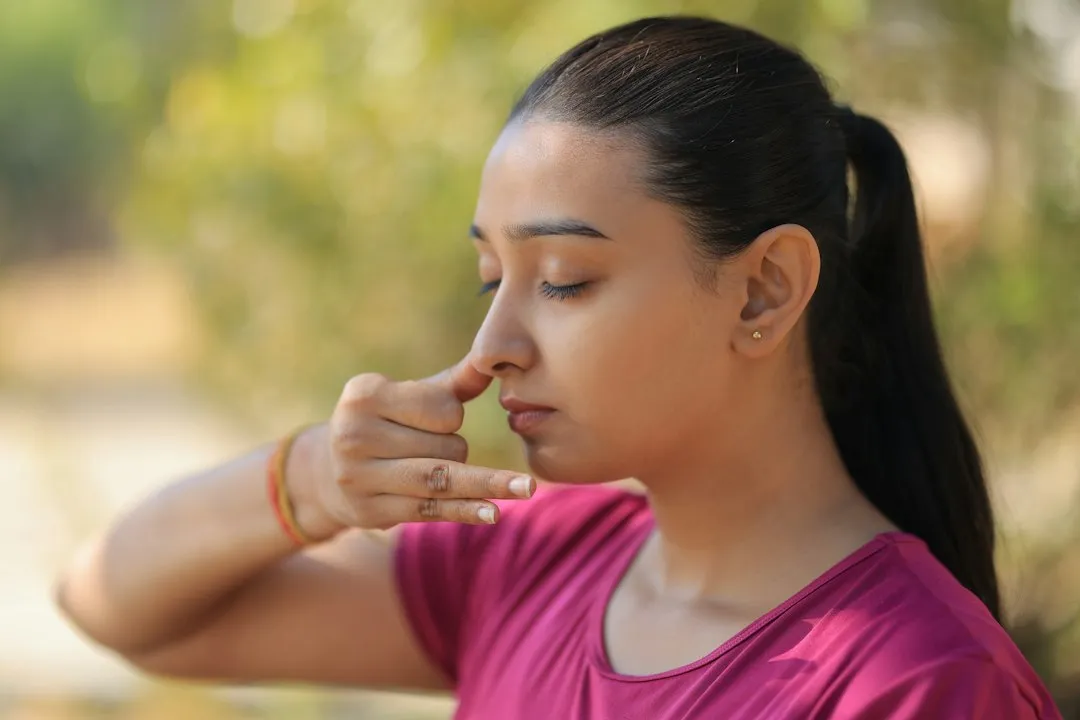
The nose isn’t just a passageway – it’s a sophisticated processing system. The nasal passage regulates airflow, temperature, humidity, and microbial filtration, while mouth breathing increases direct exposure of the nasopharyngeal mucosa to irritants and pathogens.
One of the most significant differences involves a molecule most people have never thought about. Nasally inspired air picks up nitric oxide produced in the sinuses, a gas with positive physiological functions including dilation of blood vessels and improved oxygen utilisation – all of which are bypassed entirely during mouth breathing.
Nasal breathing humidifies and filters the inhaled air, allows fuller breaths, and can help the body relax. Mouth breathing does none of these things consistently, and the gap matters far more during sleep than during waking hours, when the body has fewer compensatory tools available.
Sleep Fragmentation: The Silent Consequence
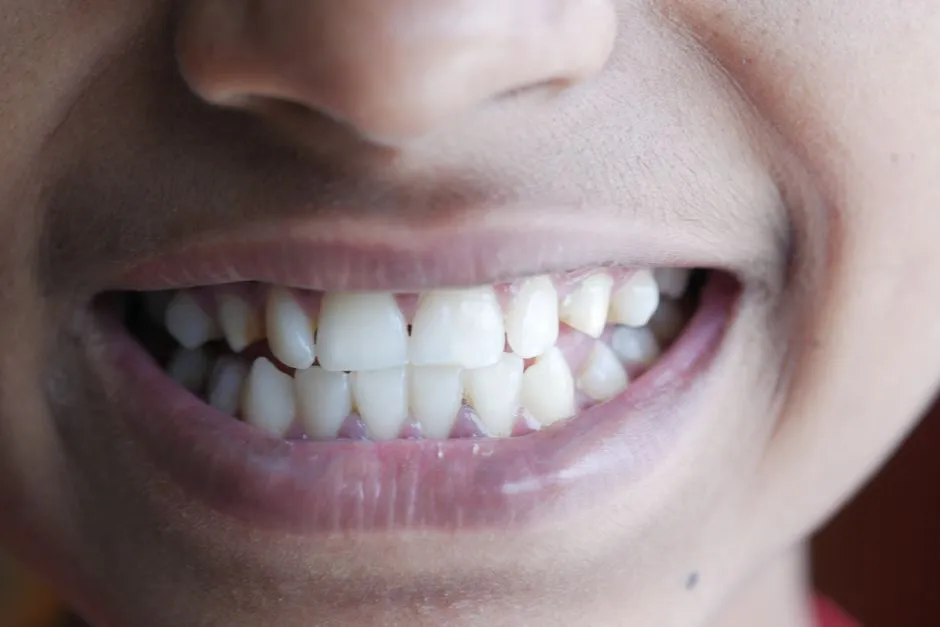
Mouth breathing is strongly associated with fragmented sleep and increased risk of sleep-disordered breathing. Fragmentation is insidious because it can happen without waking a person fully – the brain briefly arouses to restore normal breathing, then the person falls back asleep with no memory of the disruption.
Mouth breathing during sleep bypasses the nose’s natural filtration, humidification, and nitric oxide production, causing higher airway resistance, dry mouth, snoring, and reduced oxygen exchange – often resulting in chronic fatigue and poor sleep quality.
The cumulative effect of this over weeks and months is a person who consistently underperforms during the day, struggles with focus, and never quite feels rested, all without an obvious explanation.
The Airway Narrows When the Mouth Opens

An open mouth pushes the tongue back into the throat and narrows the airway, causing noisy airflow and frequent sleep disturbance. This is the mechanical reason why mouth breathers are disproportionately likely to snore.
Mouth breathing may also contribute to increased collapsibility of the upper airways because of decreased contractile efficiency of the upper airway muscles as a result of mouth opening. Put simply, an open mouth makes the whole airway less stable and more prone to partial collapse during sleep.
Subjects with more mouth breathing during sleep tend to experience more episodes of apnea than those with predominantly nasal breathing. The relationship between breathing route and airway stability is not incidental – it’s a direct mechanical link.
Children Are Particularly Vulnerable

The consequences of mouth breathing aren’t limited to adults. Research conducted between 2023 and 2024 found stark differences in pediatric sleep outcomes. Children in the mouth-breathing group exhibited significantly poorer sleep quality scores compared to nasal breathers, and mouth breathing in children was significantly associated with decreased sleep quality and reduced oxygen saturation during sleep.
In the long run, chronic mouth breathing in children can lead to craniofacial changes that maintain the habit, besides contributing to postural and hearing disorders. Signs of the syndrome include interrupted sleep, neurocognitive and behavioral disorders, learning difficulties, behavioral changes, and attention deficit.
Sleep disorders affect children’s quality of life and are closely related to mouth breathing, which is also a major cause of malocclusion. These aren’t cosmetic concerns – they’re systemic effects that can shape a child’s development in lasting ways.
The Oral Health Toll Is Cumulative
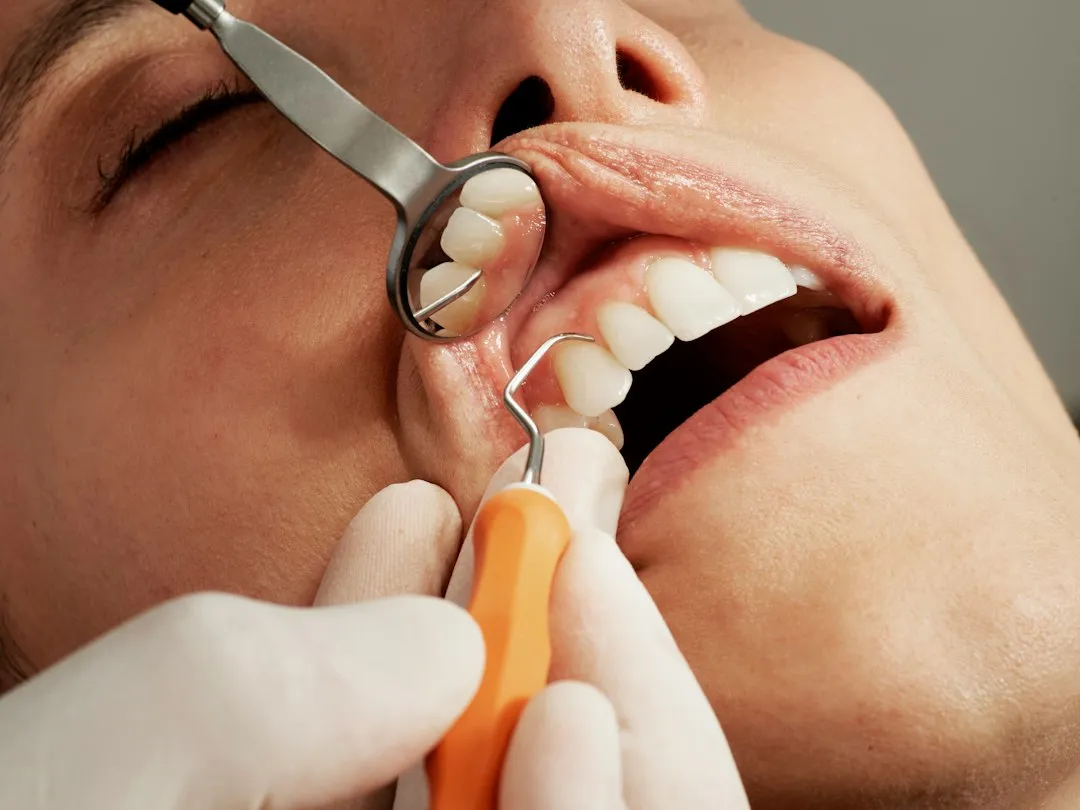
Mouth breathing impairs oral health, reduces the quantity and quality of saliva, and increases dry mouth, the risk of developing dental caries, gingival inflammation, bad breath, and dry lips. These effects are not just uncomfortable – they compound over time if the breathing habit is never addressed.
Saliva plays a crucial role in oral health by helping to neutralize acids, fight bacteria, and cleanse the mouth, and a chronically dry mouth predisposes a person to tooth decay, cavities, and gum disease. Sleeping with an open mouth effectively eliminates this protective mechanism for hours every night.
Chronic mouth breathing can lead to various health issues, including dental problems, poor sleep quality, and an increased risk of respiratory infections. The mouth and the sleep system, it turns out, are far more connected than most people realize.
Connections to Sleep Apnea and Snoring

Sleep-disordered breathing is a chronic, multifactorial condition with consequences related to sleep quality, daytime sleepiness, and impairment of daily activities, with the most common forms being primary snoring and obstructive sleep apnea, which involve episodes of upper airway obstruction during sleep.
Primary snoring and obstructive sleep apnea are frequent findings in mouth breathers, regardless of age. This isn’t a coincidence of correlation – the mechanics of mouth breathing actively create conditions that favor both snoring and apnea events.
At its worst, mouth breathing may result in sleep apnea with lowered oxygenation levels in the body. For people who have been told they snore but who haven’t pursued a sleep study, chronic mouth breathing is a plausible, often overlooked, factor worth investigating.
Daytime Fatigue as a Daily Signal

One of the clearest signs that something is wrong with nighttime breathing is how a person feels before noon. Among mouth breathers surveyed, more than half reported they did not get a good night’s sleep the night before, and more than half reported waking at least twice per night due to mouth breathing.
Individuals may wake up feeling fatigued due to the effects of disrupted sleep patterns. The frustrating thing is that this fatigue often gets attributed to everything except the actual cause – stress, diet, work hours, phone use – while the breathing pattern goes unchecked.
The most common signs of mouth breathing reported include being woken by nighttime nasal congestion, waking up with a dry mouth, and snoring. These are often dismissed as minor annoyances rather than symptoms of a meaningful, addressable pattern.
The Social Cost No One Talks About

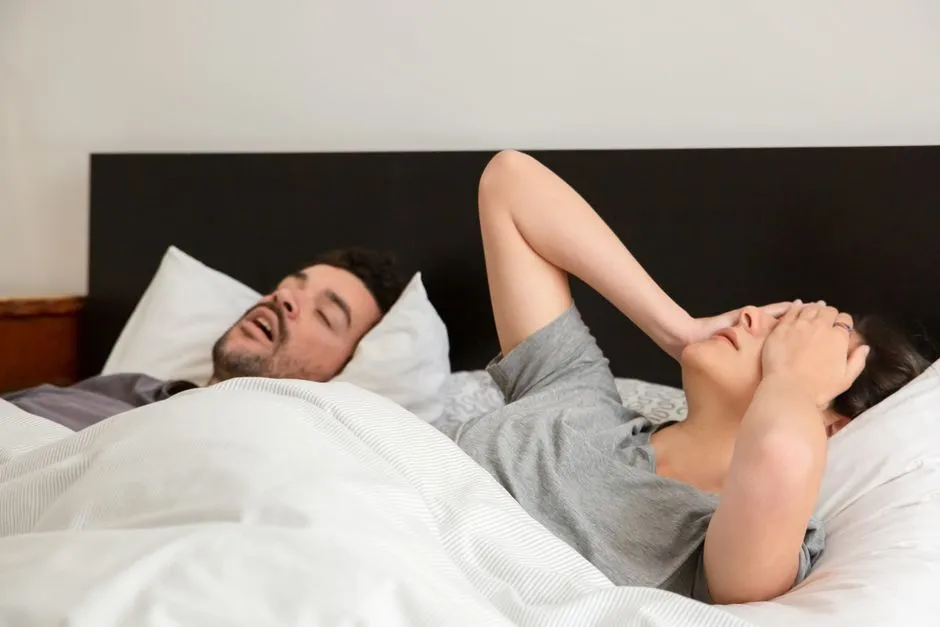
Mouth breathing doesn’t only affect the person doing it. Nearly three-quarters of people who share a bed with a mouth breather said they are woken up at least once per night by their partner’s mouth breathing, and close to half of those who sleep next to a mouth breather believe it impacts their own ability to get a good night’s sleep.
This rarely surfaces in conversations about sleep hygiene, but the evidence is pretty clear: one person’s breathing habit in the bedroom can reduce the sleep quality of everyone sharing the space. It’s worth factoring in when couples discuss snoring, separate bedrooms, or chronic tiredness.
What the Research Says About Fixing It
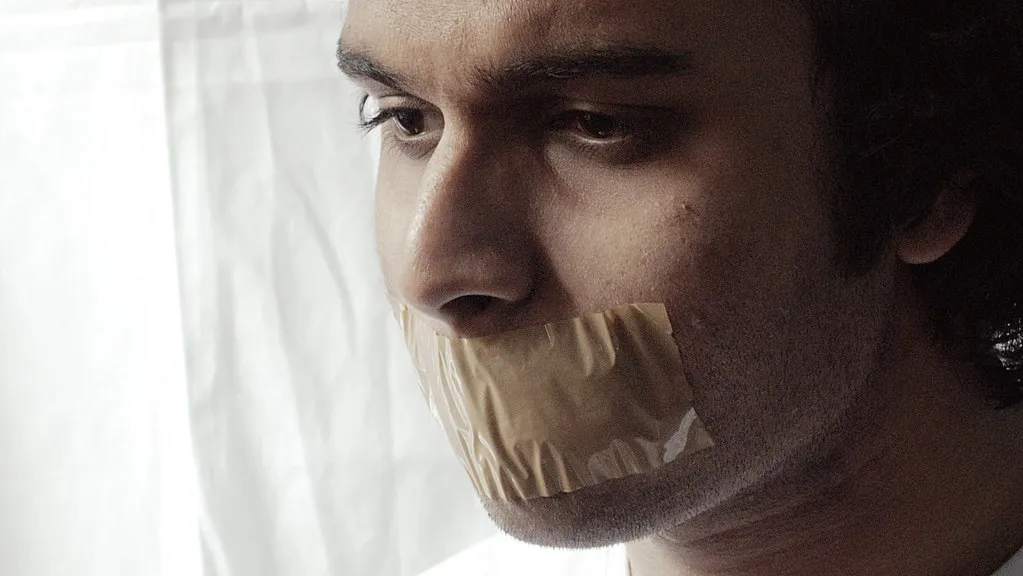
The practical response to mouth breathing has become a subject of genuine medical debate in recent years. Mouth taping – sealing the lips with tape during sleep – became a significant social media trend, but the science hasn’t been especially encouraging. Existing evidence does not support nighttime mouth taping as a treatment for sleep-disordered breathing, including obstructive sleep apnea.
Four of ten studies reviewed warned that mouth taping could pose a serious risk of asphyxiation during sleep for people whose mouth breathing is caused by some blockage of nasal airways. The instinct to address mouth breathing is sound, but the method matters enormously, and self-treatment without understanding the underlying cause carries real risk.
Clinically, oral appliance therapy has shown effectiveness in reducing the respiratory event index, hypopnea index, and mouth breathing in patients with OSA and a mouth breathing phenotype. While breathing through the mouth occasionally during a cold is normal, regularly sleeping with the mouth open can affect sleep quality, oral health, and long-term health – which means the goal should be identifying and addressing the underlying nasal obstruction rather than just taping over the symptom.
The Takeaway
Mouth breathing during sleep is one of those habits that hides in plain sight. It doesn’t feel dramatic, it doesn’t register as a problem while it’s happening, and it’s easy to explain away the fatigue, the dry mouth, the groggy mornings. But the evidence across pediatric and adult populations consistently points to the same conclusion: breathing route matters during sleep, and the nose is far better suited to the job than the mouth.
If you wake up tired more often than not, if your mouth is dry before you’ve had your first coffee, or if your partner has quietly shifted to a different room – it may not be your schedule or your stress levels. It may simply be the way you’re breathing at night. That’s worth taking seriously, and worth discussing with a physician or sleep specialist who can identify whether a structural nasal issue, allergy, or sleep-disordered breathing is driving the habit.
Addressing the cause, rather than chasing the symptom, is where real improvement tends to begin.
AI Disclaimer: This article was created with the assistance of AI tools and reviewed by a human editor.