

1. Puffy Eyes in the Morning

One of the first places kidney trouble can show up is the face, specifically around the eyes. Puffy eyes may be one of the first signs of fluid shifts in the body, and they can indicate that your kidneys are leaking protein.
Normally, healthy kidneys retain protein in the blood where it belongs. When the filtration system is damaged, protein escapes into the urine, and the loss of it causes fluid to shift out of the blood vessels and into surrounding tissue. When your kidneys are damaged, the filters in your kidneys, called nephrons, may not hold fluids and nutrients the way they should.
This puffiness tends to be most noticeable first thing in the morning, before gravity pulls the fluid toward the legs and feet. Many people brush it off as poor sleep or allergies. If it keeps coming back, it deserves a closer look from a doctor.
2. Swollen Ankles and Feet

Swelling in the lower legs is easy to attribute to long days on your feet or hot weather. Kidney disease, though, is a common and underappreciated cause. If your ankles, feet, or lower legs are swollen, it could mean that your kidneys are not removing extra fluid and salt from your body the way they should. This kind of swelling is called edema and is a common sign of kidney problems.
Leg swelling, especially worse after walking or standing, is one of the recognized symptoms of kidney disease, often accompanied by itching, nausea, fatigue, and increased urination at night. When the kidneys lose their ability to regulate sodium and water balance, that excess fluid has to go somewhere.
The body, following gravity, deposits it in the lower extremities. Pressing a finger into a swollen ankle and watching the indentation linger is a rough indicator of fluid-based edema worth reporting to a healthcare provider.
3. Persistent Fatigue That Won’t Lift

Feeling tired is easy to explain away, especially in a culture that treats exhaustion as normal. Yet fatigue is one of the most consistent early signals that kidneys are struggling. Feeling tired all the time, even after a good night’s sleep, can be an early sign of kidney disease.
Persistent tiredness and lack of energy are often caused by anemia, a common complication of kidney disease, when the kidneys fail to produce enough erythropoietin, the hormone involved in red blood cell production. Without enough red blood cells carrying oxygen, even routine activities can feel exhausting.
This is not the ordinary tiredness that follows a busy week. It’s a heavy, bone-deep fatigue that persists through rest. Toxin buildup, anemia, poor blood flow, and disrupted sleep are the main culprits driving this symptom in kidney disease patients, and together they create a cycle that is genuinely difficult to escape without treating the root cause.
4. Itchy, Dry Skin That Moisturizer Can’t Fix

Dry skin seems like a minor cosmetic complaint. In the context of declining kidney function, it’s something more serious. Dry or itchy skin may be more than just a skin problem. It can be a sign that your kidneys are not working as they should, as the buildup of waste products can make your skin feel dry, rough, or itchy, sometimes tight and flaky even when you use lotion.
One of the most common skin issues in chronic kidney disease is uremic pruritus, an intense itching caused by waste products building up in the blood, which can feel like a crawling or prickling sensation and tends to affect those on dialysis the most.
This is one of the most common skin symptoms in people with kidney damage, occurring in as many as 40 percent of people with end-stage renal disease. Some people with kidney disease also get itching that feels deep under the skin, especially on the back, arms, or legs. It’s not something a better lotion will fix, because the source is in the bloodstream, not on the skin’s surface.
5. Brain Fog and Trouble Concentrating

When people think of brain fog, they rarely consider their kidneys as the cause. Slow thinking and poor concentration may be more likely when you’re living with chronic kidney disease. The connection is direct: as the kidneys lose their filtering capacity, uremic toxins accumulate in the blood and reach the brain.
Research shows that 4 in 10 people with CKD experience brain fog. It’s more common and noticeable in the later stages, when higher levels of uremic toxins and inflammation have a greater impact, though some people find their thinking is affected in the earlier stages too.
Current literature reveals that the prevalence of cognitive impairment in CKD patients is 39 percent higher compared with healthy control groups, with prevalence ranging from 10 to 40 percent depending on the CKD stage. That is not a small footnote in kidney disease research. It is a defining and disabling feature of the condition for a large portion of patients.
6. Sleep Disruptions and Sleep Apnea

Poor sleep is rarely pinned on the kidneys. It should be. If you have trouble falling asleep or staying asleep, your kidneys might be involved. Healthy kidneys help filter waste and extra fluid from your blood. When that filtering fails, waste products interfere with normal sleep architecture.
The reported prevalence of sleep disorders is 36 to 59 percent among those with CKD stages 3 and 4, and 25 to 80 percent in patients receiving dialysis. Those are striking numbers for a symptom most patients would never attribute to their kidneys.
People with kidney disease are more likely to have sleep apnea, a condition where breathing stops and starts during sleep. Sleep apnea is more common in people with kidney disease, especially if they also have fluid buildup or high blood pressure. Left untreated, it can increase the risk for heart problems and make kidney disease worse.
7. Muscle Cramps and Twitching
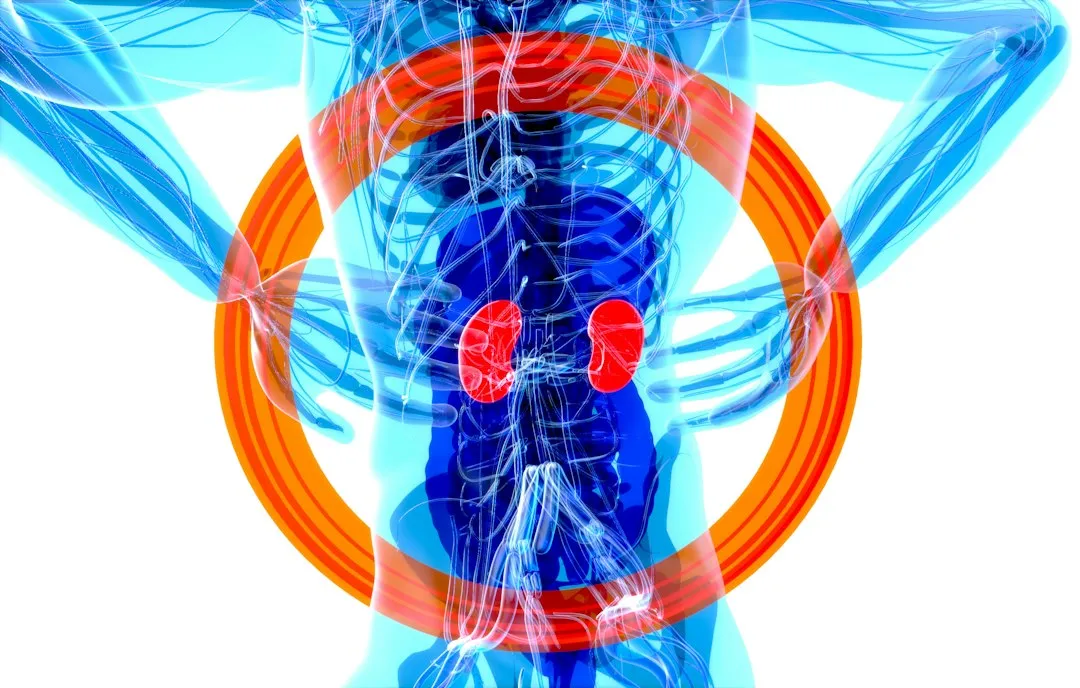
Frequent cramps, particularly in the legs, are something people tend to associate with dehydration or overexercise. In reality, they can point toward deteriorating kidney function. People with advanced or end-stage kidney disease may experience muscle twitching throughout the body.
The mechanism comes down to mineral imbalance. When the kidneys can’t properly regulate electrolytes like calcium, phosphorus, and sodium, the nerves and muscles that depend on those minerals start to misfire. Cramping and involuntary muscle movements are the result.
Cramps and muscle spasms appear alongside other kidney failure symptoms such as fatigue, nausea, confusion, swelling, dry or itchy skin, and reduced appetite. On their own, cramps aren’t definitive. Paired with other signs on this list, they paint a clearer picture worth investigating.
8. Nausea and Loss of Appetite

Digestive symptoms might seem entirely unrelated to the kidneys. They often aren’t. When kidneys can’t filter waste properly, toxins accumulate in the bloodstream. That buildup of uremic waste, a condition known as uremia, has a direct effect on the gastrointestinal system.
Symptoms of kidney failure include fatigue, nausea, vomiting, swelling, reduced urination, and brain fog. Nausea is particularly common and can arrive well before a diagnosis is made. Some people also notice that food tastes metallic, which is another direct effect of uremic toxins on taste receptors.
The loss of appetite that often accompanies nausea creates its own downstream problems. These symptoms might prompt someone to eat less, further exacerbating weakness and fatigue. It becomes a compounding cycle, where the kidney problem worsens other symptoms, which then make the kidney disease harder to manage.
9. Confusion and Mental Cloudiness

Beyond the subtle brain fog described earlier, some people with significantly impaired kidney function experience outright confusion. Advanced kidney disease may impact cognition and cause feelings of confusion. This goes beyond forgetting where you left your keys. It can affect how people process conversations, follow sequences, or make decisions.
Symptoms of kidney disease can include changes in mental status such as decreased alertness and decreased concentration. These mental changes are often overlooked or attributed to stress, aging, or other causes, which delays the kidney disease diagnosis significantly.
Research has linked CKD to a range of cognitive issues including memory, organization, and executive function. Notably, cognitive impairment risk climbs by roughly 12 percent for every 10-point drop in kidney filtration rate. That correlation is more pronounced than many other commonly discussed risk factors and deserves far greater public awareness.
10. Gout and Joint Pain

Gout is widely understood as a joint problem caused by uric acid crystals, typically in the big toe or other joints. Fewer people know that the kidneys are central to why gout develops. Gout can be a sign of a kidney problem, due to the kidneys’ impaired ability to get rid of uric acid from the bloodstream.
Healthy kidneys filter uric acid efficiently. When kidney function declines, uric acid levels rise in the blood, and crystals begin to deposit in joints, triggering the intense pain associated with gout flares. The joint, in this case, is showing symptoms of a kidney problem it had nothing to do with causing.
Conditions that increase kidney disease risk include diabetes, high blood pressure, obesity, and older age. Many of these same conditions also raise the risk of gout, which is why the two so frequently appear together. If gout is recurring or difficult to manage, a kidney function check is a reasonable and important next step.
The Takeaway

The kidneys are silent workers, often giving no obvious signs until much of their function is already lost. That silence makes the distant warning signs, the ones appearing in the skin, brain, muscles, joints, and sleep, more important to recognize, not less.
Kidney disease progresses silently, and spotting early symptoms like swelling, fatigue, and brain fog before it reaches serious stages can make a meaningful difference. The body rarely shouts. It tends to whisper, often through symptoms that seem unrelated to any single organ.
Paying attention to patterns matters. One of these symptoms alone may mean little. Several of them together, especially in someone with diabetes, high blood pressure, or a family history of kidney disease, is worth a conversation with a doctor and a simple blood or urine test. Early detection remains the most effective tool available.
AI Disclaimer: This article was created with the assistance of AI tools and reviewed by a human editor.