

There’s something genuinely disorienting about walking past a tree draped in white blossoms while the calendar reads December. It looks like a scene from April. The flowers are real, the branches are full, and yet the temperatures that triggered them will, in all likelihood, give way to frost within weeks. This isn’t a garden glitch. It’s a physiological story rooted in biology, climate, and the increasingly blurred line between seasons.
The phenomenon has been reported with growing frequency across the United States and Europe over the past several years, from pear trees blooming in Salt Lake City to cherry blossoms waking up early in Seattle. Understanding why it happens requires looking at how trees actually tell time.
The Biological Clock Hidden Inside Every Tree
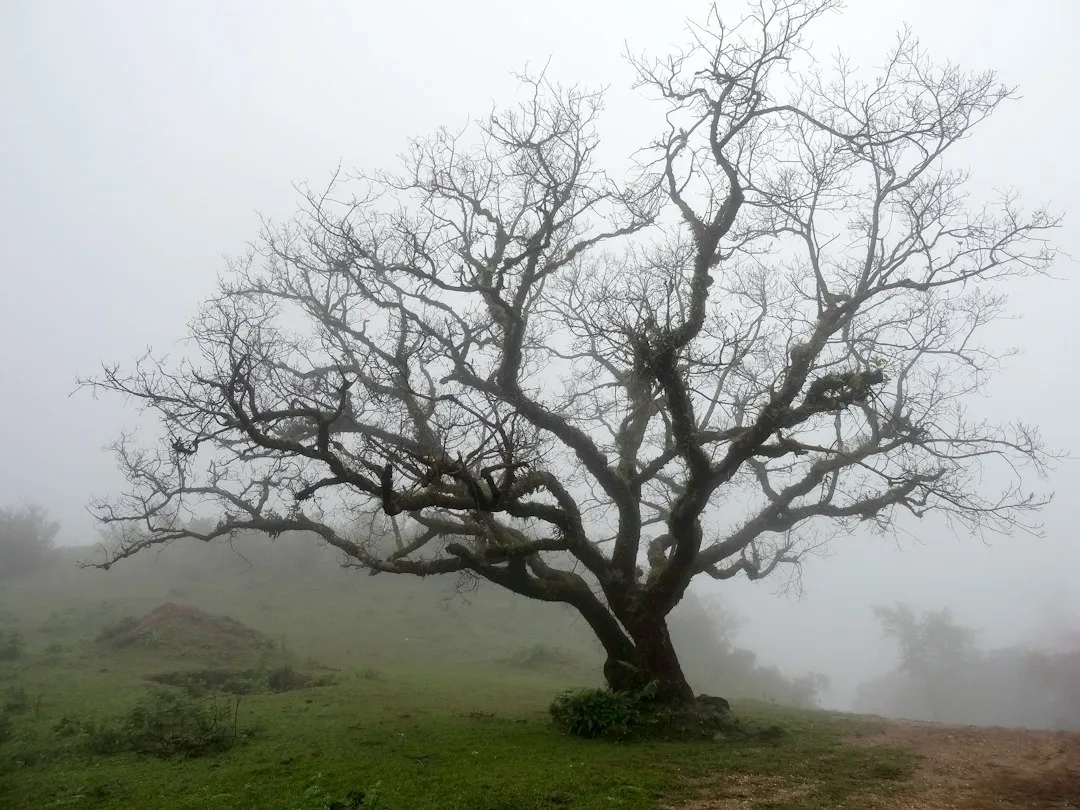
Phenology, the study of recurring seasonal events like plants blooming and animal movement, depends on temperature, hours of daylight, and moisture. Trees don’t rely on a single signal to know when to bloom. They read a combination of environmental cues accumulated over weeks and months.
Plants enter endodormancy when days grow shorter and temperatures begin to fall. During this stage, the plant cannot resume growth until it has accumulated a certain number of chilling hours, hours spent above freezing, typically between 40 and 50 degrees Fahrenheit. Even if the weather warms up, a plant in endodormancy will not grow until its chilling requirement is met. Once that internal threshold is satisfied, the situation changes dramatically.
What “Chilling Hours” Actually Means
Fruit trees and shrubs require a certain number of hours between 32 and 45 degrees Fahrenheit each winter to complete their dormancy cycle, a process called vernalization, which resets their internal functions and prepares them for the following growing season. This isn’t some vague seasonal sensitivity. It’s a specific, measurable biological requirement.
The amount of chilling hours a specific fruit crop variety needs is variable, and chilling hours are best used as an estimation rather than an exact science. The range of chilling hours required for temperate fruit crops can be as little as 250 hours or as long as 1,000 hours or more. Temperatures above 60 degrees Fahrenheit can actually reverse the number of accumulated chilling hours, which means a sudden December heat wave doesn’t just skip winter, it can effectively erase part of it.
When Warm Winter Temperatures Become a Trigger
Just as trees begin settling into dormancy after the first few cold fronts, an unexpected warm spell can sweep in, sending temperatures soaring. Sudden winter warm-ups disrupt the biological signals that keep trees safely dormant through cold weather. The tree interprets rising temperatures as a seasonal shift it wasn’t expecting.
Warm temperatures can trick trees into thinking spring has arrived. When a warm spell hits, trees may prematurely activate growth processes, burning through their stored energy months too early. For species that have already satisfied their minimum chilling requirement, even a brief stretch of warmth can be enough to initiate flowering.
Not Every Tree Blooms: Why Some Species Are More Vulnerable
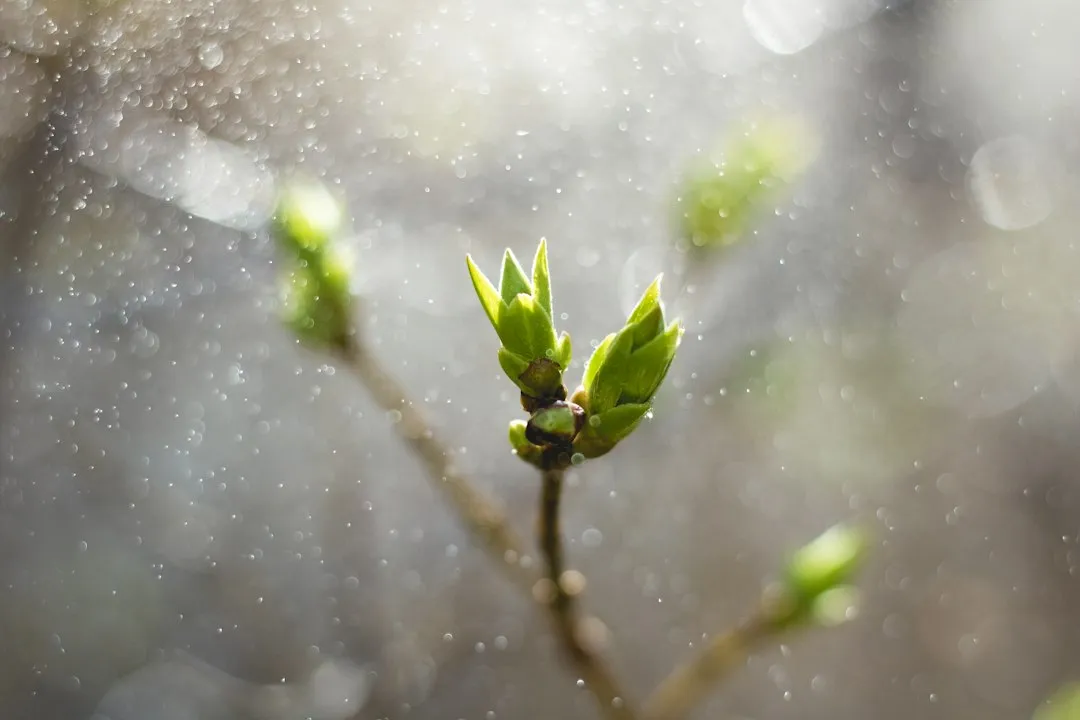
The phenomenon is most often seen on the very earliest blooming plants like forsythia and some flowering cherry species. It is not uncommon when there has been a brief cold period followed by very warm temperatures. The species most susceptible are those naturally programmed to bloom earliest in spring, since they have already evolved a lower threshold for warmth signals.
Not every plant bursts into bloom after a few warm winter days. The early bloomers have low or no requirement for a cold winter snooze, while other plants haven’t yet accumulated enough days below 45 degrees Fahrenheit to begin blooming, no matter how warm temperatures get. Redbud trees are among the first to bloom in spring, meaning warm spells can trigger extremely early bud activity. Ornamental cherry and peach trees also require consistent chilling hours, making them particularly vulnerable to temperature swings.
What Happened in the Western United States in Late 2025
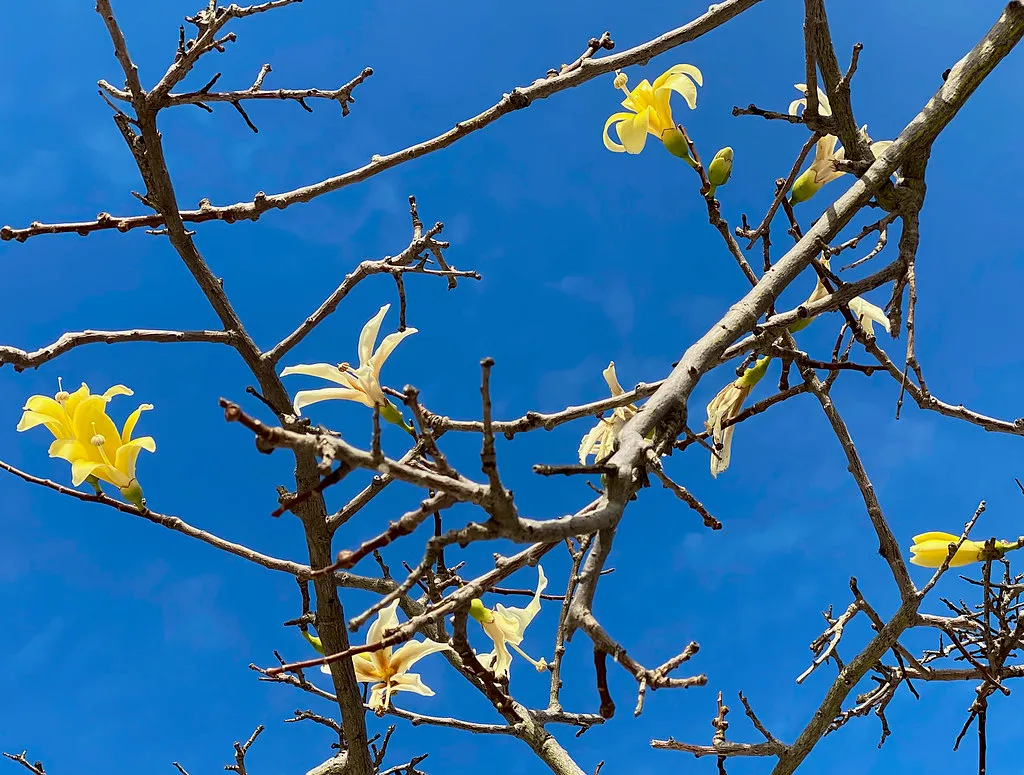
As the Rocky Mountain region experienced an unprecedentedly warm, dry December, botanists noticed a concerning trend. Fruiting trees and many perennial plants went into bloom. Pear trees in Salt Lake City, Utah, were covered with blossoms. The event drew widespread attention from arborists and urban foresters.
Salt Lake City was on pace for its warmest December since records began in 1874. The blooming correlated directly with a response to above-average temperatures and below-average precipitation experienced over the last two months of 2025. For much of Colorado, the weather felt more like April, and arborists said the recent stretch of unseasonably warm temperatures was disrupting winter dormancy, leading to early bud break on trees and plants across the Front Range.
The Role of Drought: When Trees Are Under Stress
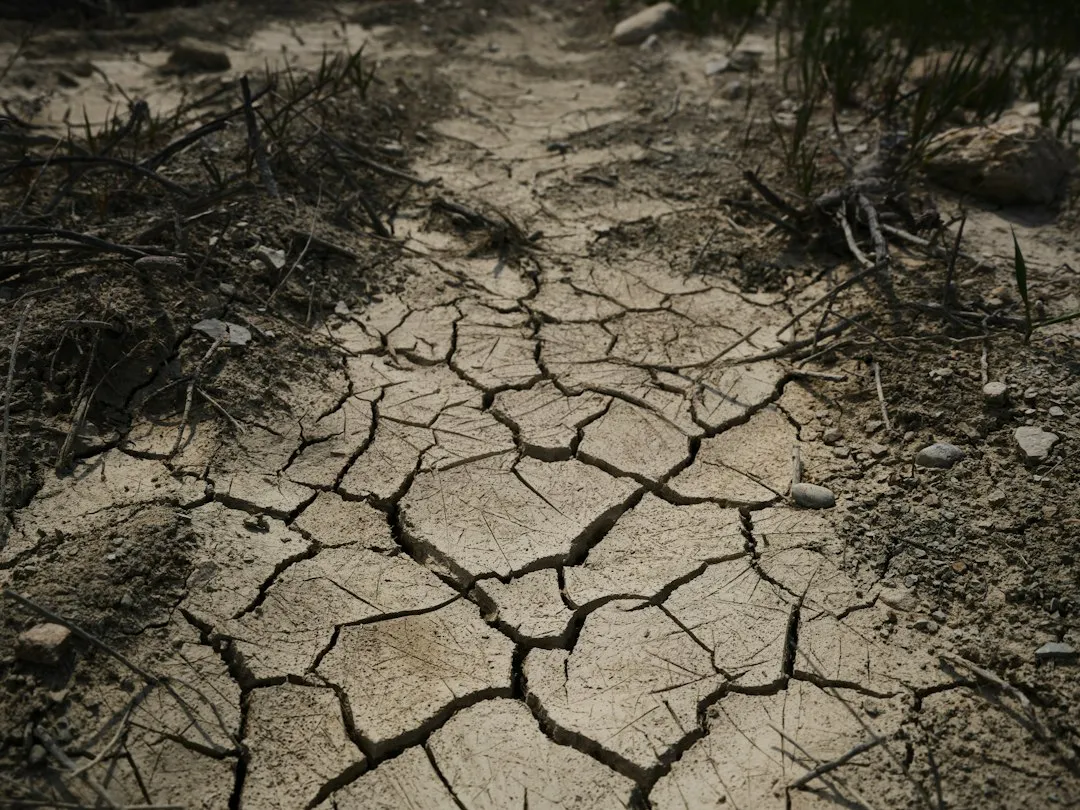
Experts noted that blooming in Utah, Colorado, and other states showed these plants were in drought mode. Drought stress is a separate trigger from temperature alone, and the two often work together to accelerate out-of-season flowering in ways that compound the risk.
A very dry summer followed by warm, wet weather may move trees from stress into recovery growth, which can look deceptively like springtime flowering. Flowering also takes energy, so to flower in the autumn or early winter, the tree diverts energy that would have been stored, potentially reducing its ability to cope with winter. The tree isn’t thriving when it blooms in December. Often, it’s spending resources it can’t afford to lose.
The Science of “False Spring” and Its Consequences
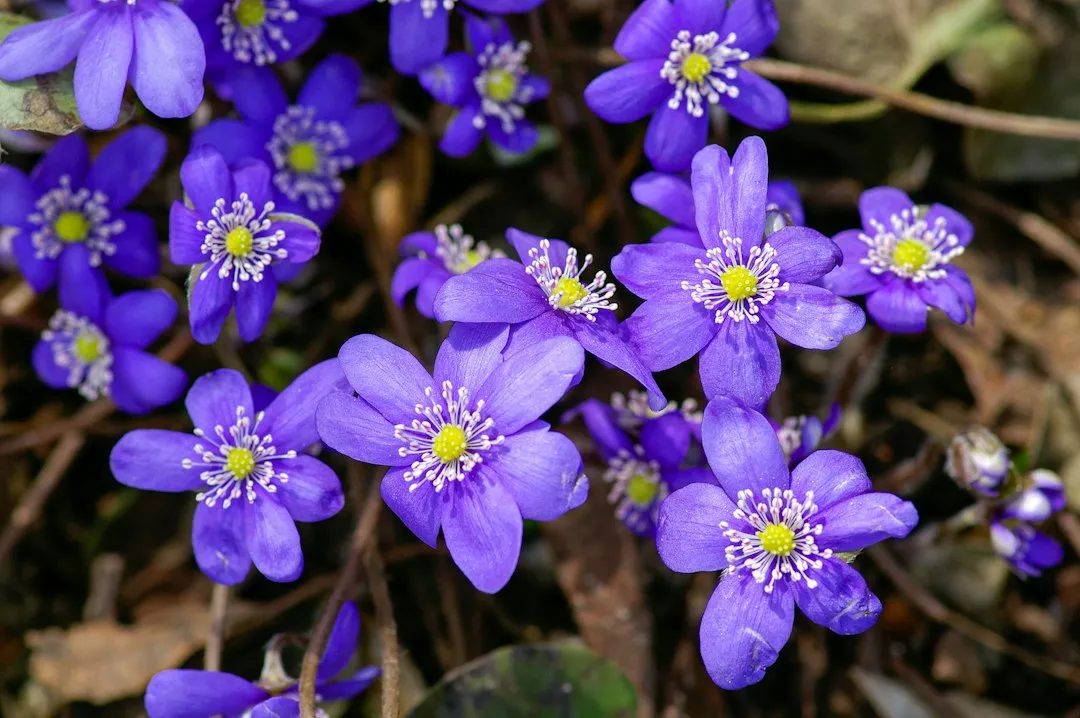
Researchers refer to this weather pattern as a “false spring,” in which warm temperatures arrive late in winter and cause plants to start blooming early. The term captures something important: the conditions feel like spring, the trees respond like it’s spring, but the calendar and future forecast tell a different story.
The biggest threat of all comes from the sequence itself: a warm spell followed by a sudden late-December or early-January cold snap. The flowering itself won’t necessarily hurt the plant, but it does indicate that the plant is not fully hardened off and could be damaged by a sudden severe cold snap, such as evening temperatures in the low 20s. In 2012, losses in fruit tree crops in Michigan due to false spring bloom and freeze cycles were estimated at half a billion dollars.
How Climate Change Is Shifting the Pattern
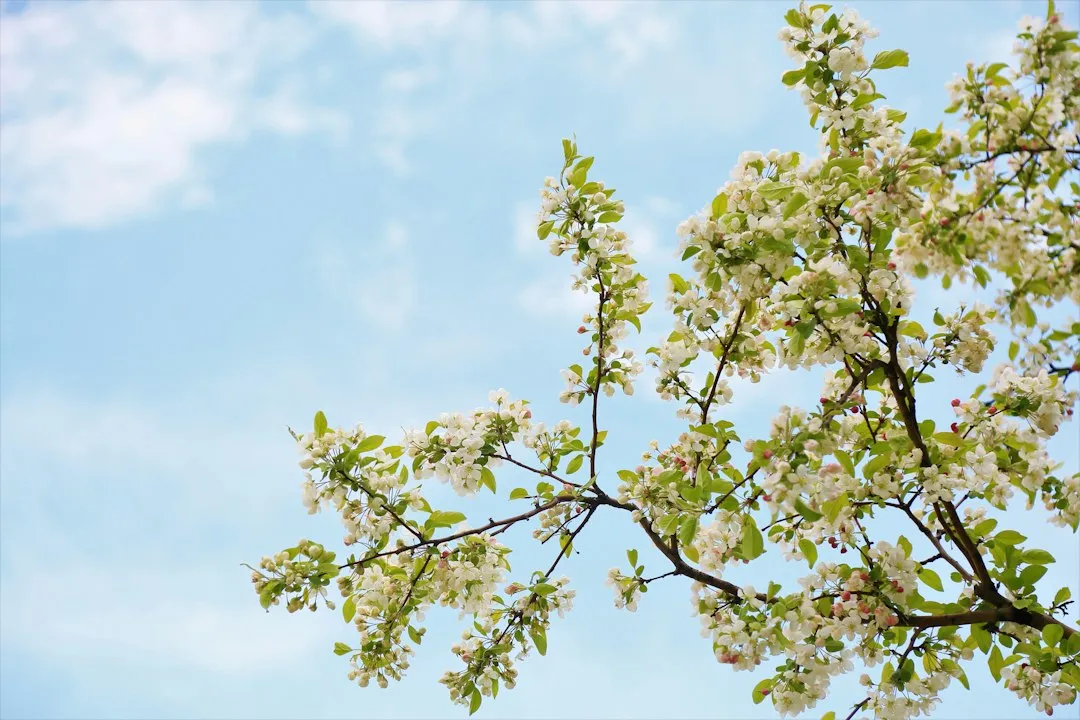
By looking at records from the past 270 years, researchers can see that as the climate has warmed, trees like magnolias, cherries, plums, and blackthorns are flowering up to a month earlier than they did in the 18th century. This long-term shift provides important context for the more dramatic December blooms seen in recent years.
According to researchers, if overall temperatures continue to rise, earlier blooming is likely to become more frequent. If winter seasons continue warming, some plants may not meet their cold requirement, which could interfere with flowering in the future. Since the early 1900s, roughly two thirds of the species studied have shifted toward earlier spring blooming, breeding, or migrating. The December blooms we see today are, in a sense, the visible edge of a much longer-running transformation.
What It Means for Pollinators and Wildlife
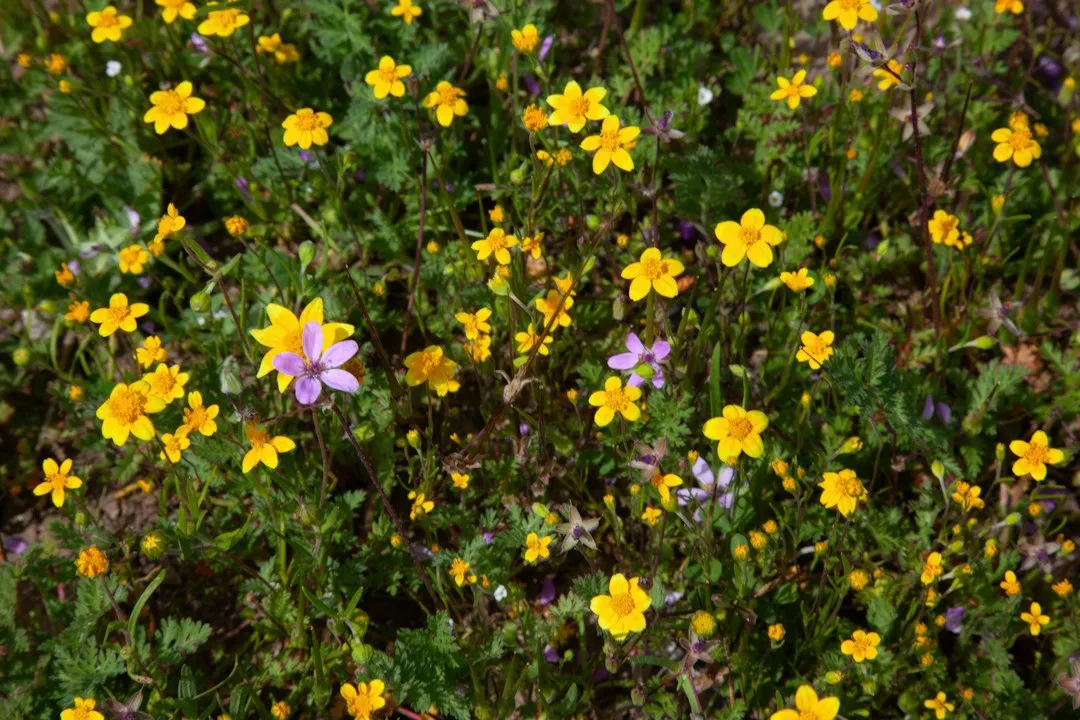
Early blooming can disrupt the timing of interactions between plants, pollinators, and other wildlife. When flowers open in December, the insects that rely on them haven’t emerged yet. The flower opens, finds no pollinator waiting, and loses its reproductive window entirely.
A series of false spring events contributed to the extirpation of a population of Edith’s checkerspot butterflies in the Sierra Nevada during the 1980s and 1990s, as high temperatures desynchronized the time the butterflies emerged and the blooming of the plants they relied on for food. The ripple effects of mistimed blooming extend far beyond the tree itself. Whole food webs depend on the careful choreography of seasonal timing, and when that timing breaks down, the consequences travel up the chain.
What Happens to Next Year’s Blooms
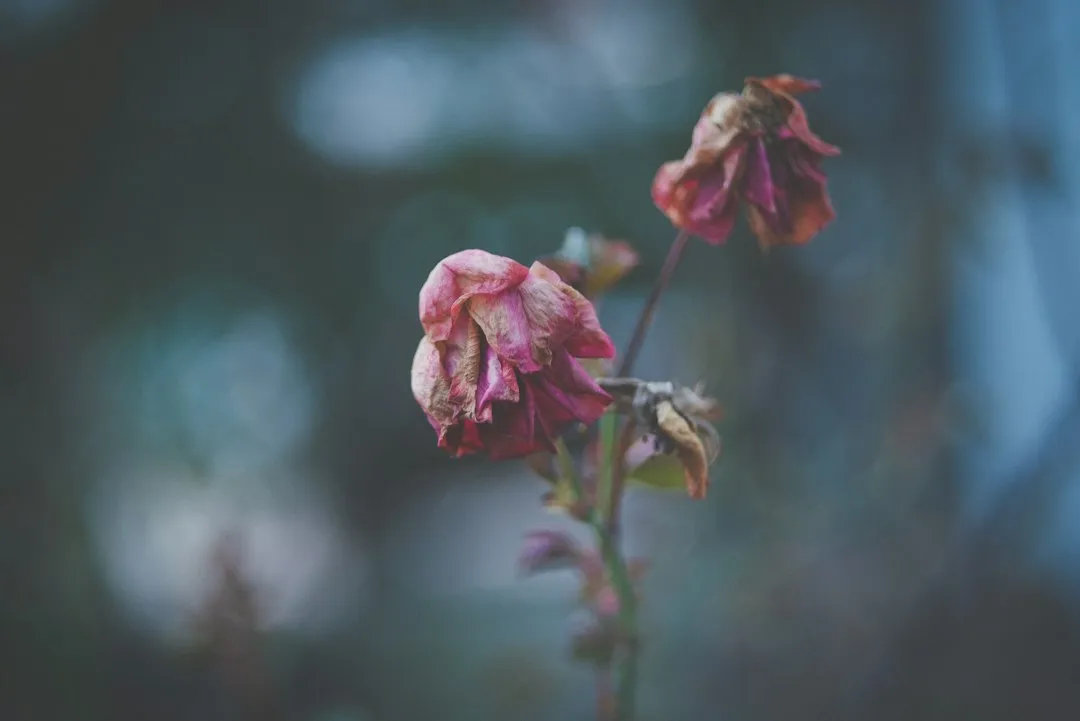
The inherent consequence of unusual autumn or winter flowering is that there is likely to be a partial loss of the next year’s flowers and fruit. If a tree flowers out of season, new flower buds will not have time to form during the winter period because conditions are unsuitable. So the December spectacle comes at a cost that only becomes visible months later.
Trees may not flower as prolifically in the spring following an early bloom. There seem to be increasing reports of landscape plants blooming out of sequence. Rhododendrons, crabapples, and saucer magnolias are among the most commonly reported species blooming at unexpected times. For orchard farmers, this isn’t a curiosity. It’s a genuine risk to the following year’s yield.
A Measured Note for the Future
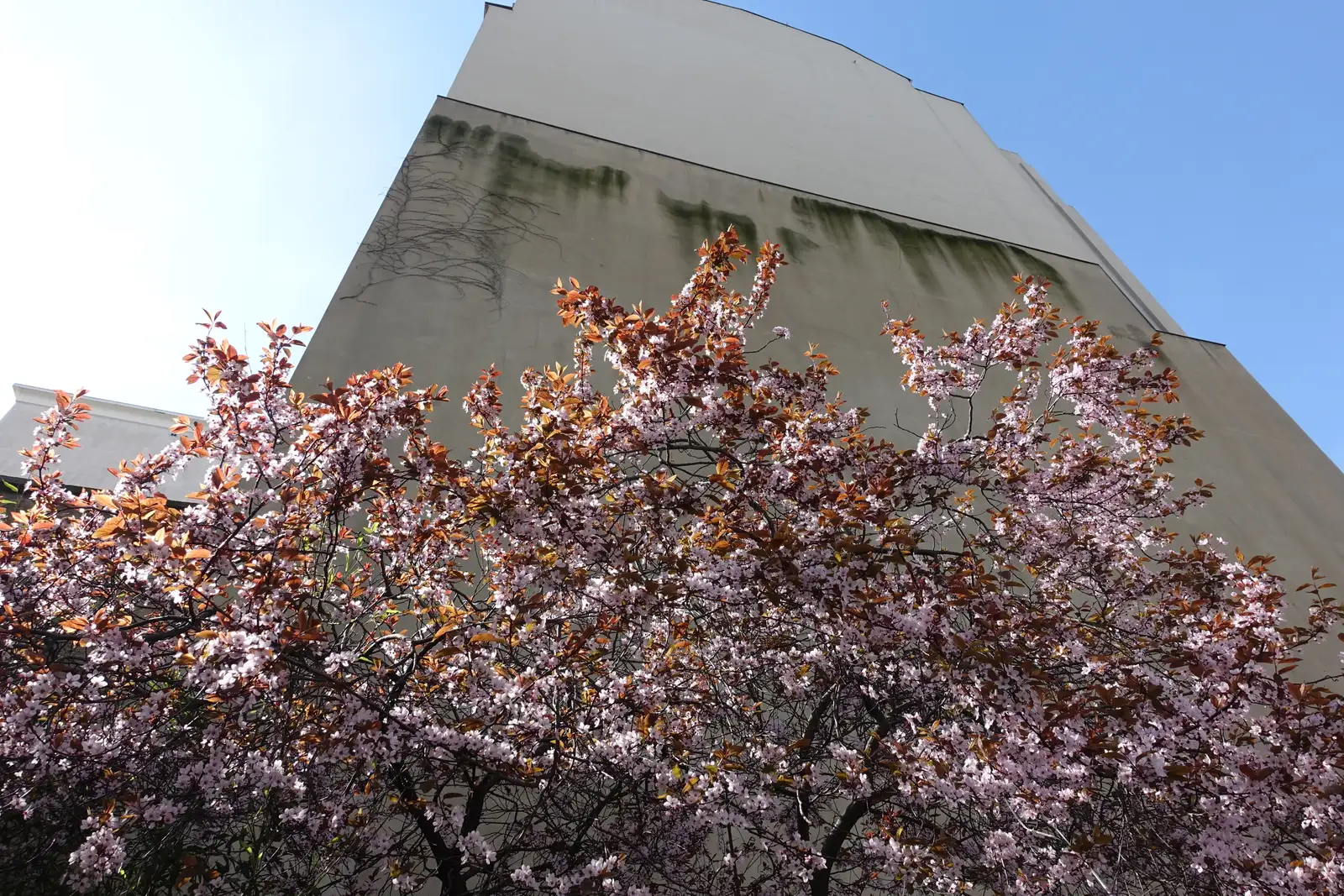
If the climate crisis continues, these shifts in timing are likely to intensify. We may see springs that arrive even earlier, feel more vivid and unfold more quickly, but are punctuated by sudden reversals where frost interrupts growth already in motion. The December bloom, striking as it is, may become a more familiar sight as winters grow milder and the signals trees rely on become harder to read.
Trees are not passive. They are ancient, adaptive systems tuned to a climate that is now changing faster than at any point in recorded botanical history. Research examining the species-level consequences of false springs across temperate deciduous tree species shows that chilling can shorten periods of maximum risk, compensating for some adverse effects. But understanding and predicting spring plant phenology remains essential for determining growing season length and predicting individual risk of false spring under climate change. A cherry tree blooming in December isn’t confused. It’s responding logically to signals we have spent decades gradually altering.
AI Disclaimer: This article was created with the assistance of AI tools and reviewed by a human editor.