

It Goes Back to Their Wild Roots
Before dogs were domesticated, their ancestors in colder climates often had to rely on eating snow to hydrate. That’s not a small detail. It means this behavior is genuinely baked into canine biology, not just a quirky modern habit.
Dogs developed snow-eating as a means of accessing water in their earlier existence, so to speak, and the habit stuck around in their DNA into the modern era. For breeds like Alaskan Malamutes and Siberian Huskies, this connection is especially strong. The behavior persisted because it worked, for a very long time, in very harsh conditions.
Though it hasn’t been scientifically proven, some experts believe that dogs’ arctic ancestors had to eat snow to survive, and ancient, arctic canines may have had to eat ice and snow to stay hydrated instead of relying on liquid water. That ancestral wiring still fires when modern dogs hit a snowy trail.
Thirst Is the Most Common Explanation
It’s a common misconception that dogs don’t get as dehydrated in the snow as they do in the heat. Cold air is dry, physical exertion burns through fluids quickly, and dogs on a brisk winter walk are working harder than they might appear.
Sometimes the best explanation is the most obvious one: it’s possible that your dog is just thirsty or, if they have been exercising outside, possibly dehydrated and looking for a source of water. Snow is simply what’s available in that moment.
The indoor heating we have on during winter can also cause dehydration, which means a dog may step outside already mildly thirsty, long before the walk even begins. Offering fresh water before and after a winter outing can reduce how aggressively your dog goes after snow.
Curiosity and Pure Sensory Enjoyment
Dogs use their mouths and noses to explore what they find interesting, and if your dog discovers something they find appealing, there’s a good chance they’ll try to eat it or hold it in their mouth to determine if it’s edible. Snow, with its cold temperature and unusual texture, qualifies as genuinely interesting to many dogs.
There’s just something about snow and cold weather that brings out the friskiest behaviors in some dogs. Some may eat snow as part of their zoomies playtime, grabbing mouthfuls as they romp, while others may want to lie in the snow and snack on it. In these cases it’s play, plain and simple.
Even if there is no obvious trace of food, a dog might eat snow simply because it smells interesting. Dogs experience smell at an incomparably richer level than humans do, and fresh snow often traps scent in layers, making it a kind of olfactory puzzle worth investigating with their mouths.
Snow as a Stomach Remedy
If a dog isn’t feeling well, they may eat snow, much like they eat grass in warmer seasons, to induce vomiting and soothe a sour stomach. This is a self-medicating behavior that veterinarians have observed across many dog populations.
Some dogs eat snow for the same reason they eat grass: to induce vomiting in order to settle an upset stomach. It’s uncomfortable as a thought, but it’s actually a fairly sophisticated response from an animal acting on instinct. If your dog heads straight for snow after eating something disagreeable, the stomach connection may be the explanation.
When It Might Signal a Health Problem
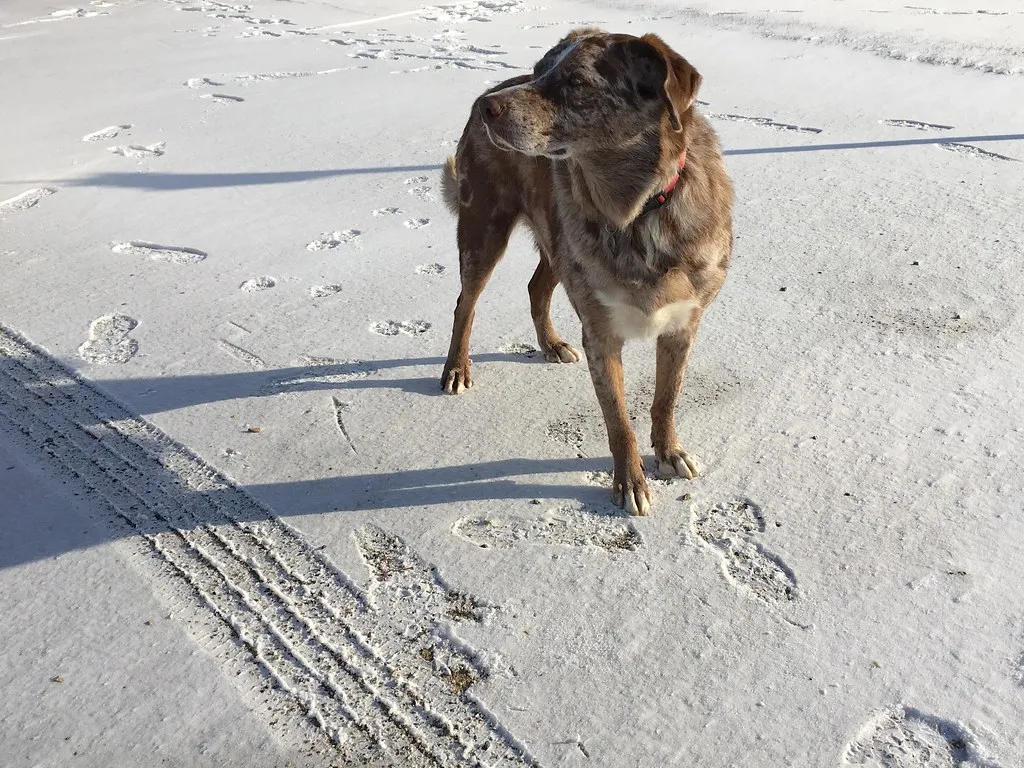
In some cases, dogs may eat snow due to health problems such as Cushing’s disease, thyroid problems, or kidney failure. Dogs with kidney disease, for example, may eat snow as a response to increased thirst, known as polydipsia, which can lead to a dog drinking more water than usual.
A pup who’s regularly going to town on the stuff and cannot be stopped might need to see a veterinarian for a health check-up. Excessive eating of snow can, in some cases, indicate dehydration caused by an underlying health condition like diabetes or kidney disease.
If your dog is eating large amounts of snow regularly, it could be a sign of something more serious, like kidney failure or Cushing’s disease, an abnormality of the adrenal gland. The key word veterinarians tend to use is “obsessive.” Occasional nibbles are one thing. Being unable to redirect your dog away from snow, walk after walk, is another. That pattern warrants a vet conversation.
The Hidden Danger: Contaminated Snow

Snow can contain ice melt, antifreeze, and other harmful chemicals, so pet owners should be alert when their dog starts licking snow in public places and near busy streets. The snow that looks pristine from a distance may be hiding a cocktail of winter road treatments directly beneath the surface.
Dogs should not consume snow from public spaces due to the risk of it being mixed with dangerous substances such as rock salt and antifreeze. Parking lots, sidewalks along major roads, and any plowed area are particularly high-risk zones.
Chemical ice melts are dangerous enough, but sometimes melted snow can be potentially toxic if ingested from the wet, wintry ground. Rotted vegetation and compost can contain mycotoxins, which cause stomach upset and neurological problems in dogs. This is especially relevant in suburban neighborhoods where composting, lawn treatments, and rodenticides are all in play during the cold season.
Antifreeze in Snow: A Serious Emergency

Ethylene glycol is a highly toxic ingredient in antifreeze products that causes poisoning in dogs when ingested. Ingestion of a toxic dose is an emergency, and the prognosis is poor once symptoms develop. What makes this especially dangerous is that antifreeze has a sweet taste, making it appealing to dogs that encounter it in melted puddles or contaminated snow patches.
Ethylene glycol poisoning is common because antifreeze is widely used, it has a sweet taste, and a small lethal dose of only about three to four teaspoons in dogs, and it is often stored and disposed of improperly. That quantity is shockingly small. A dog lapping eagerly at a puddle of melted snow near a parked car could reach a dangerous dose before the owner even notices.
Dogs must be treated within eight to twelve hours of ingesting antifreeze for the antidote to be effective. After that window, the chance of survival drops significantly. Ethylene glycol poisoning is most common in temperate and cold climates, and in colder climates it is often seasonal, with most cases occurring in the fall, winter, and early spring.
Snow Gastritis: The Underappreciated Risk
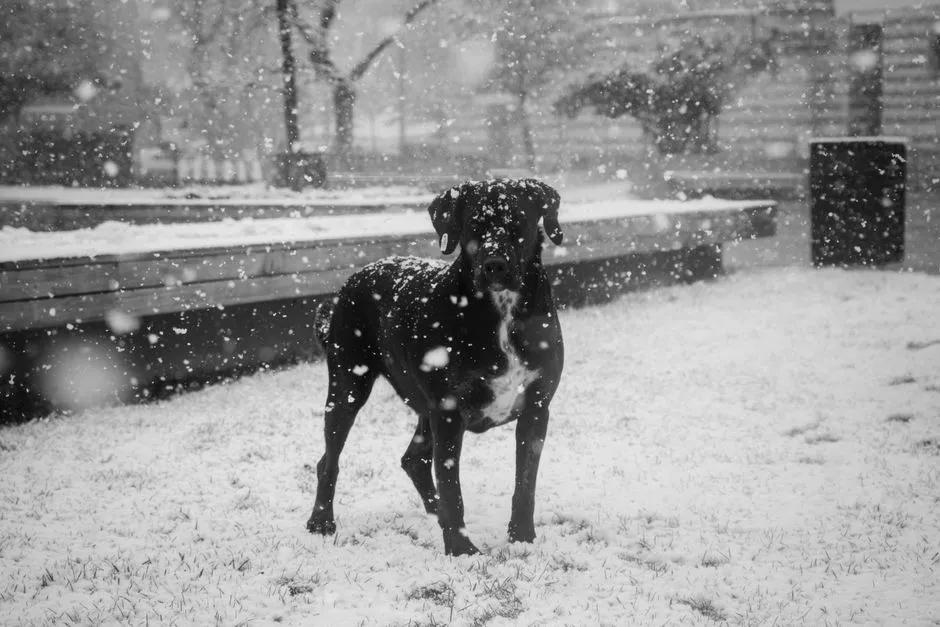
Dogs love to play in the snow, and some may eat small or large amounts. For dogs with a sensitive stomach, this can lead to painful gastritis, an acute inflammation of the gastric mucosa, especially if the snow is contaminated with road salt. Both the cold temperature of the snow and the pollutants can irritate the gastric mucous membranes.
Swallowing snow or very cold water can cause stomach pains and irritate the digestive tract. Repeated ingestion can lead to diarrhoea and gastritis with vomiting, which can develop into gastric ulcers. Most owners don’t connect the dots between a winter walk and a sick dog the next morning, but snow gastritis is a real and documented condition.
The first symptoms are vomiting and diarrhea. Other signs include increased thirst, stomach pain, and even blood in the vomit and diarrhea, and a veterinarian should be consulted if any of these symptoms are shown. Don’t wait it out if symptoms appear after a heavy snow-eating session.
Hypothermia Risk from Eating Too Much Snow

Eating large amounts of snow or ice can cause a dog’s body temperature to drop to dangerously low levels, leading to hypothermia, which can cause heart irregularities or even death. This risk is often underestimated because owners assume only external cold, not what the dog is swallowing, can cause temperature problems.
Excessive snow consumption can be a red flag for underlying health issues, including hypothermia. Small dogs, older dogs, or any dog with health issues are especially at risk. For a small breed or a senior dog on a cold day, the margin for error is narrower than most owners realize.
Snow is also far less hydrating than it looks. Snow is only about five to ten percent water, so dogs would need an enormous amount to actually hydrate properly. This means a dog eating snow for thirst relief is often getting far less fluid than they need, while still taking on all the associated temperature and contamination risks.
What Vets Actually Recommend
As long as the snow is clean and your dog doesn’t eat too much, there’s generally nothing to worry about. Eating snow is typical dog behavior, so it’s nothing to be concerned about as long as it’s only occasional and they’re eating clean snow. If your dog is eating too much snow, it may warrant a trip to the vet to see if everything is okay.
Vets say clean, fresh snow in small amounts won’t hurt your dog. Pet experts also urge owners to prevent their dogs from eating snow near roads, sidewalks, parking lots, or anywhere that has been treated with de-icing products. Location matters enormously. A few mouthfuls of fresh powder in a backyard is very different from your dog scooping snow off a salted curb.
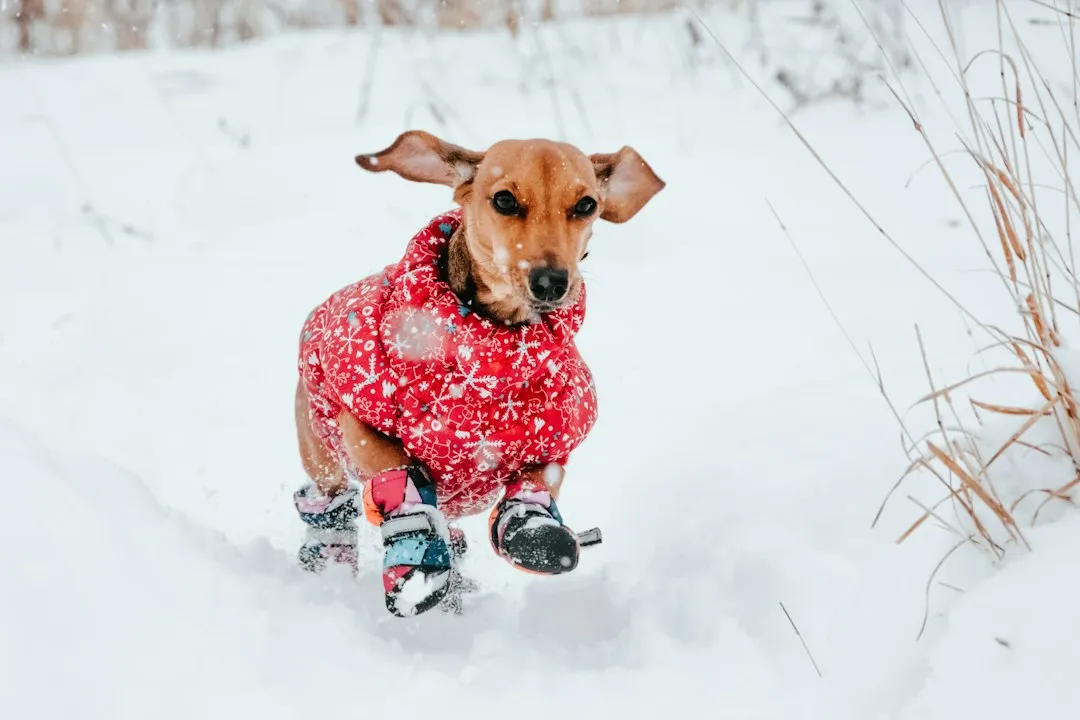
Using a leash when walking your dog in winter, trying to avoid snow near puddles of melted snow, and bringing a toy or treats on your walk to distract your dog from the snow are all practical strategies. Putting booties on your dog or thoroughly cleaning their paws when they return inside can also prevent the ingestion of chemicals licked from paws afterward.
The Takeaway for Winter Walks
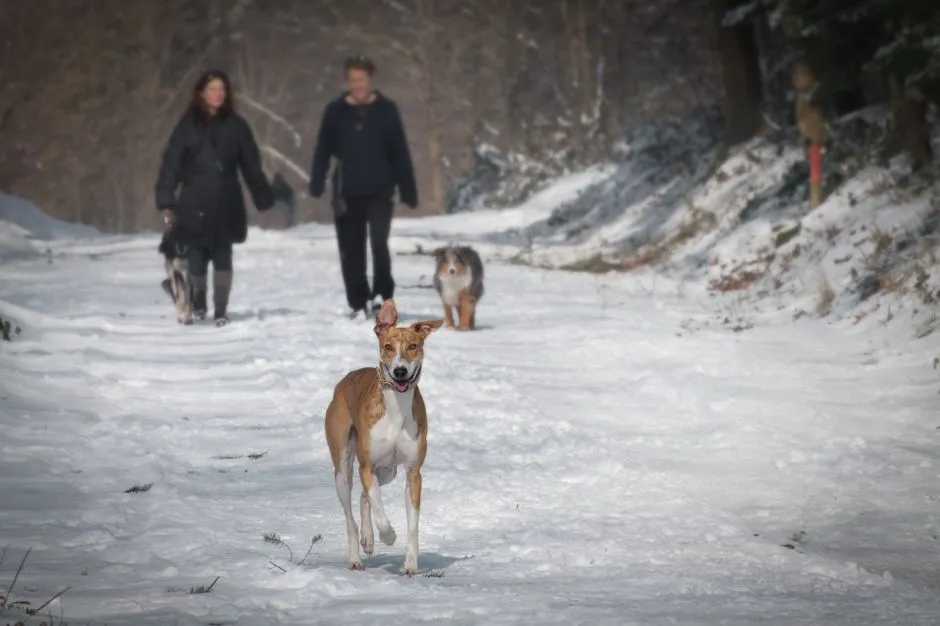
Most dogs that eat snow are simply doing what dogs have always done, exploring, hydrating, playing, and occasionally self-soothing a grumpy stomach. That’s reassuring. The risk isn’t in the behavior itself so much as in what might be coating or hiding inside the snow they choose to eat.
Watch where your dog puts its face during a walk. A fresh snowfall in an open park carries a very different risk profile than the crusty grey pile at the edge of a parking lot. Trust your instincts as an owner: if your dog’s interest in snow feels compulsive, or if they come home from a walk and vomit or act lethargic, those are signals worth taking seriously.
Winter walks are one of the genuine pleasures of dog ownership, even in freezing temperatures. A little awareness of what’s in the snow, and how much your dog is consuming, goes a long way toward keeping those walks safe and enjoyable for both of you.
AI Disclaimer: This article was created with the assistance of AI tools and reviewed by a human editor.