

Leaving Water to Sit Inside the Pot
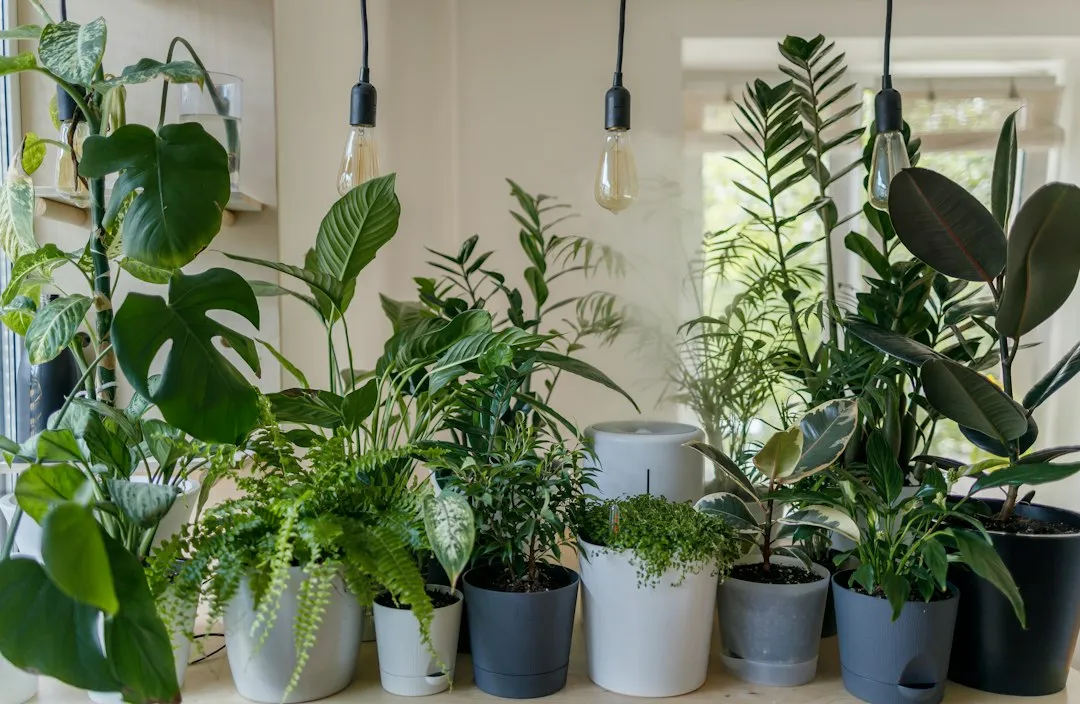
The biggest risk is that containers collect rainwater, sprinkler water, or melting snow and then freeze. This sounds obvious once stated, but most gardeners underestimate how quickly water gathers inside an empty pot sitting upright through autumn rain. What actually cracks a pot is water trapped inside the clay body. When that water freezes, it expands by roughly nine percent, exerting outward pressure the pot simply cannot absorb.
There’s one simple trick that works well enough to protect most containers from the cycle of freezing and cracking: tip your pots on their sides before your first frost date. It costs nothing and takes seconds. Yet most people skip it entirely.
Wrapping Pots in Plastic
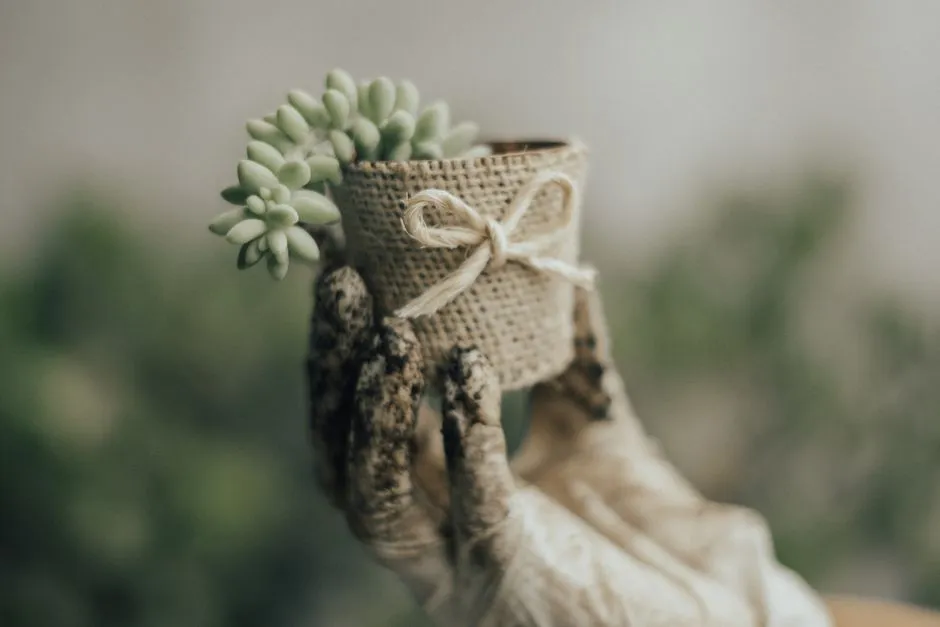
Another common mistake is to try to protect containers by wrapping plant pots in plastic. Plastic insulates and can keep your pots warmer than the surrounding air. On the other hand, moisture can easily collect under that plastic and then freeze and crack your containers.
The logic feels sound: wrap it up, keep the cold out. The reality is that sealed plastic creates a damp microclimate right against the pot wall. Wrapping the outside with burlap or other breathable fabric is a better option for hard freezes. Avoid plastic that traps moisture. Breathable materials let condensation escape rather than concentrate it.
Leaving Terracotta Out Without Protection
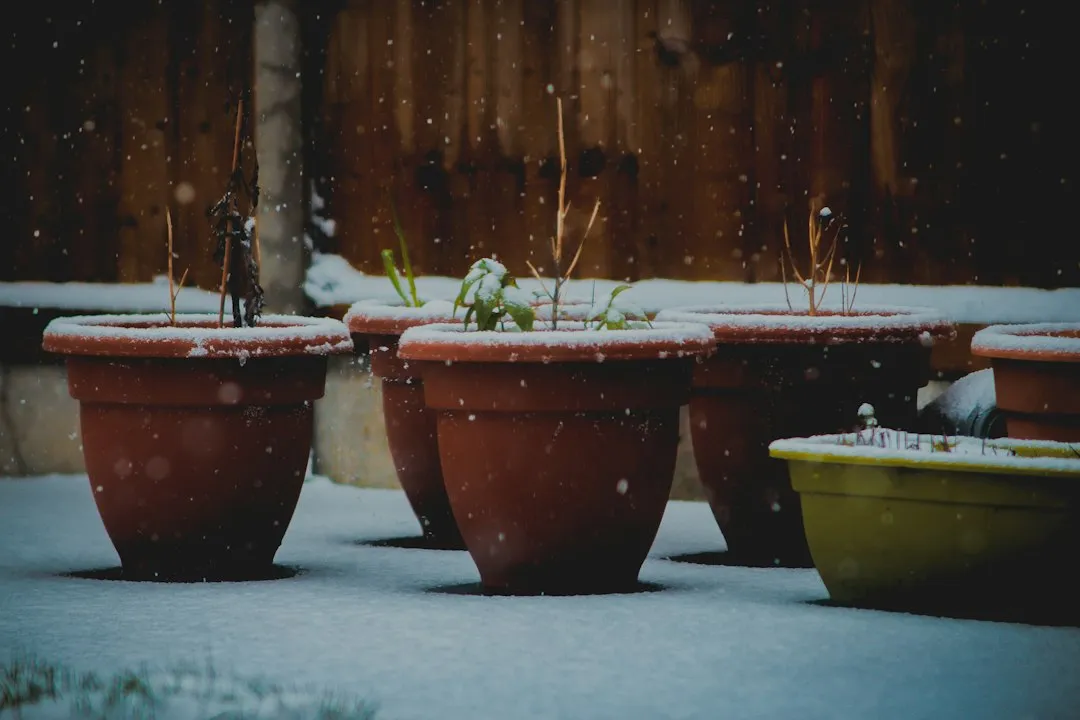
Don’t leave terracotta pots outside in winter. These are non-glazed, porous clay pots that absorb moisture, creating a freeze-thaw heaving that can break or chip the pots. They’re great in warmer weather because the pots breathe, allowing air to circulate around the roots of plants, but they’re missing the necessary protective sealant from the cold.
Terracotta and ceramic pots, which are porous, are full of water in winter, and when this water freezes it expands and the pots flake or crack. Some ceramic pots are glazed on the outside, and this glaze frequently shears off as the material underneath freezes. Even a pot that looks intact after one winter may already be compromised from the inside.
Ignoring Pot Shape When Choosing Containers
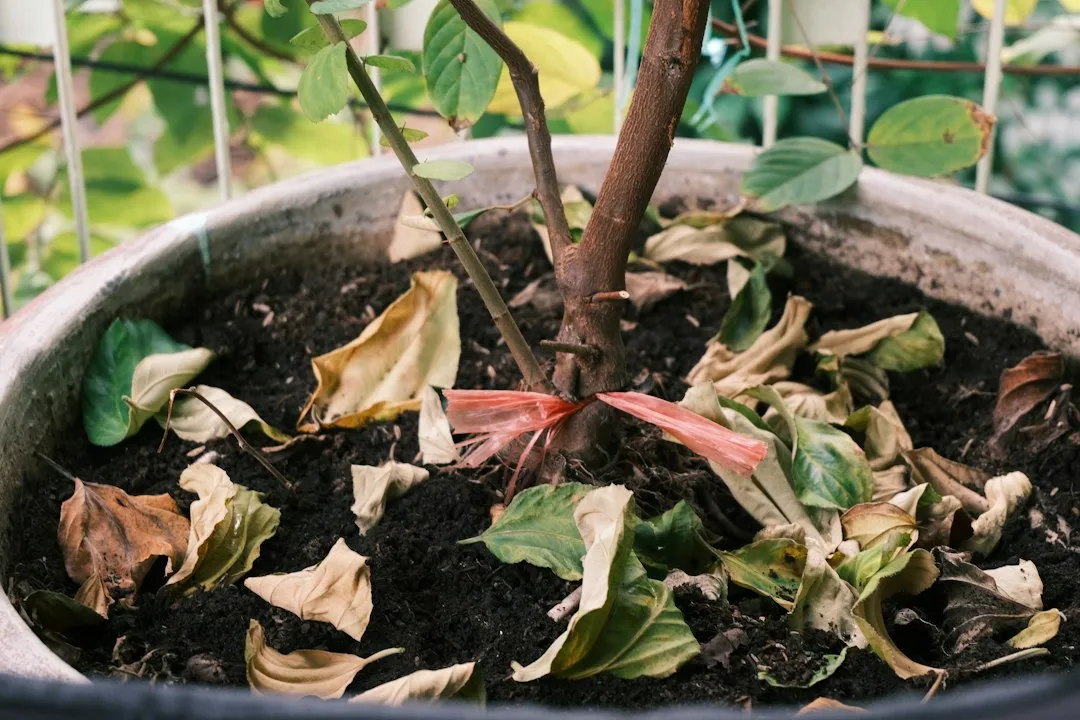
A cone-shaped or tapered pot with a wide mouth will allow the water and soil to expand upwards during a freeze. Pottery with small openings can freeze from the top down, creating a seal that forces building pressure down and out, putting strain on the walls of the pot. Pots with a wide opening are less prone to developing an icy seal.
Most gardeners pick containers based on looks alone. Shape, though, has a direct mechanical effect on how freeze pressure moves through a pot. The worst affected are those lovely round pots with narrow tops. Picking a wider-mouthed design isn’t just an aesthetic preference; it’s a structural decision.
Stacking Pots for Storage
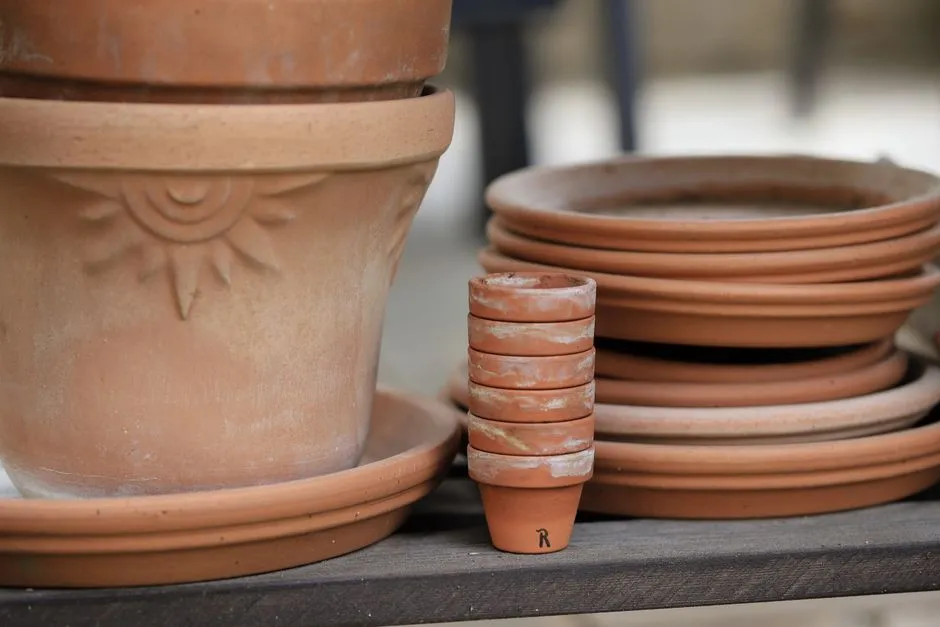
In an attempt to save space, you might stack your pots. But this can actually cause damage. When pots are nested inside each other and moisture gets between them, freezing causes them to bond to one another. Forcing them apart later almost always results in chips or cracks at the rim.
It is also a good idea to wrap each clay or terracotta pot in newspaper or some other wrapping to prevent the pot from being broken or chipped while it is stored. Storing them individually, even loosely, keeps the rims and walls from grinding against each other during cold nights when materials contract and shift.
Leaving Saucers on Through Frost
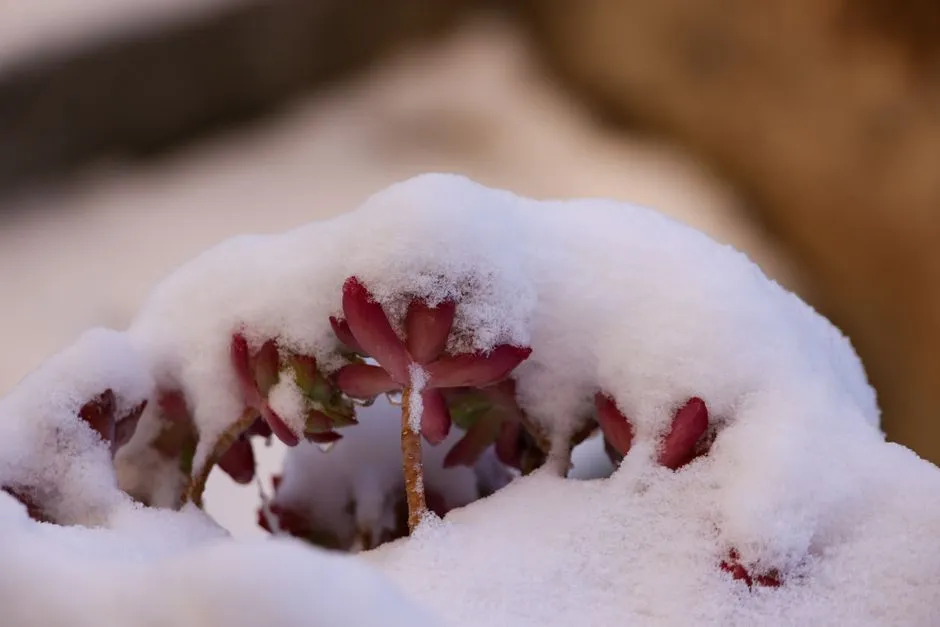
Saucers under outdoor pots may look neat, but in winter they can trap water under the pot and increase the risk of freezing damage. A saucer that collects rain effectively turns the base of the pot into a little ice bath with every freeze. The ground-contact area of a container is already the most vulnerable zone.
Do not use saucers that collect water; when the water freezes, either the saucer or the container will crack. The goal is to keep water running through and away from the containers. Removing saucers before the first frost takes thirty seconds and prevents one of the most common causes of base cracking.
Overwatering as Temperatures Drop
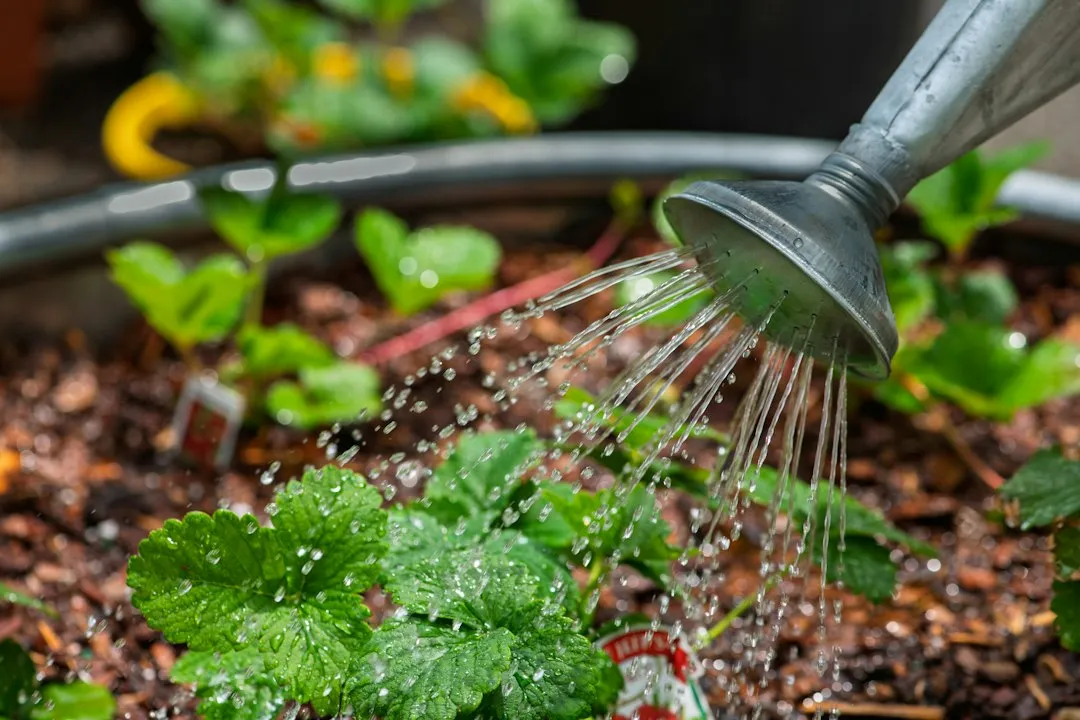
Water less as winter approaches. Dormant plants need minimal moisture, and dry soil means less water available to freeze and expand. Empty self-watering reservoirs before winter. Saturated soil heading into a freeze is one of the most reliable ways to split a container from the inside out.
The more water stored in the soil of your planter, the more likely that a freeze will cause a crack. Aim for barely moist soil to minimize freeze expansion. Letting the soil dry down gradually through late autumn isn’t neglect. It’s preparation.
Choosing the Wrong Pot Material for Cold Climates
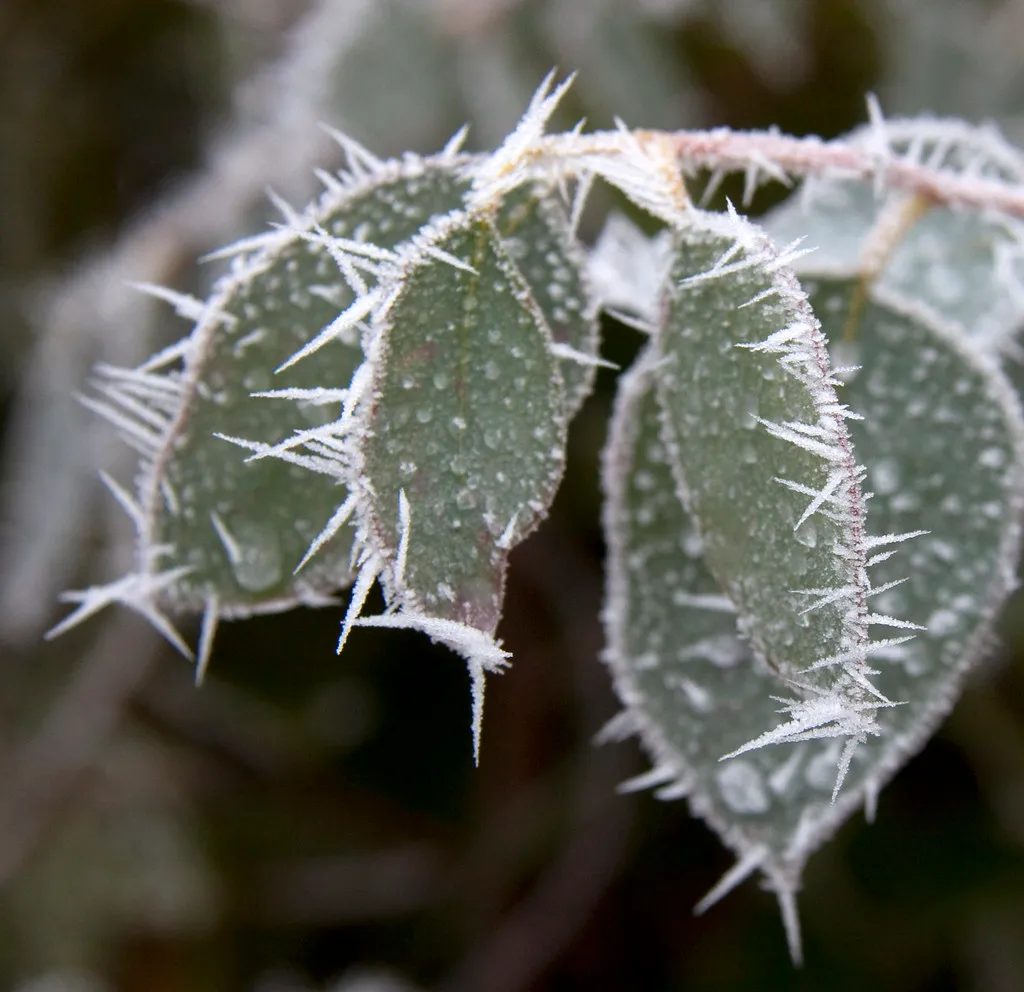
Overall, wood and frost-proof ceramics provide the greatest insulation, while clay and metal need the most protection. Many gardeners make long-term material choices without factoring in winter at all. A pot purchased for its look in July can become a liability by December.
Dense, vitrified stoneware and porcelain are largely immune to frost damage. Porous earthenware, especially outdoor terracotta planters holding wet soil, is the main casualty of winter. When shopping, look for pots labeled “outdoor” or “frost-resistant” as your easiest safeguard against winter damage. That label isn’t just marketing. It reflects a measurable difference in how the clay was fired and how much water it can absorb.
Skipping Regular Inspections Through the Cold Months
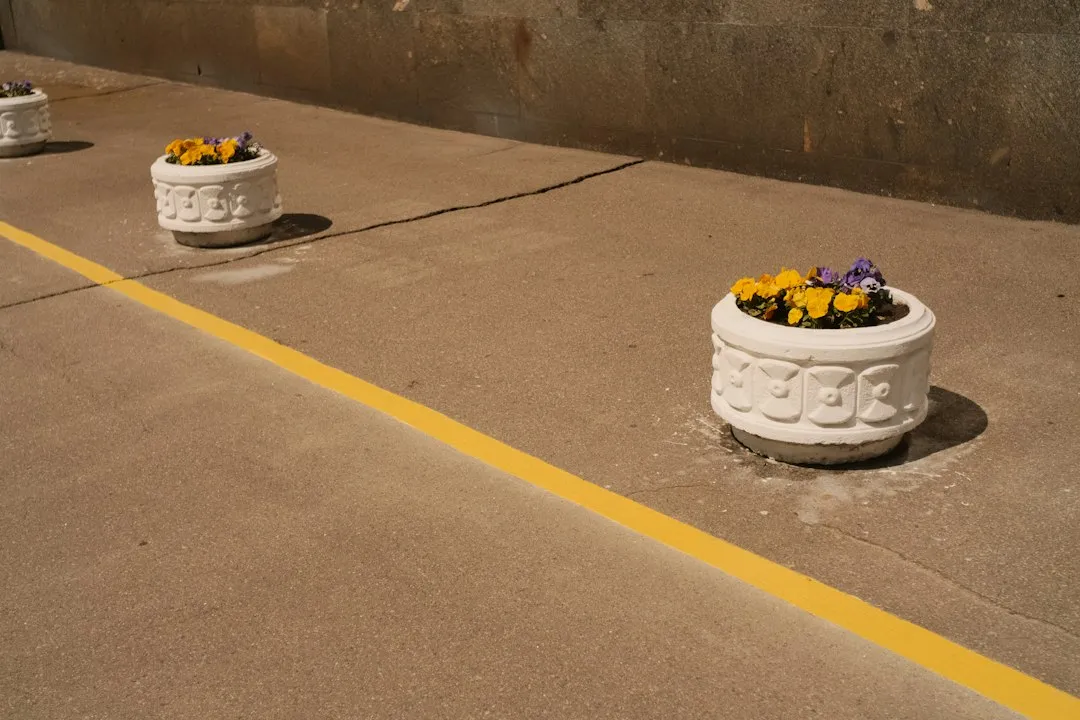
Cold months demand attention because winter never behaves predictably. A single freeze followed by a mild afternoon can stress planters more than weeks of steady cold. Most people check their containers once in autumn and then ignore them until spring. By then, small cracks have already worked their way through the wall.
The main risk to terra cotta planters is that water trapped inside freezes and expands, causing the pot to crack. Small cracks might go unnoticed during the winter, but try to move the pot come spring and it may fall apart. Inspect containers right after freeze-thaw cycles. Stress damage appears most quickly during temperature fluctuations rather than during prolonged periods of steady cold.
Placing Pots Directly on Cold Ground
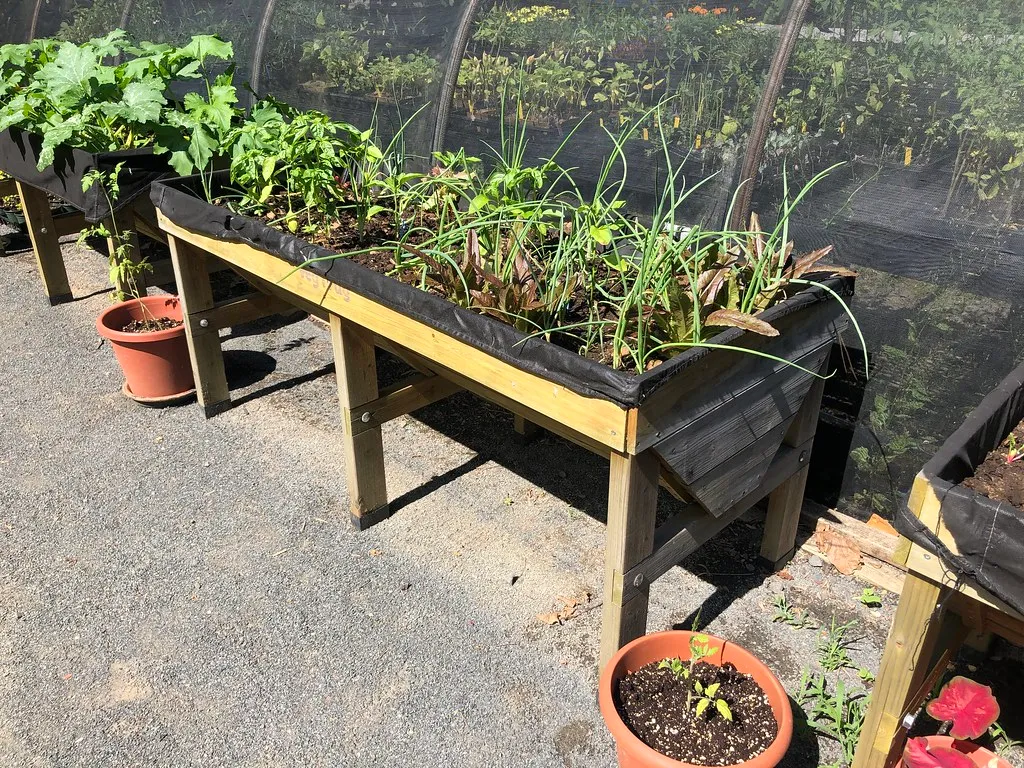
For those plants needing to stay outside all winter long, lift the pot off the ground. Ground contact pulls heat out of the base faster than any other surface exposure and keeps the base of the pot permanently wet during rainy spells. No matter the material, elevating containers off the ground with pot feet or a stand helps prevent freeze damage and improves drainage.
At a minimum, elevate planters during winter using decorative terra cotta planter feet or bricks, but don’t block drainage holes. The drainage hole matters as much as the elevation. A pot that can’t shed water will pool it right at the base, which is exactly where freeze pressure does the most damage.
The Takeaway
Most cracked pots aren’t the result of an unusually harsh winter. They’re the result of small, avoidable oversights that quietly set the stage for failure. The freeze itself is just the last step in a process that started months earlier with a saucer left on, soil left wet, or a pot left upright in the rain.
The practical shift is straightforward: treat water as the real enemy rather than cold. If you set a perfectly dry, fully vitrified ceramic vase on a freezing porch for three months, very little will happen to it. The damage you see on broken winter planters does not come from the temperature itself. It comes from water’s expansion as it converts to ice, which pushes outward from inside the clay with surprising force. Keep the water out, and the cold mostly takes care of itself.
AI Disclaimer: This article was created with the assistance of AI tools and reviewed by a human editor.